






-
 In stock
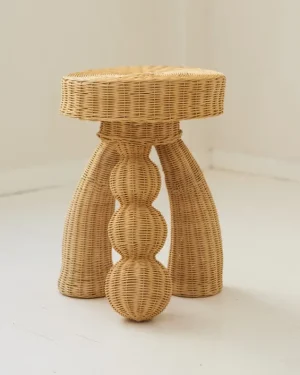
Pupa Side Table in Woven Rattan and Metal
By LØRDAG & SØNDAG
€845 -
 In stock
Knot Low Stool / Side Table In Solid Ash Wood
By Luis Gimeno Design
€800 -
 In stock
Knot – Stool / Side Table – Solid Ash Wood
By Luis Gimeno Design
€800 -
 In stock
Knot – Stool / Side Table – Solid Ash Wood
By Luis Gimeno Design
€890 -
 In stock
Valentina Low Stool
By Heaps & Woods
€1.344 -
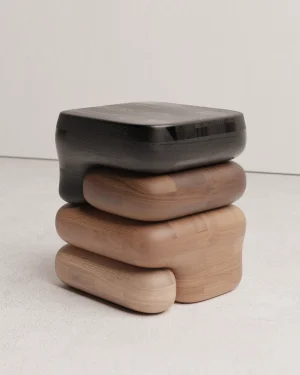
Gradient 01 Side Table in Beech, Ash, Chestnut and Oak Wood
By Luis Gimeno Design
€7.000 -

Ludovica – Stone Stool / Side Table
By Studio Ayres
€1.960 This product has multiple variants. The options may be chosen on the product page -
 In stock
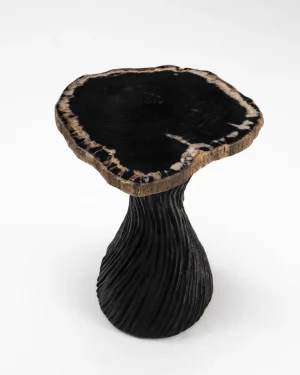
Twisted Fantasy Side Table in Petrified Wood and Acacia
By Odditi
€1.490 -
 In stock
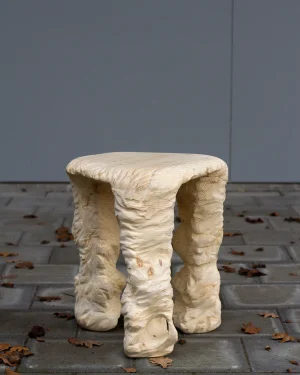
3 Legs Stool, Carved Wooden Stool
By Tellurico Design Studio
€2.500 -
 In stock
Marbelicious – Guatemala Marble Bench
By Millim Studio
€2.500 -
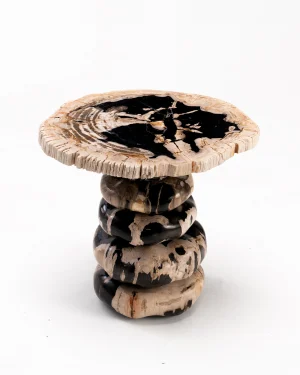
Dwayne Johnson Side Table in Petrified Wood
By Odditi
€1.480 -
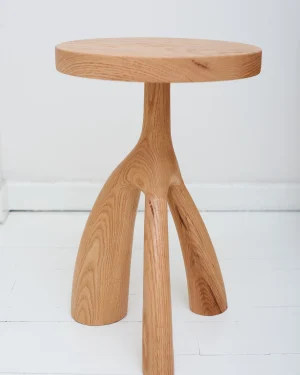
Tecolli Side Table in Natural Oak Wood
By LØRDAG & SØNDAG
€940 -
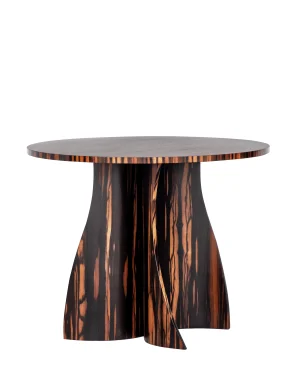 In stock
Andino Side Table in Macassar Ebony
By Costantini Design
€2.957 - €3.303 This product has multiple variants. The options may be chosen on the product page -
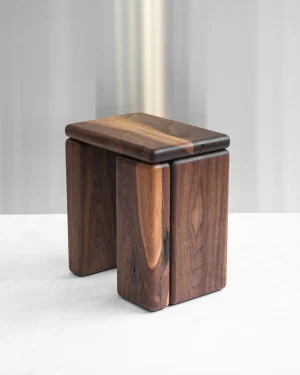
Timber – Walnut Stool
By Studio Onno Adriaanse
€992 -

Revolve No. 06 Side Table in Scagliola and Natural Wax
By Flensted Mouritzen
€2.988 -
 In stock
Sand in Motion Slim Side Table in Sandstone and Tinted Glass
By Rive Roshan
€4.000 -
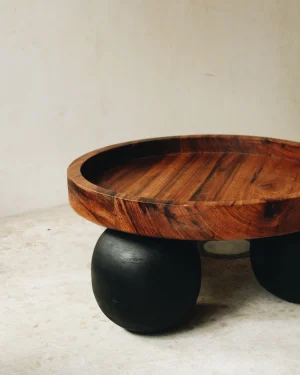
Fos Suspended Side Table in Parota and Cedar Wood
By Daniel Orozco Estudio
€762 -
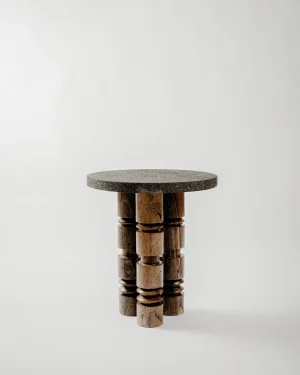
Fos Hill Side Table in Volcanic Stone and Jabin Wood
By Daniel Orozco Estudio
€1.379 -
 In stock
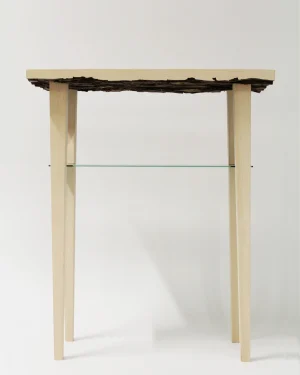
Reflecting Side Table in Birch Wood
By Olle Sahlqvist
€3.000 -
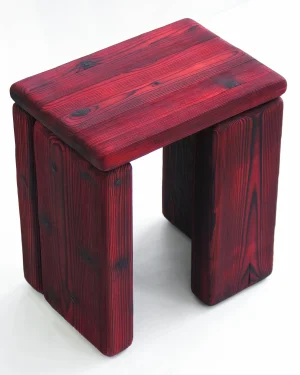
Timber – Burned Pine Stool
By Studio Onno Adriaanse
€912 -

Gradient 02/03 Side Table in Beech, Ash Wood and Walnut
By Luis Gimeno Design
€3.600 - €3.800 This product has multiple variants. The options may be chosen on the product page -
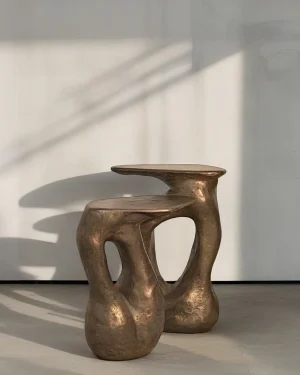
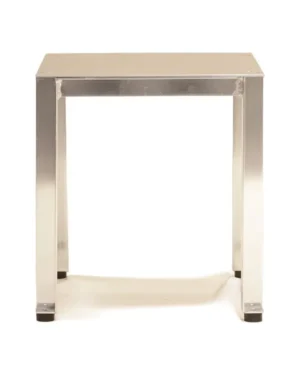
Aura Side Table in Steel and Rust Steel
By aeny studio
Price Upon Request -

Ludovica – Onyx Stool / Side Table / High Vibration Energy Amulet
By Studio Ayres
Price Upon Request This product has multiple variants. The options may be chosen on the product page -
 Sold
SoldCypress #6 Side Table in Cypress Wood and Stoneware
By Studio Kloak
€2.500 -
 Sold
SoldCypress #1 Side Table in Cypress Wood and Stoneware
By Studio Kloak
€2.100 -
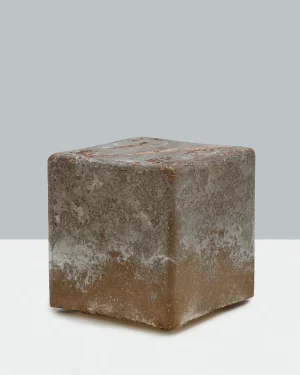
Lo Blox Side Table in Mycelium and Birch Wood
By Myceen
Price Upon Request
Rustic side tables bring the texture of raw material into small, functional pieces, favoring timber with visible grain, stone left close to its quarried state, and metal that shows the hammer or weld. Studios working in this style lean on ash, walnut, birch, and reclaimed wood, sometimes pairing them with rattan or natural fiber for contrast. The aim is a table that looks pulled from a landscape rather than a factory line, sturdy enough to hold a lamp or a stack of books without drawing attention to its own construction.
What makes a side table rustic
The rustic label describes a relationship to material more than a fixed look. Wood is left with knots, checks, and saw marks instead of being sanded to uniformity; edges may stay live or roughly chamfered. Stone pieces keep their quarry face or a hand-tooled finish rather than a mirror polish, and metal frames often carry forge marks, matte rust tones, or a dark patina built through oxidation.
Color follows the material: browns, grays, beige, and black dominate, with the occasional pink or multicolor accent showing through painted or dyed fiber. Finishes tend toward oil, wax, or char rather than lacquer, which lets the surface age visibly instead of staying static.
Materials and techniques found in this range
Within rustic side tables, wood and cabinetmaking remain the dominant technique, often in ash, walnut, or birch, worked with joinery that stays visible rather than hidden. Stone carving produces heavier, single-block tables that read as sculpture first and surface second. Metalwork shows up in welded or hand-forged frames, sometimes finished with a charring technique such as shou sugi ban on wood tops for a blackened, weather-resistant surface.
- Woodturning for rounded legs and pedestal bases with a hand-worked profile
- Weaving in rattan or natural fiber for lighter, textured surfaces
- Sculpting and stone carving for solid, single-material forms
Editions vary by studio: some rustic pieces are produced as open editions in small runs, others as limited editions or unique pieces where no two tables share the same grain or patina. Where a piece is described as a unique piece, expect the material itself, not just the design, to differ from one table to the next.
How to choose a rustic side table
Start with height relative to the seat or bed it will serve; most side tables sit level with or slightly below an adjacent sofa arm or mattress top, close to standard side-table proportions. Scale matters as much as height: a dense stone or solid-wood top can anchor a large sofa, while a slender turned-wood or woven-fiber table suits a narrower reading corner.
Finish affects both look and upkeep. A charred or oiled wood surface hides scuffs and develops character with use, while raw stone shows water rings and needs a sealed finish if drinks will sit directly on top. Pair a rough-finished table with soft lighting and worn textiles, and let a single rustic piece set the material tone for the rest of a vignette rather than matching every finish in the room.
Where rustic side tables fit in a room
These tables suit living rooms beside upholstered seating, bedrooms as a bedside support, and entryways where a single solid surface holds keys or mail. Wood and stone options read especially well against plaster, linen, or other natural textiles, while a metal-framed piece can sit comfortably in a room built around steel shelving or iron fixtures. For a fuller range of raw-material pieces, see rustic furniture across categories, or stay within tables through rustic tables and the wider side table range.
Caring for raw and natural finishes
Oiled or waxed wood benefits from periodic reapplication to keep the surface fed and resistant to moisture rings. Charred wood needs little beyond occasional dusting, since the burned layer already resists insects and decay. Stone should be wiped dry after spills to avoid staining, and unsealed surfaces may need a light sealant if used near drinks or plants. For other material directions within the same scale of furniture, wooden side tables and metal side tables offer a useful comparison point when weighing rustic finishes against smoother alternatives.
How do I choose a rustic side table?
Look at the surface first, oak, ash or walnut with visible grain, or stone with natural veining, then match its weight and tone to the seating or bed it will stand beside.
What materials are rustic side tables usually made from?
Solid woods like oak, ash, walnut and birch are common, often joined by traditional cabinetmaking, alongside stone tops and occasional metal or woven fiber bases.
How do I care for a wood or stone side table?
Wipe wood with a dry or slightly damp cloth and keep it from direct heat to avoid cracking; seal stone periodically and clean spills quickly, since porous surfaces can stain.
What height and size should a side table be?
Standard side tables sit close to the arm height of a sofa or the mattress line of a bed, usually between knee and hip height, so surfaces stay within easy reach.
Which rooms suit a rustic side table?
Living rooms, bedrooms and entryways all take well to rustic pieces, where the material's texture adds contrast against smoother floors, walls or upholstery.
What are ADORNO's shipping, returns and authenticity policies?
Shipping is insured and worldwide, with a 14-day return policy excluding made-to-order pieces, a certificate of authenticity included, and a lowest-price guarantee on every piece.