





-

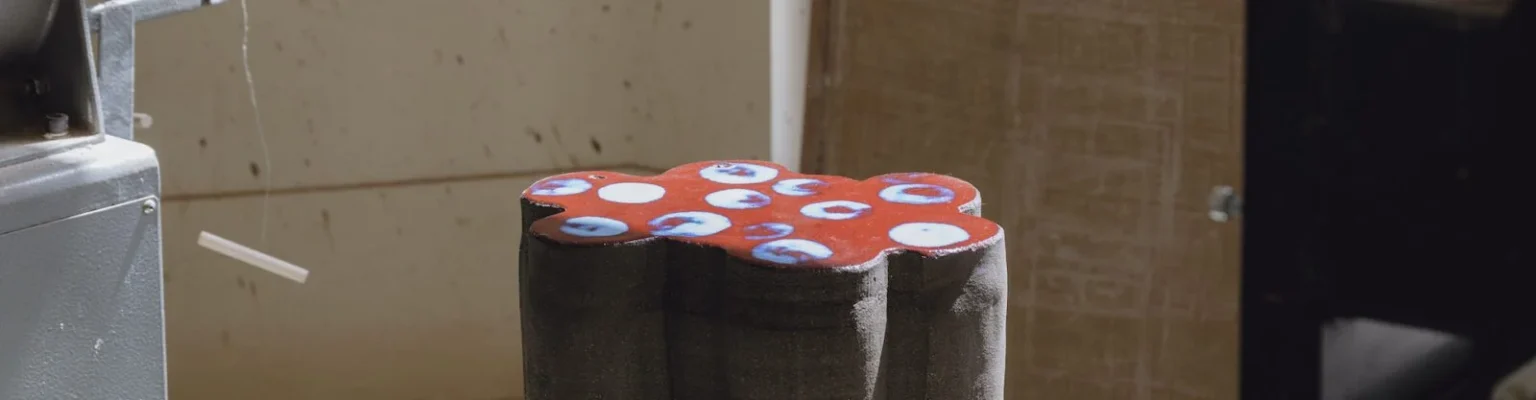
Imaginary Object – Steel Stool
By Joana Teixeira
€1.600 -

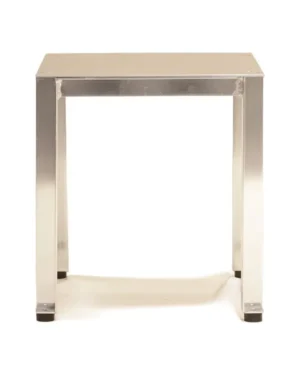
The Altar Side Table in Steel
By COSEINCORSO
€910 -
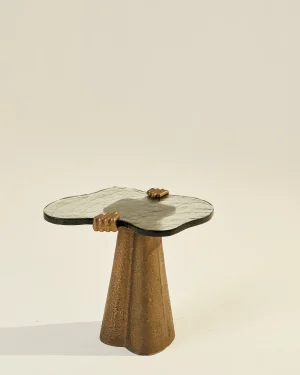
Paws Side Table in Cast Aluminum and Cast Glass
By LMNOH
€1.950 -
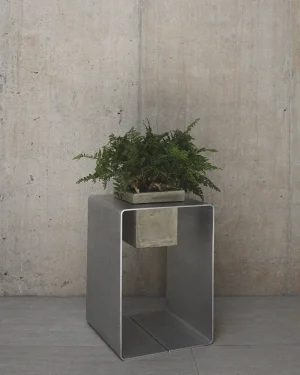
ST001-02 Side Table in Stainless Steel and Concrete
By NAVE
€990 -
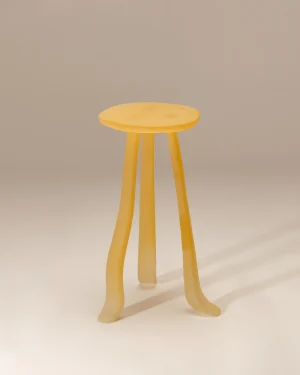
Lung 1.0 Honey Matte Side Table in Resin
By Szymon Keller
€2.200 - €2.400 This product has multiple variants. The options may be chosen on the product page -
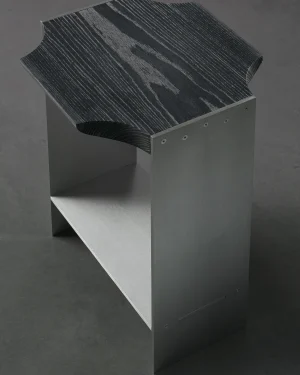
F15 E Side Table in Oak Wood
By Mantas Lesauskas
€1.500 -
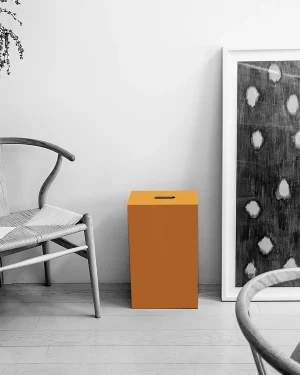
The Apple Box Side Table in Baltic Birch Plywood
By ilan
€450 This product has multiple variants. The options may be chosen on the product page -

S001-10.2 Aluminum Stool
By NAVE
€500 -
 In stock
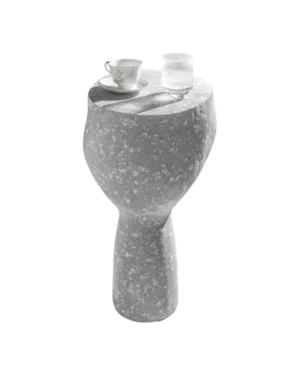
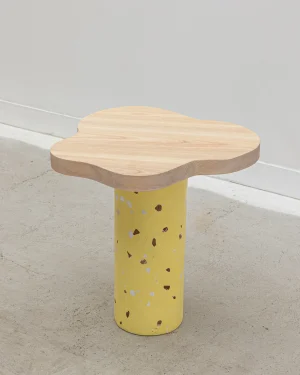
Esposcada 01 Side Table in Terrazzo and Ash Wood
By Pierre Klein
€1.600 -
 In stock
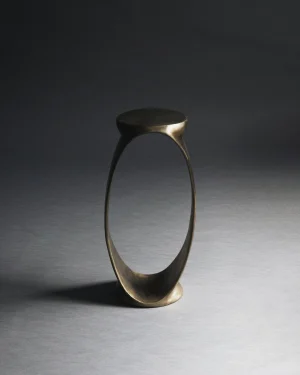
528Hz Side Table in Polished Bronze
By Sebastián Ángeles
€3.878 -

Dunes Side Table in Polished Aluminum and Carved Wood
By Malvin Gaborit
€8.829 -
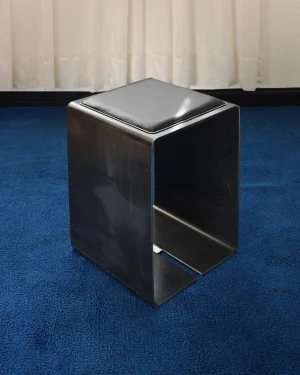
S001-10 Raw Steel Stool
By NAVE
€450 -

Doros Side Table in Carbon Steel and Stainless Steel
By Toro Manifesto
€2.450 -
 In stock
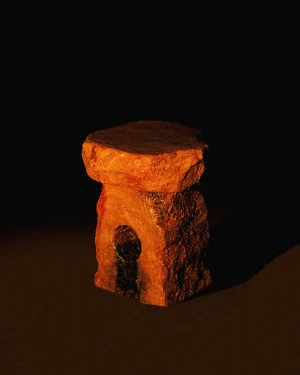
La Cauna – Escabèl 01 Stool
By Pierre Klein
€900 -
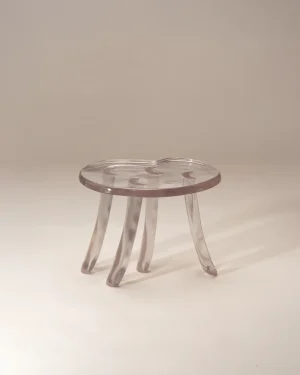
Lung 2.0 Side Table in Resin
By Szymon Keller
€3.180 -

Lung 2.0 Blue Side Table in Resin
By Szymon Keller
€3.180 This product has multiple variants. The options may be chosen on the product page -

In Between Side Table in Stainless Steel and Lace
By please touch studio
€1.560 -
 In stock
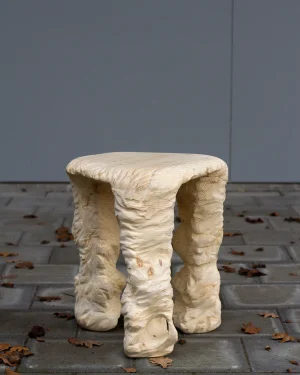
3 Legs Stool, Carved Wooden Stool
By Tellurico Design Studio
€2.500 -
 In stock
Coral Circle Side Table in Concrete
By clasik.studio
€1.350 -
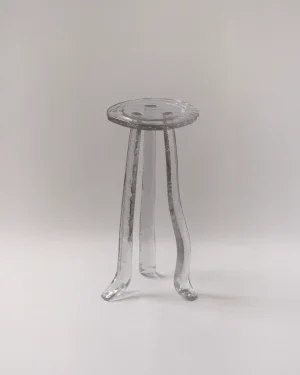
Lung 1.0 Side Table in Resin
By Szymon Keller
€2.000 - €2.400 This product has multiple variants. The options may be chosen on the product page -

Match! Studio Edition 001 Side Table in Marble
By please touch studio
€1.900 -

Umbral Side Table in Black Marble and Travertine
By Panorammma Atelier
€2.900 -
 In stock
Cowgirl Side Table in Oxidized Steel
By Toro Manifesto
€2.500 -
 In stock
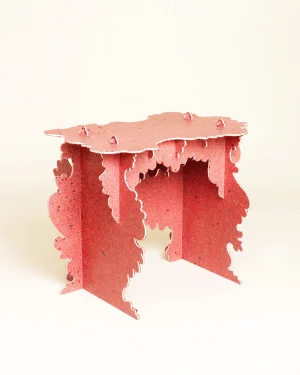
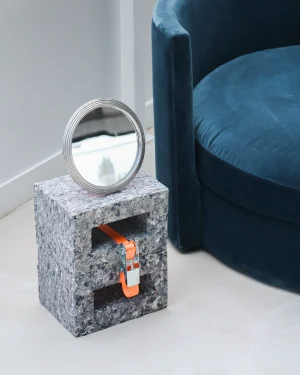
Really Rococo II Side Table in Recycled Textile
By Studio Ebba Lindgren
€2.000 -
 In stock
Le Nomade Side Table in Upcycled Textile
By FabBRICK
€330 -
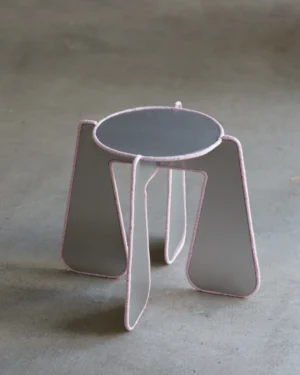
In Between Pink Side Table in Stainless Steel and Lace
By please touch studio
€1.560 -

Kabiki Side Table in Red Oak
By Daniel Couttolenc
€2.550 -
 In stock
Asymptote Side Table in Stainless Steel
By Anoe Melliou
€3.300 -
 In stock
Forma Seconda Side Table in Steel and Onyx
By DFdesignLab
€1.370 -

Cone Object 1 – Squared Stool/table
By Hanna Fastrich
€1.900 -
 In stock
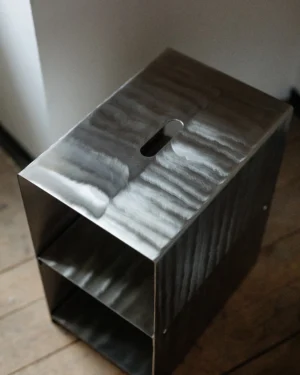
Light Series Side Table in Polished Stainless Steel
By form & eisen
€1.500 -
 In stock
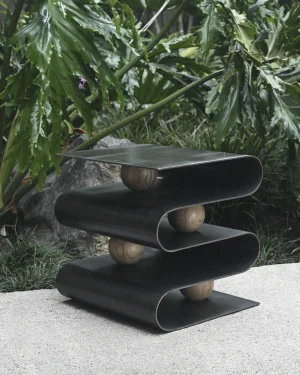
ST001-05 Side Table in Raw Steel and Bay Laurel Wood
By NAVE
€1.150 -
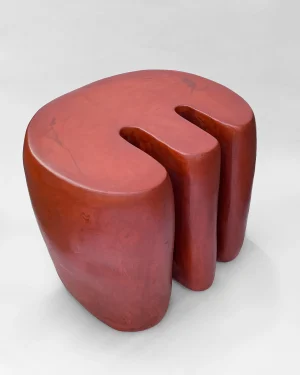
Organic Side Table in Gypsum
By Studio AOAO
€4.000 -

Revolve No. 06 Side Table in Scagliola and Natural Wax
By Flensted Mouritzen
€2.988 -
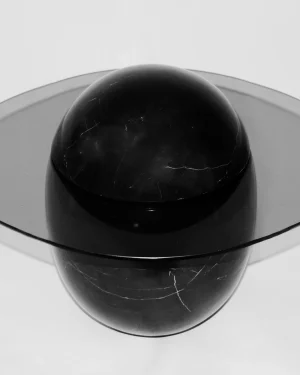
Mini Uovo Side Table in Glass and Black Marble
By Panorammma Atelier
€2.500 -
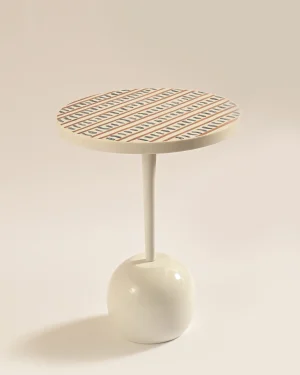
Sambhal Bone Inlay Side Table in Cast Aluminum and Resin
By LMNOH
€856 -
 In stock
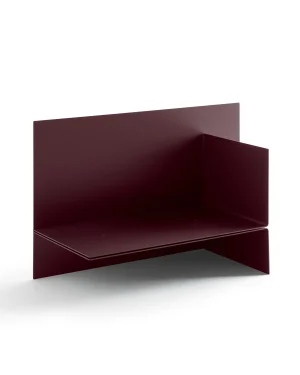
Polysemy Wine Red Side Table in Steel
By So Koizumi
€1.100 -
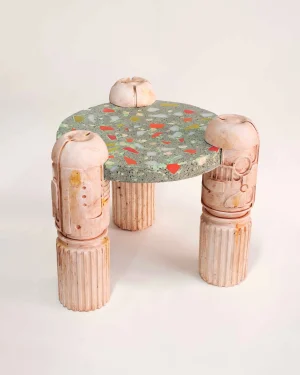
Taula 04 Side Table in Terrazzo and Plaster
By Pierre Klein
€2.600 -

Erosia Side Table in Aluminum and Cedar Wood
By ASUL-STUDIO
€1.900 -

Revolve No. 05 Side Table in Scagliola and Natural Wax
By Flensted Mouritzen
€2.548 -
 In stock
Sand in Motion Slim Side Table in Sandstone and Tinted Glass
By Rive Roshan
€4.000 -
 In stock
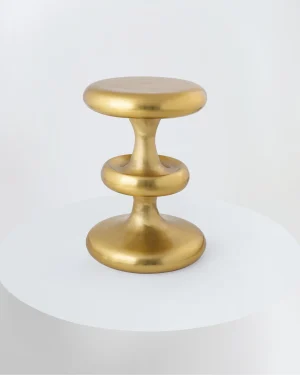
Atom Side Table in Aluminum and Steel
By Nama Home
€1.830 This product has multiple variants. The options may be chosen on the product page -
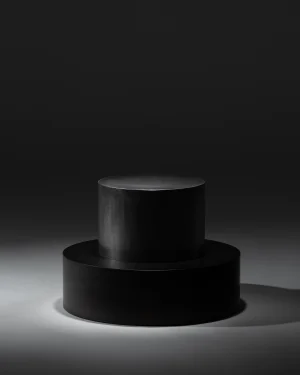
The Pillar Side Table in Stainless Steel and Painted Steel
By COSEINCORSO
€1.900 -
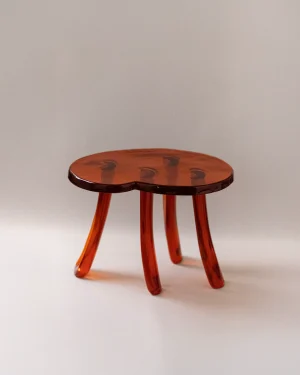
Lung 2.0 Amber Side Table in Resin
By Szymon Keller
€3.180 This product has multiple variants. The options may be chosen on the product page -
 In stock
Taru Side Table in Silver-Plated Brass and Veneer
By MARAU
€15.000 -

Erosia Ergate Side Table in Aluminum and Cedar Wood
By ASUL-STUDIO
€1.770 -
 In stock
Revolve No. 03 Side Table in Scagliola and Natural Wax
By Flensted Mouritzen
€2.548 -
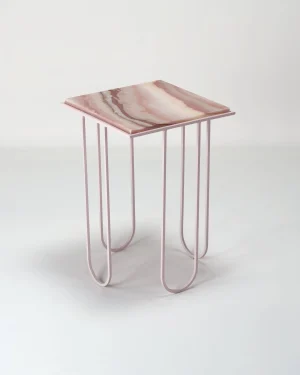 In stock
Lola Side Table in Pink Onyx and Steel
By DFdesignLab
€950 -
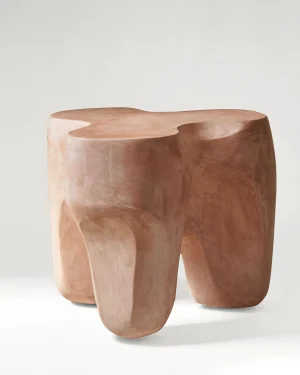 In stock
Achi Side Table in Gypsum
By Studio AOAO
€5.000 -

Kamal Side Table in Brass and Steel
By by.aman
€1.500 - €2.500 This product has multiple variants. The options may be chosen on the product page -
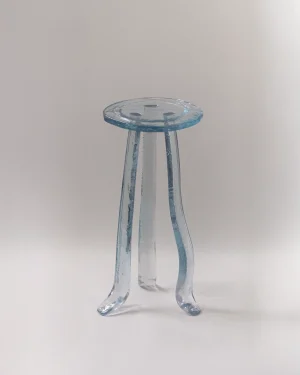
Lung 1.0 Blue Side Table in Resin
By Szymon Keller
€2.000 - €2.400 This product has multiple variants. The options may be chosen on the product page -
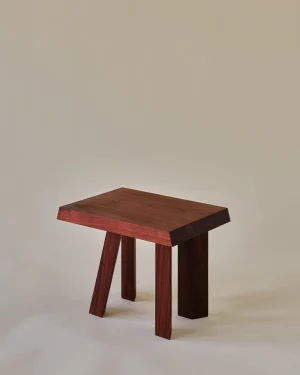 Sold
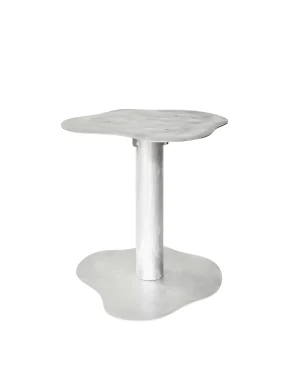
SoldShear 02 Side Table in Walnut
By Mock Studio
€670 -
 Sold
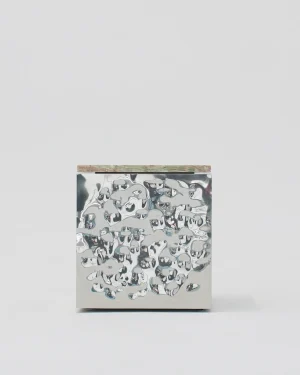
SoldSquiggle Side Table in Aluminum
By Six Dots Design
€875 -
 Sold
SoldDisordine Prototype Side Table in Steel and Onyx
By Joana Teixeira
€3.850
Limited edition side tables are made in small runs or as one-offs, usually by studios working directly in metal, resin, or concrete rather than through standard manufacturing lines. Each piece carries the mark of its making: a cast aluminum leg with a visible seam, a resin top with a trapped bubble, a concrete surface left with the texture of its mould. The material and the process, not a logo, are what set these pieces apart.
What Sets These Pieces Apart
A small-run or one-off table is shaped by processes that resist exact repetition. Metalwork and metal casting pour molten aluminum or steel into a mould that may only be used a handful of times before it is retired. Resin casting, stone carving, concrete casting, mould making, plastering, and veneering follow similar logic: each step is done by hand, so the outcome shifts slightly from piece to piece.
Within limited edition furniture more broadly, side tables are among the more approachable entry points, since their smaller scale makes hand casting and carving practical in ways larger case pieces rarely allow.
Materials, Finishes, and Colors
Metal dominates here, particularly stainless steel and aluminum, often cast rather than welded, left raw or finished in black, white, or a saturated color such as red or sky blue. Resin appears both transparent and in pastel pink, letting light pass through or pool at the base. Concrete and natural wax surfaces sit at the other end of the spectrum, matte, weighted, and closer to stone or clay than to polished furniture.
- Metals: stainless steel, aluminum, cast aluminum, steel
- Cast and poured materials: resin, concrete, natural wax
- Colors: black, white, brown, transparent, pastel pink, pink, sky blue, red
- Styles: contemporary, eclectic, minimalist, brutalist, neo-industrial, radical, maximalist
Choosing Limited Edition Side Tables
Scale matters more than style once a table sits beside a sofa or a bed. A top set close to the height of the adjacent armrest or mattress keeps a lamp or a glass within easy reach; one noticeably higher or lower reads as an afterthought. Cast and carved pieces also carry visual weight, so a brutalist concrete block will anchor a room differently than a slender cast aluminum form.
Finish should answer the room it enters. A raw or waxed surface suits a space already built around natural materials, while a glossy resin or a saturated color works as a deliberate point of contrast against plainer walls and upholstery. When choosing limited edition side tables, confirm finish and scale carefully, since a close match may not be available again once a run is sold.
Where They Work in a Room
Side tables occupy the space immediately around seating and sleeping, so placement has to answer reach before anything else. In a living room, a cast or carved table beside an armchair holds a lamp and a drink without crowding the seat. In a bedroom, a smaller, lower table keeps a reading lamp and a glass within arm's length through the night. Entryways benefit too, where a single table of this kind can hold keys and a bowl without needing a full console; see what's available among entryway side tables for that scale. For metal-led spaces specifically, the broader range of metal side tables covers welded as well as cast construction, and contemporary side tables offers a plainer counterpoint for rooms that call for quieter forms.
Caring for Cast and Poured Surfaces
Cast metal develops a patina over time unless it is sealed; a light wax or lacquer slows oxidation without hiding the surface beneath. Resin resists moisture but can yellow with prolonged direct sun, so placement away from a south-facing window keeps its color stable. Concrete is porous and will stain if left wet, so a sealant and a dry cloth for spills protect the surface without changing its texture. Natural wax finishes benefit from an occasional reapplication to keep the surface from drying out and dulling.
Across materials and techniques, what holds these limited edition side tables together is scarcity by design: a limited run, a single mould, a surface that cannot be exactly repeated. For a wider view before narrowing by material, the full range of side tables shows how these small-batch pieces sit alongside more standard production.
How do I choose a limited edition side table?
Start with the room: a cast metal or concrete table anchors a seating area, while a lighter resin or aluminum piece suits a bedside. Let proportion and material contrast guide the choice, not just appearance.
What materials are limited edition side tables made from?
Most are worked in metal, cast aluminum, concrete, or resin, sometimes finished with natural wax. Each material carries its own weight and surface, from the cool density of concrete to the sheen of cast metal.
How do I care for a metal, concrete, or resin side table?
Wipe metal and resin surfaces with a dry or slightly damp cloth, avoiding abrasives that dull their finish. Concrete should be sealed and kept away from standing liquids, which can stain its porous surface over time.
What height and size should a side table be?
Most side tables sit between 18 and 26 inches tall, close to the arm of a sofa or the mattress line of a bed. For an exact measurement on a specific piece, chat with the maker on its page.
Which rooms suit a limited edition side table?
Living rooms, bedrooms, and entryways all take well to a side table, wherever a surface for light, books, or daily objects is needed. Their material presence also makes them work as a small sculptural accent on their own.
How does shipping, returns, and authenticity work when buying from ADORNO?
Shipping is insured and worldwide, with a 14-day return policy, excluding made-to-order pieces. Every piece comes with a certificate of authenticity, and ADORNO offers a lowest-price guarantee.