






-

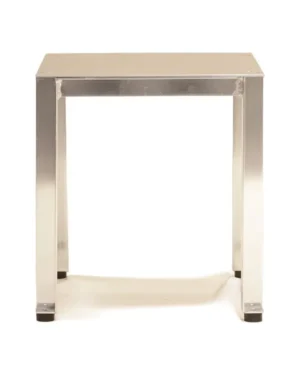
S001-10.2 Aluminum Stool
By NAVE
€500 -
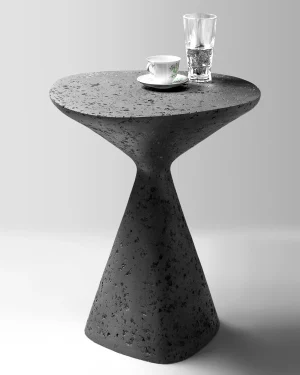
Black Mottled Side Table in Paper Pulp and Cement
By Donatas Žukauskas
€1.100 -
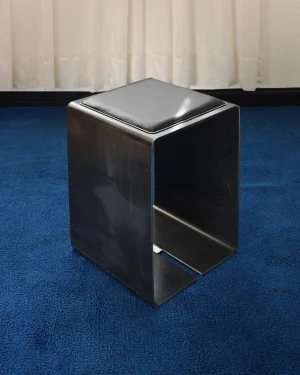
S001-10 Raw Steel Stool
By NAVE
€450 -
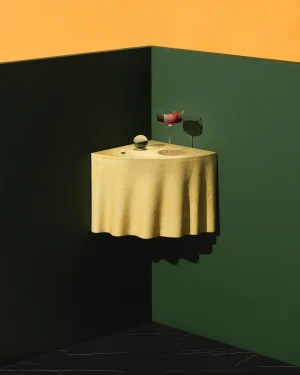 In stock
DUK x Reishi Edition Wall-Mounted Corner Table
By Studio TOOJ
€2.900 -
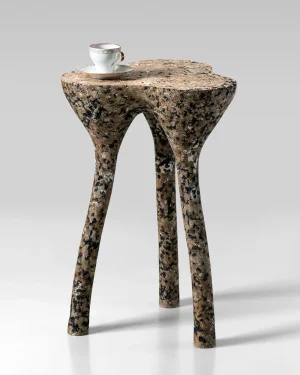
Beige Tripod Low Side Table in Paper Pulp and Cement
By Donatas Žukauskas
€1.100 -
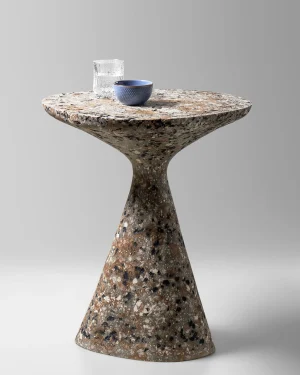
Beige Mottled Side Table in Paper Pulp and Cement
By Donatas Žukauskas
€1.100 -
 In stock
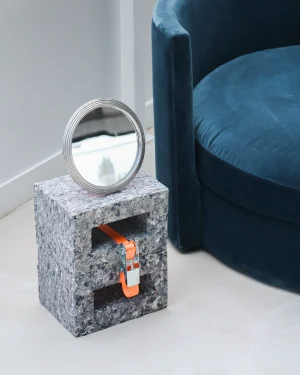
Le Nomade Side Table in Upcycled Textile
By FabBRICK
€330 -

Black Still Column Side Table in Paper Pulp, Cement and Oak
By Donatas Žukauskas
€1.550 -
 In stock
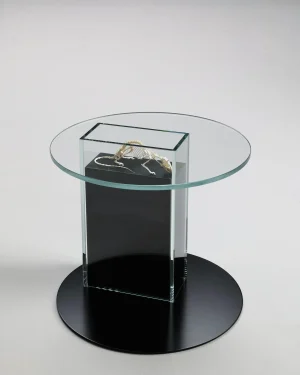
The Rat Side Table in Painted Steel and Ultraclear Glass
By Leo De Carlo
€4.000 -
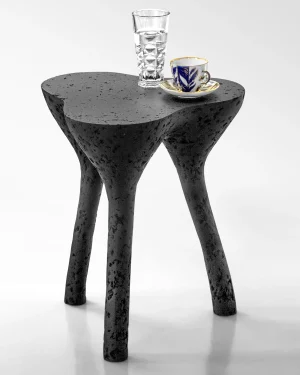
Black Tripod Low Side Table in Paper Pulp and Cement
By Donatas Žukauskas
€960 -
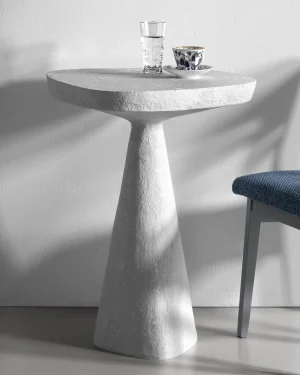
White Plinth High Side Table in Paper Pulp and Cement
By Donatas Žukauskas
€1.350 -
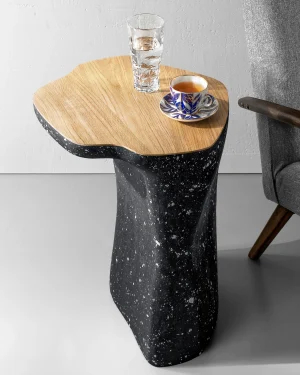
Black Still Form Side Table in Paper Pulp, Cement and Oak
By Donatas Žukauskas
€920 -

Revolve No. 06 Side Table in Scagliola and Natural Wax
By Flensted Mouritzen
€2.988 -
 In stock
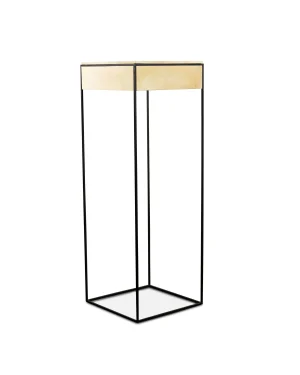
Marcello Side Table in Metal and Goatskin
By Costantini Design
€2.500 -

Revolve No. 05 Side Table in Scagliola and Natural Wax
By Flensted Mouritzen
€2.548 -
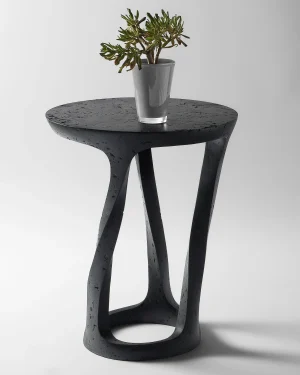
Black Bent Side Table in Paper Pulp and Cement
By Donatas Žukauskas
€2.450 -
 In stock
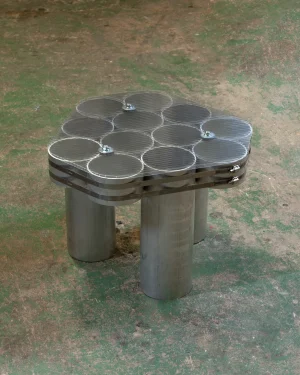
Bundle 2 Side Table in Upcycled Aluminum
By Nolan Talbot-Kelly
€1.400 -
 In stock
Revolve No. 03 Side Table in Scagliola and Natural Wax
By Flensted Mouritzen
€2.548 -
 In stock
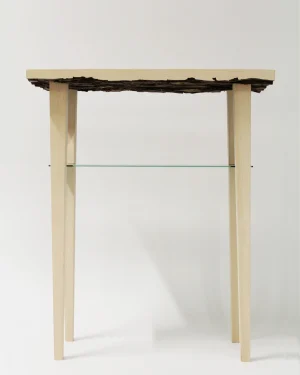
Reflecting Side Table in Birch Wood
By Olle Sahlqvist
€3.000 -

Black Tripod High Side Table in Paper Pulp and Cement
By Donatas Žukauskas
€1.250 -
 In stock
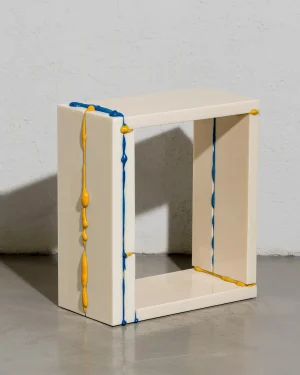
B.S.P. Series Side Table in Recycled Plastic
By Atelier SOHN
Price Upon Request -
 In stock
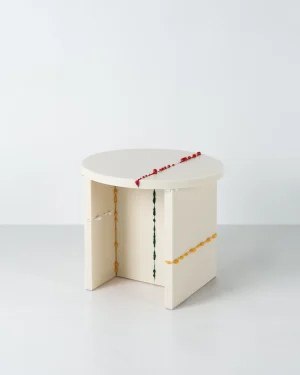
B.S.P. Series Side Table in Recycled Plastic
By Atelier SOHN
Price Upon Request -
 In stock
B.S.P. Series Black Edition Side Table in Recycled Plastic
By Atelier SOHN
Price Upon Request -
 In stock
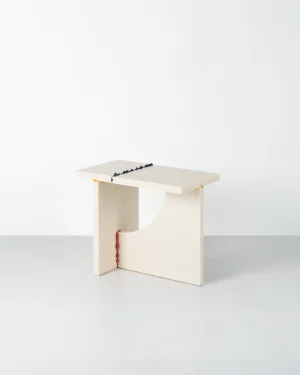
B.S.P. Series Side Table in Recycled Plastic
By Atelier SOHN
Price Upon Request -
 In stock
B. S. P Series, Black Edition – Recycled Plastic Stool
By Atelier SOHN
Price Upon Request -
 In stock
B.S.P. Series Black Edition Side Table in Recycled Plastic
By Atelier SOHN
Price Upon Request -
 Sold
SoldCypress #6 Side Table in Cypress Wood and Stoneware
By Studio Kloak
€2.500 -

Lo Blox Side Table in Mycelium and Birch Wood
By Myceen
Price Upon Request
Biomaterial side tables are made from materials grown, recycled, or reclaimed rather than drawn from conventional industrial supply chains: mycelium pressed into form, recycled plastics remolded, by-products of agriculture or quarrying bound into new surfaces. Studios working this way favor biofabrication, hand-building, and concrete or mould casting over mass production, often turning offcuts, husks, or waste streams into a stable, weighted object. The result sits closer to a geological or botanical specimen than a manufactured good, and it ages according to what it is made of rather than how it was finished.
What Defines a Biomaterial Side Table
These pieces are defined less by a single look than by origin. A table might be cast from fiber-cement, built up from recycled plastic granules, or grown from mycelium and dried into a rigid shell. Stone and concrete versions carry mineral weight and cool to the touch; leather-wrapped or paper-based pieces read lighter and warmer. What they share is a visible link back to raw matter, often left legible in the surface rather than disguised under lacquer.
Materials, Finishes, and Editions on ADORNO
The range changes as studios and stock shift, but recurring threads include:
- Materials such as recycled plastic, stone, concrete, fiber-cement, aluminum, leather, and other by-products
- Colors from black, gray, and beige through to pastel pink and multicolor mixes, usually a function of the raw material rather than added pigment
- Styles spanning contemporary, sustainable, brutalist, neo-industrial, and minimalist, depending on how exposed the material is left
- Techniques including biofabrication, hand-building, concrete casting, metalwork, and mould making
- Editions ranging from open runs to limited editions and unique, one-off pieces where the casting or hand process makes no two exactly alike
For a wider view of what these materials do across other furniture types, the full range of biomaterial furniture and every biomaterials piece on ADORNO shows how the same processes carry into seating, lighting, and objects.
How to Choose a Biomaterial Side Table
Scale matters more with these pieces than with conventional tables, since density and surface texture read differently at different sizes. A low, stone-like or concrete form sits well beside a sofa arm; a taller, lighter-bodied piece in recycled plastic or paper composite works better as a bedside support. Match the top height roughly to the arm of the adjacent seat or to mattress height for bedside use, and consider how the material's finish, matte, rough-cast, or polished, will sit against the surrounding floor and wall tones.
Placement also depends on weight. Stone, concrete, and fiber-cement versions carry real mass and suit a fixed spot; lighter biofabricated or recycled-plastic tables can move between a reading corner and an entry console as needed. For side tables generally, including wood-based alternatives, the wooden side tables range offers a useful point of comparison in weight and finish.
Where These Pieces Fit
Biomaterial side tables suit rooms where material honesty is part of the intent: a living room built around natural light and texture contrast, a bedroom kept deliberately simple, or an entry where a single object sets the tone. They pair easily with the entryway side tables made for first impressions, and read comfortably within a broader contemporary side tables scheme that favors raw over polished surfaces.
Care by Material
Stone and concrete resist daily wear but can stain from oil or acidic liquids, so a coaster or mat protects the surface over time. Fiber-cement and cast composites tolerate damp cloths but not prolonged standing water. Mycelium-based and paper-based pieces prefer dry conditions and indirect light, since sustained moisture or direct sun can soften or discolor them. Across the full side tables range, matching care to material keeps the surface reading as intended for years rather than months.
How do I choose a biomaterial side table?
Start with the material behind it, recycled plastic, fiber-cement, or a by-product base each carry different weight and finish. Match that surface and tone to the seating or bed it will stand beside.
What are biomaterial side tables made of?
Many draw on recycled material, by-products, recycled plastic, or fiber-cement, sometimes built up through biofabrication or hand-building. Each material ages and marks differently, so check the specific piece's page for care notes.
How do I care for a biomaterial side table?
Wipe with a dry or slightly damp cloth and keep pieces away from direct heat or standing water, since many biomaterials stay porous. For a specific piece, chat with the maker on its page for exact care steps.
What size and height should a side table be?
Most side tables sit close to the arm height of a sofa or the mattress line of a bed, so reach stays easy. Confirm exact dimensions with the maker on the piece's page before ordering.
Which rooms suit a biomaterial side table?
Living rooms, bedrooms, and reading corners all take well to these tables, where their texture adds contrast beside upholstery or bedding. They work equally as a lamp stand or a small landing spot for daily objects.
What are ADORNO's shipping and return policies?
Shipping is insured and sent worldwide, with a 14-day return policy except on made-to-order pieces. Every piece arrives with a certificate of authenticity, backed by a lowest-price guarantee.