
-

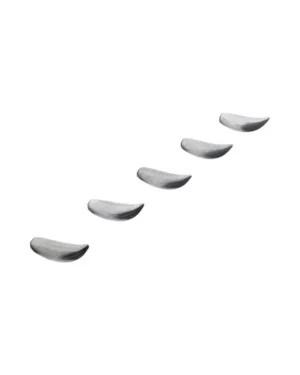
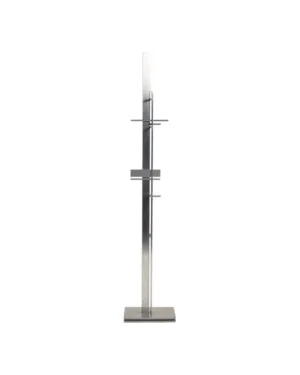
Joinery No.1
By Theodóra Alfreðsdóttir
€58 -

Tudo – Hallway Bench With Coat Rack & Mirror
By atelier PASSARELLI
€2.435 This product has multiple variants. The options may be chosen on the product page -

The Control Panel
By ilan
€280 This product has multiple variants. The options may be chosen on the product page -
 In stock
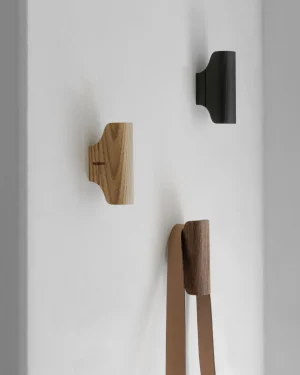
Nigiri – Set Of 3 Wooden Coat Racks
By Peca Mobiliario
€450 -
 In stock
Hooks – Beech Wood Wall Hooks
By raawii
€240 - €600 This product has multiple variants. The options may be chosen on the product page -

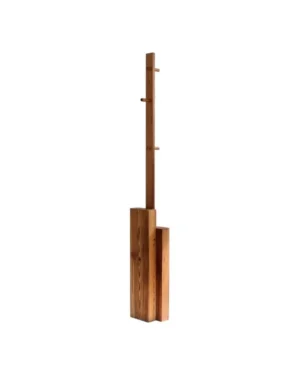
Mastro – Pinho De Riga Coat Stand
By Estúdio Simbiose
€1.350 -

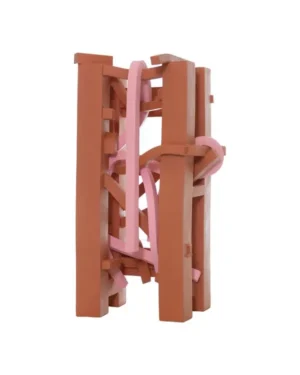
Medusa
By Design VA
€1.325 -
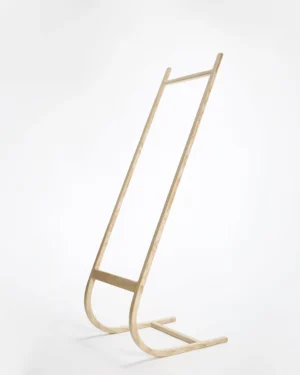
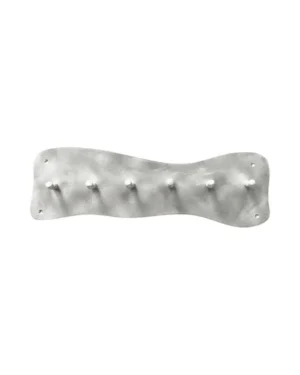
Statera Mute Servant
By studiolehn
€416 -
 In stock
The Magnetic Clipboard
By ilan
€99 This product has multiple variants. The options may be chosen on the product page -
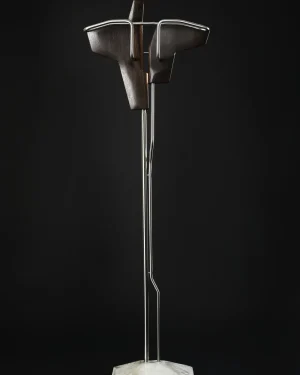
Gentleman’s Valet Stand Handcrafted in Wenge Wood
By Szostak Atelier
€9.000 -

Check Coat Rack
By noknok
€1.500 -

Coat Stand, Objects Of Service – Coat Stand
By Haritini Gritzali
Price Upon Request -

Mára – Coat Stand & Stool
By atelier PASSARELLI
€1.545 This product has multiple variants. The options may be chosen on the product page
Wooden hooks & coat stands bring the grain, weight and warmth of timber into the entryway, the bedroom or the office, made by studios working in solid wood and in wood and cabinetmaking traditions that span joinery, turning and steam bending. Each piece draws on the character of a single species, left visible rather than hidden, so the surface itself becomes part of the design. Some stands are turned on a lathe, some hooks are carved by hand, and others are built from joined panels, but the material always does the talking.
What defines this material in hooks and stands
Wood brings a density and a tactility that steel and glass cannot match. A hook turned from a dense hardwood carries a coat and a bag without flexing, while a slender ash or oak stand still holds real weight because the grain runs the length of the piece. The surface ages rather than wears: it darkens slightly with handling, picks up a soft patina near the hooks, and shows the marks of years without looking tired.
Species, finishes and techniques on ADORNO
Walnut and oak wood appear often for their density and their closed, even grain, good for hooks that take daily use. Ash wood and tzalam wood bring lighter, more open figuring, suited to stands meant to read as sculptural objects as much as storage. Finishes stay largely natural, letting the wood's own tone carry the color rather than a painted coat, though some studios pair a timber base with painted steel or powder-coated metal fittings for contrast.
Techniques vary with the form:
- Wood carving and woodturning shape rounded hooks, pegs and freestanding stand bases.
- Joinery and cabinetmaking build angular wall racks and multi-arm stands from joined solid sections.
- Steam bending curves a single length of timber into a stand's silhouette without cutting across the grain.
- Metal casting or metalwork sometimes supplies a hook's fitting or a stand's foot, set into the wood.
Editions range from open runs, made in ongoing small batches, to limited editions and unique pieces turned or carved one at a time, where each surface varies slightly because the timber itself does.
Choosing scale, height and finish
A single wall hook sits by feel more than by rule, though a run of hooks reads best spaced evenly along a rail or batten at a height that clears most coats. Freestanding stands need a base wide enough, relative to their height, to carry a loaded coat or umbrella without tipping. Matching the wood tone to existing furniture, or deliberately contrasting it with a darker floor or a pale wall, changes how much presence the piece has in a room.
Where wooden hooks and stands work
An entryway or hallway is the obvious home for a stand or a run of hooks, anchoring the first impression of a room with warmth rather than hardware. The same forms suit a bedroom corner, a bathroom door or a studio, anywhere coats, towels or bags need a place that does not disappear into a closet. For smaller entries and hallways specifically, see the entryway hooks & coat stands and hallway hooks & coat stands, where scale is kept intentionally compact.
Living with and caring for wood
Wood prefers a stable room, away from direct heat sources that can dry and crack it, and away from damp that can swell a joint. A light wipe with a dry or barely damp cloth keeps the surface clean; an occasional oil or wax, matched to the original finish, keeps the grain from drying out over years of hands and coats passing over it.
For the full range of timber pieces, see every wood piece on ADORNO, or step back to view all hooks & coat stands across materials. Those drawn to a pared-back look might also look at minimalist hooks & coat stands, while matching pieces for the rest of a room can be found among wooden furniture.
How do I choose a wooden hook or coat stand?
Match the wood tone to existing furniture, and consider weight: a freestanding stand needs a stable base, while wall hooks need solid backing to carry coats and bags.
How do you care for wooden hooks and coat stands?
Wipe with a dry or slightly damp cloth, keep away from direct heat and moisture, and apply oil or wax occasionally to keep the grain from drying out.
What height should a coat stand or wall hook be?
Freestanding stands generally stand between chest and head height, while wall hooks sit at a reachable level for the shortest regular user, often between shoulder and eye height.
Which rooms suit wooden hooks and coat stands?
Entryways and hallways are the natural fit, though wood's warmth also works well in bedrooms, offices or mudrooms where coats and bags need a place to hang.
Does wood grain or color vary between pieces?
Yes, as a natural material, wood shows variation in grain, knots and tone from one piece to the next, which is part of its character rather than a flaw.
What are ADORNO's shipping, returns and authenticity policies?
Shipping is insured and worldwide, returns are accepted within 14 days except on made-to-order pieces, and each piece arrives with a certificate of authenticity.