
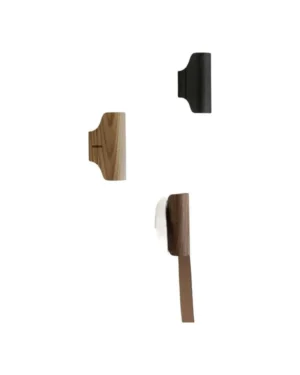
-
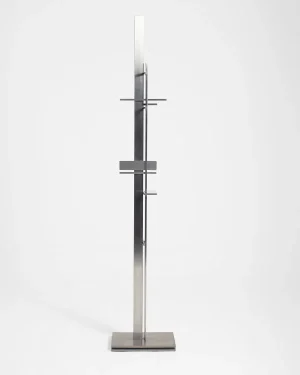
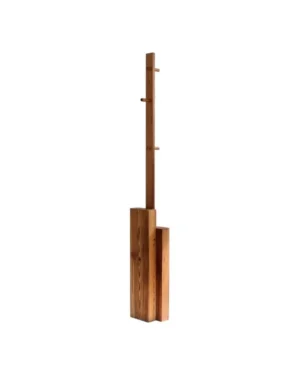
Dash – Handmade Sculptural Coat Rack
By Yet Design Studio
€1.200 - €1.380 This product has multiple variants. The options may be chosen on the product page -
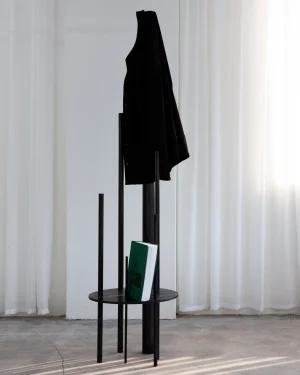
Standing Hanger Entryway Table in Black-Painted Steel
By PRACTICE
€1.135 -

The Control Panel
By ilan
€280 This product has multiple variants. The options may be chosen on the product page -

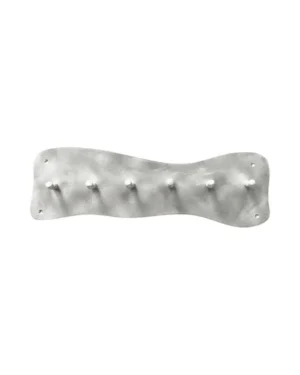
MÁra Coat Rack In 304 Stainless Steel
By atelier PASSARELLI
€2.000 -
 In stock
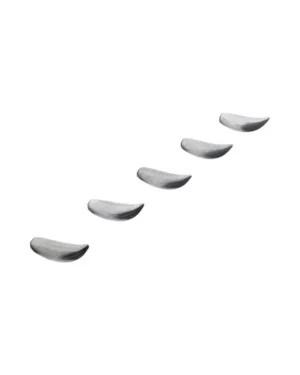
Ore Knobs
By Studio Kloumi
€110 This product has multiple variants. The options may be chosen on the product page -
 In stock
Luup- Wall Hook
By narratology
€230 - €578 This product has multiple variants. The options may be chosen on the product page -

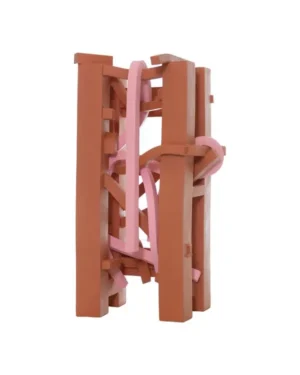
Medusa
By Design VA
€1.325 -

All Direction – Coat Stand
By Metalmorphosis Studio
€1.082 -

Sama – Black Coat Stand With Umbrella Holder
By Studio Kali
€1.600 This product has multiple variants. The options may be chosen on the product page -
 In stock
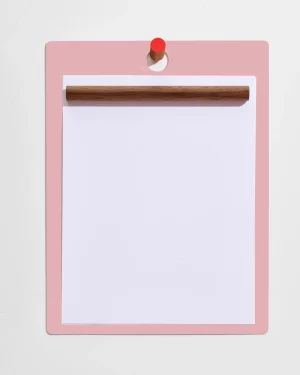
The Magnetic Clipboard
By ilan
€99 This product has multiple variants. The options may be chosen on the product page -
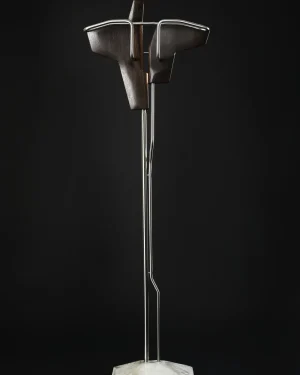
Gentleman’s Valet Stand Handcrafted in Wenge Wood
By Szostak Atelier
€9.000 -

Check Coat Rack
By noknok
€1.500 -
 In stock
Itauna Hanger
By studiomakuko.com
€800 This product has multiple variants. The options may be chosen on the product page -

Sama – Coat Stand With Wire Umbrella Holder
By Studio Kali
€1.600 This product has multiple variants. The options may be chosen on the product page
Steel hooks & coat stands bring a cool, structural presence to the entryway, made by studios who work steel through welding, metal casting and powder coating into forms that hold coats, bags and keys without apology. The material reads as straightforward and load-bearing, the opposite of a soft textile hook, and it tends to outlast the furniture around it. Finishes range from raw and brushed to painted or patinated, so the same basic form can sit quietly in a hallway or announce itself in an office.
What defines steel in this kind of piece
Steel is dense and rigid, so a single hook or a slim upright can carry weight that a wooden peg of the same size could not. Studios lean on this: a thin steel rod, welded or bent, does the job a thicker timber arm would need to do. The trade-off is weight and, on some finishes, a willingness to show fingerprints or scratches, which is part of why so many pieces arrive powder coated or painted rather than left bare.
Finishes, colors and editions found here
Within steel, the range usually includes stainless steel for a colder, mirror-like surface, painted steel in black, white, charcoal or red for a flatter, opaque finish, and patinated steel for warmth without wood. Styles span Neo-Industrial frames that keep the weld lines visible, Minimalist uprights pared back to a single line, and the odd Brutalist or Art Deco form that treats the stand as a small sculpture. Editions run from open runs made to a standing design through to limited editions and unique pieces, where the brief for a particular work calls for it.
How to choose a steel hook or coat stand
Start with scale: a wall hook sits with its top edge roughly at shoulder height for the household that will use it, while a floor stand needs a footprint wide enough that it will not tip once two or three coats hang from one side. Finish matters as much as form. A raw or brushed steel will show marks and develop a faint patina over years, while a powder-coated or painted surface stays flat and even and is easier to wipe clean.
Placement follows the same logic as any steel furniture: a single wall-mounted hook or a short row works in a narrow hallway, while a floor-standing piece wants enough clearance to be walked around rather than squeezed against a wall. A short list of questions helps narrow the search:
- Wall-mounted or free-standing, and is there floor space to spare?
- Raw, brushed or painted steel, and how much maintenance is that worth?
- Open edition for daily use, or a limited or one-off piece for a room that can treat it as an object?
Rooms and pairings
Entryways and hallways are the obvious fit, where a steel stand absorbs the daily traffic of coats and bags near the door; see the dedicated pages for entryway hooks & coat stands for that use specifically. The same forms work in a bedroom corner for the next day's clothes, or in a study or studio where a single wall hook keeps a jacket off the back of a chair. Because steel reads as cool and architectural, it pairs easily with other steel pieces in a room, including steel furniture more broadly, without competing with warmer wood tones nearby.
Care
Dust with a dry or lightly damp cloth; steel does not absorb moisture the way wood does, but standing water can mark a raw or patinated surface over time. Painted and powder-coated pieces are the most forgiving and can be wiped with a mild household cleaner. For anyone comparing materials before deciding, it is worth looking across the full range of hooks & coat stands, the narrower set of metal hooks & coat stands, and every steel piece on ADORNO to see how the material behaves across other forms.
How do I choose a steel hook or coat stand?
Consider the weight it needs to carry and the floor or wall it meets. A freestanding stand suits a shifting layout, while a wall-mounted hook holds steady in a fixed spot.
How do you care for steel hooks and coat stands?
Wipe with a dry or slightly damp cloth and avoid abrasive cleaners. Powder-coated or painted steel resists scratches, while bare or patinated steel may develop a deeper tone over time.
What height should a coat stand or wall hook be?
Freestanding stands generally stand tall enough to hold coats clear of the floor, while wall hooks sit at a height that suits daily reach, often just above shoulder level.
Which rooms suit steel hooks and coat stands?
Steel holds up well in entryways and hallways, where coats, bags, and umbrellas pass through daily, and its firm structure carries weight without sagging.
Does steel rust or need special upkeep?
Stainless steel resists rust well, while painted or powder-coated steel adds a protective layer. Keep pieces dry and away from prolonged damp to preserve the finish.
What are ADORNO's shipping, returns, and authenticity policies?
Shipping is insured and worldwide. Returns are accepted within 14 days, excluding made-to-order pieces, and every purchase includes a certificate of authenticity along with a lowest-price guarantee.