
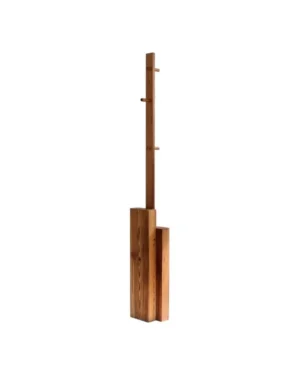
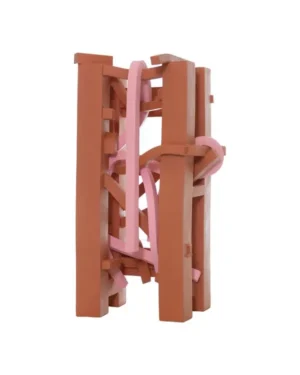
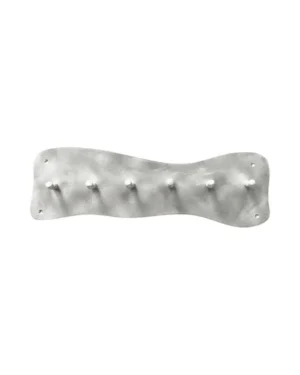
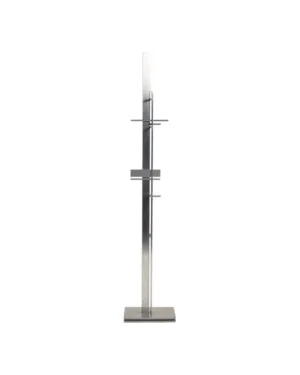
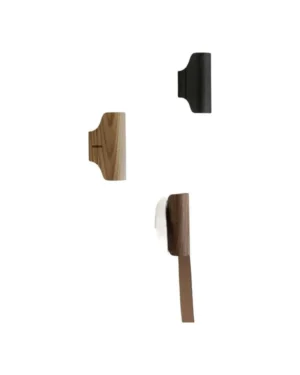
-
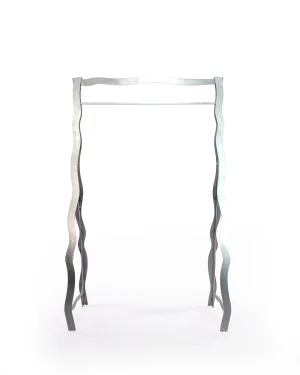
Contemporary Vanity Hanging Rail
By Six Dots Design
€1.150 - €1.350 This product has multiple variants. The options may be chosen on the product page -
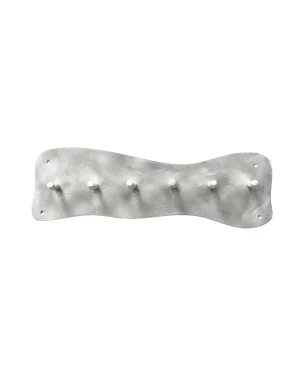
Aluminum Wall Coat Rack
By Six Dots Design
€196 -
 In stock
“catch” Hook
By Tinna Gunnarsdóttir
€230 -
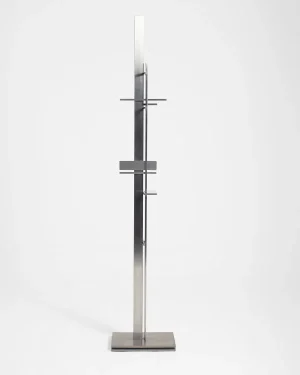
Dash – Handmade Sculptural Coat Rack
By Yet Design Studio
€1.200 - €1.380 This product has multiple variants. The options may be chosen on the product page -

Taffy Hooks
By Studio Ebba Lindgren
€60 This product has multiple variants. The options may be chosen on the product page -
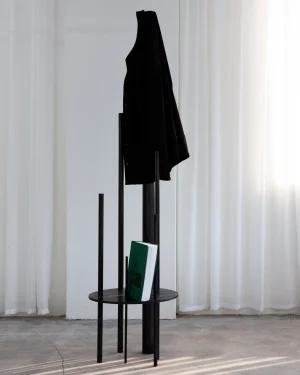
Standing Hanger Entryway Table in Black-Painted Steel
By PRACTICE
€1.135 -

The Control Panel
By ilan
€280 This product has multiple variants. The options may be chosen on the product page -

MÁra Coat Rack In 304 Stainless Steel
By atelier PASSARELLI
€2.000 -
 In stock
Ore Knobs
By Studio Kloumi
€110 This product has multiple variants. The options may be chosen on the product page -
 In stock
Luup- Wall Hook
By narratology
€230 - €578 This product has multiple variants. The options may be chosen on the product page -

Medusa
By Design VA
€1.325 -

All Direction – Coat Stand
By Metalmorphosis Studio
€1.082 -

Sama – Black Coat Stand With Umbrella Holder
By Studio Kali
€1.600 This product has multiple variants. The options may be chosen on the product page -
 In stock
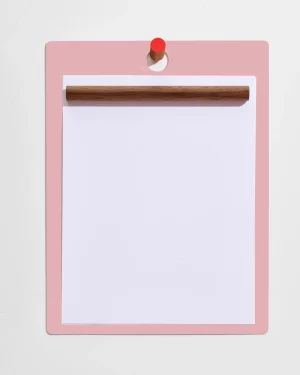
The Magnetic Clipboard
By ilan
€99 This product has multiple variants. The options may be chosen on the product page -
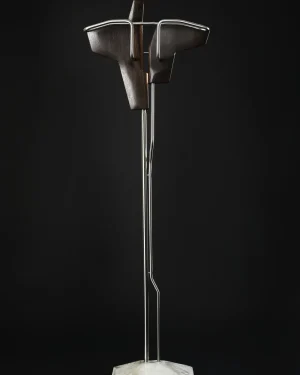
Gentleman’s Valet Stand Handcrafted in Wenge Wood
By Szostak Atelier
€9.000 -

Check Coat Rack
By noknok
€1.500 -
 In stock
Itauna Hanger
By studiomakuko.com
€800 This product has multiple variants. The options may be chosen on the product page -

Haiku – Coatrack
By Atelier Nienē
€1.800 -

Sama – Coat Stand With Wire Umbrella Holder
By Studio Kali
€1.600 This product has multiple variants. The options may be chosen on the product page
Metal hooks & coat stands hold their shape under daily use, which is why so many studios turn to steel, stainless steel and aluminum when building storage for an entryway or hallway. The material takes a weld, a cast or a laser-cut edge without losing its line, so a single hook can stay slender and still carry a winter coat. Finishes move from raw and brushed metal to powder coated color, each one changing how the piece reads against a wall.
What defines metal hooks & coat stands
Steel is the starting point for most of this work. It is stiff enough to hold a coat, a bag and an umbrella from one small fixing, so the hook itself can stay compact. Stainless steel adds resistance to damp hallways and bathrooms, while aluminum gives a lighter alternative for tall, freestanding stands that need to be easy to shift.
Color comes mostly through powder coating: black, white, charcoal and red sit alongside softer metallic tones such as bronze, copper and gold. Sand casting and metal casting bring rounder, heavier forms, while welding and laser cutting favor flat bar, tube and cut sheet. Studios work across open editions, limited editions and unique pieces, so the same material can turn up as a production run or as a one-off.
Materials, finishes and techniques found in this range
- Steel and stainless steel, welded or sand cast into hooks, rails and coat stands
- Aluminum for lighter, freestanding pieces that move easily between rooms
- Painted steel in black, white, charcoal, red, bronze, copper and gold
- Metalwork, powder coating, welding, sand casting and laser cutting as the main techniques
- Open editions produced in number, alongside limited and unique pieces
Anyone drawn to a narrower set of materials can look directly at the steel hooks and coat stands made in this way, or step back to see every metal piece working across furniture, lighting and objects.
How to choose a metal hook or coat stand
Start with scale. A wall-mounted hook should sit at a height that clears a door swing and matches the people using it, usually somewhere between hip and shoulder height. A floor-standing coat stand needs a base wide enough to carry a full coat and an umbrella without tipping, so weight and footprint matter as much as the number of arms.
Finish is the second decision. Raw or brushed steel reads as neutral and will sit quietly against most wall colors, while a powder coated hook in red, gold or charcoal behaves more like a small fixture and can anchor a plain wall on its own. Matching the metal's warmth, cool steel against cool tones, warmer bronze or copper against wood, keeps the piece from fighting its surroundings.
Rooms that suit metal hooks & coat stands
An entryway is the obvious home for a coat stand, taking outerwear, bags and scarves at the door before they travel further into the house. A line of wall hooks works the same way in a narrower hallway, where floor space for a stand is limited. The same forms move comfortably into a bedroom for a dressing gown, a bathroom for towels, or a small office for a jacket and a bag, since the material does not depend on a particular room to make sense. Anyone furnishing one of these spaces can look across the full entryway hooks and coat stands or the hallway hooks and coat stands before settling on a material.
Caring for metal fittings
Stainless steel and powder coated steel both resist everyday knocks and can be wiped down with a damp cloth. Raw or unlacquered steel will show fingerprints and, in damp rooms, may need an occasional wipe with a dry cloth to keep surface rust from starting. Abrasive cleaners and metal polish can dull a powder coated finish, so a soft cloth and mild soap are usually enough to keep any of these pieces looking as they did when they were first hung. For a broader view of what else is being made in these materials and finishes, the full range of hooks and coat stands sits alongside this one.
How do I choose a metal hook or coat stand?
Match the weight of the piece to the wall or floor it sits on, and consider finish: steel and aluminum read sharp and cool, powder-coated surfaces soften the look with color.
How do I care for metal hooks and coat stands?
Wipe with a dry or lightly damp cloth, avoid abrasive cleaners, and dry metal promptly if it gets wet to prevent corrosion or water spotting.
What height should a coat stand or wall hook be?
Freestanding stands typically stand around 60 to 70 inches tall, while wall hooks sit at a height that suits daily reach, often between 48 and 60 inches from the floor.
Which rooms suit metal hooks and coat stands?
Entryways and hallways benefit from their load-bearing strength, while bedrooms and offices use them for coats, bags, or layered hanging storage.
Will a metal coat stand rust or corrode over time?
Stainless steel and powder-coated steel resist corrosion well indoors; bare or untreated metals can develop surface oxidation if exposed to moisture, so keep them dry.
What are ADORNO's shipping, returns and authenticity policies?
Shipping is insured and worldwide. Returns are accepted within 14 days, excluding made-to-order pieces. Each piece comes with a certificate of authenticity, backed by a lowest-price guarantee.