
-

Stack 131 – Raw Aluminium
By studio MOTO
€3.360 -
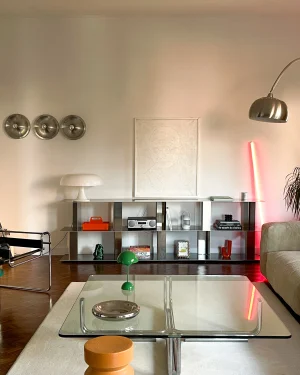
Stack 086
By studio MOTO
€2.930 -
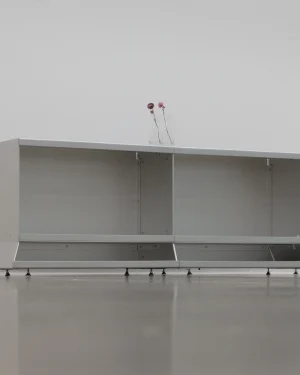 In stock
Aluminum Bench With Storage
By andykim.global
€2.217 -

Salomón Credenza – Solid Rosa Morada Wood
By Kresta Studio
€2.500 -
 In stock
Phloem, Parota Wood Carved Credenza – Cabinet
By CMX | Furniture
€15.086 -
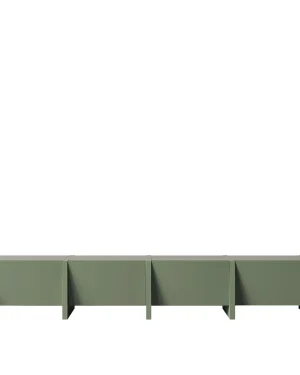
Bevel Low Console
By hermhaus
€3.405 - €4.024 This product has multiple variants. The options may be chosen on the product page -

Eoli Credenza In White Onyx, Postmodern Sideboard/cabinet
By Panorammma Atelier
€24.900 -
 In stock
Rima Credenza
By Peca Mobiliario
€5.455 -
 In stock
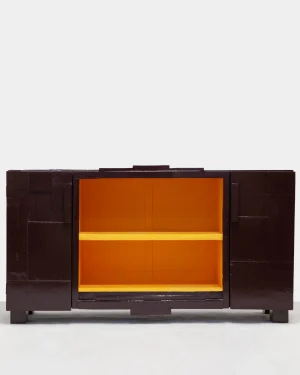
Marbelicious – Green Marble Storage Console
By Millim Studio
€9.250 -
 In stock
Practice Semi-open Credenza
By Studio Fabius Clovis
€8.900 -
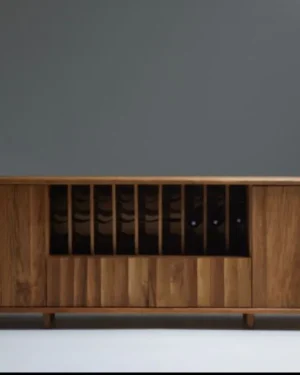
Cava Salomón – Wine Cabinet
By Kresta Studio
€3.750 -
 In stock
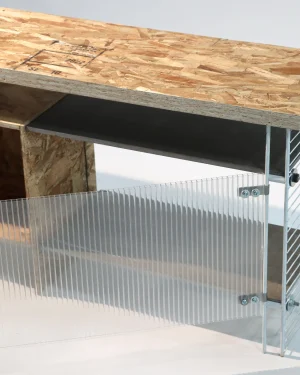
Two Halves – Upcycled Credenza
By Nolan Talbot-Kelly
€2.600 -
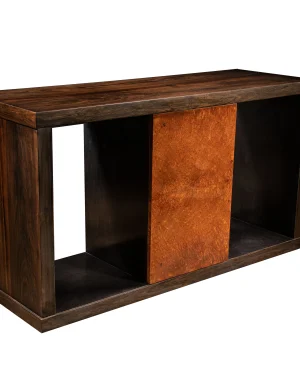
Bertolucci – Exotic Wood / Bronze Credenza
By Costantini Design
€8.147 This product has multiple variants. The options may be chosen on the product page -

Phloem, Oak Wood Carved Credenza
By CMX | Furniture
€15.086 -

Doressā – Wooden Credenza
By Moneo Brock Studio
€10.000 -
 In stock
Cabinet From The 1+1+1 Series
By AaltoAalto Studio
€2.600 -
 In stock
Cupboard
By Studio Victor Hahner
Price Upon Request -

Ramon Sideboard
By Comité de Proyectos
Price Upon Request -

Abrigo Credenza – Handwoven Wood Cylinders/ Cotton Threads
By YANKATU
Price Upon Request
Credenzas, originally used for food preparation and storage, have evolved into sophisticated furniture pieces combining utility with decorative appeal. Originating from Italy, these versatile pieces have become a staple in modern interior design, known for their sleek form and practicality. Today, credenzas are valued for their blend of style, storage efficiency, and artistic expression.
Origins of Credenza Design
- Evolved from 14th-century Italian dining room furniture used for serving food.
- Influenced by the Renaissance period, embodying elegance and craftsmanship.
- Transitioned from traditional to contemporary designs, influenced by various design movements.
- Modern credenzas incorporate a blend of historical elements and innovative design techniques.
Components of Credenzas
- Wood: Predominantly used material, ranging from classic hardwoods to modern engineered varieties.
- Metal Accents: Often used for handles and legs, adding a contemporary touch.
- Glass: Used in door panels for a modern aesthetic, allowing display of items inside.
- Finishes: Including veneers, lacquers, and paints to enhance the visual appeal.
Techniques in Credenza Design
- Woodworking: Expert craftsmanship for robust construction and intricate details.
- Modern Fabrication: Utilizing advanced techniques for precision and innovative designs.
- Sustainable Practices: Emphasizing eco-friendly materials and production methods.
- Customization: Tailoring design elements to client preferences and contemporary trends.
Current Uses of Credenzas
- Storage Solutions: Offering ample space for organization in homes and offices.
- Design Statement: Serving as a focal point in interior design, blending functionality with artistry.
- Versatility: Adaptable for various settings, from traditional dining rooms to modern living spaces.
- Benefits: Enhancing interior aesthetics while providing practical storage and display options.
The Essence of Credenzas
Credenzas represent a fascinating intersection of art, design, and functionality. They reflect a journey from practical dining room furniture to iconic design pieces in modern interiors. Each credenza, with its unique style and craftsmanship, tells a story of evolution, creativity, and functionality.