-
 In stock
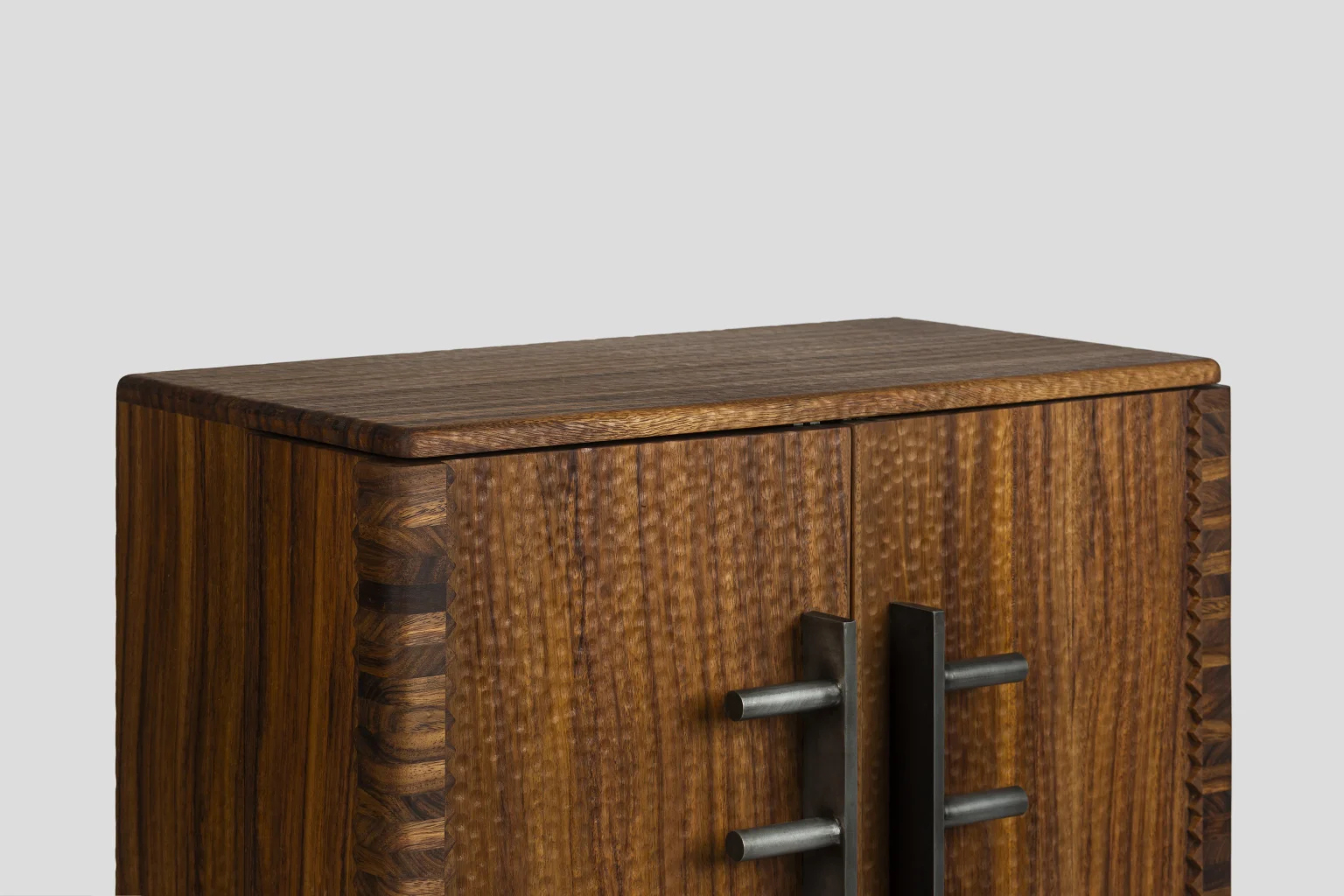
Obsidian Console | Burned Solid Oak
By NO AGE STUDIO
€4.060 -

Eoli Credenza In White Onyx, Postmodern Sideboard/cabinet
By Panorammma Atelier
€24.900 -
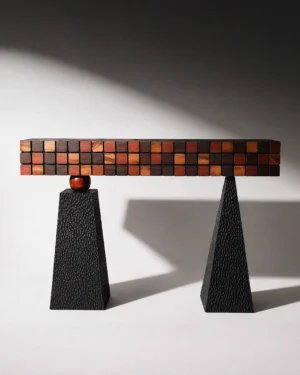
Caapora Console
By Estudio Leonardo Zanatta
€7.150 -
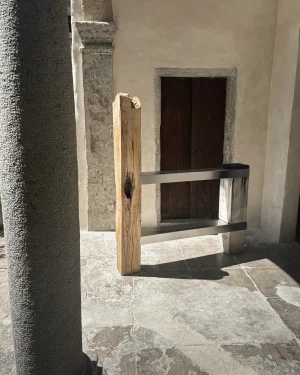 In stock
Ice Beech Wood Sideboard
By case studios
€1.810 -
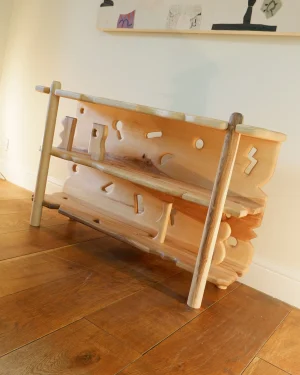
Cut Out Ash Wood Sideboard
By Josh Page Studio
€1.790 -
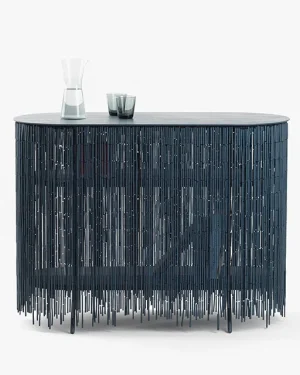
Keefer Console
By Calen Knauf Studio
€13.062 -
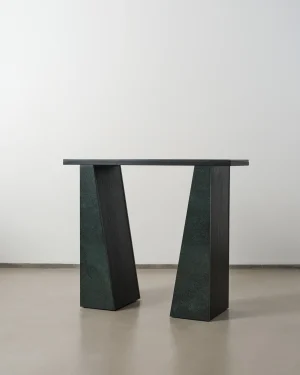
Eterno Console Table, Diabase Volcanic Stone, Black Oak
By Studio Mohs
€7.725 -
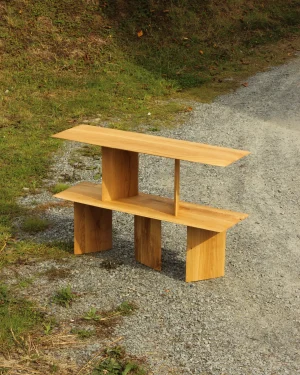 Sold
SoldGavrinis Sideboard – Solid Oak Wood
By Vital Lainé
€2.500 -

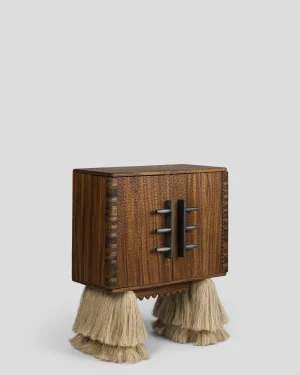
Ramon Sideboard
By Comité de Proyectos
Price Upon Request -
 Sold
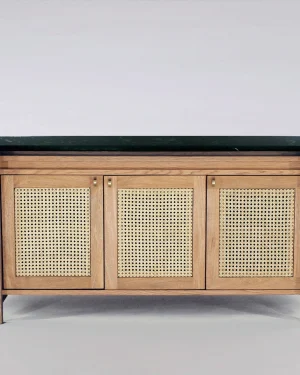
SoldCarmen Bar Cabinet
By Comité de Proyectos
Price Upon Request -
 Sold
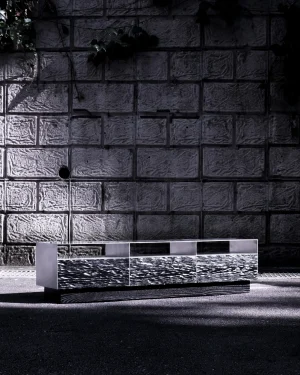
SoldAvenida Mexico Sideboard
By Comité de Proyectos
Price Upon Request -
 In stock
Yunseul Series – Ash & Steel Sideboard
By Woohyun Han
Price Upon Request
Wooden sideboards are storage pieces built around a solid or veneered wood carcass, chosen by studios for the way the grain reads across a long horizontal surface. Oak, ash and other hardwoods dominate the work on ADORNO, prized for their density, their resistance to warping and the honey, amber or smoke tones they take on with age. Some studios pair timber with steel or stainless steel legs and hardware, letting the metal carry the visual weight the wood does not need to.
Wood, finish and color
Solid oak and ash wood are the backbone of this group, chosen because they machine cleanly, hold joinery well and darken gracefully rather than yellowing. Hardwood more broadly covers walnut, beech and similar species worked by cabinetmaking studios into doors, drawers and plinths that keep their shape under daily use.
Finish does as much work as species. A cream or gray stain opens up a pale wood and softens the grain, dark brown and black finishes push oak or ash toward something heavier and more architectural, and a touch of green sits well against natural timber in an eclectic room. Charred wood, finished through shou sugi ban charring, goes further still: the surface is burned, brushed and sealed until it reads almost black, with a texture that is part scorched, part polished.
Styles and techniques behind the pieces
Within wood, the styles range widely. Minimalist sideboards favor flat fronts, hidden handles and a single wood tone, while mid-century modern pieces lean on tapered legs, visible joinery and warmer stains. Maximalism and surrealism show up in sideboards that treat the front panel as a canvas, often through marquetry, where thin veneers of contrasting wood are inlaid into pattern, or through wood carving and stone carving details set into an otherwise plain case.
Other studios work the wood on a lathe, using woodturning for legs, handles or sculptural feet, or combine traditional cabinetmaking with metalwork accents in brass or steel. A smaller number explore biofabrication and other sustainable methods, pointing to where wood furniture is heading rather than where it has been. Editions vary by studio: some sideboards are open editions made to order, others are limited editions or unique pieces where no two casings are quite the same.
Choosing a wooden sideboard for a room
Scale and height matter before finish. A sideboard usually sits low enough to double as a sightline break in a living or dining room, and long enough to anchor a wall without crowding the furniture around it.
- In a dining room, a darker oak or charred wood piece grounds the table and holds serving ware within reach.
- In an entryway, a narrower ash or hardwood sideboard in a lighter finish keeps the space from feeling closed in.
- In a living room, a contemporary or minimalist case in cream or gray reads as quiet storage rather than a display piece.
Door and drawer hardware is worth checking too: recessed handles keep a minimalist front flat against the wall, while turned wood or metal pulls suit a more mid-century or eclectic room.
Living with wood over time
Solid wood moves slightly with changes in humidity, so a stable room, away from direct heat sources, keeps joints and drawer runners working as they should. Oiled or waxed oak and ash benefit from an occasional reapplication to keep the surface fed and the color even; charred finishes need little beyond a dry cloth, since the burned layer itself resists moisture and wear. For the full range of case pieces in this material, the wood pieces on ADORNO extend well beyond storage into seating and tables. Those furnishing a whole room might also look at wooden furniture generally, or narrow back to sideboards across every material, and to minimalist sideboards for a quieter take on the same storage.
How do I choose a wooden sideboard?
Consider the wood tone against your existing floors and furniture, the depth you need for storage, and whether a lighter oak or darker charred finish suits the room's light.
What wood is best for a sideboard?
Oak and ash are common for their strength and grain, while charred wood offers a darker, textured surface. Each wood type ages differently, developing color and character over years.
How do I care for a wooden sideboard?
Keep wood away from direct heat and sustained sunlight to prevent warping or fading, and wipe with a dry or slightly damp cloth. Occasional oiling or waxing keeps the grain from drying out.
What size sideboard should I get and how tall should it be?
Sideboards typically stand at a height that clears a wall-mounted outlet and sits below eye level, keeping the top surface usable for display. The maker can confirm exact dimensions for a specific piece.
Which rooms suit a wooden sideboard?
Wood brings warmth to dining rooms and living rooms alike, anchoring the space while offering storage for linens, dishware or media equipment.
What are ADORNO's shipping and return policies?
Shipping is insured and worldwide. Returns are accepted within 14 days, except for made-to-order pieces, and every piece comes with a certificate of authenticity.