-
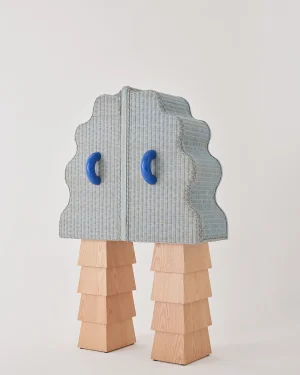
Ventura Cabinet
By Joyful Objects, Yes!
€6.900 -

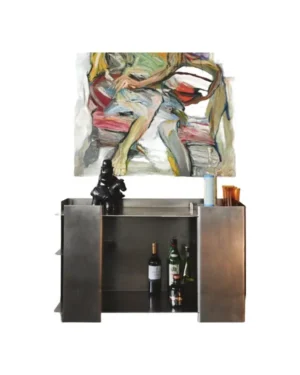
Vilma Display Cabinet
By Comité de Proyectos
€15.800 -

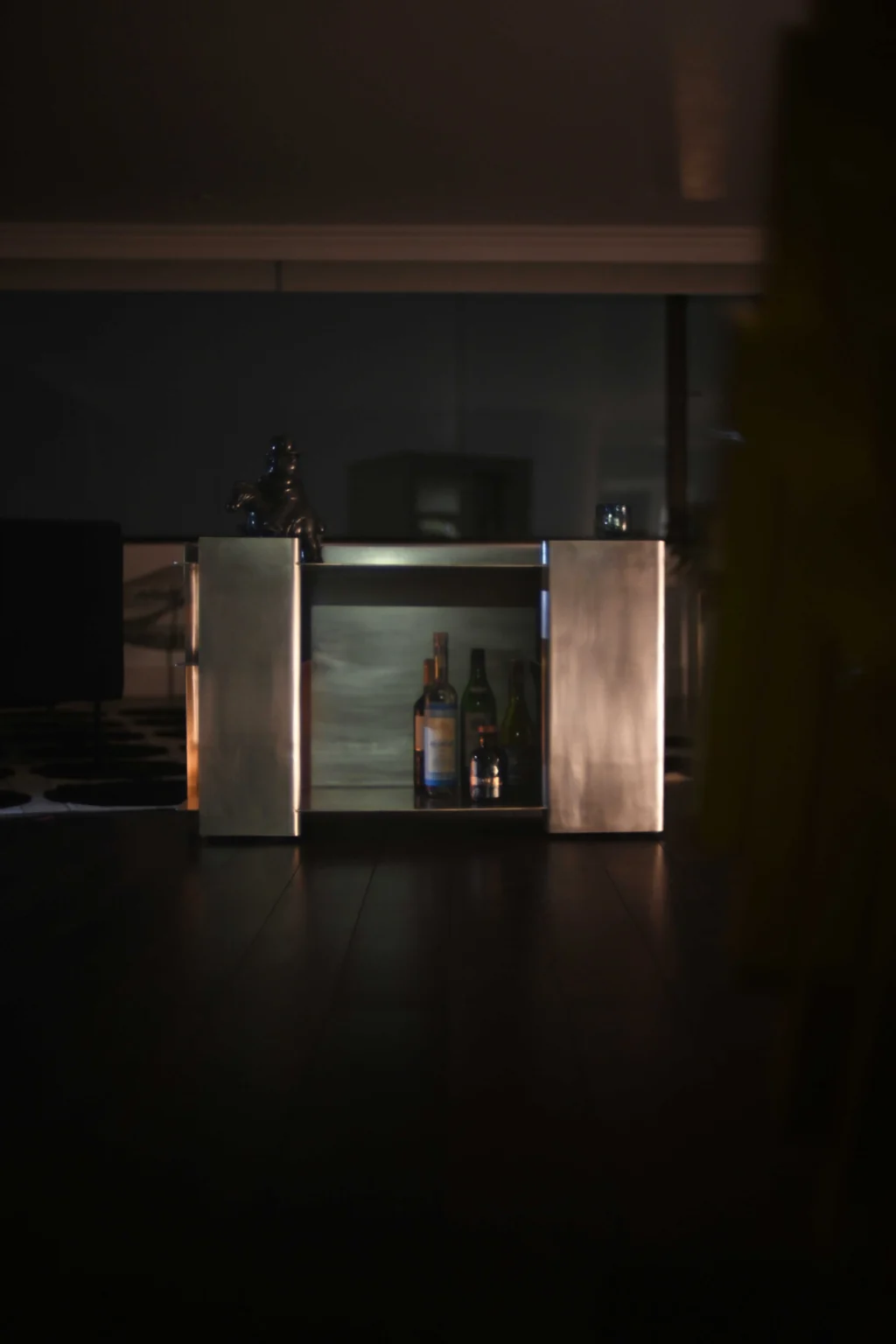
Carmen Bar Cabinet
By Comité de Proyectos
€10.900 -
 In stock
Rosomak – Garage Unit Wood Cabinet
By StorqueStudios
€1.794 -

Jose Bar
By PROSA
€5.200 -
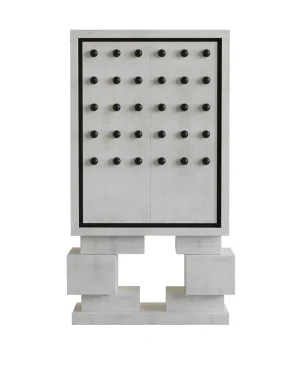
Sculpt – Bar Cabinet
By hermhaus
€4.829 -

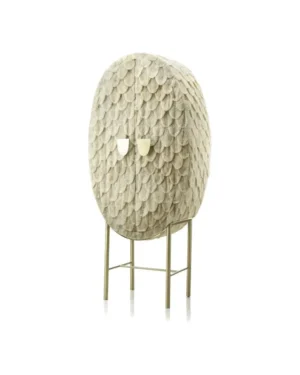
Brocado Cabinet – Cabreúva Wood / Embroidered Glass
By YANKATU
€5.100 -

Timujin Wenge Wood Cabinet
By Brett Paulin
€11.366 -
 In stock
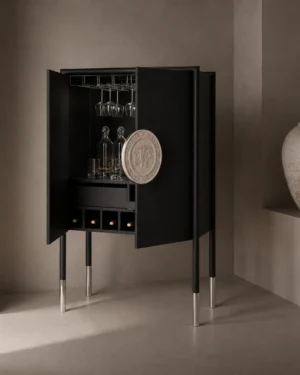
Puduhepa Liquor Cabinet
By MARAU
€25.000 -

Das Bar Cabinet
By Nathan Chintala
€14.500 -
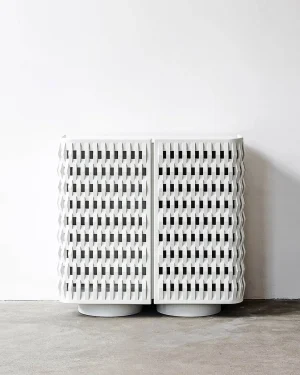
Chain Mail (two-door Cabinet)
By ZEMNA
€6.000 -
 In stock
Perfidia_01 Solid Wood & Casted Bronze Bar Cabinet
By ANDEAN
€12.551 -
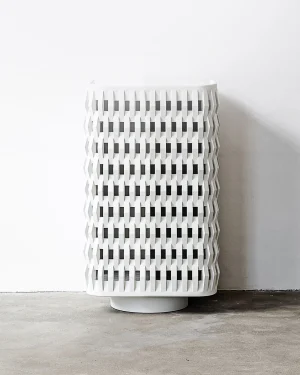
Chain Mail (single-door Cabinet)
By ZEMNA
€3.760 -
 In stock
Capri – Drink Cabinet
By Lebanto
€10.500 -
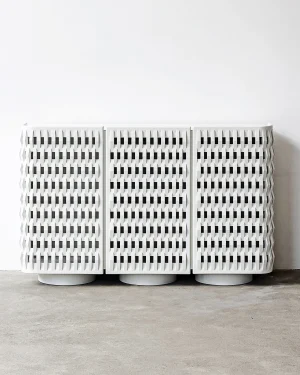
Chain Mail (three-door Cabinet)
By ZEMNA
€8.000 -
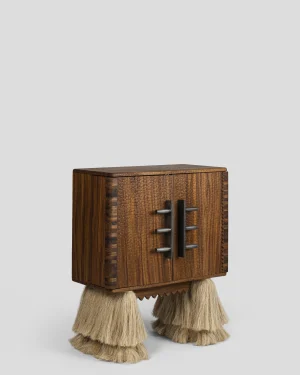
Carmen Bar Cabinet
By Comité de Proyectos
Price Upon Request -
Sold
Vilma Display Cabinet
By Comité de Proyectos
€9.614
Wooden bar cabinets bring solid timber and veneered panels together with the joinery and cabinetmaking that has shaped case furniture for generations. Within bar cabinets worked in wood, independent studios favor dense hardwoods and tropical species such as parota wood for their weight, grain, and the way they take a finish. Some stay close to the tree with an oiled or waxed surface, others move toward lacquer, hand painting, or brass and metalwork detailing, but the timber frame and the hand that joined it stay constant underneath.
What Sets Wood Apart in a Bar Cabinet
A bar cabinet asks a lot of its material: it has to carry the weight of bottles and glassware, swing doors smoothly for years, and still read as a piece worth looking at when closed. Wood answers this with structural honesty. Solid hardwood resists warping better than softwood once it is properly dried and joined, while plywood, built from cross-layered veneers, offers stability across wide panels without the movement solid timber shows in changing humidity.
Grain is part of the design here, not a backdrop to it. Walnut and parota wood darken and deepen in tone with age and light exposure, so a cabinet bought pale will not stay that way, and most studios treat this shift as part of the piece's character rather than a flaw to prevent.
Species, Finishes, and Techniques Found Here
The wooden bar cabinets found on ADORNO span a working range of species, colors, and making methods rather than one fixed look. Hardwood and parota wood sit alongside plywood construction, with surfaces finished in black, off-white, beige, or left in a natural tone that shows the grain directly.
- Techniques: wood and cabinetmaking, joinery, CNC milling, hand painting, lacquering, and metalwork detailing in brass
- Styles: contemporary, mid-century modern, neo-artesanal, minimalist, and conceptual approaches to the same basic cabinet form
- Editions: open editions alongside limited editions and unique pieces, where a studio works a given design only a handful of times or once
For a wider view of how these species and techniques appear outside this category, wood pieces across ADORNO cover seating, tables, and lighting worked in the same spirit.
Choosing the Right Scale, Height, and Finish
Scale decides how a wooden bar cabinet reads in a room before anything inside it is seen. A tall, narrow cabinet reads as a vertical object and suits a wall it can stand against uninterrupted, while a lower, wider form behaves more like a credenza and can sit behind seating without blocking a sightline.
Finish matters as much as form. A matte oiled surface absorbs light and sits quietly in a room full of other wood tones, while a lacquered or glossy finish catches light and works better as a single bright note. Check how doors and drawers are built, since dovetailed or finger-jointed joinery will outlast cabinets held together with fasteners alone, and this shows most under daily use.
Where a Wooden Bar Cabinet Belongs
Living rooms and dining rooms remain the natural setting, since a bar cabinet is built to be opened in front of guests and closed again as ordinary furniture. A piece in dark walnut or wenge-toned hardwood can anchor a seating arrangement the way a dark wood console or sideboard would, while a paler finish keeps a smaller room from feeling heavy.
Placement near a dining table shortens the distance between pouring a drink and serving it, though any wooden cabinet does better away from direct sun and heating vents, which dry and fade timber over time. For other wood furniture that shares this logic of material first, wooden furniture across ADORNO, along with wooden tables and wooden seating, follows the same grain-led approach to finish and construction.
Caring for Wood Over Years of Use
Wood responds to its surroundings, so stable humidity does more for a bar cabinet than any single product.
A light coat of furniture wax or oil, applied once or twice a year depending on the finish, keeps hardwood surfaces from drying out and keeps the grain of parota wood or walnut reading clearly rather than dulling.
How do I choose a wooden bar cabinet?
Start with the room's scale and how the piece will be used, for display or for daily pouring. A dense hardwood with joinery details suits a formal dining room, while a lighter plywood or CNC-milled form fits a more relaxed living space.
What wood is best for a bar cabinet and how do I care for it?
Hardwoods like walnut and oak resist dents and hold up to daily handling, while lighter woods need gentler use. Wipe with a dry or slightly damp cloth, keep away from direct heat and sunlight, and oil or wax occasionally to maintain the finish.
What size and height should a wooden bar cabinet be?
Most stand between counter and shoulder height so bottles and glassware are easy to reach, with interiors sized for storage or display. Measure your space and doorway clearances before choosing, since wooden cabinets carry real weight.
Which room suits a wooden bar cabinet?
Living rooms and dining rooms are the classics, where the cabinet works as a closed piece of furniture that opens to reveal glassware and bottles. Entryways and studies also work well if the scale is right.
Does ADORNO ship wooden bar cabinets worldwide?
Yes, shipping is insured and worldwide. Returns are accepted within 14 days, except for made-to-order pieces.
Can I order a custom wooden bar cabinet through ADORNO?
Some makers take custom requests on finish, dimensions, or interior layout. Chat with the maker on the piece's page to confirm what is possible.