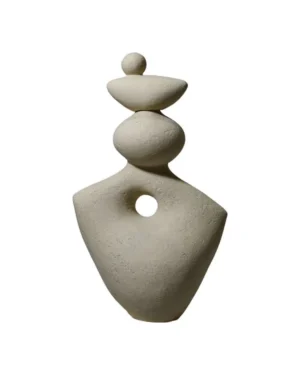
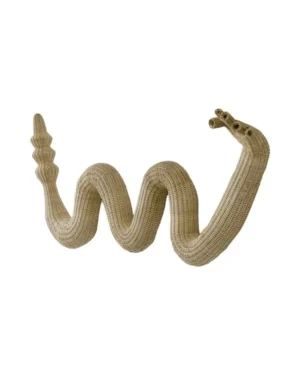
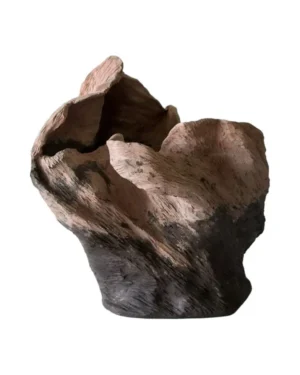
-

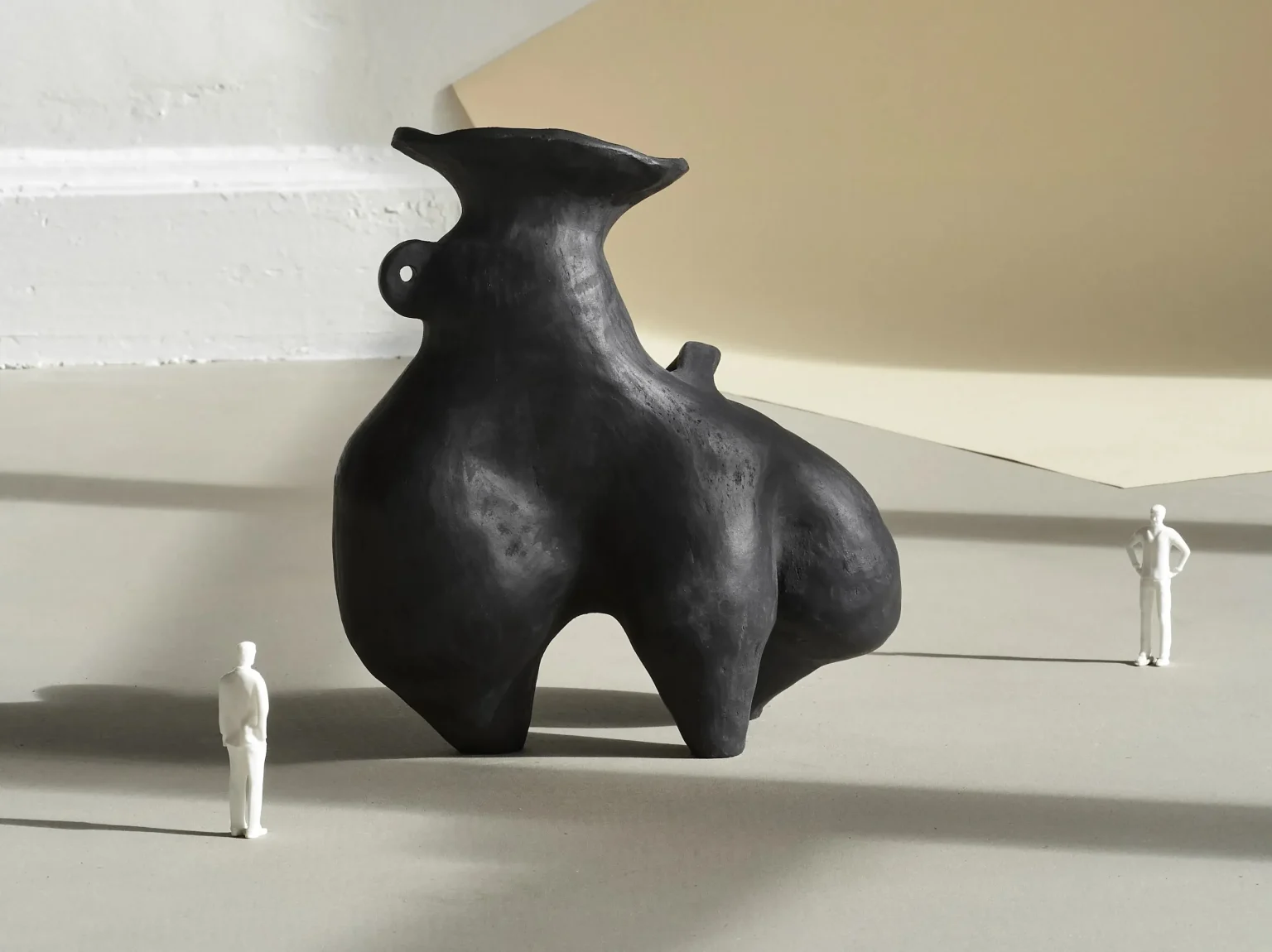
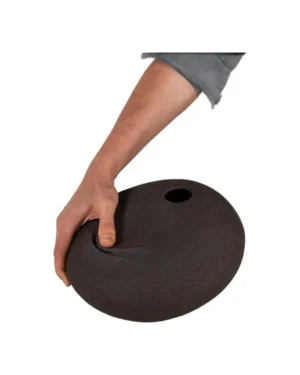
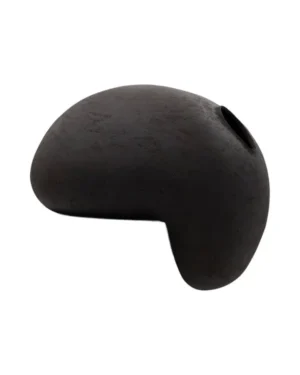
Soft Vase Sculptural Vessel
By Panorammma Atelier
€5.800 -
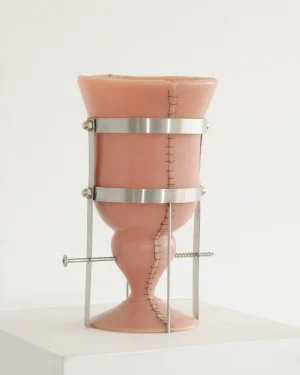
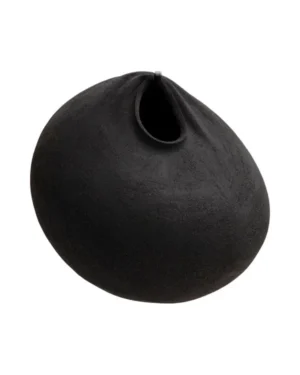
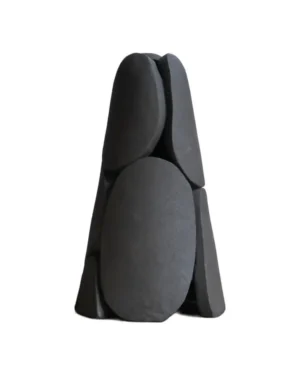
Soft Goblet Sculptural Vessel
By Panorammma Atelier
€4.800 -
 In stock
Wua-g I Speakers
By POL AGUSTI
€7.400 -
 In stock
Sarkora
By Anna Jožová
€2.100 -
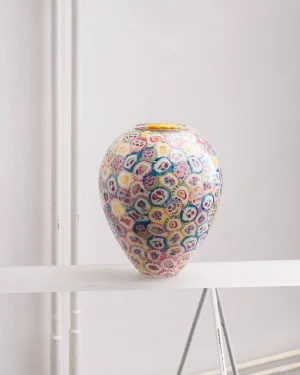
Lollipop Vase – Murano Glass
By Anna Jožová
€1.653 -
 In stock
Wrinkled – Smashed Vase
By Daniel Elkayam
€820 -
 In stock
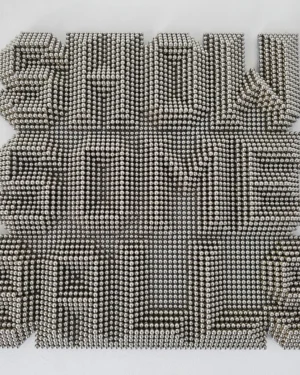
“showsomeballs” Wall Mounted Heavy Metal Sculpture.
By JAN PAUL
€3.578 -
 In stock
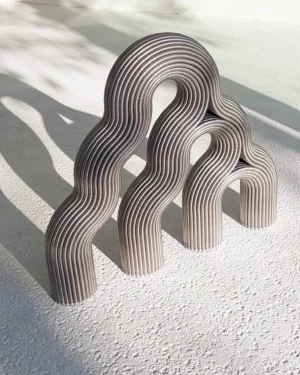
“flux” Sculpture
By JAN PAUL
€4.975 -
 In stock
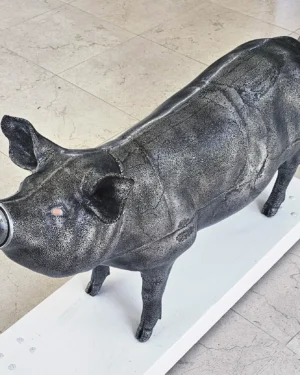
“greedy Pig” Life Sized Fully Functioning Heavy Metal Freestanding Safe
By JAN PAUL
€10.500 -
 In stock
Peace After The Burn
By Undress House
Price Upon Request
Plastic sculptures gather resin, acrylic, silicone and epoxy into forms that would be difficult or impossible to achieve in wood, stone or metal. Independent studios pour, mold, cast and hand-assemble these materials into objects that hold color, light and surface in ways older materials cannot. Within the wider sculpture category, these pieces stand apart for their gloss, their saturation and their refusal to age the way organic materials do.
What defines plastic sculptures
Resin and epoxy are poured rather than carved. They can be layered, tinted and set with objects suspended inside, curing to a surface that reads as hard and glass-like. Silicone stays flexible and matte, taking forms that bend or compress in ways rigid materials cannot. Acrylic is prized for clarity: polished and faceted, it behaves like solid light rather than solid matter.
Some studios pair these polymers with metal armatures or polished steel bases, using the contrast of warm plastic against cool metal to anchor a piece that might otherwise feel weightless. The full range of these materials, across every room of the house, sits under every plastic and polymer piece on ADORNO.
Finishes, colors and techniques found here
Color runs from restrained — gray, beige, silver — to loud: apple green, gold, full multicolor gradients that shift with the light. Finish tends toward glossy rather than matte, since the whole appeal of cast resin or polished acrylic is the way it catches and bends reflection.
Technique shapes style. Resin casting and mould making suit Surrealism and Pop Art, where a single poured form can carry an exaggerated color or a biomorphic silhouette. Hand assembly and sculpting suit Neo-Industrial and Brutalist work, where separate cast pieces are joined into something more architectural. Op Art pieces lean on acrylic's ability to hold a flat, graphic surface, while Conceptual and Radical work use plastic precisely because it carries no history of craft to react against. Where a piece is made as a one-off rather than repeated, it will say so; otherwise expect open or limited runs rather than a single cast.
Choosing a plastic sculpture for a room
Scale matters more with plastic than with heavier materials, since a large resin or acrylic form can look substantial without carrying real weight. Measure the surface or floor space before choosing a piece, and leave enough clearance that the form reads on its own rather than competing with what sits around it.
- Glossy, reflective finishes work best where there is natural light to catch — a window wall, a glass table, a mirrored surface nearby.
- Matte silicone or muted tones suit a quieter corner, where the form itself should do the work rather than the shine.
- Height decides whether a piece reads as a tabletop object or a floor-standing anchor; check this against the surface it will occupy before deciding.
Where these sculptures sit well
Living rooms and entryways are the most common settings, where a plastic sculpture can sit on a console or sideboard and catch light from a doorway or window. Smaller cast or poured pieces also hold their own on a desk, a shelf or a dining table, standing in for the ceramic or glass objects more often found in those spots. For a broader mix of plastic forms beyond sculpture alone, see plastic accessories across the rest of the house.
Caring for resin, acrylic and silicone
Dust with a soft, dry cloth; avoid solvents and abrasive cleaners, which can cloud or scratch a polished surface. Direct, sustained sunlight will yellow some resins and fade strong colors over time, so position pieces out of the harshest afternoon light where possible. Silicone pieces can be wiped with a damp cloth and should be kept away from direct heat sources, which can soften or distort the material.
For work that leans toward mixed influences and freer combinations of material, eclectic sculptures cover a wider range of approach, while pieces made as true one-offs are gathered under unique sculptures. Together they show how far plastic sculptures can be pushed, from a single poured form to an assembled, multi-part object.
How do I choose a plastic sculpture?
Consider the finish and form first: glossy resin and acrylic read as sharp and graphic, while matte silicone or epoxy softens light. Pick a scale and color that hold their own against the room's existing materials.
How do you clean and care for a plastic sculpture?
Wipe with a soft, dry or slightly damp cloth, avoiding solvents or abrasive cleaners that can dull or scratch the surface. Keep resin and acrylic pieces out of direct sun, since prolonged UV exposure can yellow or weaken the material over time.
What size sculpture works best on a shelf or table?
Tabletop and shelf pieces generally sit within a modest footprint, letting them anchor a surface without crowding it. Floor-standing works carry more visual weight and suit a room with open space around them.
Which rooms suit a plastic sculpture?
Living rooms, entryways and studies all work, since a single sculptural object can anchor a console, shelf or empty corner. Lightweight compared to stone or metal, plastic pieces also suit upper shelves or floating surfaces.
Is a plastic sculpture durable for everyday display?
Resin, epoxy and acrylic resist chipping and handle indoor conditions well, though they can scratch with abrasive contact. Keeping pieces away from heat sources and direct sun preserves their color and surface over years.
What about shipping, returns and authenticity when buying from ADORNO?
Shipping is insured and worldwide, with a 14-day return policy except on made-to-order pieces. Every piece comes with a certificate of authenticity, and ADORNO offers a lowest-price guarantee.