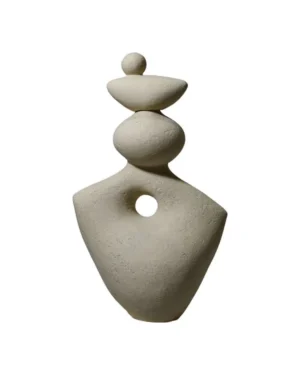
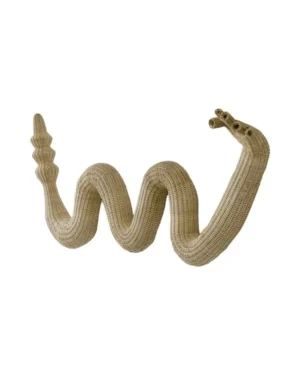
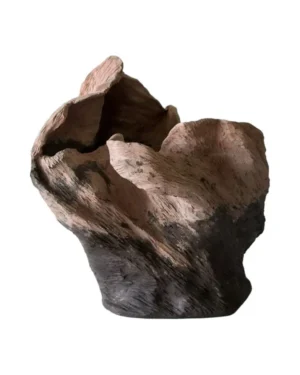
-
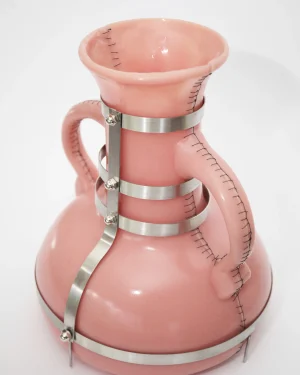
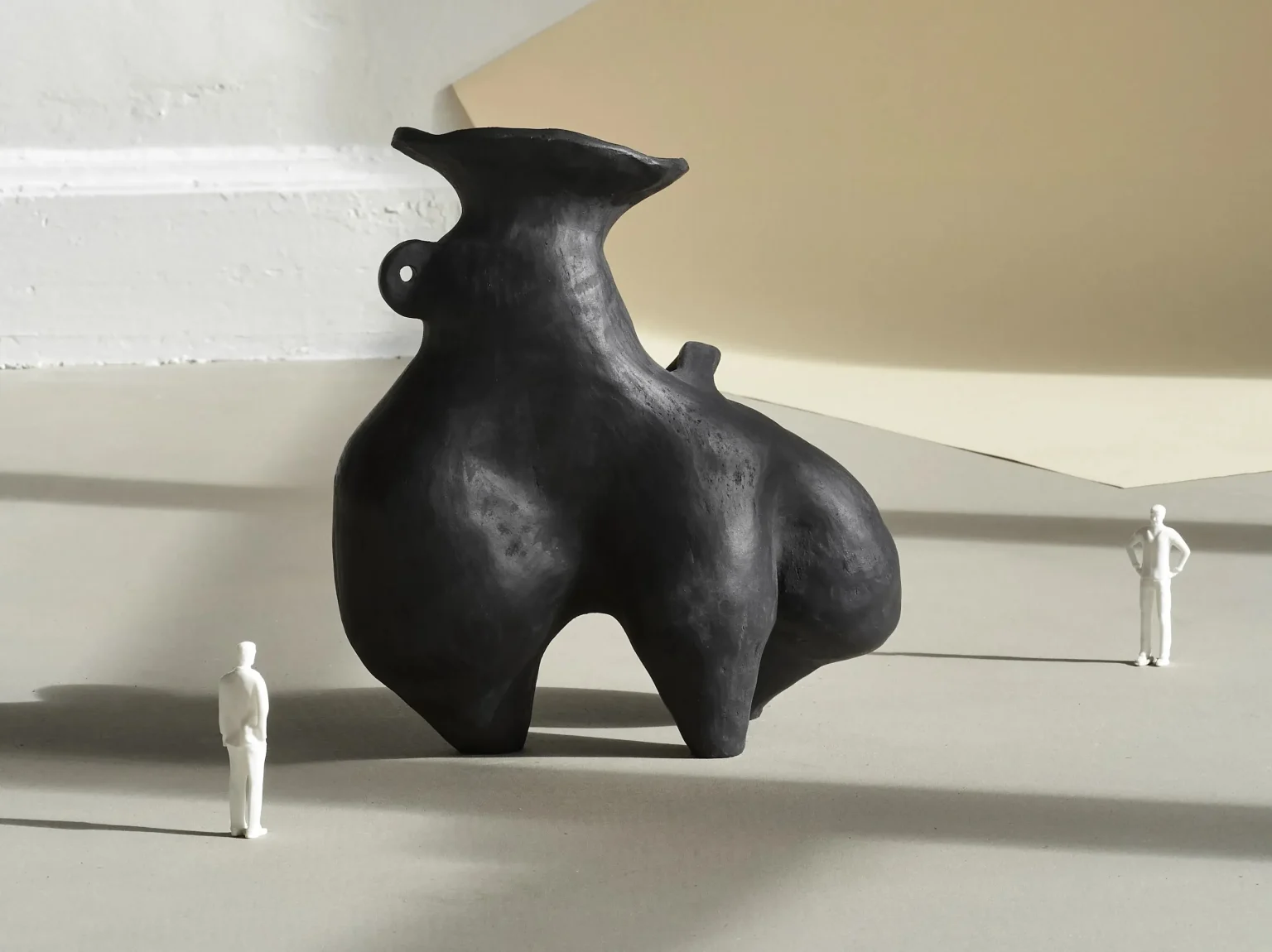
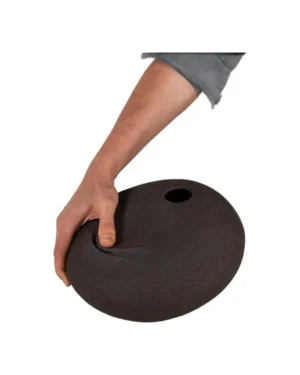
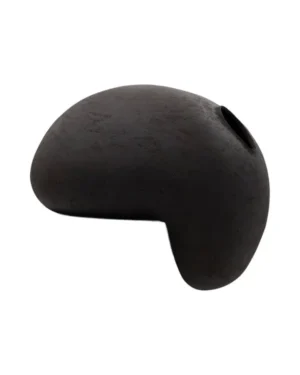
Soft Vase Sculptural Vessel
By Panorammma Atelier
€5.800 -
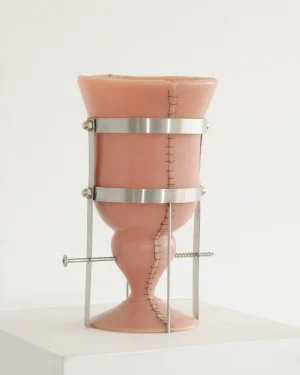
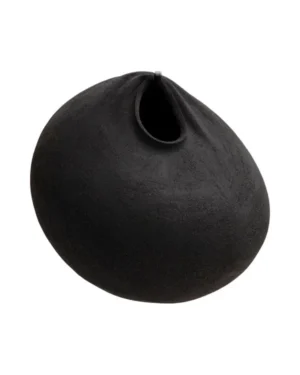
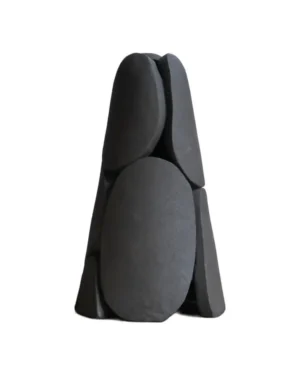
Soft Goblet Sculptural Vessel
By Panorammma Atelier
€4.800 -
 In stock
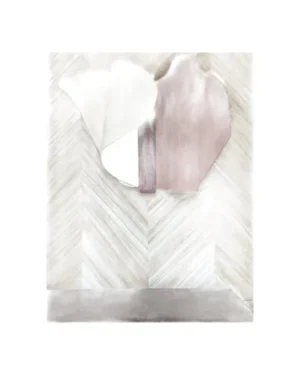
50 Aluminium Edition Magazine Holder
By Malvin Gaborit
€3.125 -

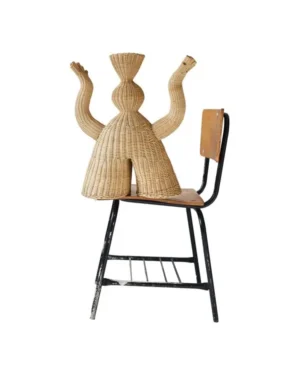
Line Of Memories Sculpture
By WANNAS
€16.200 -
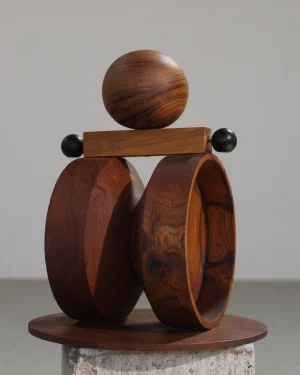
Shibui Wooden Sculpture
By WANNAS
€650 - €740 This product has multiple variants. The options may be chosen on the product page -
 In stock
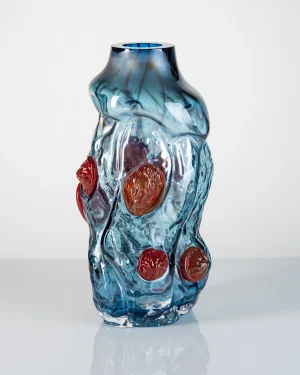
Dysplasio Glass Vase Blue
By Anna Jožová
€1.900 -
 In stock
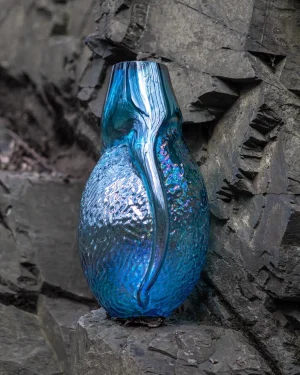
Nava Glass Vase Blue
By Anna Jožová
€1.300 -
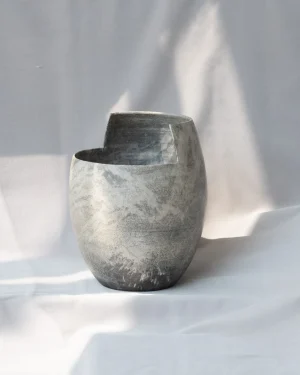 In stock
Cut Medium – Naked Stone
By Studionudo
€810 -
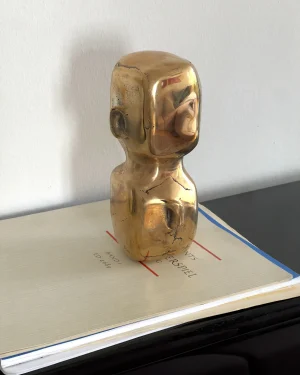 In stock
Heads — Cast Bronze Sculpture
By Lucas Gutierrez Studio
€7.500 -
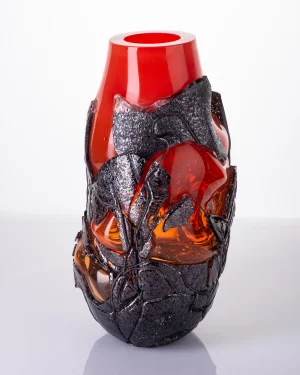 In stock
Lava Glass Vase Red
By Anna Jožová
€1.350 -
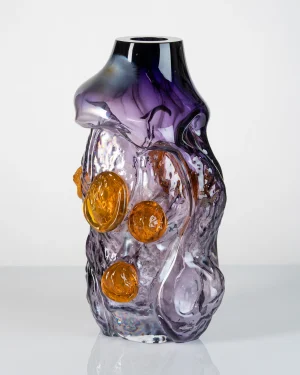 In stock
Dysplasio Vase Purple
By Anna Jožová
€1.900 -
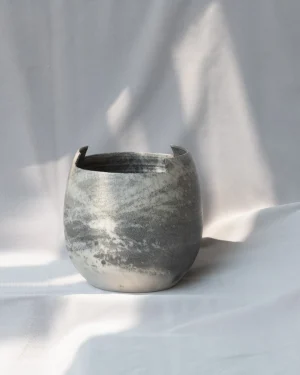 In stock
Cut Small – Naked Stone
By Studionudo
€780 -
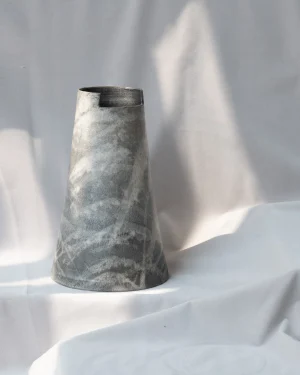 In stock
Cut High – Naked Stone
By Studionudo
€810 -
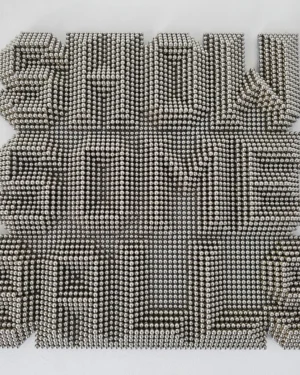 In stock
“showsomeballs” Wall Mounted Heavy Metal Sculpture.
By JAN PAUL
€3.578 -
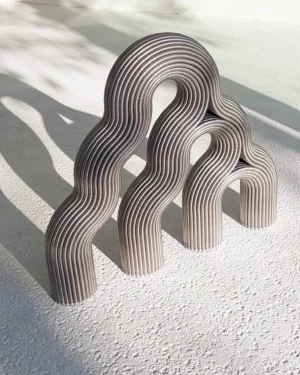 In stock
“flux” Sculpture
By JAN PAUL
€4.975 -
 In stock
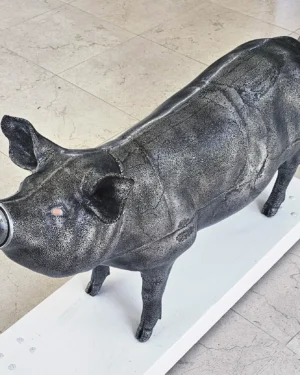
“greedy Pig” Life Sized Fully Functioning Heavy Metal Freestanding Safe
By JAN PAUL
€10.500 -
 In stock
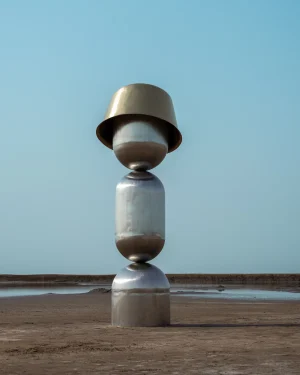
Meiso – Floor Sculpture
By WANNAS
Price Upon Request -
 In stock
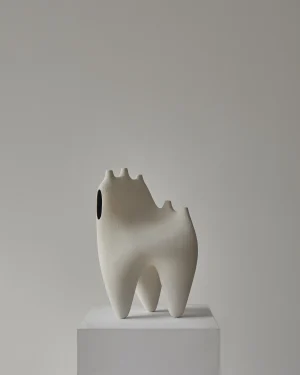
Nomad Ⅰ:04 – Ceramic Vase
By SK - Sofia Karnukaeva
€1.900 -
Nomad Ⅰ:03 – Ceramic Vase
By SK - Sofia Karnukaeva
€2.100 -
 Sold
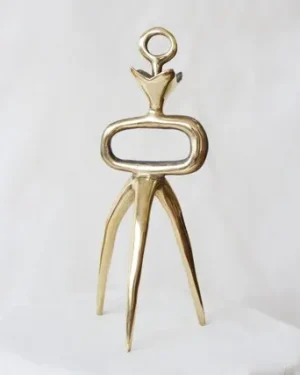
Artefacto Bronce Ls 01 – Lost-wax Casted Bronze Sculpture
By LØRDAG & SØNDAG
€1.355
Limited edition sculptures bring together metalwork, blown glass, and hand-built ceramic in small runs that will not be repeated once sold. Independent studios across Europe, Asia, and the Americas shape them through welding, glassblowing, wheel throwing, and mould making, each process leaving a mark that mass production cannot fake. What unites them is scarcity: a fixed, small number of pieces, numbered or otherwise set apart from open stock.
What defines a limited edition sculpture
A limited run means the maker has chosen to stop at a set number rather than keep a mould or glaze recipe in permanent rotation. That decision shows in the finish: hand-applied patinas on bronze or steel, raku firings that scorch and crackle unpredictably, glass forms blown one at a time so no two pick up identical bubbles or streaks. The material carries the evidence of a human hand working to a limit, not a machine working to a quota.
The materials and finishes found here
Metal dominates, worked as stainless steel, brass, or mixed metals into brutalist or neo-industrial forms, finished matte, glossy, silver, bronze, or gold. Ceramic pieces come from hand-building, wheel throwing, and glazing, often in white, gray, or aquamarine glazes that shift tone under different light. Stone and cast or blown glass appear in smaller numbers, prized for density and clarity respectively. Across all of them, the style ranges from minimalist and mid-century modern through wabi-sabi roughness to eclectic, maximal arrangements of form.
- Metalwork: welded or cast steel, brass, and mixed metals in matte or polished finish
- Ceramic: hand-built or wheel-thrown forms, glazed or left raw, sometimes raku-fired
- Glass: blown or cast, prized for transparency, weight, and light-catching surface
- Stone: carved or honed, heavier and more permanent in feel than metal or ceramic
How to choose one
Scale matters more than any other decision. A tabletop sculpture should sit comfortably within a console or shelf without crowding what surrounds it, while a floor-standing bronze or stone form needs enough clearance to read as a standalone object rather than an obstacle. Height and base width decide whether a piece anchors a room from the floor or punctuates a surface at eye level.
Finish should answer to light. Glossy bronze or polished steel throws reflections and suits a room with strong natural light, while matte ceramic or raw stone absorbs it and holds its own in dimmer corners. Consider also how the piece will be approached, from one angle on a shelf or in the round on a plinth, since carved and cast forms often reward a full walk-around.
Where these pieces sit well
Living rooms and entryways carry most of these sculptures, where a console, sideboard, or low plinth gives the piece room to stand apart from daily use. Dining rooms take smaller glass or ceramic forms well as a center table gesture, away from the direct line of place settings. Studies and reading corners suit the quieter, wabi-sabi and minimalist pieces that ask to be noticed slowly rather than all at once.
Caring for metal, ceramic, and glass sculpture
Metal surfaces, whether matte steel or gold-finished brass, should be dusted with a dry or barely damp cloth; polishes and solvents can strip a hand-applied patina meant to stay uneven. Ceramic and raku-fired pieces are porous in places and better kept from direct sun and damp, which can dull a glaze over time. Blown and cast glass asks only for occasional dusting and a stable surface, since thermal shock and sudden knocks are its real risks, not daily wear.
For pieces outside this material range, the wider sculpture collection covers ceramic, stone, and mixed-media work in open as well as limited runs, and limited edition decor extends the same scarcity into vessels, bowls, and objects beyond sculpture. Those drawn to glaze and clay specifically can look through ceramic sculptures, while contemporary sculptures gathers newer studios working across metal, glass, and stone alike.
How do I choose a limited edition sculpture?
Start with material and form rather than theme. Cast metal, blown glass, stoneware and carved wood each hold light and shadow differently, so consider where the piece will sit and what it should catch the eye with.
How do I care for a limited edition sculpture?
Dust metal and stone with a dry or barely damp cloth, keep blown glass away from direct heat, and avoid harsh cleaners on patinated or glazed surfaces, since these finishes change with handling over time.
What size sculpture should I choose for my space?
Tabletop pieces generally sit under 40 cm, while floor sculptures run taller and anchor a corner or entryway. For exact dimensions on a specific piece, chat with the maker on the piece's page.
Which rooms suit a limited edition sculpture?
Entryways, living rooms and studies all carry sculpture well, since these pieces ask for a clear sightline and some breathing room rather than a crowded shelf or busy sideboard.
Are limited edition sculptures really limited in number?
Yes, these pieces are produced in small runs or as one-offs by independent studios, rather than mass manufactured, so availability of any given form is restricted by design.
How does buying through ADORNO work, including shipping and returns?
Shipping is insured and worldwide. Returns are accepted within 14 days, excluding made-to-order pieces. Each piece comes with a certificate of authenticity, and ADORNO offers a lowest-price guarantee.