-
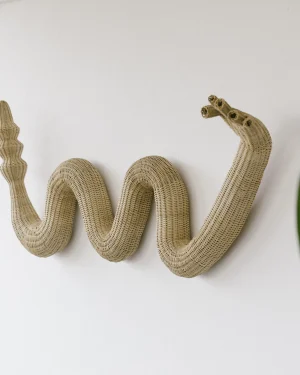
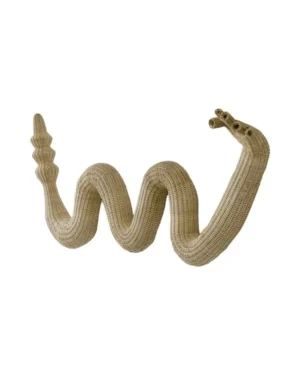
Artefacto Serpiente Ii – Woven Wicker Fiber Wall Sculpture
By LØRDAG & SØNDAG
€750 -
 In stock
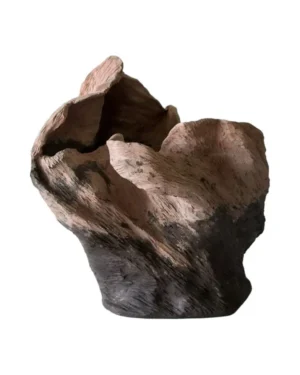
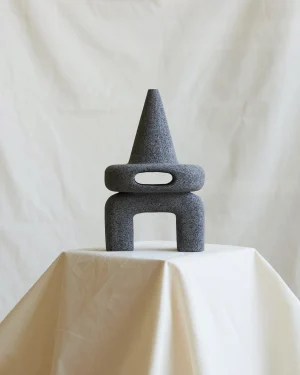
Artefacto Volcán Ls 06
By LØRDAG & SØNDAG
€490 -
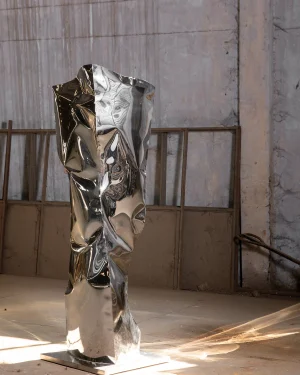
Monolith – Stainless Steel Floor Sculpture
By Nitush and Aroosh
€7.150 -
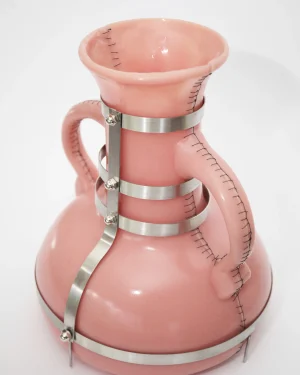
Soft Vase Sculptural Vessel
By Panorammma Atelier
€5.800 -
 In stock
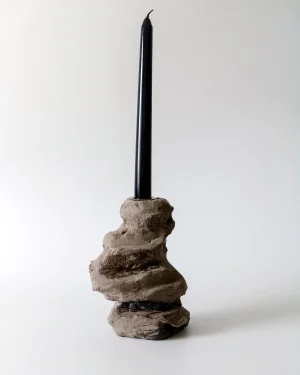
Abyss Candle Holder
By Ceren Gürkan
€120 -
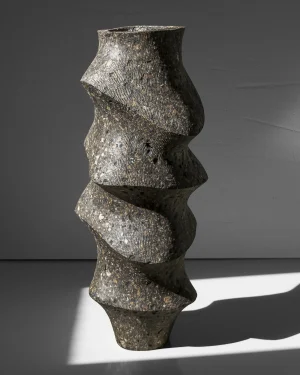
Large Floor Vase, Brutalist Concrete-look Sculpture
By Donatas Žukauskas
€1.450 -
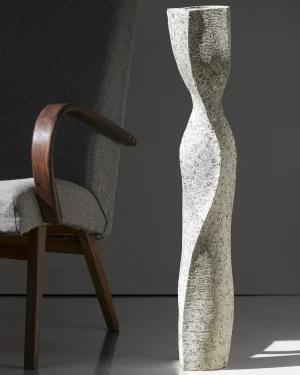
Column Tall Twisted Sculptural Vase, Brutalist Textured Floor Vase
By Donatas Žukauskas
€860 -
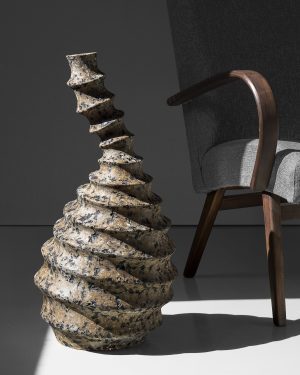
Solid Beige Stone Floor Vase – Erosion Series In Cast Stone By Donatas Zukauskas
By Donatas Žukauskas
€1.450 -
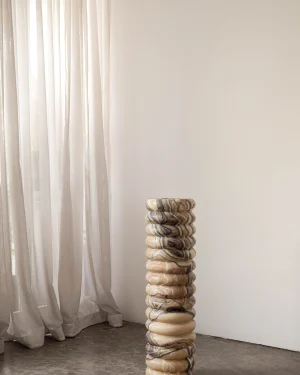 In stock
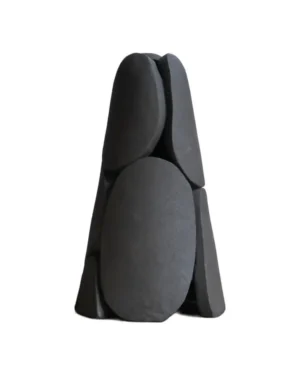
Antigua Stone Totem
By Studio Ayres
€2.348 -
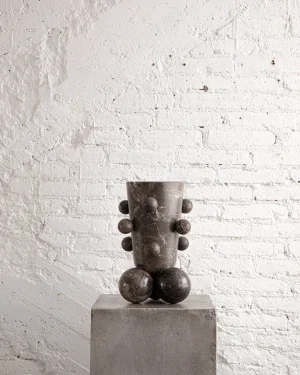
Pollux – Stone Vase
By Studio Ayres
€840 -

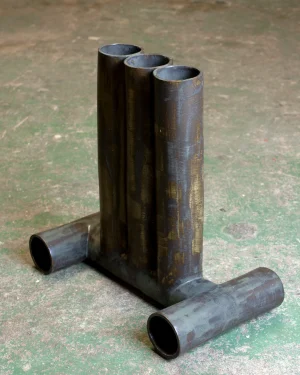
Lilith In Black Oxide
By Lucia Mondadori
€788 -
 In stock
Ceramic 3 Notch Vessel Ltd.
By Nolan Talbot-Kelly
€650 -
 In stock
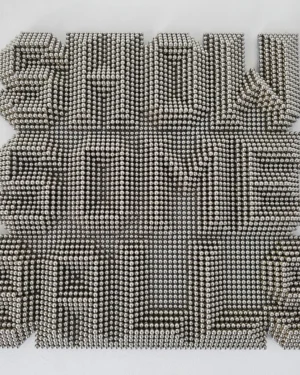
“showsomeballs” Wall Mounted Heavy Metal Sculpture.
By JAN PAUL
€3.578 -
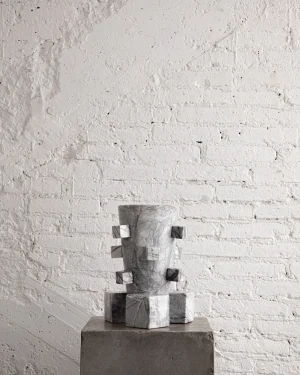
Capella Stone Vase
By Studio Ayres
€840 -
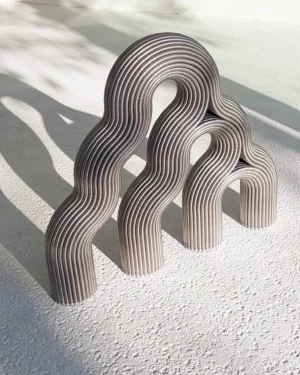 In stock
“flux” Sculpture
By JAN PAUL
€4.975 -
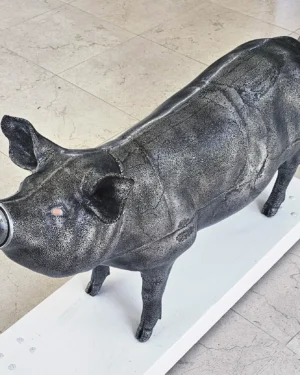 In stock
“greedy Pig” Life Sized Fully Functioning Heavy Metal Freestanding Safe
By JAN PAUL
€10.500 -
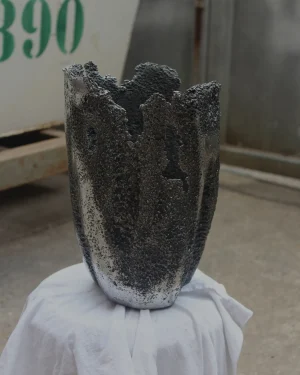 In stock
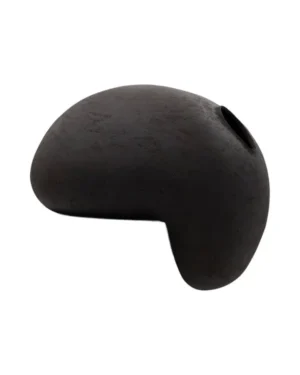
Melancholy Vessel 10
By Saturday Yard Work
Price Upon Request -
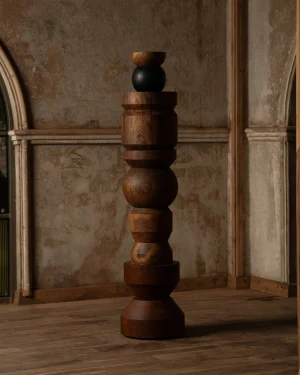 In stock
Recreational Verb – Wooden Floor Sculpture
By WANNAS
Price Upon Request -
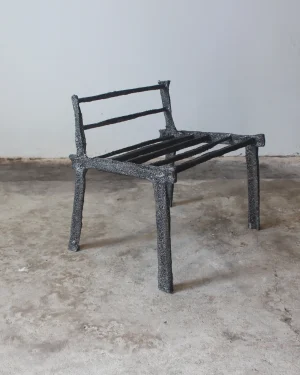
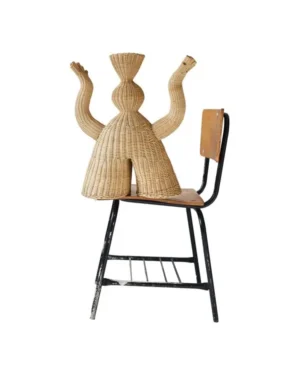
Melancholy Chair – Aluminium
By Saturday Yard Work
Price Upon Request -
 Sold
Artefacto Bronce Ls 01 – Lost-wax Casted Bronze Sculpture
By LØRDAG & SØNDAG
€1.355 -

Nc Fuente Totem
By Daniel Orozco Estudio
€814
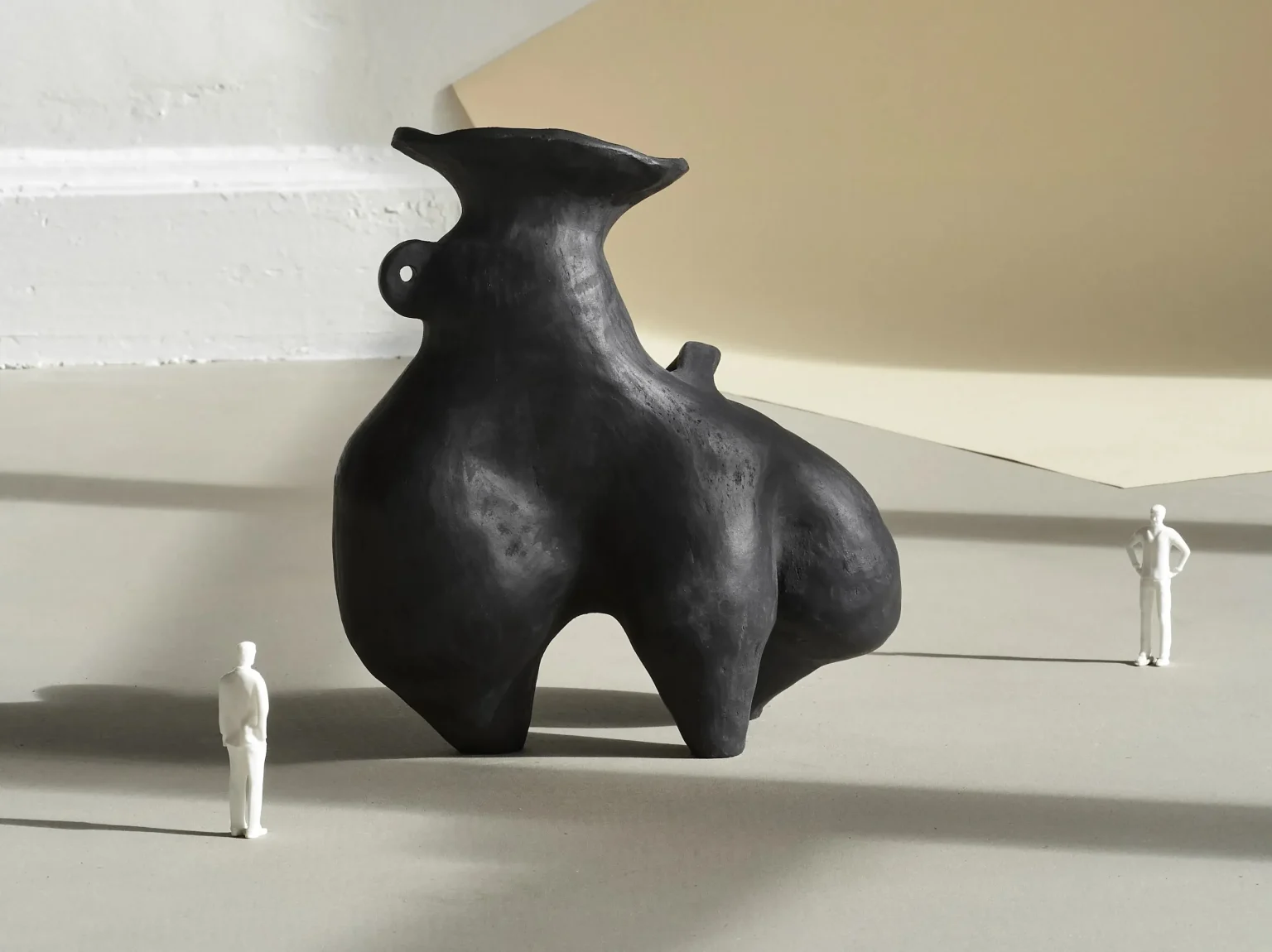
Brutalist sculptures take their character from raw, weighted materials — cast metal, carved stone, dense stoneware — left to show the marks of their making rather than smoothed away. Studios working in this style favor mass over decoration, letting a form's bulk and surface carry the weight of the piece. The result sits closer to architecture than ornament: blunt, deliberate, built to hold a room's attention without asking for it.
What defines a brutalist sculpture
The style borrows its name and its logic from concrete architecture of the mid-twentieth century: structure left exposed, texture left unpolished, form reduced to what it needs to stand. Applied to sculpture, this means blocky silhouettes, visible seams, pitted or hammered surfaces, and a color range that stays close to the material itself — black, gray, beige, the dull shine of cast metal. Nothing is added to soften the object or explain it.
Across the wider sculpture collection, this is one of several directions studios take, sitting apart from the smoother lines of minimalist or contemporary work and the looser, patterned hand of boho and eclectic pieces.
Materials and techniques behind the style
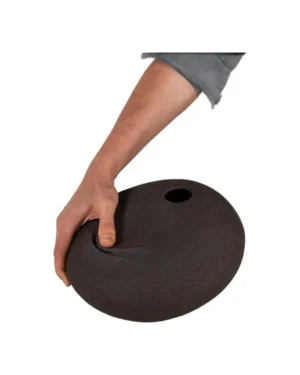
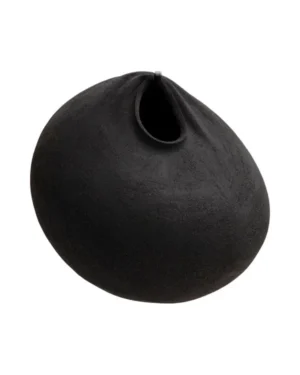
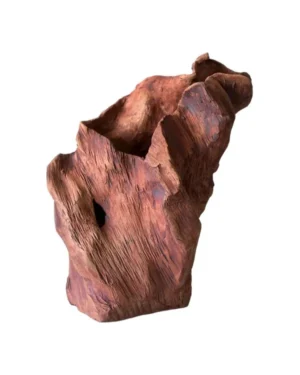
Metal dominates here, worked by metalworkers or metal casters into stainless steel, aluminum, or darker, patinated finishes that read as near-black. Marble and travertine appear carved by hand, their veining left visible rather than polished to gloss. Stoneware, hand-built and glazed in matte beige or gray, brings the same rough-cut language into a fired clay body.
Editions vary by piece and studio. Some sculptures come as open editions, made in repeatable runs; others are one-offs, shaped individually and never remade in quite the same form, or produced in small, limited numbers before a studio moves on to a new form. None of this changes the surface logic of the style — weight, mass, and an unapologetic finish stay constant whether the piece is cast once or many times.
Choosing a piece for scale and placement
Scale decides how a sculpture behaves in a room. A dense, low form reads as grounding, something a room is built around; a taller, narrower piece acts more like a floor lamp or a column, drawing the eye upward. Measure the surface or floor space before choosing, since these pieces rely on real mass rather than visual trickery to register.
Finish matters as much as size. A matte, unglazed stoneware body absorbs light and recedes into a room, while cast or polished metal catches it and pulls focus. Pair rough stone or concrete-toned pieces with other unfinished materials nearby — oak, linen, raw plaster — so the sculpture reads as part of a considered surface palette rather than an outlier.
Where brutalist sculptures sit in a room
These pieces suit rooms built around a single strong gesture rather than many small ones: an entry console with one object and nothing else, a fireplace mantel, the end of a long dining table, a reading corner with floor-level weight instead of wall art. They hold their own in spare, pared-back interiors, and they also work as deliberate contrast against softer, more decorative rooms.
Studios working in this register also extend into furniture and seating, so a sculptural approach can run through a whole room rather than stopping at a single object. For the full range in this material language, every brutalist piece on ADORNO sits together in one place, alongside other brutalist decor for pairing.
Living with raw metal and stone
Unsealed stone, including marble and travertine, stains from oil and acidic liquids, so these pieces are best kept away from kitchen counters and placed where they will only be dusted, not wiped down often. A soft, dry cloth is usually enough; water and household cleaners can dull a polished or carved surface over time.
Metal pieces left unlacquered will continue to oxidize slightly with handling and humidity, which is part of how the surface is meant to age rather than a fault to correct. For gray and near-black tones specifically, the range of black sculptures and the stoneware pieces on ADORNO show how differently clay and metal carry the same restrained palette.
What makes a sculpture brutalist?
Brutalist sculpture favors raw, unfinished surfaces and dense, blocky forms, often in concrete, stone, or metal. Weight and mass carry the piece rather than ornament or color.
How do I choose a brutalist sculpture for my space?
Look at scale and weight before finish. A single dense form reads as an anchor, so give it floor or shelf space where its mass can sit undisturbed.
How do you care for a brutalist sculpture?
Stone and concrete pieces need dusting and should avoid damp or direct sun, which can stain or bleach the surface. Metal forms wipe clean and tolerate handling well.
What size sculpture works best on a shelf versus the floor?
Smaller stone or metal forms suit shelves and console tops, while larger cast or carved pieces hold their own directly on the floor. For exact dimensions, chat with the maker on the piece's page.
Which rooms suit a brutalist sculpture?
Entryways, living rooms, and studies all take well to a brutalist form, especially where walls or furniture are plain enough to let the mass register.
Does ADORNO ship brutalist sculptures worldwide, and can I return one?
Shipping is insured and worldwide. Returns are accepted within 14 days, except for made-to-order pieces, and each sculpture arrives with a certificate of authenticity.