Paperwork… the good kind.
Welcome to the world of paper art, where a simple sheet is folded, cut, layered and sculpted into astonishing forms. These are not flat, one-dimensional pieces, but multi-dimensional works that span every style, from the elegance of Art Deco to the lavishness of maximalism. Whether you are an aspiring maker or simply curious, there is inspiration here for everyone.
This guide explains what paper art is, where it comes from, its main techniques and the artists who shaped it. It ends with paper lamps and papier-mâché pieces by independent designers that show how the medium lives on in contemporary design.
What is paper art?
In everyday language, paperwork means documents and admin. In art and design, however, paperwork refers to creating pieces with paper as the primary medium. Paper here is not just a surface to draw or paint on; it is the material artists shape. Techniques include origami, paper cutting, collage, quilling, papier-mâché and paper sculpture, from simple folds to complex cuts and layers.
The origins of paper art
Paper art traces back to many cultures. Paper cutting has roots in ancient China, while origami, the art of folding, developed in Japan. Over centuries, these traditions blended into a rich range of techniques. Today, artists keep pushing the medium, using paper not only as a canvas but as a material for sculpture, lighting and furniture.
Popular paper art techniques
Paper cutting
Artists cut designs, patterns or silhouettes from a sheet, often creating intricate, lace-like compositions.
Origami
The Japanese art of folding ranges from simple forms to complex, mathematical structures, and can be decorative or functional.
Quilling
Quilling uses thin strips of paper that are rolled, shaped and glued to make intricate designs or even 3D objects.
Papier-mâché
Papier-mâché applies strips of paper soaked in glue or starch over a form to build sculptures, masks, lamps and even furniture. It is light yet surprisingly strong.
3D paper art
Layered cut paper creates depth and perspective, turning flat sheets into relief-like compositions.
Choosing the right paper for each technique
For paper cutting, thicker paper such as cardstock holds its shape. Origami needs thin, light paper that folds without tearing, such as kami or washi. Quilling uses dedicated strips, though medium-weight colored paper can be cut to size. For papier-mâché, newspaper is common, while brown craft paper gives a sturdier result. In 3D paper art, cardstock provides structure and thinner papers add fine detail.
Notable paper artists
Rob Ryan is known for intricate paper cuts featuring poetic phrases. Peter Callesen transforms single sheets of A4 paper into 3D sculptures that play on the contrast between flat and sculptural form. Tara Donovan builds large-scale installations from everyday materials, including paper, through repetition and assembly.
Yulia Brodskaya and Karen Bit Vejle have gained attention for their intricate quilling and paper cutting. Together, these artists show that the possibilities of paper are almost endless, and they inspire new makers to push the medium further. For more, read 12 paper designs that make you think twice.
Paper lamps
Paper is one of the oldest lampshade materials, and for good reason: it diffuses light softly and evenly. These paper lamps show how far the material has come.
Biiit 001 Table Lamp In Paper And Brass by mano design studio
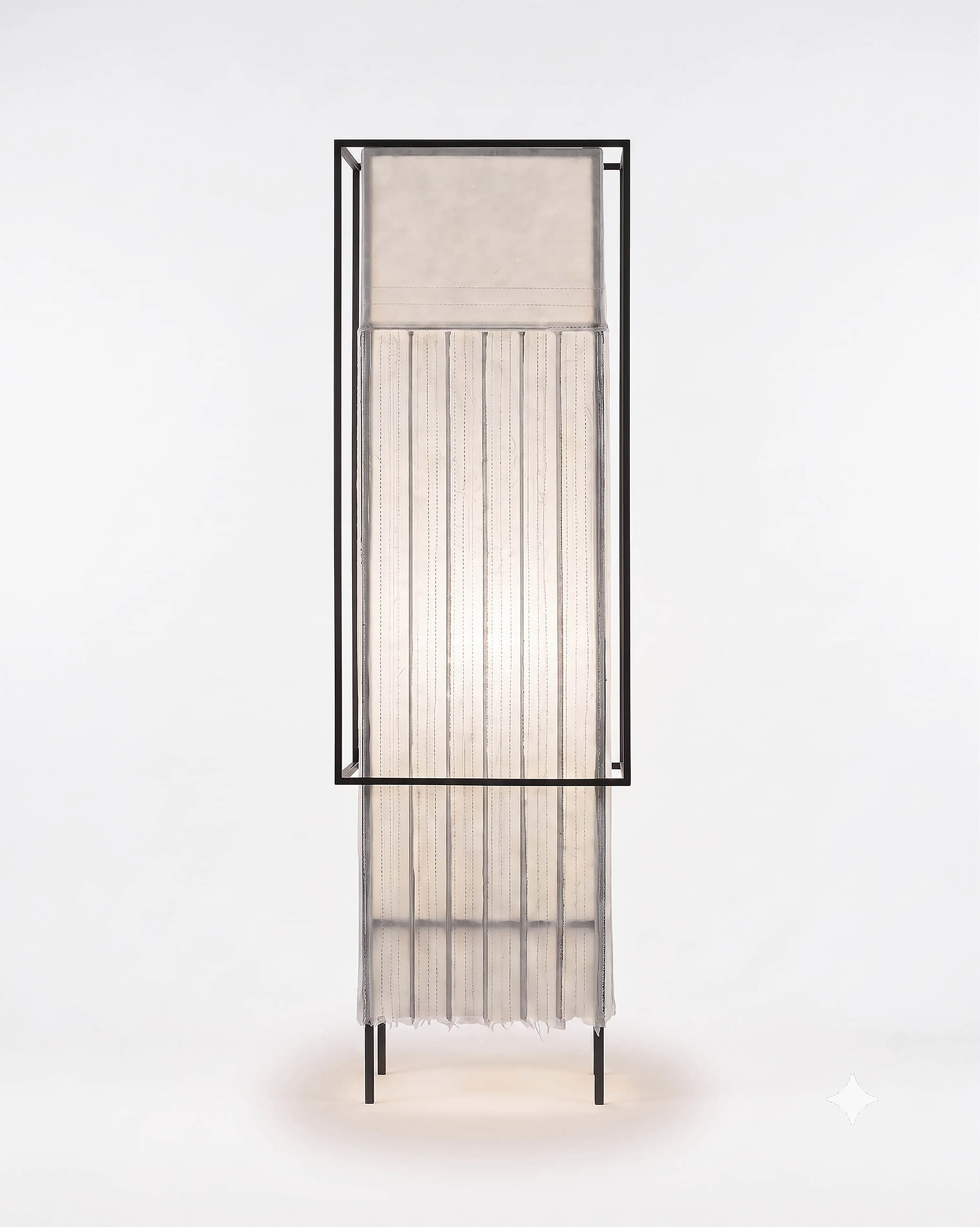
Biiit 001 pairs a matte brass frame with a pleated shade of Hanji, traditional Korean mulberry paper, in tall, vertical proportions. Its form follows yeobaek-mi, the Korean principle of the beauty of empty space. As a result, it has a serene, architectural presence, and it is in stock.
€2.100 incl. tax
Capsule Table Lamp in Aluminum and Washi Paper by Valentine Maurice
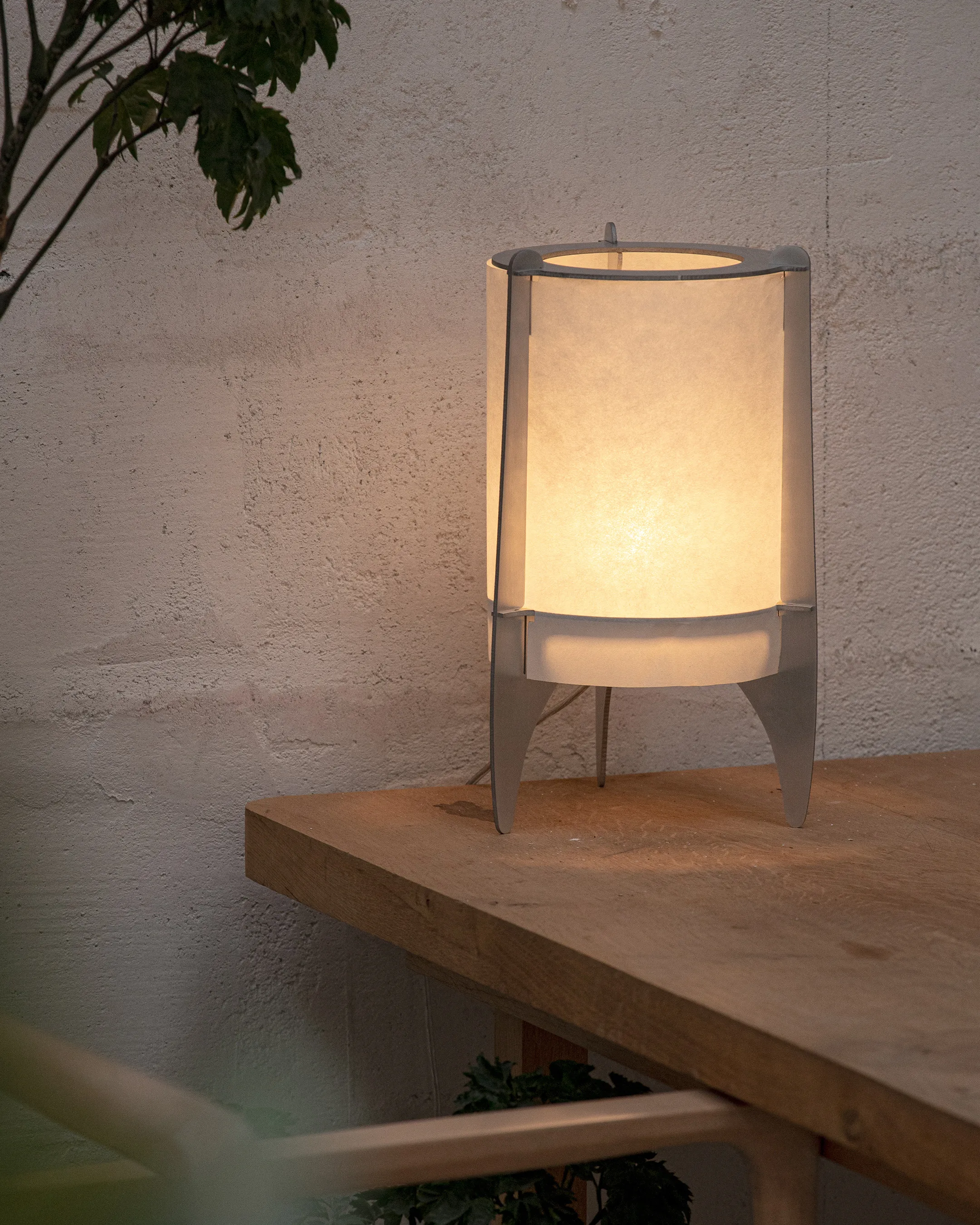
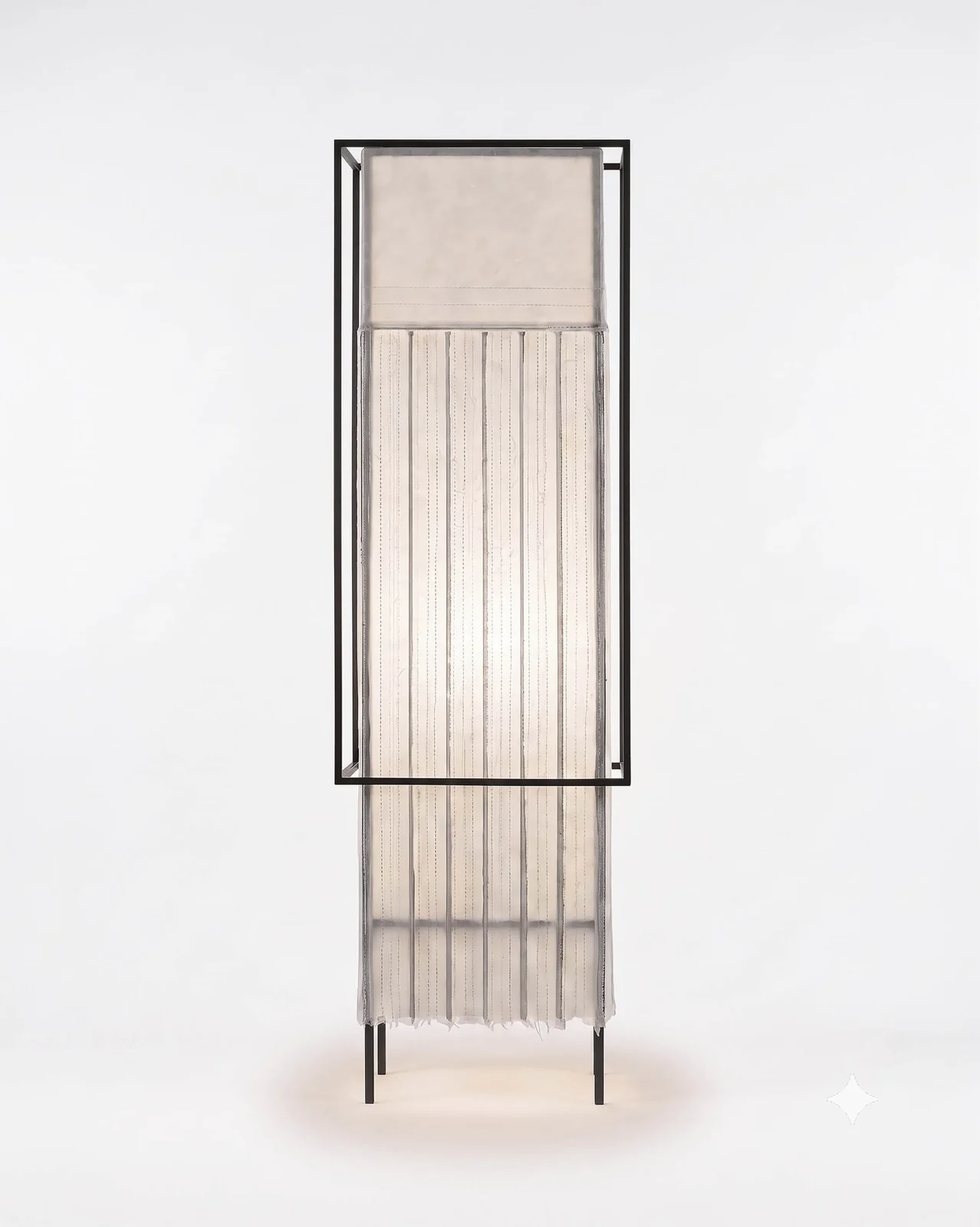
Conceived as a small architecture of light, Capsule holds a washi paper membrane inside an open aluminum framework. Its joints and structure stay visible, so the precision of metal meets the delicacy of paper. Consequently, the warm glow turns an almost industrial object into something intimate, and it is in stock.
€1.200 incl. tax
Concha Embroidure Pendant Lamp in Paper and Brass by MESEME Studio
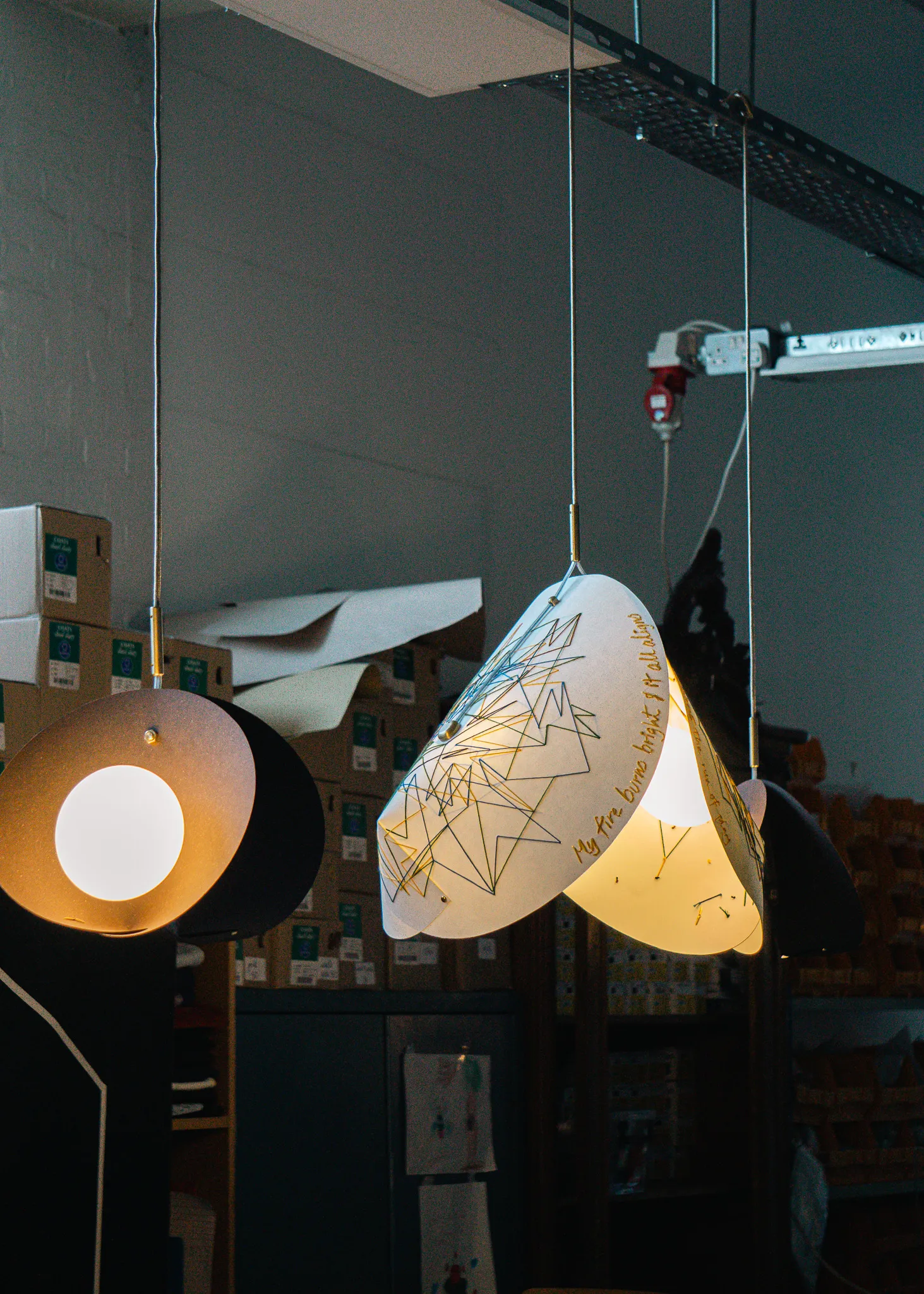
MESEME Studio’s shell-like Concha pendants are made from G.F Smith specialist paper blended with non-woven fabric. In this limited edition of 20, artist Nicole Chui hand-embroiders “scribbles” traced from a football player’s running path. Each one is handmade in London, and it is in stock.
€788 incl. tax
Papier-mâché lamps and furniture
Papier-mâché is light, strong and endlessly sculptural, which makes it ideal for expressive lamps and papier-mâché furniture with a sense of humor.
Zampa by Jonathan Bocca
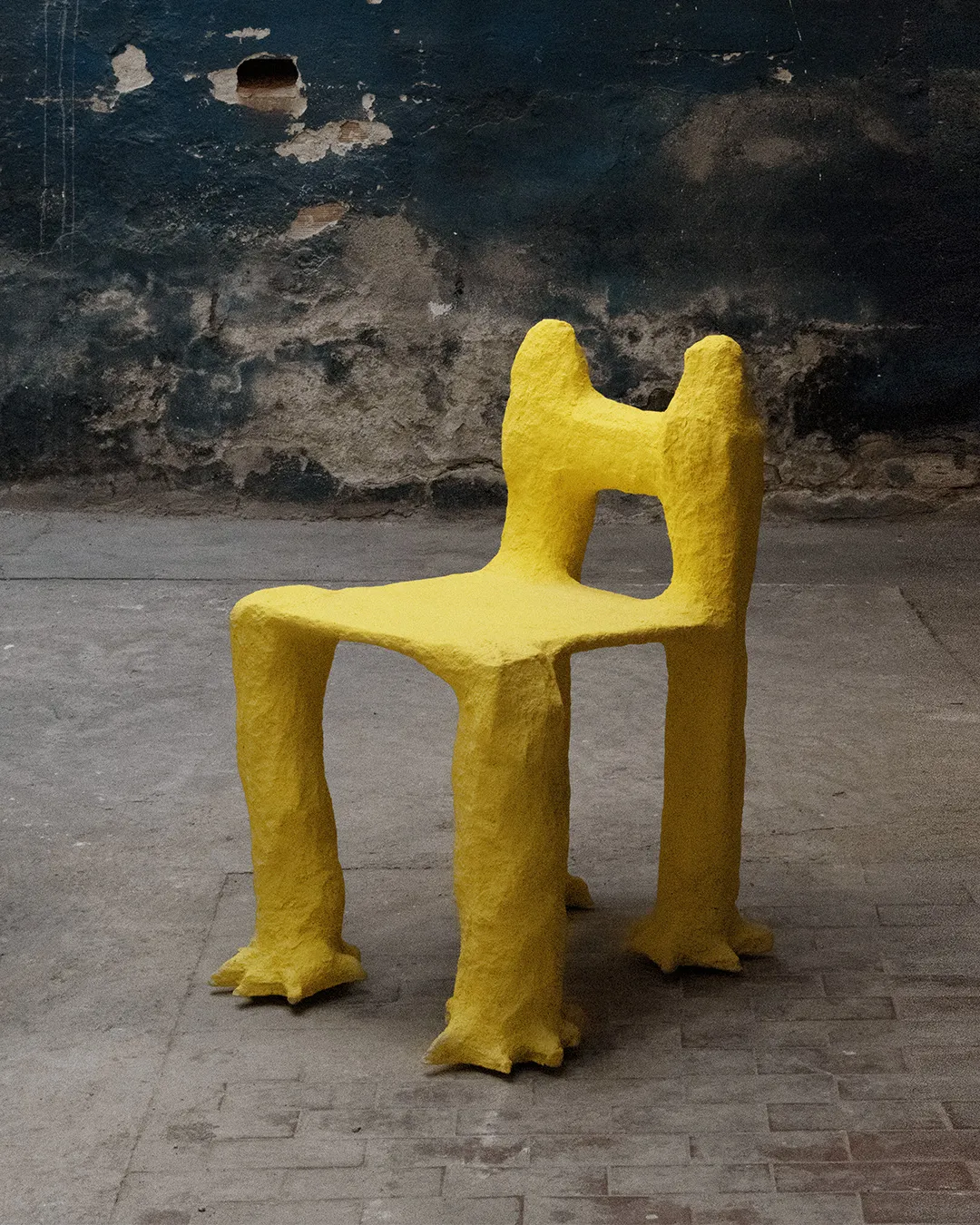
Zampa is a vibrant yellow chair shaped like the paw of a playful animal. It is made with the papier-mâché techniques of the Viareggio carnival floats, giving it a light yet stable structure. In other words, it is joyful, sculptural and fully functional, and it is in stock.
€2.700 incl. tax
Tattooed Shining Creature Floor Lamp in Paper and Steel by David Čáp
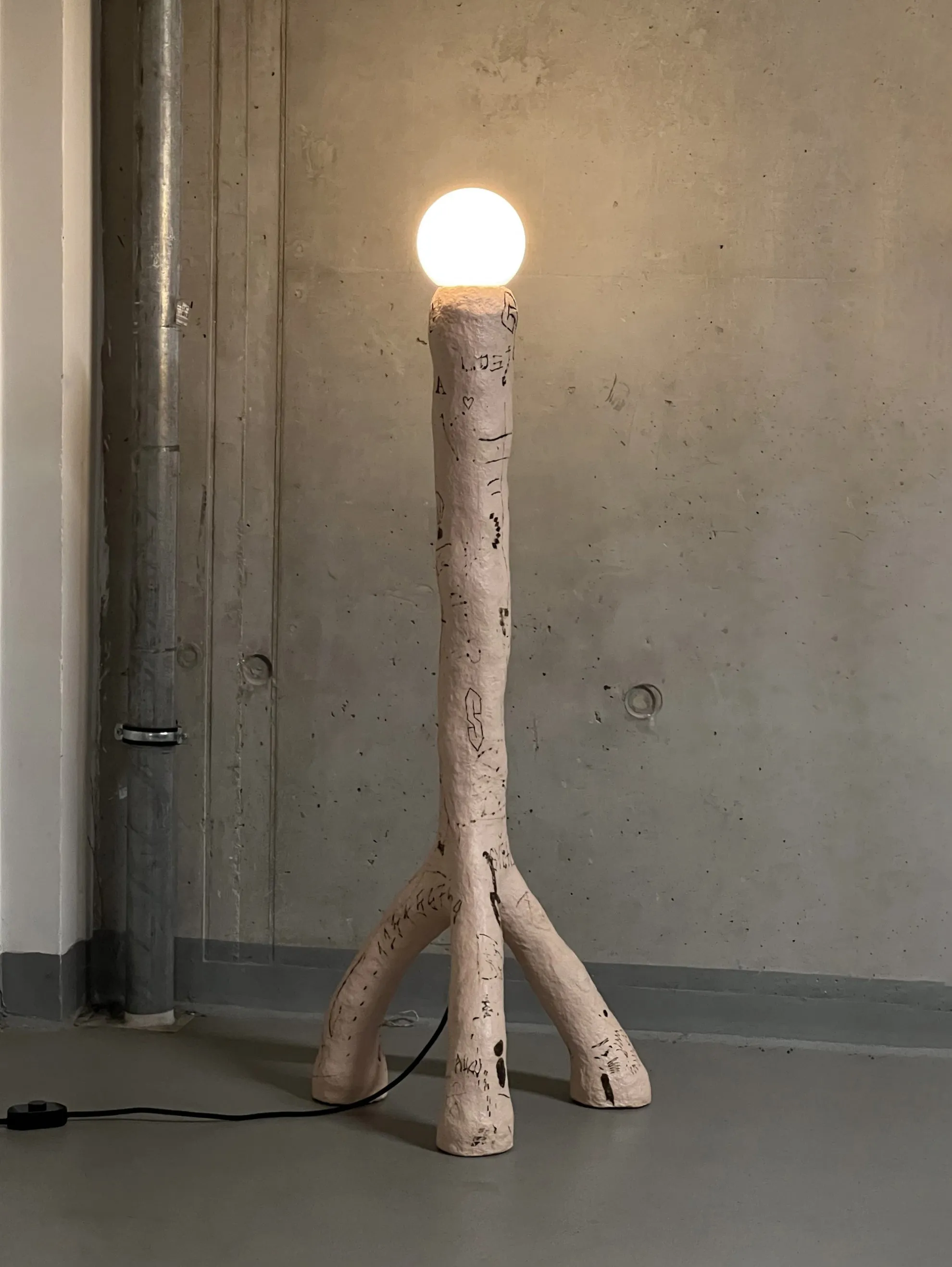
Made from crushed, recycled paper, steel and glass, David Čáp’s floor lamp resembles a freestanding creature. Drawings burned into its surface read as tattoos, while its glowing head looks hopefully into the future. Notably, it is in stock.
By David Čáp
€1.400 incl. tax
Acesa Luminária Em Papel Machê by Sandro Vieira studio
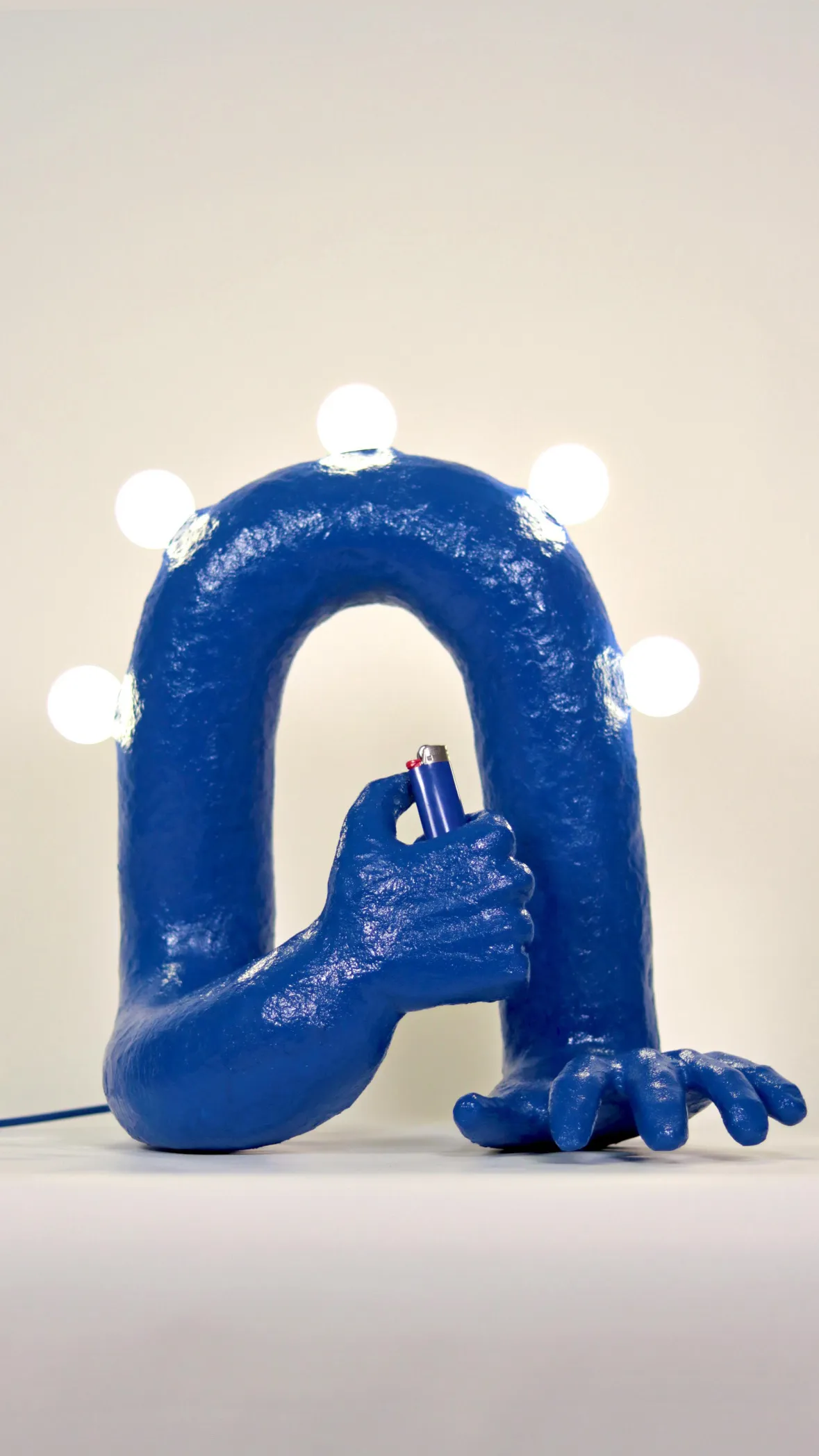
Acesa is part sculpture, part character, part lamp: an intense blue arch with a hand on the ground and another holding a lighter, crowned by a halo of bulbs. It is made of papier-mâché with acrylic paint and a glossy resin finish. As a result, it brings humor and presence to any room, and it is in stock.
€550 incl. tax
Frequently asked questions
What is paper art?
Art made with paper as the main material, including origami, paper cutting, quilling, collage, papier-mâché and paper sculpture.
Is papier-mâché furniture durable?
Yes, when made well. Layered and sealed papier-mâché is light but strong, and many pieces are finished with resin or lacquer for protection.
Are paper lamps safe?
Yes, with LED bulbs, which stay cool. Keep paper shades away from open flames and follow the maker’s bulb guidance.
What is washi paper?
A traditional Japanese paper made from plant fibers such as mulberry. It is strong, translucent and softly diffuses light, which makes it ideal for lamps.
How do I care for paper lamps and objects?
Dust gently with a soft brush or dry cloth, and keep them away from moisture and direct sunlight to prevent fading or warping.
Paper, reimagined
Paper art is a versatile, evolving field that blends traditional craft with contemporary design. From ancient folding and cutting to sculptural lamps and furniture, it continues to attract new makers and audiences, and to prove that the humblest material can become something remarkable.