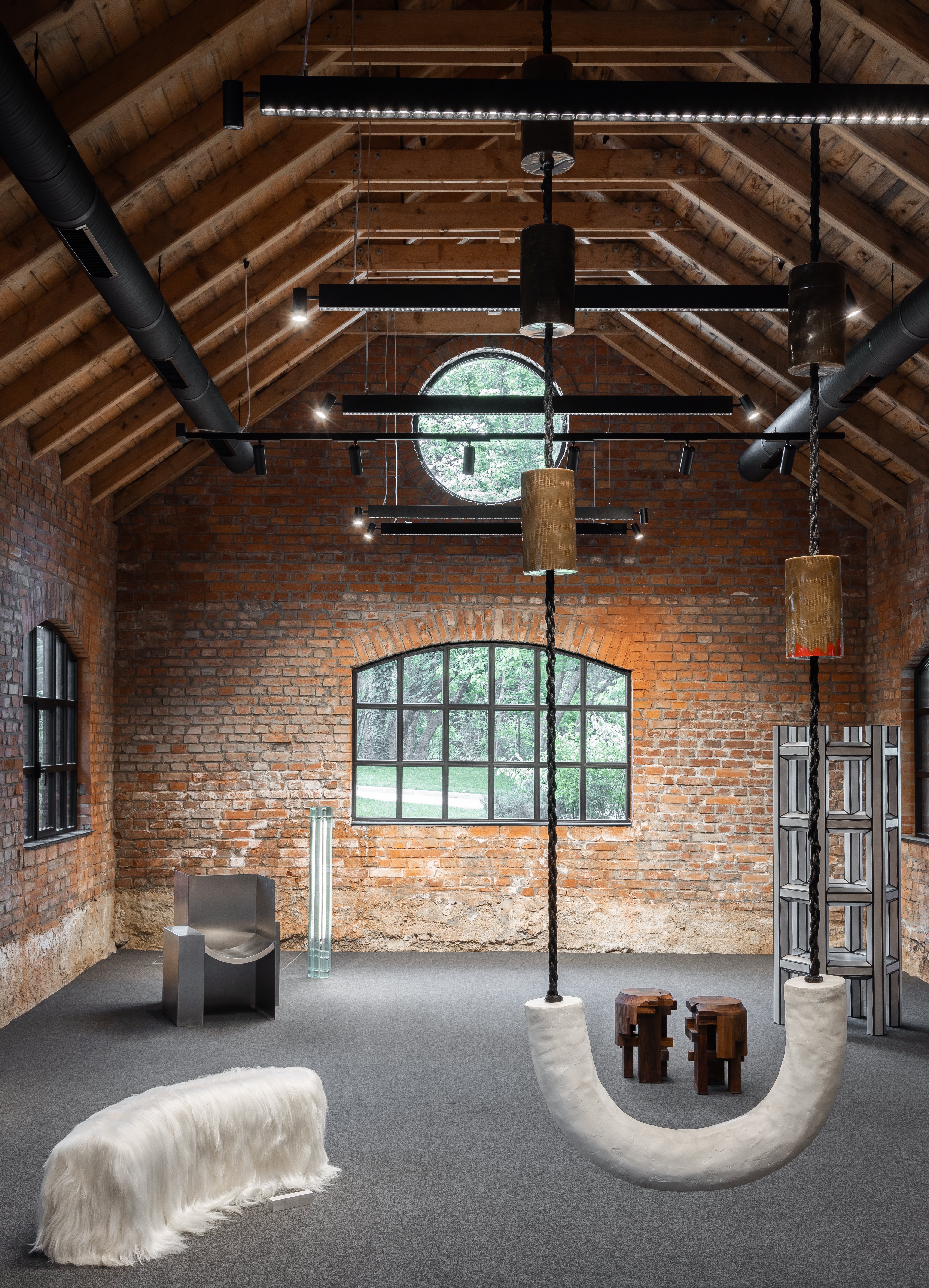
In May 2024, a former industrial hall in Bucharest became the first stage in Eastern Europe built for collectible design.
Updated on: October 31, 2026
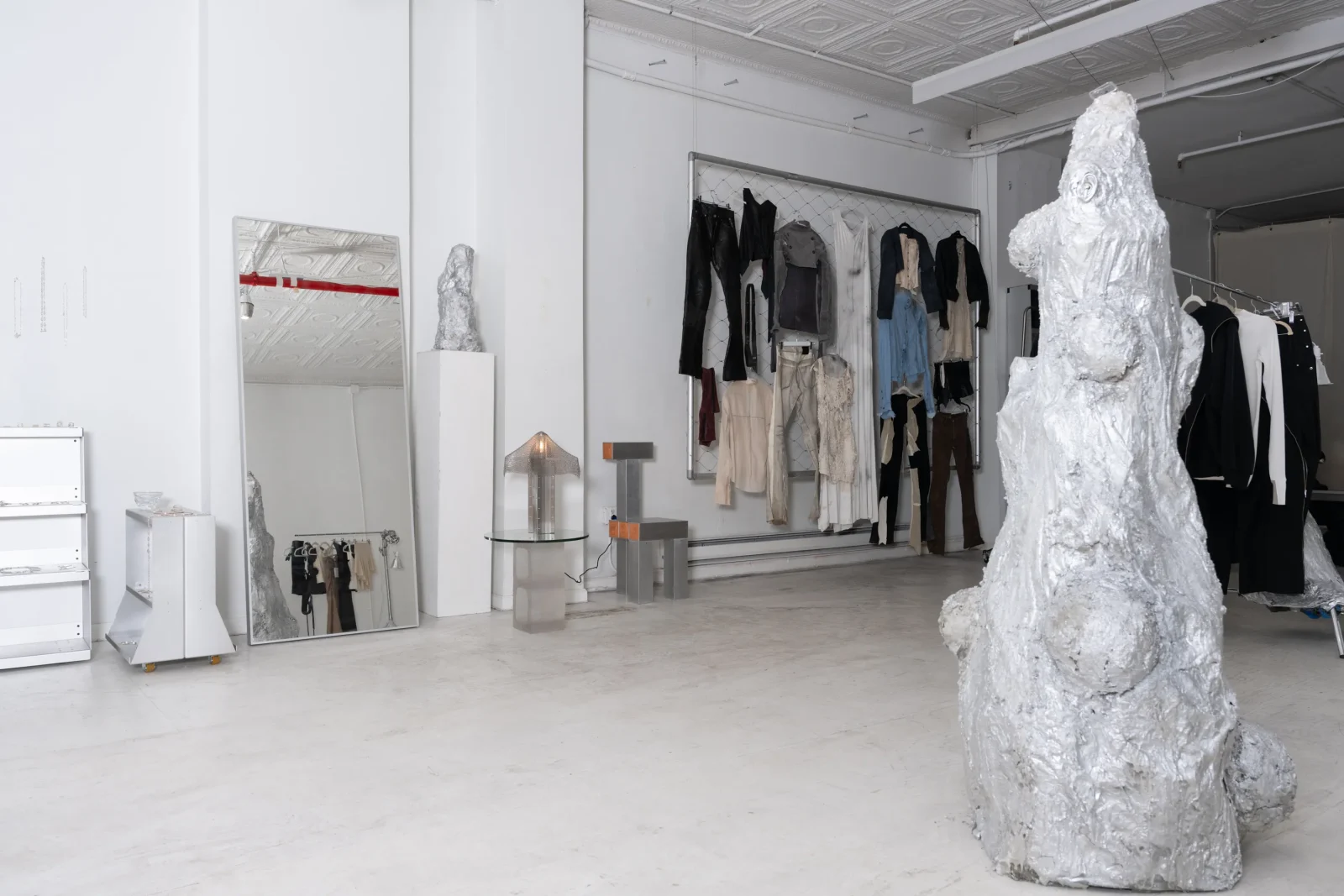
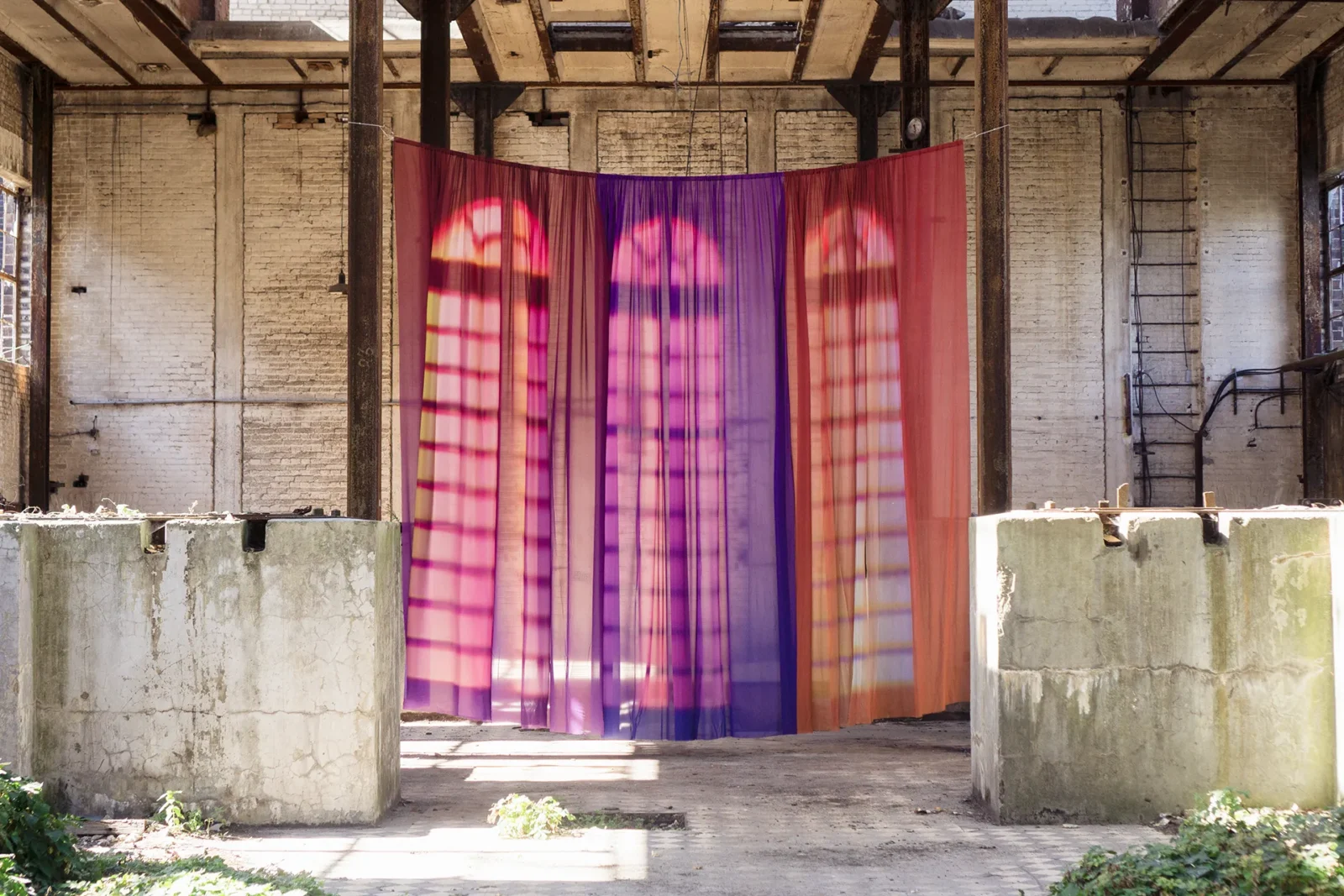
RAD DESIGN 2024 opened as the first contemporary collectible design fair in Eastern Europe. Held from May 16 to 19, 2024, in the Atelier of CARO in Bucharest, it brought Romanian and international designers and galleries together in one brick-walled hall, and it set out to show that a fair in the region could carry the same weight as those in Brussels, Paris or Milan.
This article is a record of that first edition: what the fair set out to do, the collection ADORNO showed there, the galleries and designers in the main exhibition, and the program of talks around it.
RAD Design 2024: A Collectible Design Fair for Eastern Europe
RAD DESIGN grew out of RAD ART FAIR, whose first edition took place in Bucharest in 2023. Its director and curator, Adela Maria Marius, framed the design fair as a challenge to habit: “It’s time to radically reconsider the conventional roles we assign to the things surrounding us.” Accordingly, the curatorial theme for 2024 was “With or without poetry, with or without function,” an invitation to see everyday objects as something to think about as well as use.
The ambition was regional as much as artistic. Specifically, the fair aimed to raise the profile of Romanian design abroad while giving international designers a new audience in Eastern Europe, at a time when, as the organizers put it, culture needed a stage in times of geopolitical uncertainty. The fair was presented with the support of UniCredit Bank and Kultho, at the Atelier of CARO.
ADORNO x RAD DESIGN: Glass, Stoneware and Metal
As part of the first edition, ADORNO showed a collection of sculptural pieces and tableware at the fair, from hand-blown glass to pressed and cut metal. The selection focused on the everyday object treated with care: a glass to drink from, a plate, a vase, a set of cutlery. Much of it belonged on the table, and the rest of our tableware follows the same idea.
Among the highlights, Prague-based artist Elis Monsport presented the Forester glasses, hand-blown in a shape taken from a piece of cork wood found on a walk through the Pyrenees. Lucia Mondadori showed stoneware whose curves follow the growth of roots, and Milena Kling brought her mouth-blown Flow vases, each wrapped in woven copper. Meanwhile, Los Objetos Decorativos showed plates made by fusing and thermoforming glass. These designers have since left ADORNO.
Tim Teven’s Pressure vases, made by crushing steel tubes under extreme force, were also part of the selection, and they are still available on ADORNO today.
Pressure Vase Square by Tim Teven

Tim Teven presses steel tubes under up to 45 metric tons of force until they yield into soft, irregular folds. Notably, those same folds clamp the base disc in place, so the deformation is what turns a tube into a vase. At 8 x 8 x 23 cm (3 x 3 x 9 in), it holds a single stem on a shelf, a desk or a windowsill.
By Tim Teven
€215 incl. tax
The Main Exhibition: Galleries and Designers
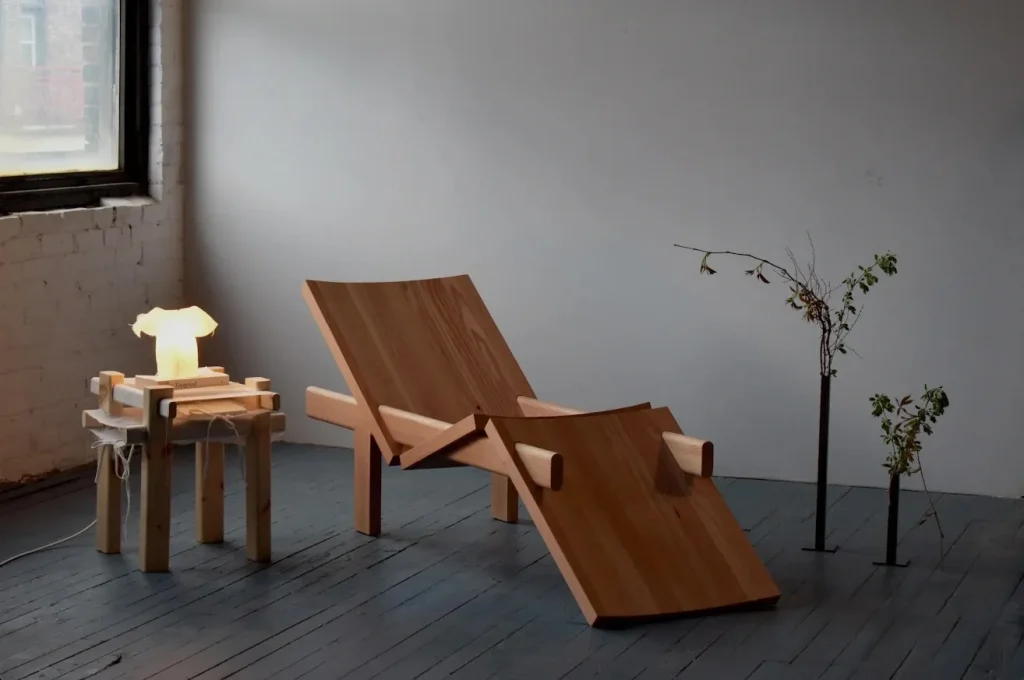
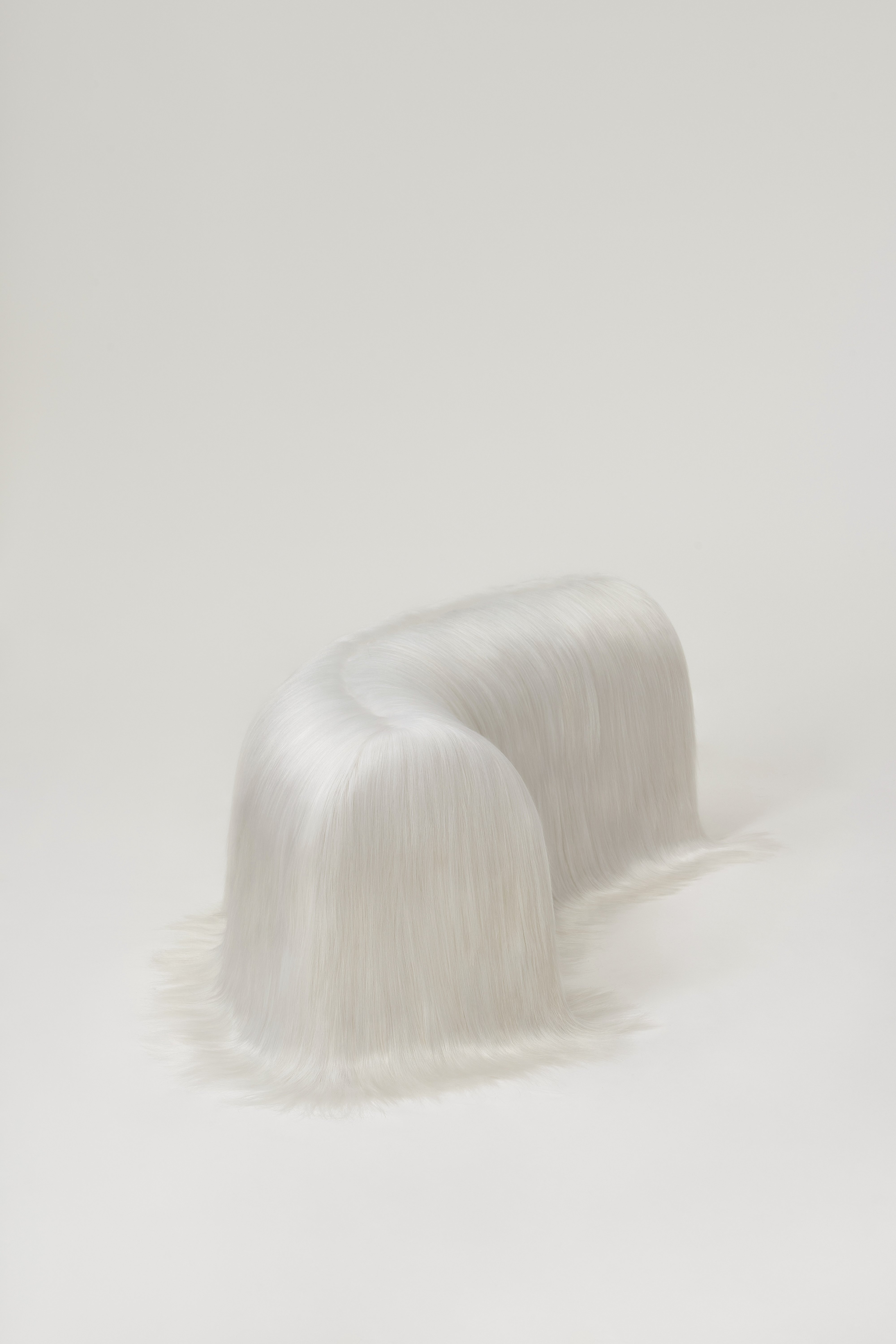
The main exhibition gathered galleries and independent designers whose work pushed at the line between form and function. Atelier V&F, the Chinese studio of Chen Furong and Vera Zaishi Wang, showed Revelation of Gaia, forms covered in soft goat fleece that suggest both a shifting glacier and a resting animal. BRUT Gallery, from Bucharest, presented Berlin-based Henry Baumann, whose BOO side tables and seats are cast in resin, shaped partly by chance. EPRETEXT Gallery showed the Romanian designer Radu Abraham, who mixes Romanian heritage with upcycling.
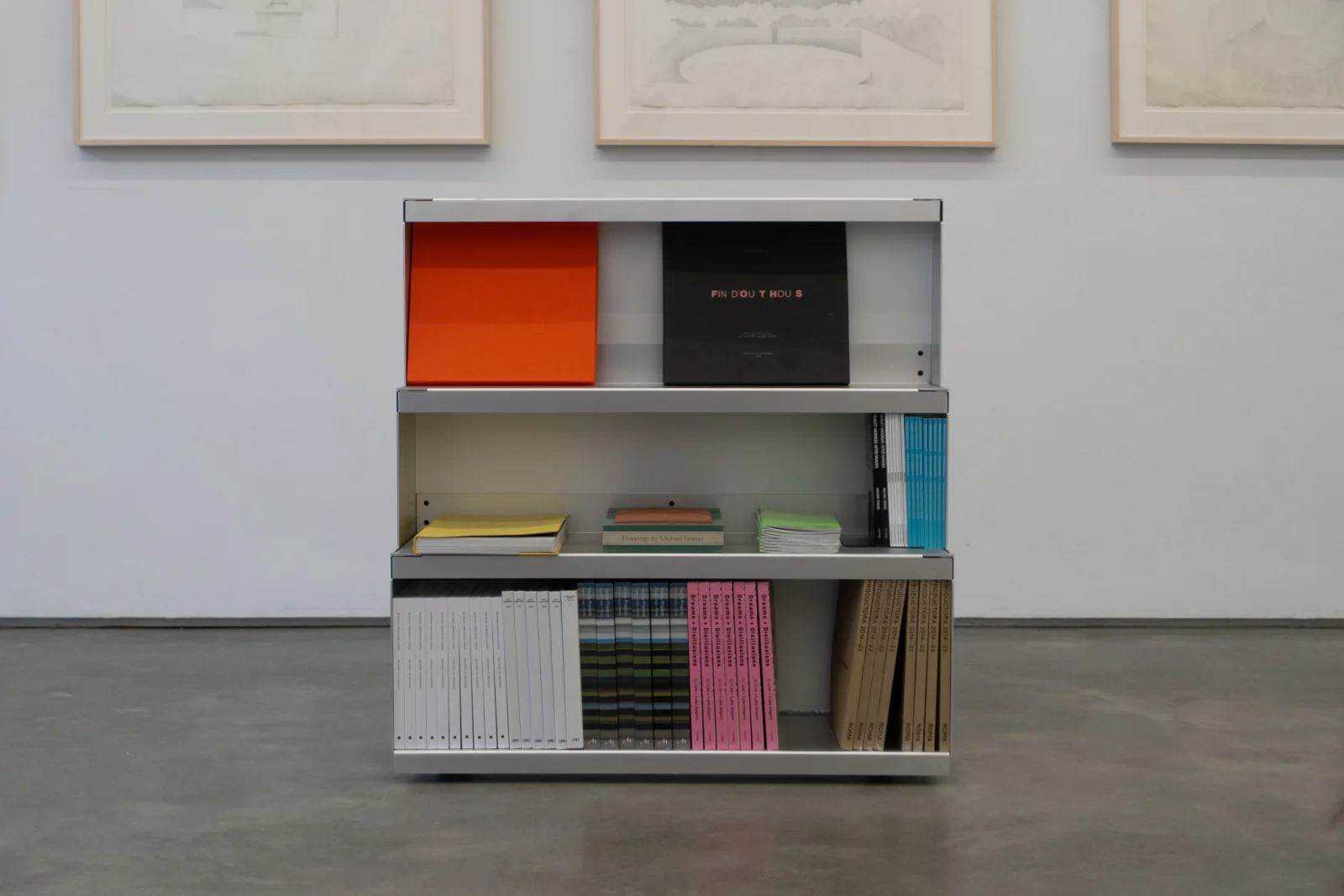
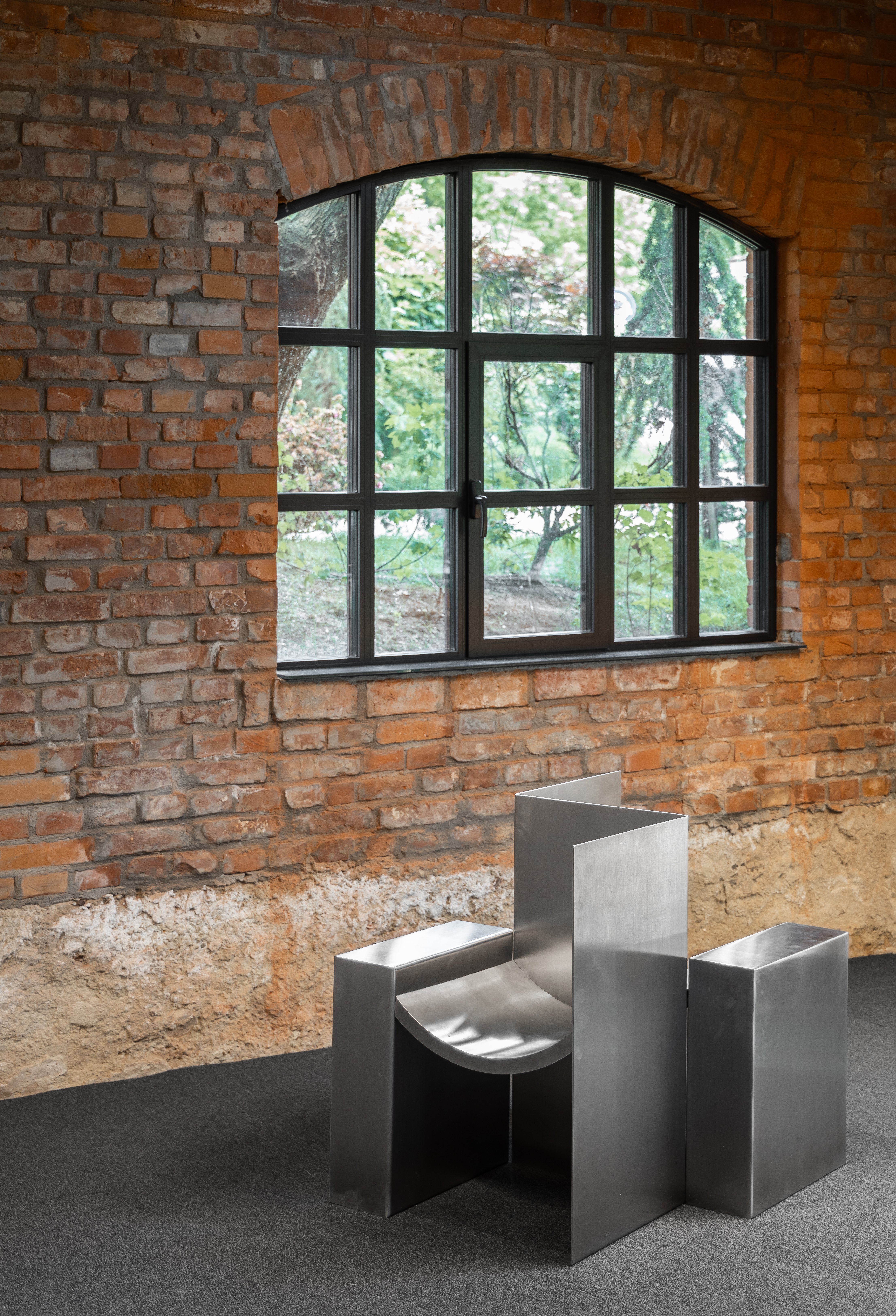
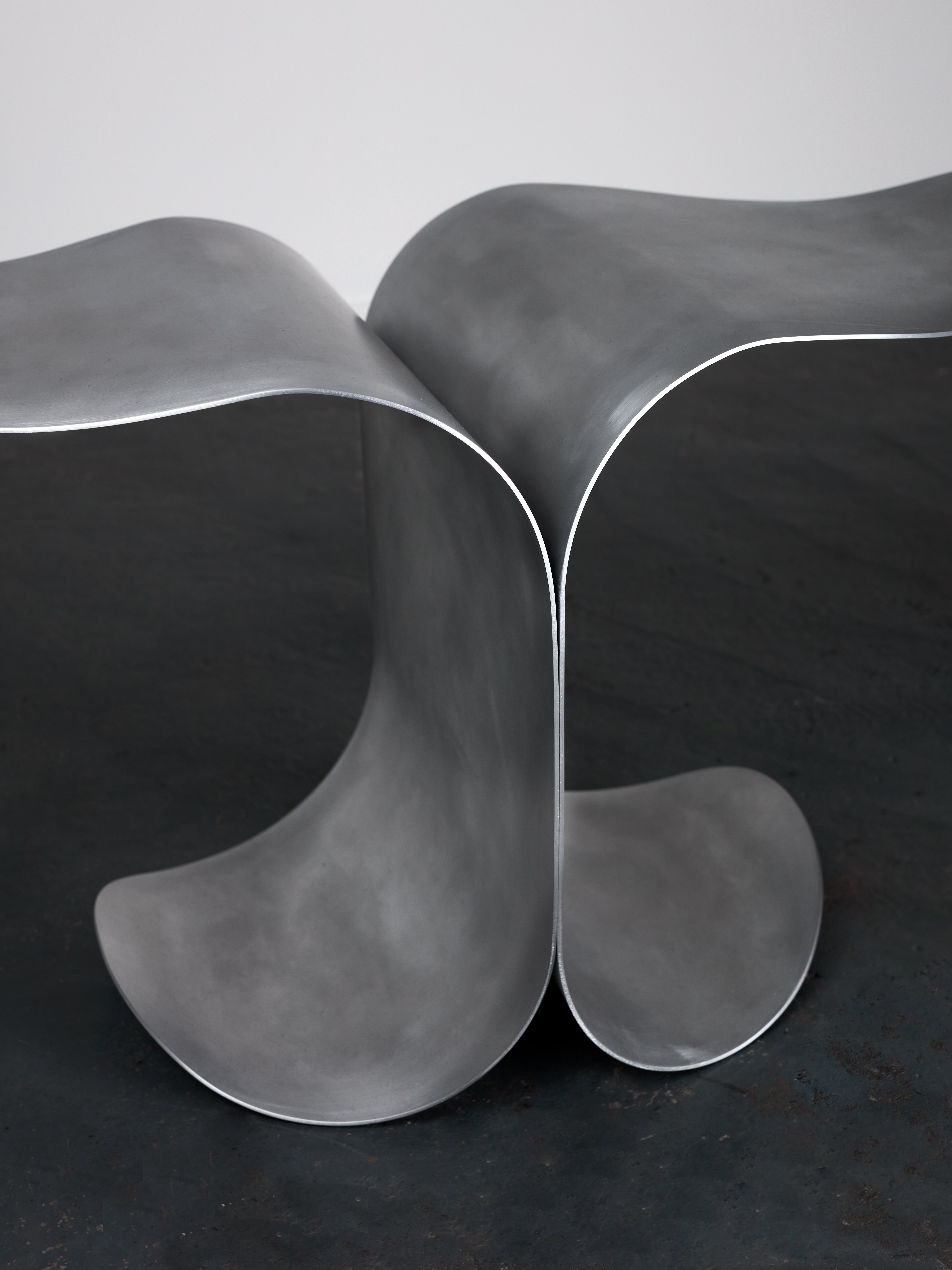
From Eindhoven, Paul Coenen brought his sheet-metal furniture in stainless steel, which uses the natural tension of the metal as a self-locking joint, so pieces such as the Camber stool and the Arc table lamp need no welding, screws or fasteners. Furthermore, Brussels-based, Romanian-born Șerban Ionescu presented HVACuum, a sculpture drawn from his book 148 Oblique Drawings. Antwerp-based Yoon Shun showed objects inspired by traditional Korean painting, looking for meaning in simple, everyday forms.
Taken together, the exhibition set Romanian and international designers side by side, across materials from fleece to resin to steel. As a result, it made the case that design can work as a shared language across borders.
Several of the exhibitors work at the edge between sculpture and furniture. Indeed, very few pieces in the hall were made only to be looked at, and very few only to be used. That balance, between poetry and function, was the point of the curatorial theme, and it gave the first edition a clear identity of its own.
Talks, Tours and Performances
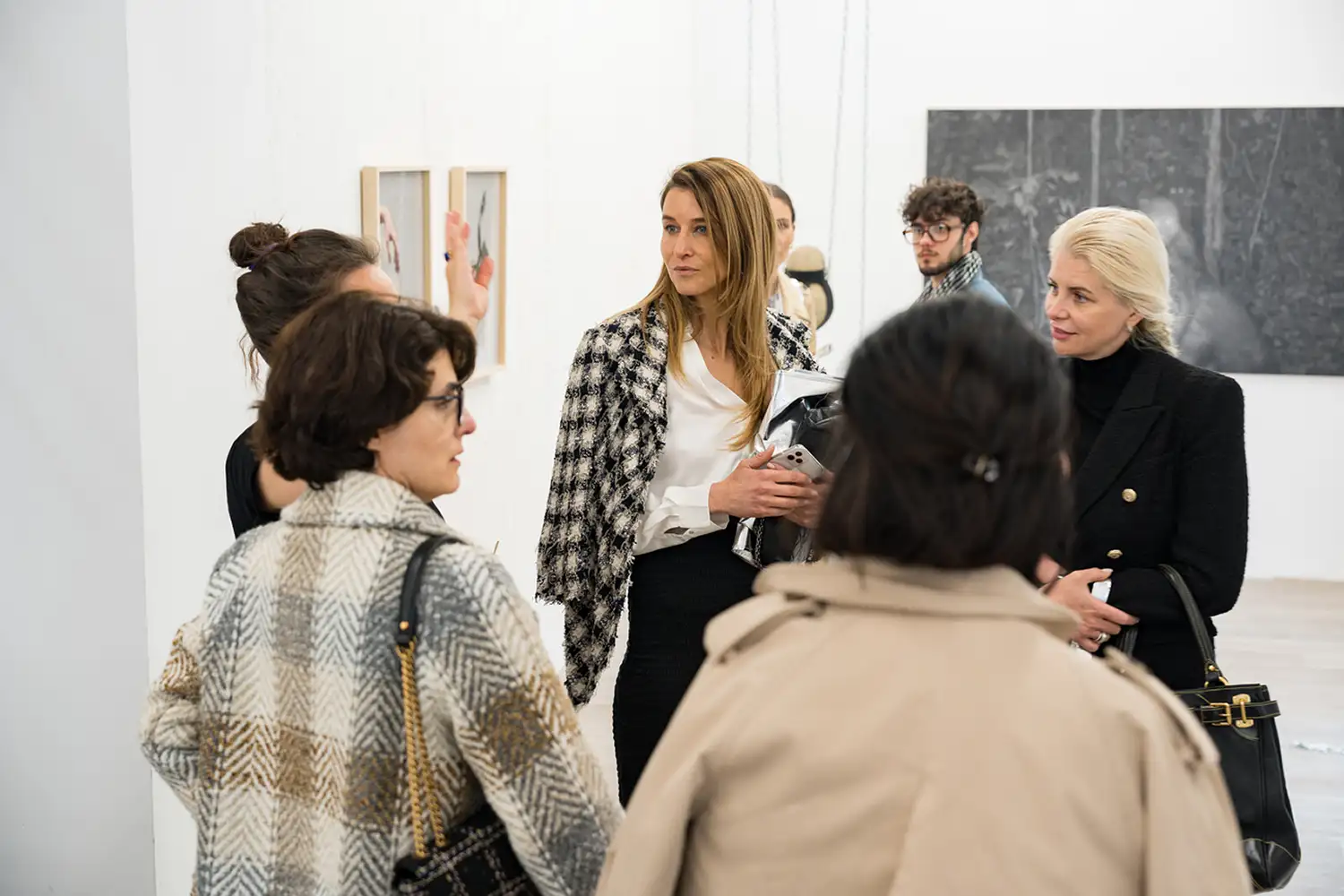
Beyond the exhibition, RAD DESIGN ran a program of talks and events for professionals and newcomers alike. The fair opened on May 15 with a press preview of the RAD DESIGN & SCULPTURE PARK, followed by a VIP opening with a tour led by the artists Cristina Vasilescu and Robert Bejenaru.
In the talks, Adela Maria Marius spoke with Apartamento magazine and Șerban Ionescu about the fair itself, a panel on art patronage looked at how art and design are funded, and Curating Change brought curators and institutions together to discuss how their practice is shifting. In addition, a curatorial tour took visitors to galleries and studios across Bucharest, and Nona Inescu’s performance The School of Applause brought live art into the fair.
Why RAD Design Mattered
Collectible design fairs have multiplied over the past decade, a rise Wallpaper* traces up to the launch of Salone Raritas in Milan. Until 2024, though, Eastern Europe had no fair of its own. RAD DESIGN filled that gap, with a focus on sustainable and radical design and on designers from the region who rarely appear at fairs in the West.
For ADORNO, the fair was a chance to show collectible design to a new audience and to meet designers working in Romania and nearby. For a wider view of the fair circuit, see our report from Collectible 2026 in Brussels.
Frequently Asked Questions
What is RAD DESIGN?
RAD DESIGN is a collectible design fair in Bucharest, Romania, run alongside RAD ART FAIR. Its first edition, in May 2024, was the first contemporary collectible design fair in Eastern Europe.
Where did RAD DESIGN 2024 take place?
At the Atelier of CARO in Bucharest, from May 16 to 19, 2024, with a press preview on May 15.
Who was the curator of RAD DESIGN 2024?
Adela Maria Marius, the fair’s director and curator, under the theme “With or without poetry, with or without function.”
What did ADORNO show at RAD DESIGN?
A collection of sculptural pieces and tableware in glass, stoneware and metal, including hand-blown glasses, stoneware vessels, fused glass plates and Tim Teven’s Pressure vases.
Is RAD DESIGN held every year?
That was the plan from the start: the organizers set out to make RAD DESIGN a recurring event that highlights designers from Eastern Europe and draws international participants who share a commitment to sustainable and radical design. Check the RAD ART FAIR website for current dates.