Environmental Wellness: Design for Doing Less
Environmental wellness focuses on how the spaces around us shape our physical comfort, emotional balance, and daily habits. Light, materials, air, sound, and spatial flow all influence how we feel and function at home. Thoughtful interiors support calm, clarity, and a deeper sense of connection to our surroundings.
Rather than emphasizing perfection, environmental wellness values awareness. It encourages interiors that respond to human needs through texture, proportion, and sensory balance. This perspective appears across contemporary design conversations around biophilic design, material honesty, and slower, more intentional living.
What Is Environmental Wellness
Environmental wellness describes the relationship between personal well-being and the built environment. It considers how design choices affect mood, energy, focus, and rest.
Natural light, breathable materials, visual calm, and meaningful objects all play a role. Environmental wellness does not rely on trends, but on long-term comfort and awareness, aligning closely with ideas explored in nature-led design.
Why Environmental Wellness Matters in Interior Design
Modern life places constant demands on attention and energy. Interiors that support environmental wellness help counterbalance this by creating spaces that feel restorative rather than overstimulating.
Designers increasingly consider wellness as a design principle rather than an add-on. This shift mirrors broader discussions in our relationship with objects and how spaces support daily rituals.
Core Elements of Environmental Wellness
Light and Rhythm
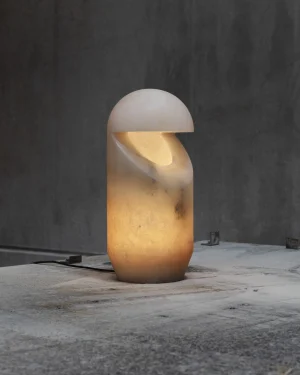
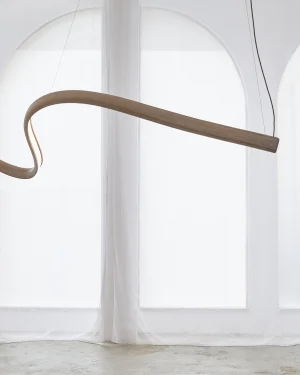
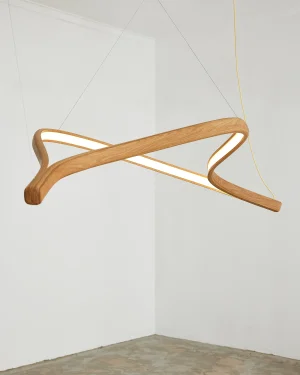
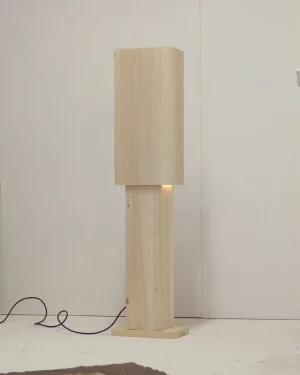
Natural light supports circadian rhythms and emotional balance. Layered lighting helps adapt spaces throughout the day. See approaches to light in diffused lighting and sculptural illumination.
Material Awareness
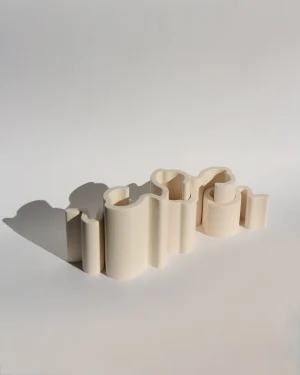
Materials influence how a space feels to the touch, eye, and body. Natural and tactile surfaces such as wood, stone, ceramics, and textiles ground interiors and introduce warmth.
Material choices often reflect values tied to longevity and care, as explored in ceramic design and woodworking traditions.
Air, Space, and Flow
Clear circulation, uncluttered layouts, and breathable spaces support ease of movement and mental clarity. This principle appears frequently in minimalist and wabi-sabi interiors.
Sound and Texture
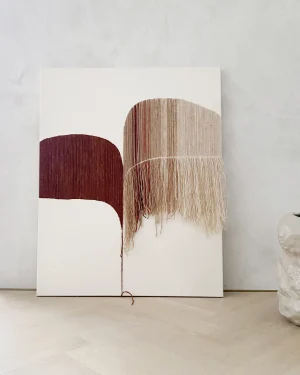
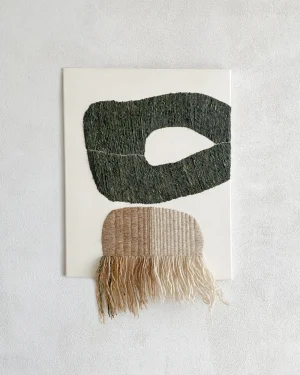
Soft surfaces, layered textiles, and sculptural wall elements help absorb sound. Rugs, wall art, and textiles reduce echo and create acoustic comfort.
Environmental Wellness by Room
Living Room
In the living room, environmental wellness comes from balanced seating layouts, layered light, and grounding materials. Sculptural objects and tactile surfaces create visual interest without overstimulation.
Bedroom
The bedroom benefits from subdued lighting, natural materials, and visual calm. Textiles, wood furniture, and soft color palettes encourage rest and recovery.
Dining Room
Environmental wellness in the dining room supports connection and ritual. Thoughtful tableware, lighting, and material contrast enhance shared moments.
Home Office
In the home office, wellness-driven design focuses on light positioning, ergonomic furniture, and visual order. Mirrors, plants, and warm materials reduce fatigue and improve focus.
Entryway
The entryway sets the emotional tone of the home. Clear surfaces, calming materials, and intentional objects help transition between outside and inside.
Objects That Support Environmental Wellness
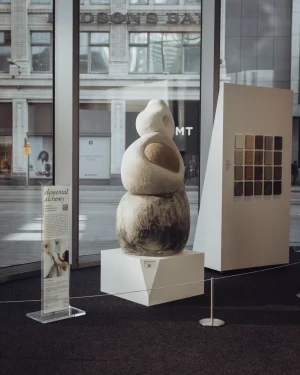
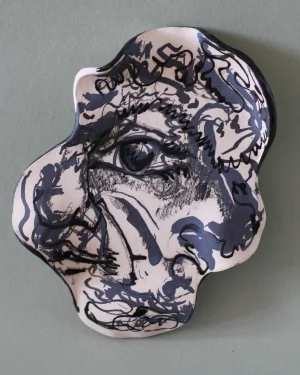
Decor objects play a meaningful role in shaping atmosphere. Wall art, mirrors, vessels, and sculptural forms add rhythm and reflection to a space.
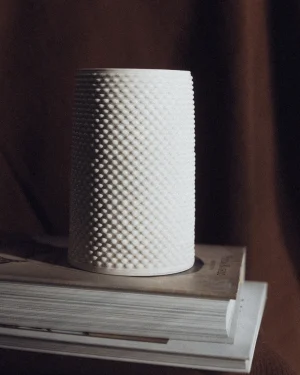
Explore sculpture, vases, mirrors, and rugs that support sensory balance and visual grounding.
Sustainability and Environmental Wellness
Environmental wellness often overlaps with sustainability, but the focus remains on lived experience. Long-lasting materials, repairable objects, and thoughtful production reduce both environmental and mental strain.
This mindset aligns with ideas in sustainable design and artisanal craft, where care and intention shape the design process.
Common Mistakes to Avoid
- Overcrowding spaces with visual noise
- Ignoring natural light and airflow
- Using hard, reflective surfaces without balance
- Choosing objects without emotional or tactile value
How to Begin an Environmental Wellness Approach
Start with awareness. Observe how a room feels at different times of day. Notice light, sound, and movement.
From there, introduce materials and objects that support calm and clarity. Small changes, such as adding a mirror to reflect light or introducing natural textures, often have the greatest impact.
For further guidance, explore zen-inspired interiors, cozy living spaces, and curated design inspiration.
Environmental wellness is not about control or minimalism alone. It is about creating spaces that feel supportive, grounded, and aligned with how we live each day.


 Free shipping
 In stock
 In stock
 In stock
 In stock
 In stock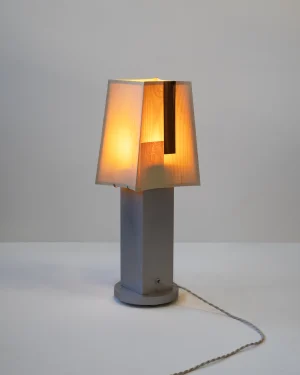
 In stock
 Free shipping

 In stock
 In stock
 Free shipping
 Free shipping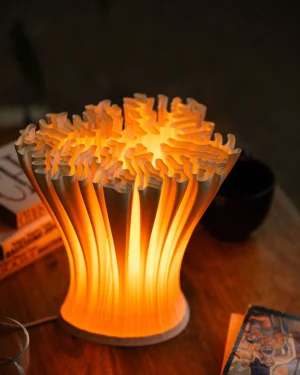
 In stock
 In stock
 In stock
 In stock
 Free shipping
 Free shipping
 Free shipping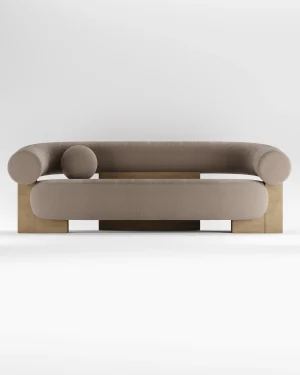
 Free shipping
 In stock
 Free shipping
 In stock
 In stock
 Free shipping