Eclectic decor as curated contrast
Eclectic decor builds interiors through contrast rather than consistency. Objects with different origins, materials, and visual languages coexist, creating spaces that feel layered, expressive, and personal. Instead of following one dominant style, eclectic rooms evolve through accumulation and intuition.
This approach appears frequently across eclectic design and eclectic decor, where balance comes from tension, not uniformity.
What defines eclectic decor
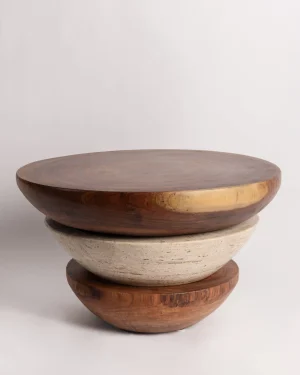
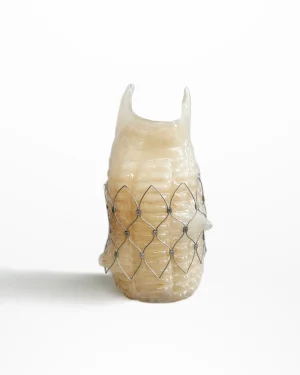
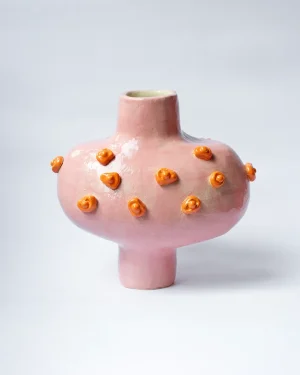
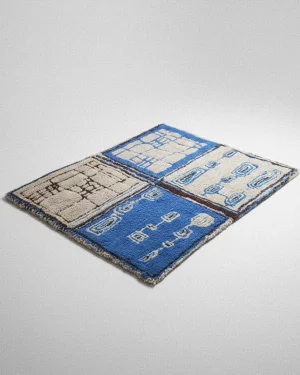
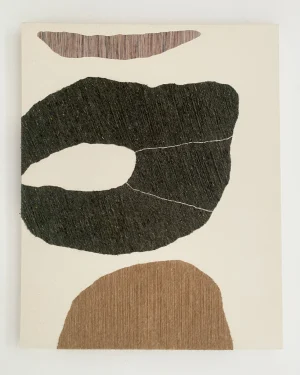
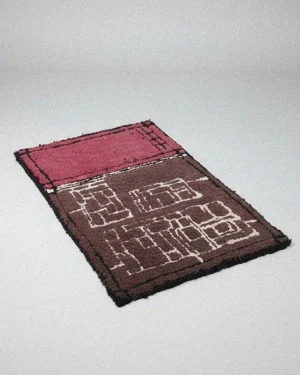
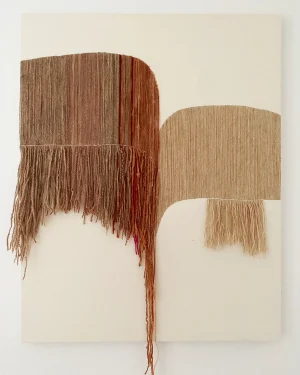
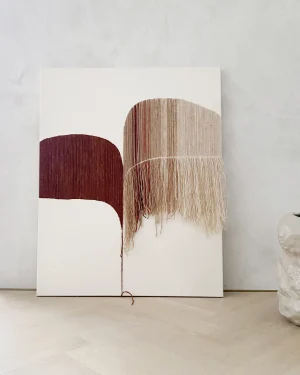
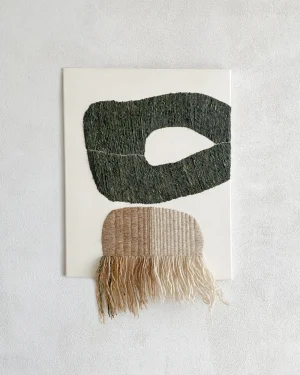
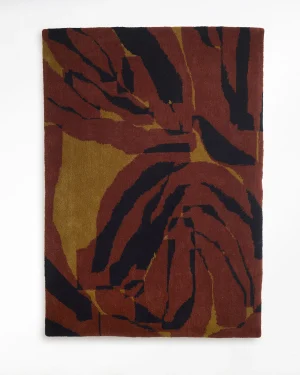
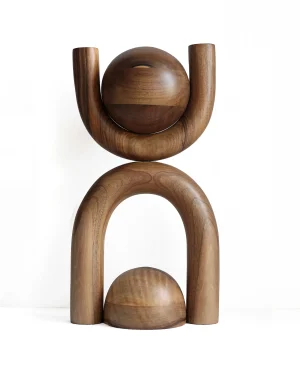
Eclectic decor prioritizes dialogue between objects. A sculptural form may sit beside a restrained surface. Handcrafted pieces often contrast with precise geometry. These juxtapositions are not accidental. They are guided by scale, material, and proportion.
Unlike minimalist or strictly modern interiors, eclectic spaces allow irregularity. This openness is often supported by principles explored in geometric minimalism, where structure helps frame expressive elements.
Eclectic decor and collectible design
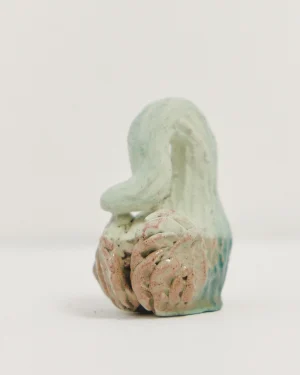
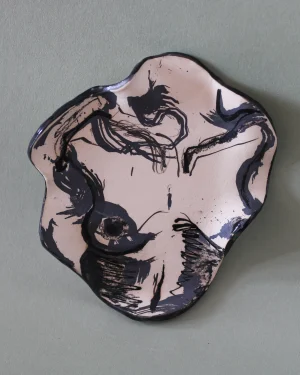
Many eclectic interiors are shaped around collectible design rather than sets or collections. Objects are chosen individually, often for their material presence or conceptual weight. This way of living with design is discussed in collectible design and expanded through functional art.
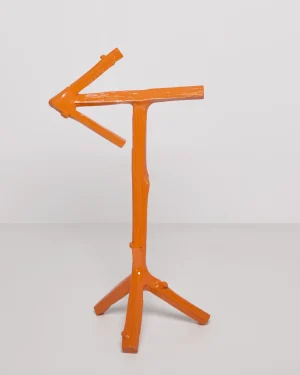
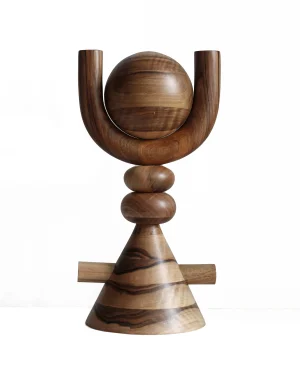
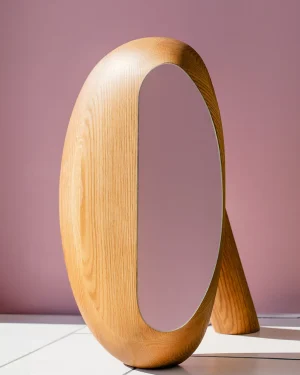
Sculptures, mirrors, and lighting often become anchors in these spaces. You see this clearly across sculptures, mirrors, and table lamps that operate as focal points rather than background elements.
Key elements of eclectic decor
Material contrast
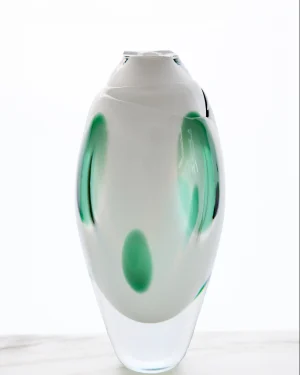
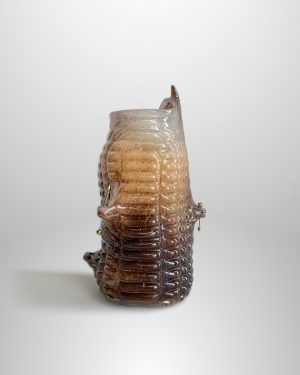
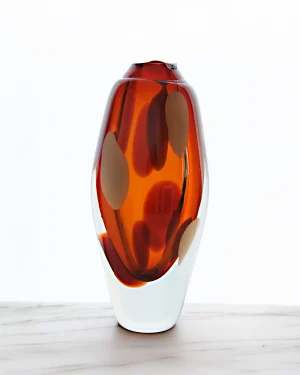
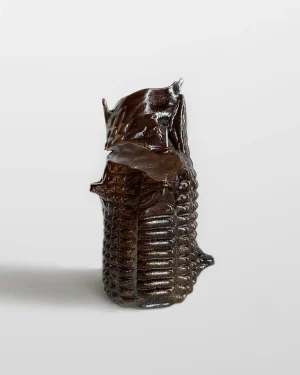
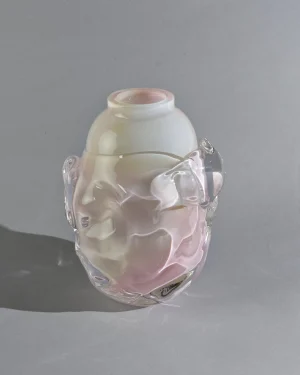
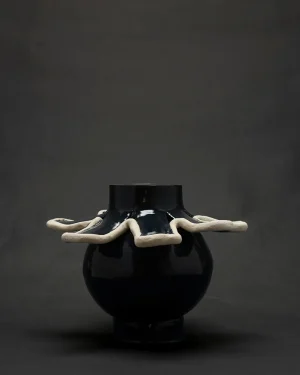
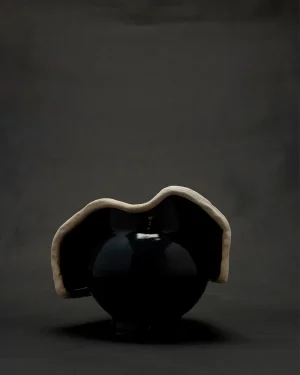
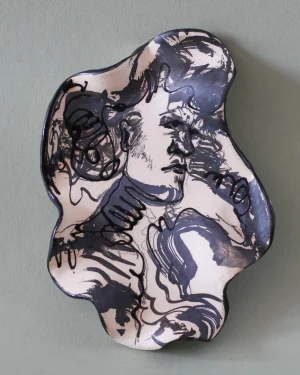
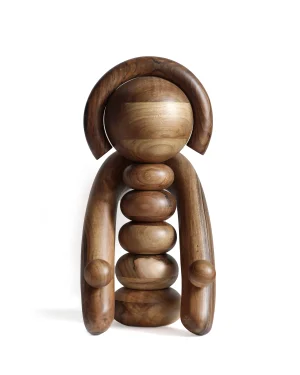
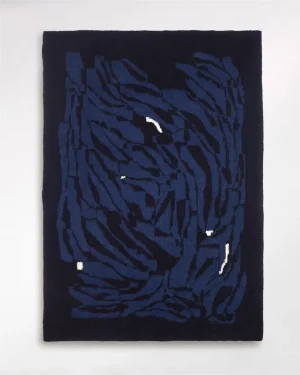
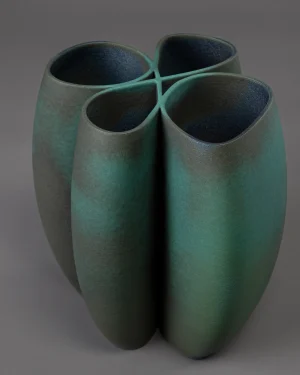
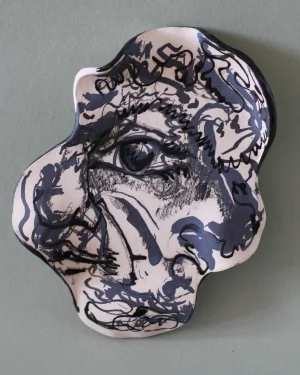
Eclectic decor thrives on material interplay. Ceramic surfaces meet metal finishes. Wood adds warmth beside glass or stone. These contrasts appear often across ceramics, brass, and marble.
Varied scale and proportion
Eclectic rooms rarely rely on symmetry. Large statement pieces coexist with smaller, quieter forms. This imbalance keeps interiors active and prevents predictability, a strategy often used in pedestal design and optical compositions.
Mixed references and eras
Eclectic decor frequently blends historical references with contemporary production. Mid-century lines may appear alongside radical or conceptual objects. This cross-temporal dialogue surfaces in mid-century modern, radical design, and conceptual design.
Eclectic decor by room
Living room
In the living room, eclectic decor often centers on seating and tables. A single expressive chair or sculptural coffee table can define the space. Layout strategies and object pairings appear throughout living room design, lounge chairs, and coffee tables.
Dining room
Eclectic dining rooms often mix table forms with varied seating. Chairs do not need to match, as long as scale and material relationships feel intentional. This approach aligns with dining room design and eclectic tables.
Bedroom
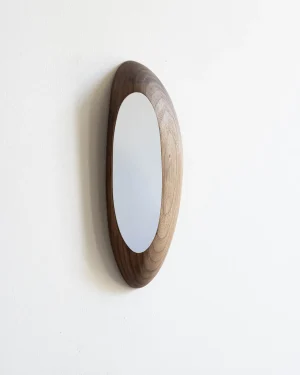
In bedrooms, eclectic decor becomes more restrained. A sculptural light, mirror, or ceramic object can introduce depth without visual overload. This balance is explored in bedroom design and cozy interiors.
Entryway and hallway
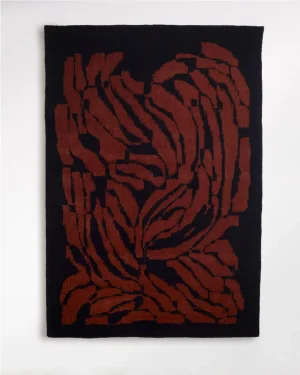
Entryways are ideal for eclectic gestures. A mirror, console, or wall object can establish tone immediately. You see this clearly across entryway design, hallway pieces, and wall decor.
Styling eclectic decor without clutter
Strong eclectic interiors rely on restraint. Objects need space to register individually. Rather than filling every surface, designers allow pauses between forms. This idea echoes principles found in midimalism and black and white design.
Grouping by material or color can also introduce clarity, even when forms remain diverse.
Common mistakes to avoid
Eclectic decor is not random. Without intention, contrast quickly turns into visual noise. Avoid competing focal points in a single zone. Let one or two objects carry weight while others support quietly.
Scale is another frequent pitfall. Oversized pieces require breathing room, while smaller objects benefit from thoughtful layering, a principle visible in versatile stools and side tables.
How to begin with eclectic decor
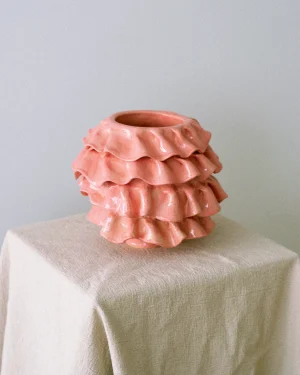
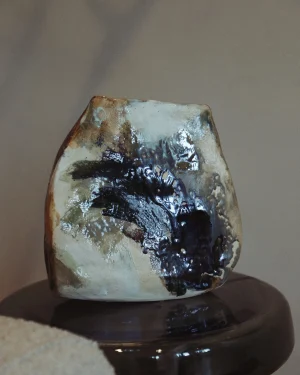
Start with one object that feels visually or emotionally strong. This might be a sculptural mirror, a ceramic vessel, or a statement light. Build outward using materials, textures, or colors that respond rather than repeat.
Many designers refine this process by moving between eclectic decor, eclectic seating, and eclectic tables, allowing contrast to guide cohesion rather than constrain it.


 In stock
 In stock
 In stock
 In stock
 In stock
 In stock
 In stock
 In stock
 In stock
 In stock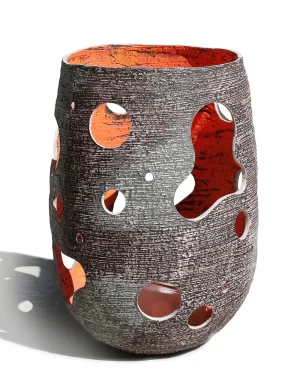
 In stock
 In stock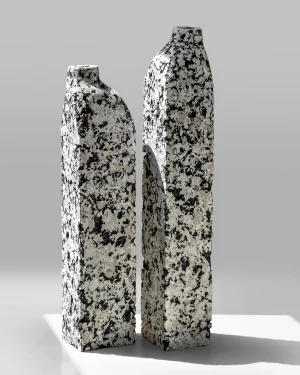
 In stock
 In stock
 In stock
 In stock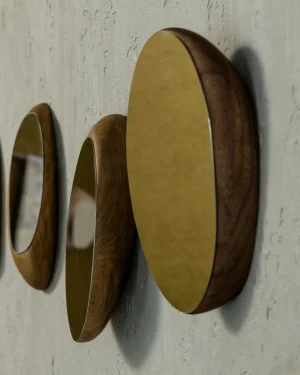
 In stock
 In stock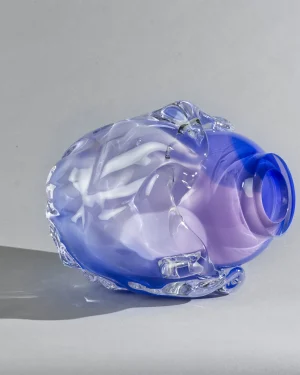
 In stock
 In stock
 In stock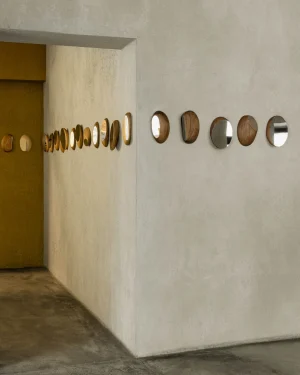
 In stock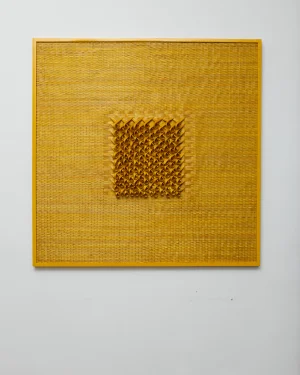
 In stock
 In stock
 In stock
 In stock
 In stock
 In stock
 In stock
 Sold
Sold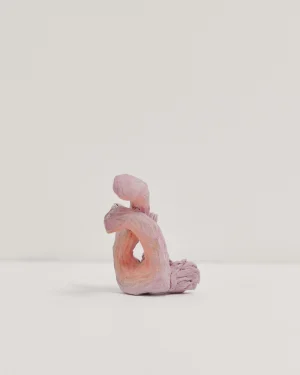 In stock
 In stock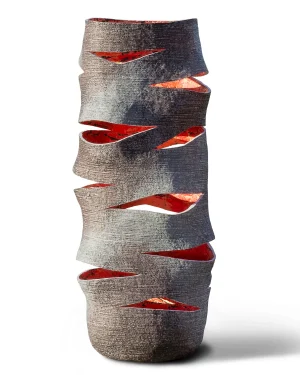
 In stock
 In stock
 In stock
 In stock
 In stock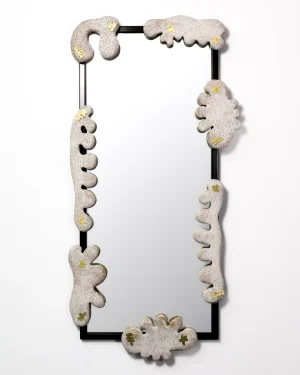
 In stock