The Material Language: Contemporary Mexican Design and Its Makers
Updated on: September 24, 2026
“It is always refreshing to admire how designers translate the richness of ancient materials and techniques into forward-looking pieces. Tradition is timeless and all-around, and the thoughtful work of all of these designers is proof of that.”
– Ana Elena Mallet & Pilar Obeso, curators
A diversity of identities, artistic movements and approaches to creation defines contemporary Mexican design. From Mexico City and Guadalajara to Oaxaca and Monterrey, a new generation of makers draws on long-standing cultural heritage and craft traditions to shape their own design legacies, often with a twist. They work with local artisans and master craftspeople, combining artisanal knowledge with a contemporary aesthetic.
In 2020, curators Ana Elena Mallet and Pilar Obeso explored this moment in “The Material Language: Connecting through Forms, Colors, and Textures,” a collection built around the senses. Their conversation still captures what makes the scene so distinctive. Alongside it, we present pieces by Mexican studios available today, from hand-carved cantera stone to parota wood and mouth-blown glass.
What defines contemporary Mexican design?
Contemporary Mexican design is marked by three things: deep respect for material, close collaboration with artisans, and a willingness to reinterpret tradition rather than simply preserve it. Stone, clay, wood, glass and textiles are worked with techniques passed down for generations, then pushed into new forms. Consequently, Mexican furniture and decor often feel both rooted and surprisingly experimental.
The scene is also strikingly diverse. It spans sculptural furniture, lighting, ceramics, textiles and jewelry, and moves easily between collectible design and everyday objects. For more context, see our guide to design destinations and the studios shaping each one.
The Material Language: the 2020 collection
Following their earlier collections for Mexico City and Guadalajara, Mallet and Obeso selected pieces for their effect on the senses: sight, touch, and sometimes even hearing and smell. The original collection featured work by Ángela Damman, Bi Yuu, Comité de Proyectos, CUATA, Déjate Querer, Joel Escalona, Jorge Diego Etienne, MADDA STUDIO, Maxine Álvarez, Peca, Rodete and Taller Nacional, from colorful textiles to sculptural jewelry.
Most of those original pieces have since found homes. Throughout the interview below, we feature Mexican pieces available on ADORNO today, including new work by Peca, one of the collection’s original designers.
Interview with curators Ana Elena Mallet and Pilar Obeso
Which three words would you use to describe the contemporary Mexican design scene?
Diverse, stimulating, and clever. The ingenuity with which Mexican designers conceive a concept and experiment with such diverse materials sets off a series of objects born from shapes and textures that allow for functionality while distancing from the conventional.
Sílice Ill-15 Vase by Peca Mobiliario
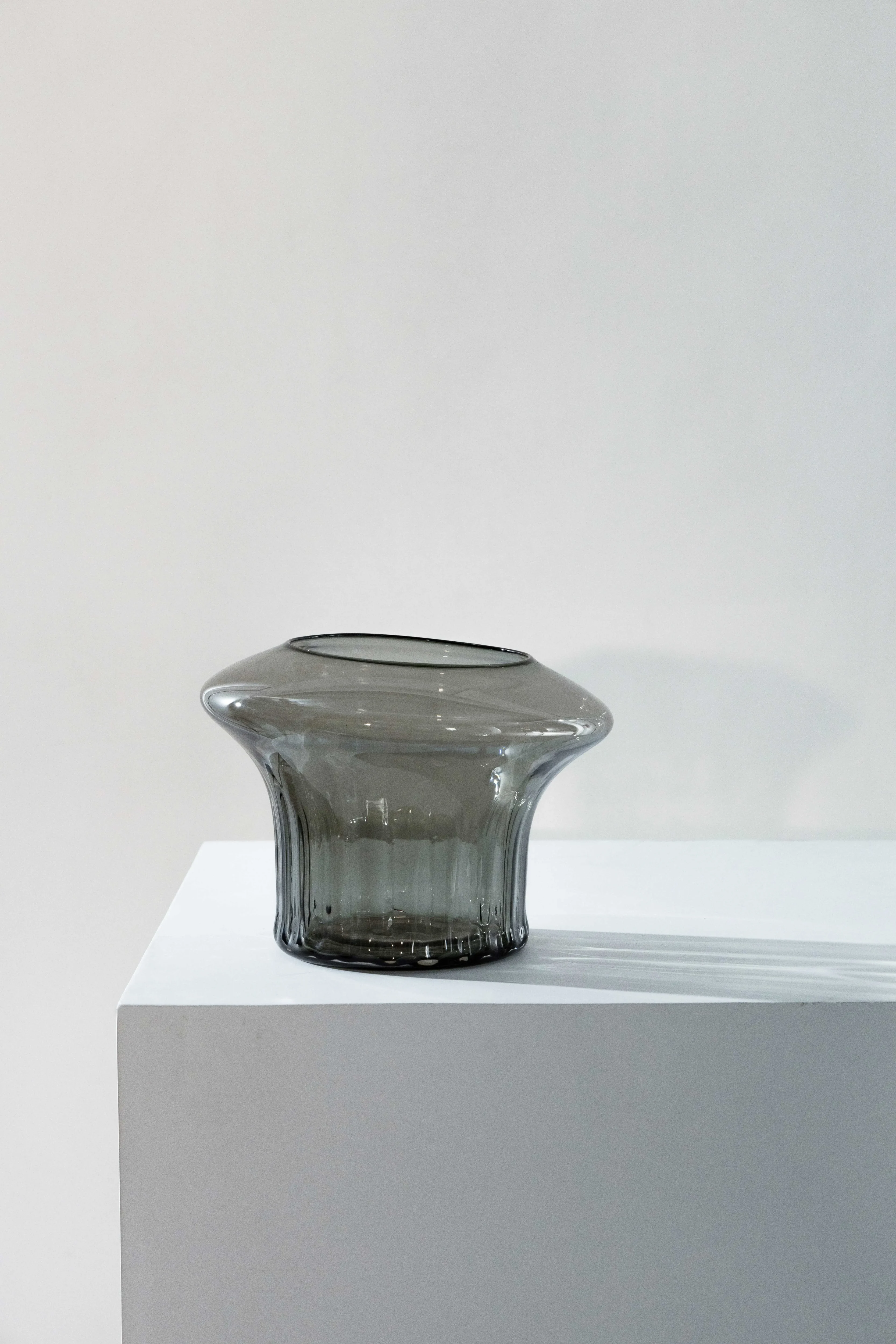
Sílice III is the final chapter of Peca’s glass series: 21 vases made by combining mold-based and free-blowing techniques. Each piece captures the meeting of fire, which fuses minerals, and the void in which they crystallize. As a result, no two vases share the same form, and each one carries the tension between weight and air.
€1.331 incl. tax
Amazonas Stone Table Low by Studio Ayres
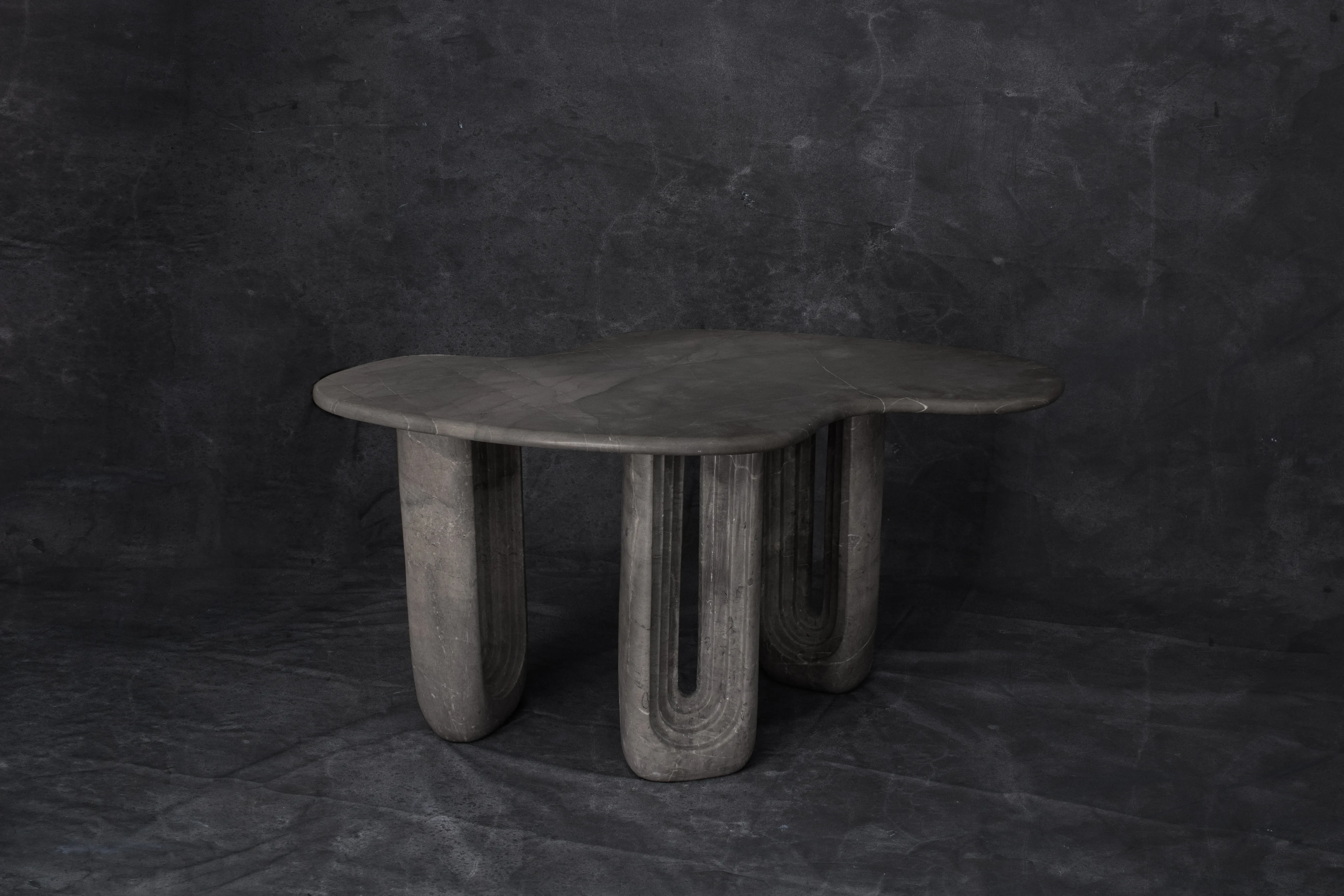
Hand-carved in marble, the Amazonas table belongs to a collection inspired by the warrior spirit of the Amazon women and their altar, the Amazoneum. Each stone brings its own veining and color. Therefore, every table is unique, a clear example of the Mexican craftsmanship the curators describe.
By Studio Ayres
€1.896 incl. tax
What was your curatorial approach for “The Material Language”?
For this new collection, we decided to focus on the senses. Pieces were selected considering the effect that they have on sight, touch, and, in some cases, even on hearing and smell. The evocative effects of Mexico’s well-known exciting atmosphere are no stranger to the local design scene.
Atlantis Cantera Coffee Table by Toro Manifesto
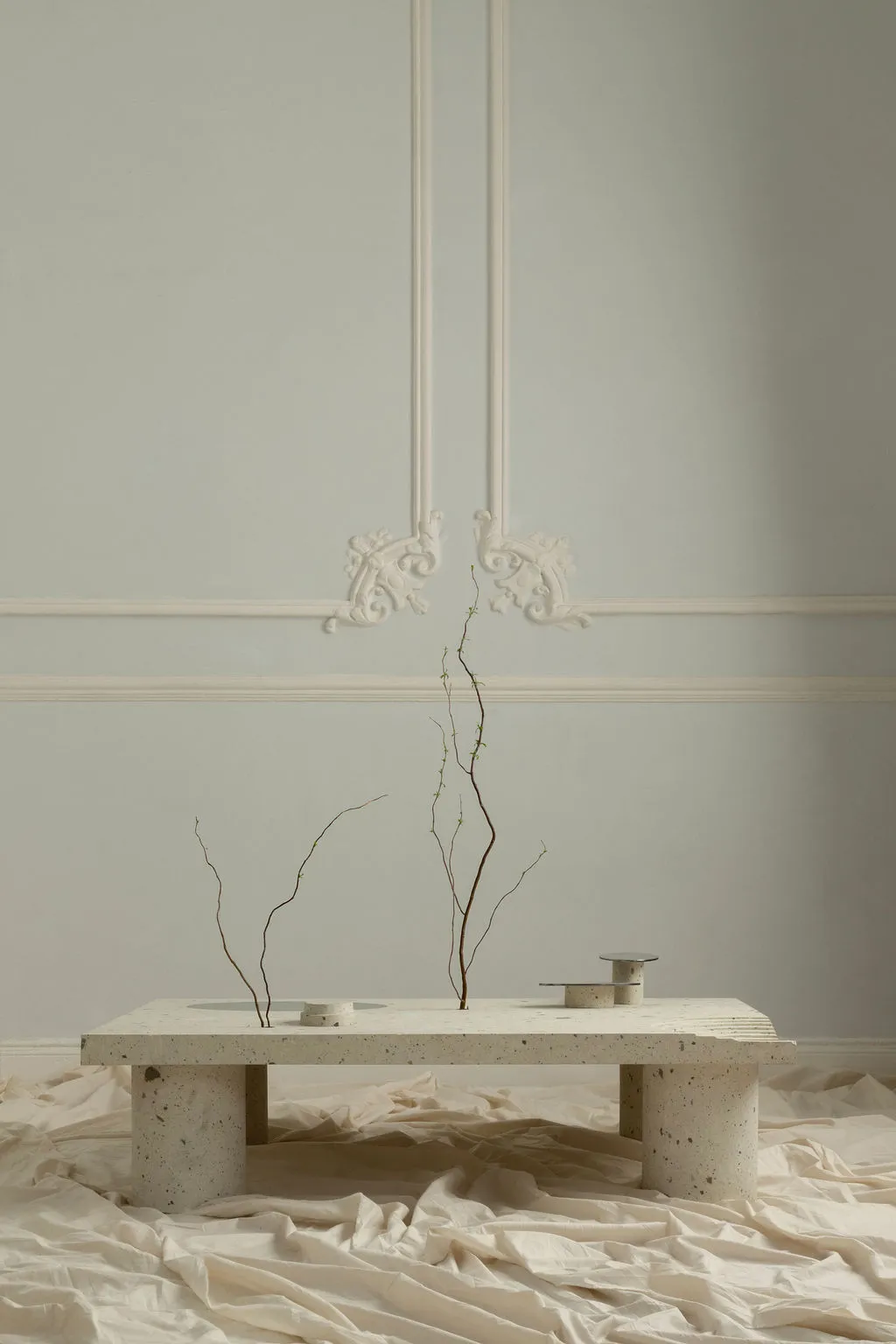
Designed by Montserrat Piña, Atlantis is carved from cantera stone, a volcanic stone long used in Mexican architecture. Its surface holds platforms, miniature stairs and hidden receptacles for flowers, like a fragment of a lost city. Notably, it can be made to size or in other stones, and it anchors any coffee table setting.
€5.250 incl. tax
Galaxy Table Lamp in Parota Wood and Brass by Isabel Moncada
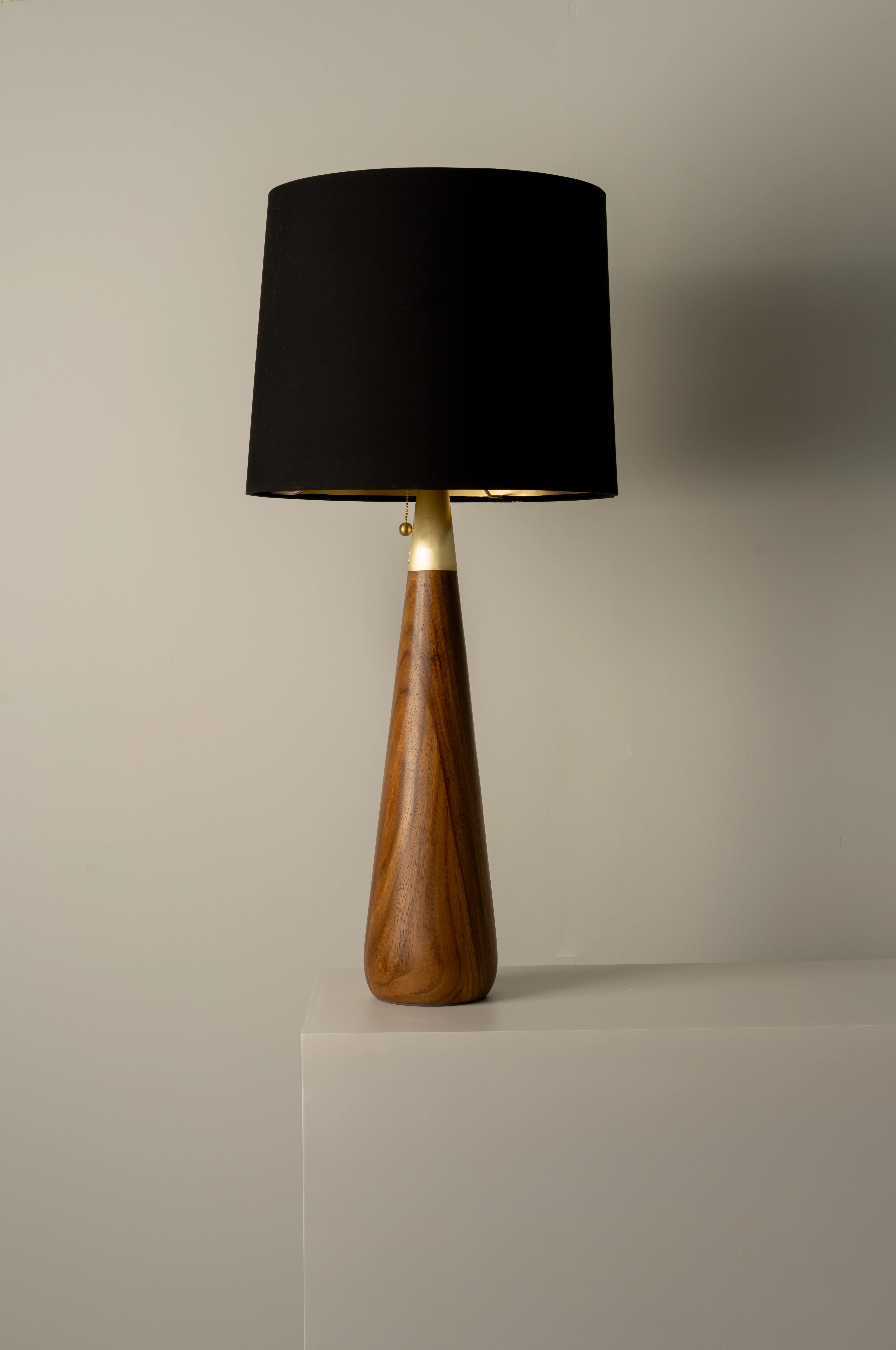
Isabel Moncada sets a dark shade on a base of natural parota wood, a Mexican hardwood with a broad, warm grain, finished with brass details. The lamp draws on space age forms while staying firmly material. Moreover, it uses energy-efficient LED light and is UL certified.
€2.925 incl. tax
Why focus on pieces that combine contemporary forms with traditional materials and techniques?
It is always refreshing to admire how designers translate the richness of ancient materials and techniques into forward-looking pieces. Tradition is timeless and all-around, and the thoughtful work of all of these designers is proof of that. With easy access to new materials and technology, it would be worth asking the designers why they continue to have a strong tendency for the traditional.
Junco Stool by Daniel Couttolenc
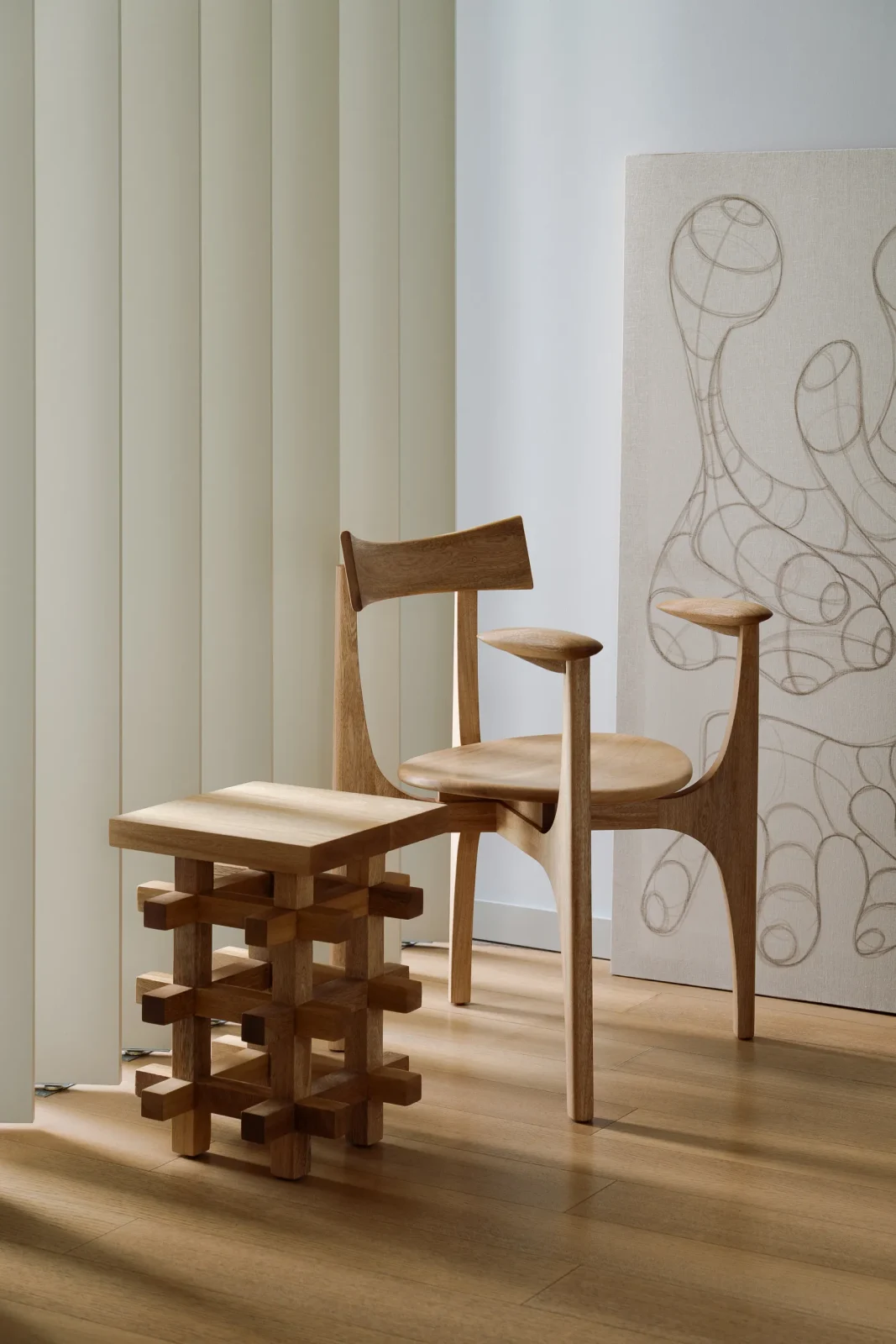
Made in solid wood, offered in Mexican oak, tzalam or red oak with a cinnamon tint, the Junco stool rests on a clean, grounded profile. Its grain stays visible and tactile. In other words, it is a quiet study in local timber and proportion, and a natural fit among wooden stools.
€1.500 incl. tax
Monolith Table Lamp in Mexican Red Oak by Sergio Enríquez Industrial Design Office
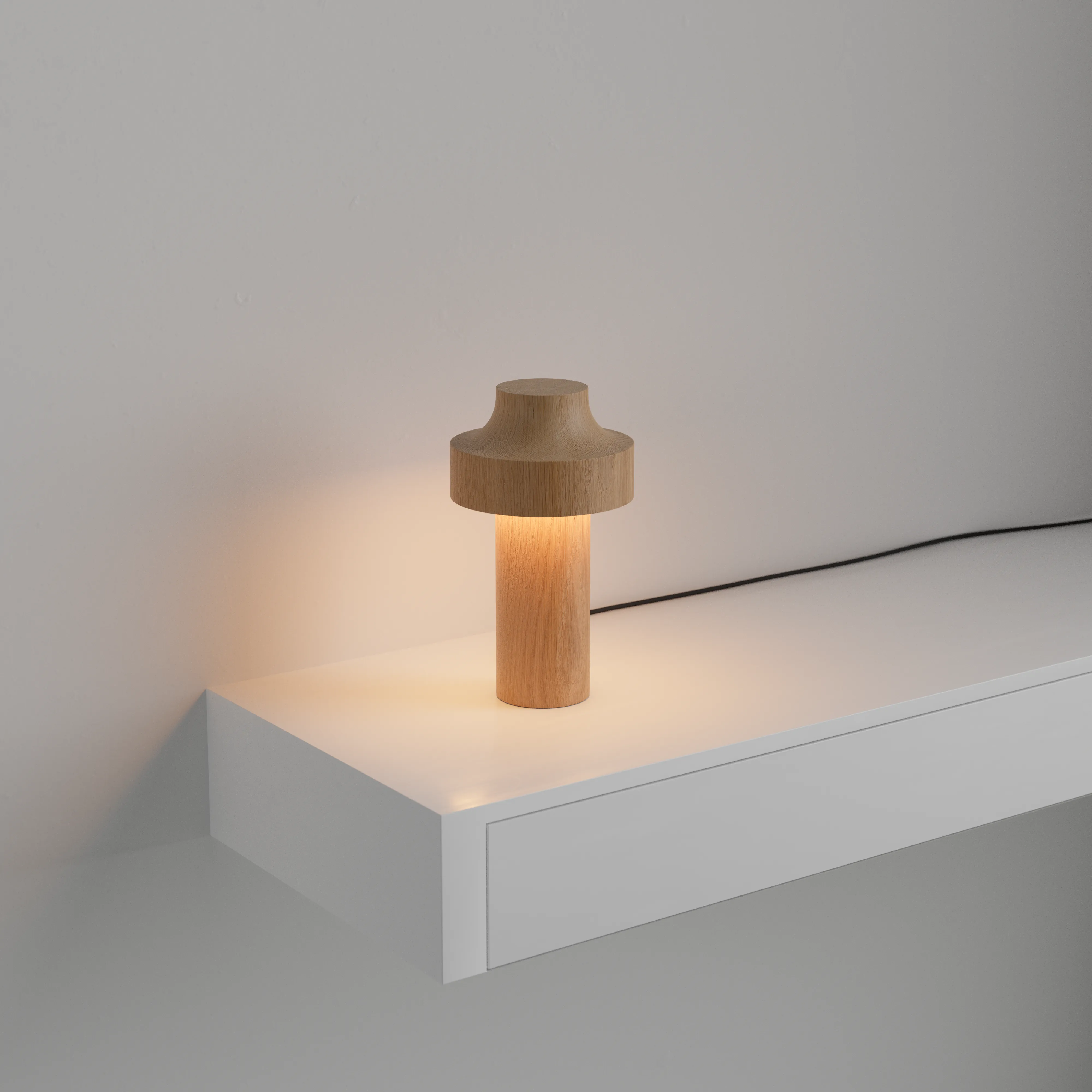
Machined from solid Mexican red oak, the Monolith has a triple curvature at the top where two cutting directions meet, so the grain shifts across its surface. It is available natural or stained, and in other wood species on request. Consequently, it celebrates the material as much as the light.
By Sergio Enríquez Industrial Design Office
€800 incl. tax
What draws you to the textile and jewelry side of Mexican design?
As curators, we are excited to introduce this side of the Mexican creative landscape to Adorno. The designers showcased in this collection embody the avant-garde and experimental spirit behind Mexico’s long and rich textile and jewelry history. Their aesthetic and processes fit perfectly with the rest of the creators’ work.
“oro Cacao” Cups by Tributo

Legend says the cacao seed was a gift from Quetzalcoatl and brought wisdom to those who drank it. Tributo’s Oro Cacao cups take their form from the expanding waves of the cacao drink, an allegory for its spread from Mexico to the world. The set of four brings that story to the table.
By Tributo
€201 incl. tax
Fos Leonor Bamboo Chair by Daniel Orozco Estudio

Made from national bamboo, the Fos Leonor chair has a petal-shaped, hand-bent shell with a sleek black finish and beige outdoor upholstery. It suits covered outdoor areas and indoor rooms alike. As a result, it shows how a humble local material can become an elegant accent piece.
€2.306 incl. tax
Which aspects of the Mexican design scene will keep growing and evolving?
The essence of local materials, recovering cultural heritage, and the [re-valuing] of craftsmanship.
Icpalli by Kresta Studio

Icpalli takes its name from the Nahuatl word for a seat, and draws directly on pre-Hispanic heritage. Its low, grounded form invites a relaxed posture. Indeed, it is a clear example of the curators’ point: cultural heritage recovered and reinterpreted for contemporary homes.
€1.930 incl. tax
Esse Ceiling Lamp in Wood by Saadia Design
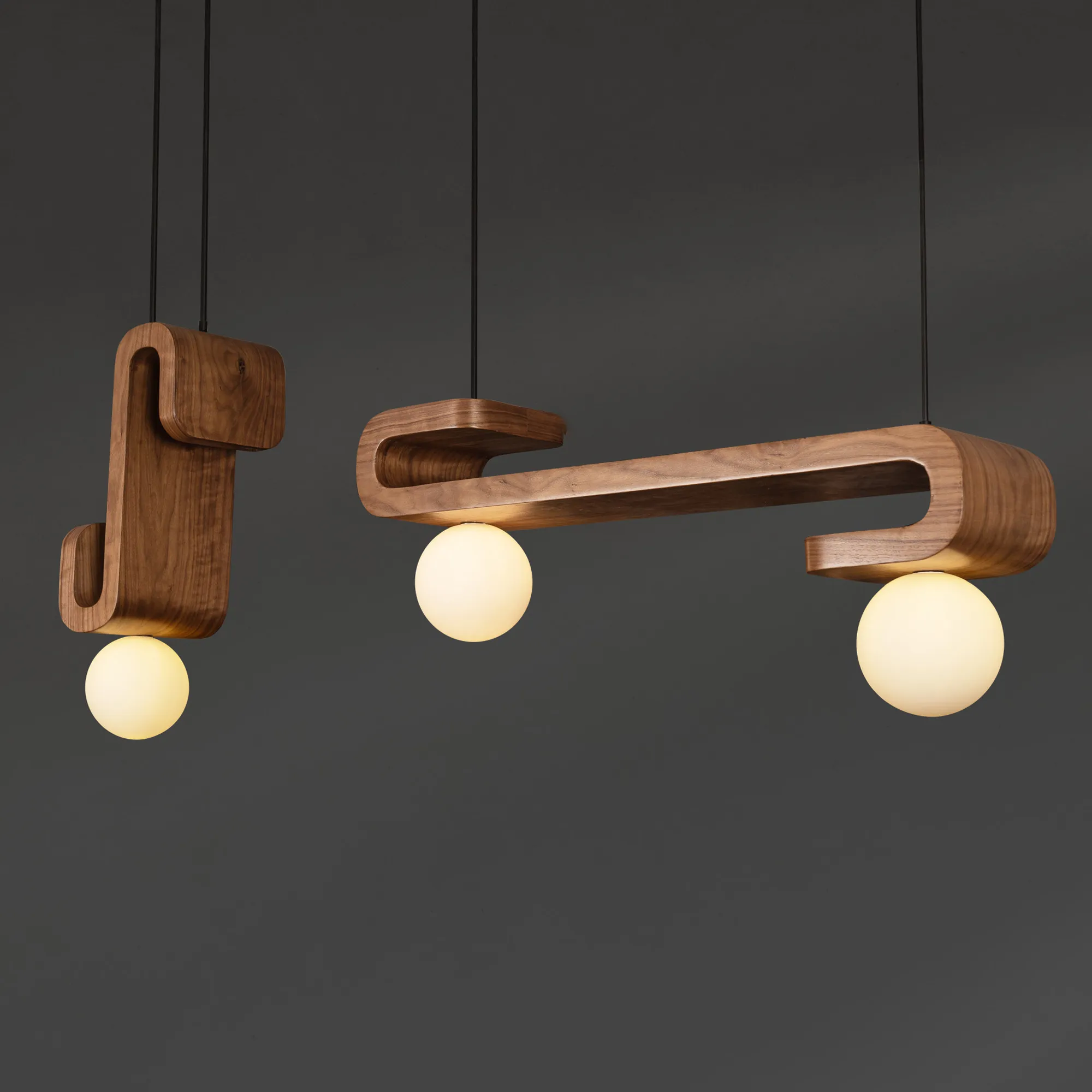
Handmade in curved walnut veneer, Esse looks as though it has been bent further than wood should allow. The wiring runs hidden inside the structure, so nothing interrupts the line. Furthermore, it comes in vertical, horizontal and set versions.
€1.200 – €2.500 incl. tax
Materials of Mexican design
Cantera and volcanic stone
Cantera is a porous volcanic stone quarried across central Mexico and used for centuries in churches, fountains and facades. Today, designers carve it into tables and objects that carry that architectural history into the home.
Parota and Mexican hardwoods
Parota, oak, tzalam and other local hardwoods give Mexican furniture its warmth. Their broad grain suits large, sculptural pieces as well as fine lighting.
Glass, clay and fiber
Mouth-blown glass, Mexican ceramics and textiles, including Oaxacan weaving, remain central to the scene. Consequently, many studios collaborate directly with artisan workshops to keep these techniques alive. Explore more styles rooted in craft on ADORNO.
Frequently asked questions
What is contemporary Mexican design?
A diverse design scene that combines traditional Mexican materials and craft techniques with contemporary forms. It spans furniture, lighting, ceramics, textiles and jewelry, often made in collaboration with local artisans.
What materials are typical of Mexican furniture?
Cantera and other volcanic stones, marble, parota and oak woods, bamboo, clay, blown glass and handwoven textiles. Many designers source these materials locally.
What is cantera stone?
Cantera is a volcanic stone quarried in central Mexico, prized for its warm colors and ease of carving. It has been used in Mexican architecture for centuries and is now popular in furniture and decor.
What is parota wood?
Parota, also known as guanacaste, is a Mexican hardwood with a broad, dramatic grain. It is often used in large slab tables and sculptural furniture.
How do I bring Mexican decor into my home?
Start with one handmade piece, such as a stone table, a handwoven textile or a ceramic set, and pair it with natural materials and warm tones. Let the material and craftsmanship lead rather than adding folkloric motifs everywhere.
Who are some contemporary Mexican designers?
Studios featured here include Peca, Studio Ayres, Toro Manifesto, Isabel Moncada, Daniel Couttolenc, Sergio Enríquez, Tributo, Daniel Orozco Estudio, Kresta Studio and Saadia Design.
Tradition, reinterpreted
Mexican design continues to reinvent itself while staying anchored in material and craft. As Mallet and Obeso put it, its future lies in local materials, recovered heritage and a renewed respect for making. The pieces above show that future is already here.
