
Mid Century Modern and the New Authority of the Interior Designer

Mid century modern design is often discussed as a visual language, recognizable through low profiles, warm woods, and clean lines. Less often acknowledged is the role it played in establishing interior design as a profession in its own right. During the mid twentieth century, interiors shifted from being an extension of architecture or furniture manufacturing into a distinct field shaped by trained specialists, shared standards, and a growing belief that how people lived, worked, and rested deserved focused design attention.
In the United States, the decades leading up to this period had left interior spaces largely in the hands of furniture companies and architects. Large manufacturers offered complete furnishing schemes, while architects frequently maintained control over interiors as a continuation of the building itself. Independent interior designers existed, but their work was often informal, unregulated, and unevenly recognized. The rapid social and economic changes following the Second World War disrupted this model. Expanding middle class households, new corporate workplaces, and the rise of mass production introduced levels of complexity that demanded coordination, research, and long term planning within interior environments.

The Birth of the Interior Designer
It was during this moment that interior design began to formalize. Major companies such as Skidmore, Owings and Merrill became one of the architecture firms to offer interior design as a professional service, applying modernist principles to offices, banks, and corporate headquarters. At the same time, designers like Charles and Ray Eames advanced a philosophy rooted in human need, efficiency, and ethical production, positioning furniture and interiors as tools shaped around real patterns of use. Professional organizations formed, educational standards emerged, and interior design gradually established itself as a discipline grounded in both technical knowledge and social responsibility.
The mid century modern living room became one of the clearest sites where these shifts played out. Chairs, floor lamps, shelving systems, and spatial layouts were no longer decorative afterthoughts but deliberate responses to how people gathered, relaxed, and occupied space. What we now recognize as mid century modern style was inseparable from this broader transformation. It reflected a moment when interiors were no longer simply furnished, but designed.
Creating the Mid Century Modern Living Room
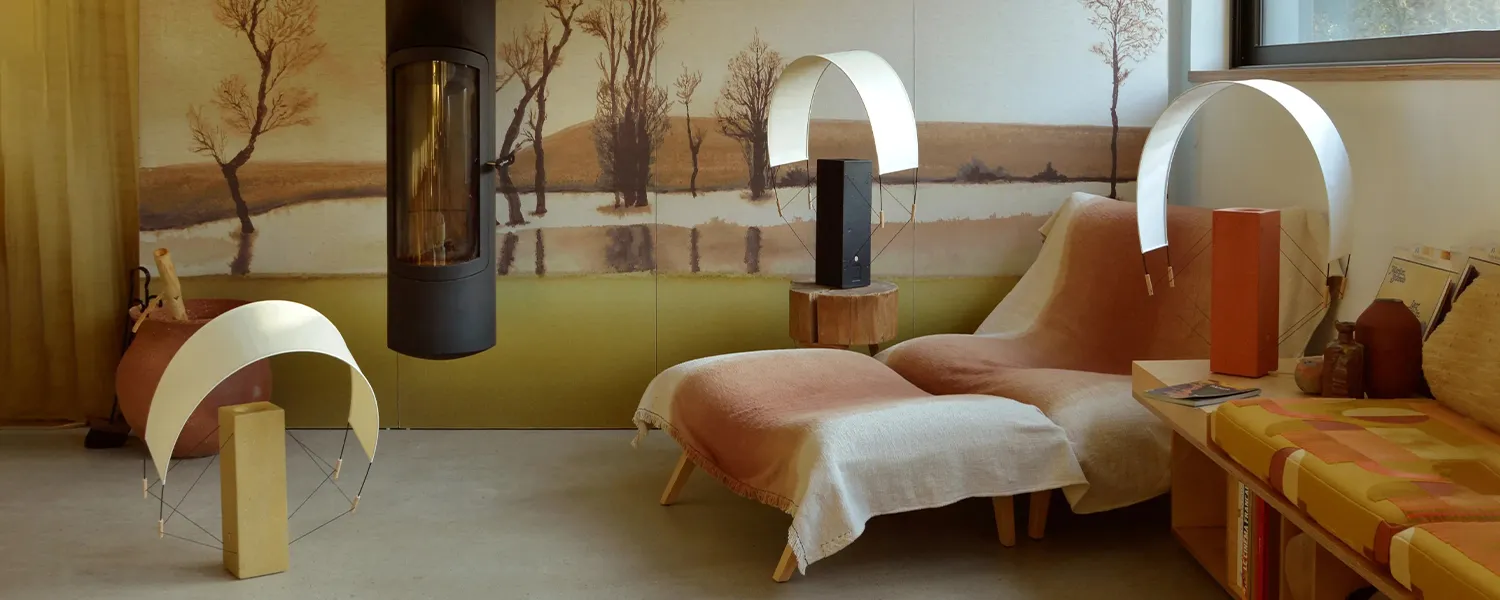
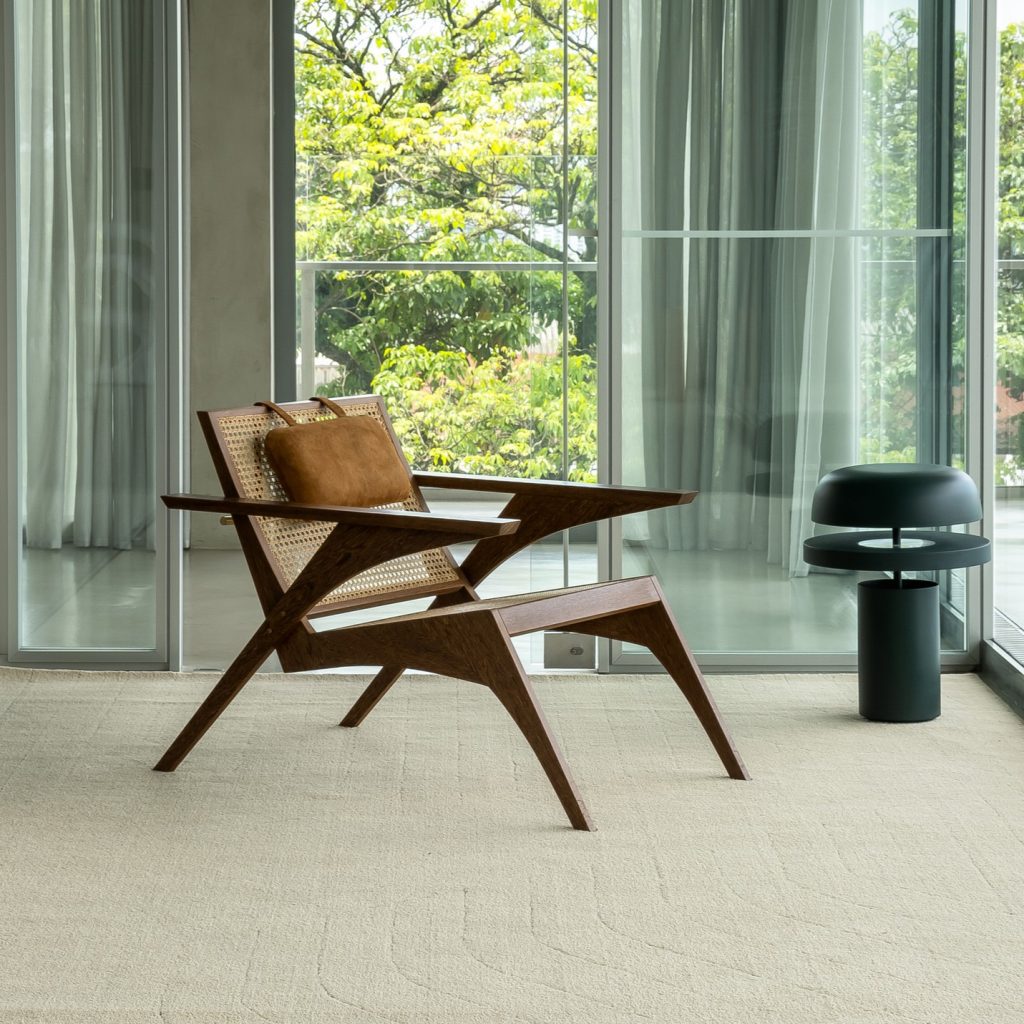
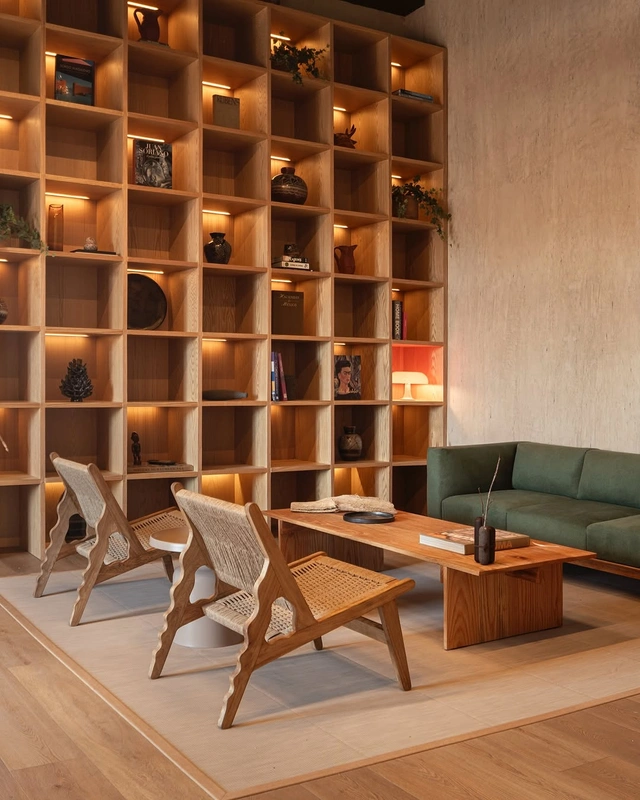
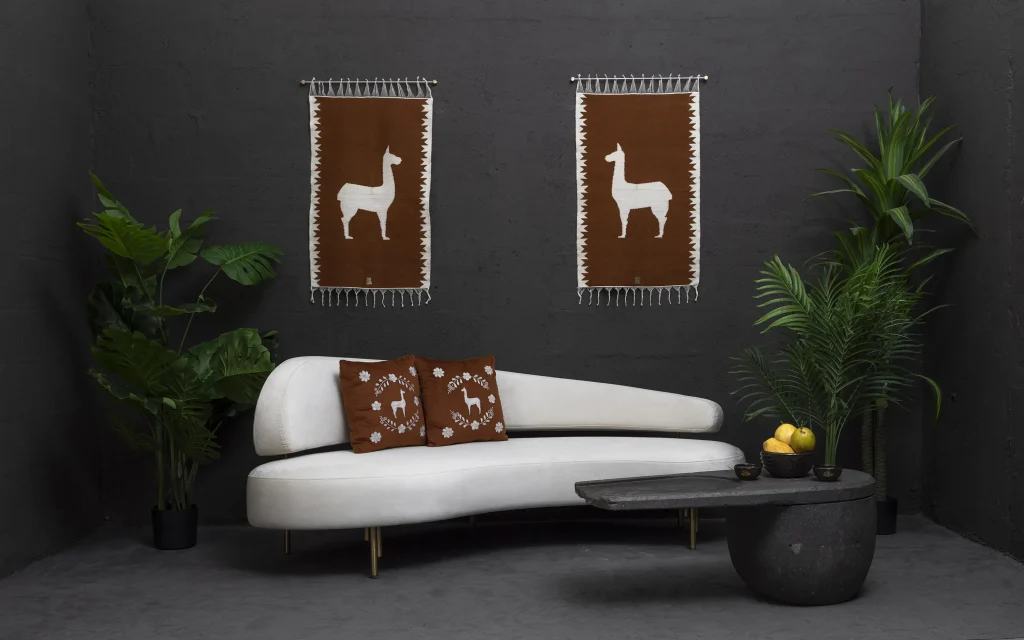
The mid century modern living room was not conceived as a formal showpiece. It was designed as a flexible space for reading, conversation, work, and rest. Open plans encouraged flow. Built in storage reduced clutter. Furniture sat lower, creating visual continuity across the room. Interior designers approached these rooms as compositions with clear priorities. Mid century modern chairs and floor lamps played central roles, not as accessories, but as anchors for how the room functioned throughout the day. This practical intelligence is what continues to draw people to mid century modern living room design. The rooms feel considered without feeling rigid. They reflect a moment when interior design began to prioritize lived experience.
The Statement of a Mid Century Modern Chair
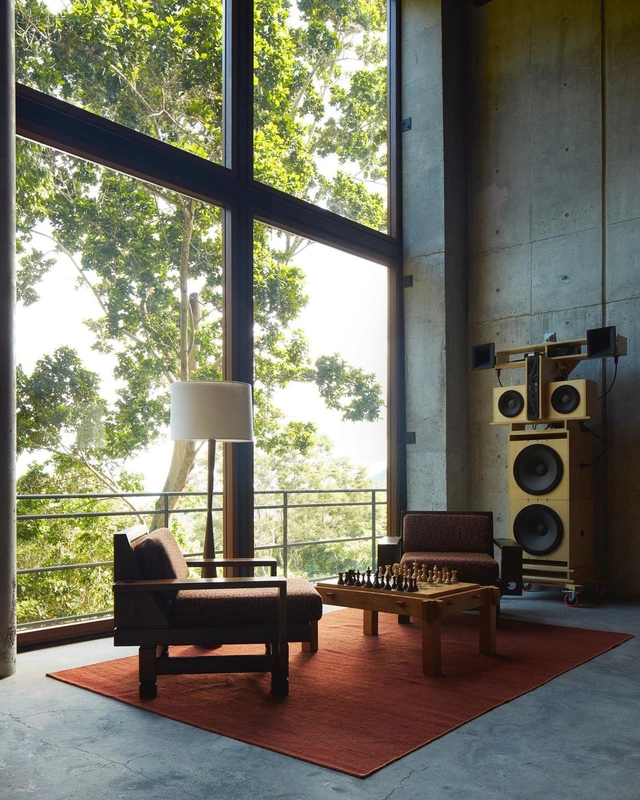
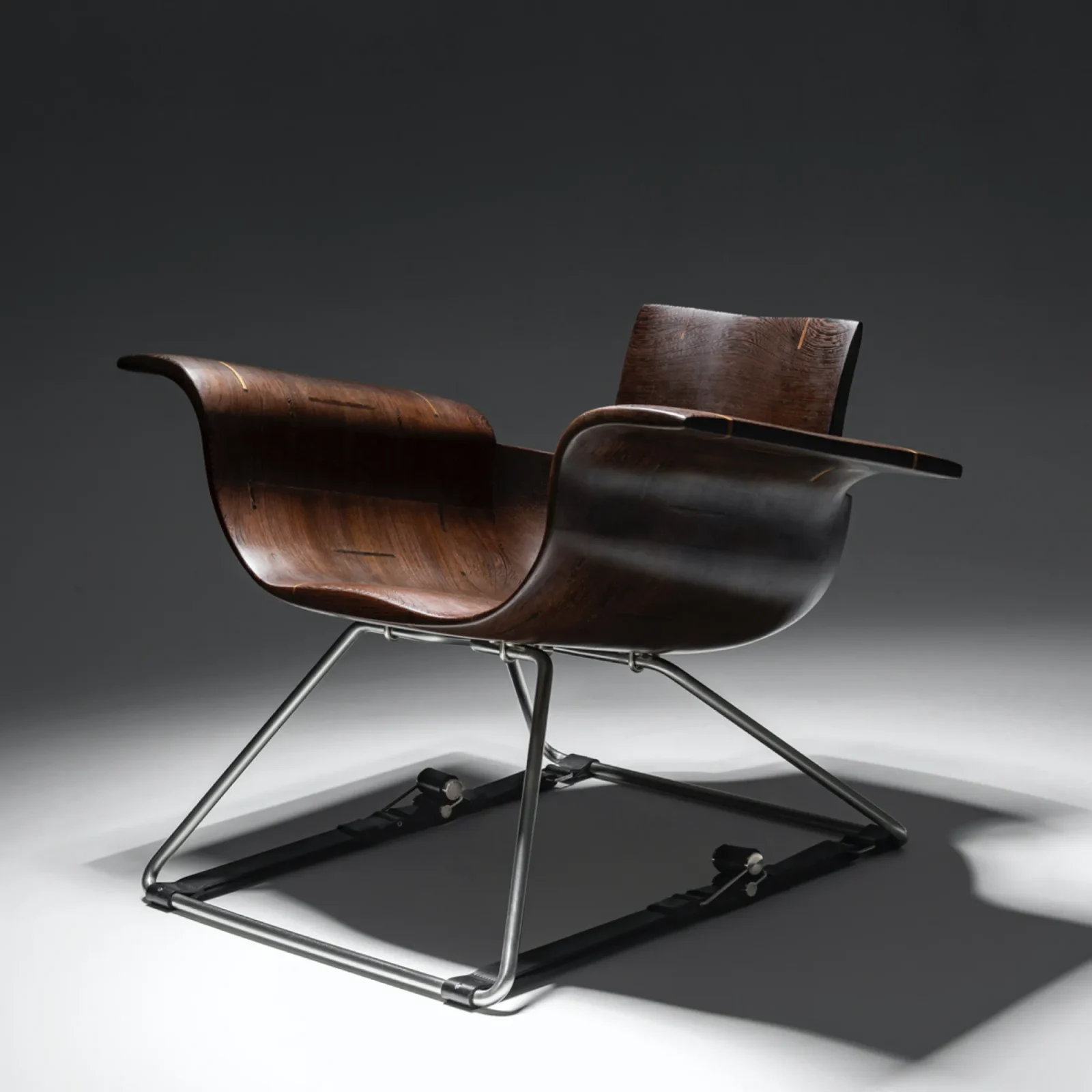
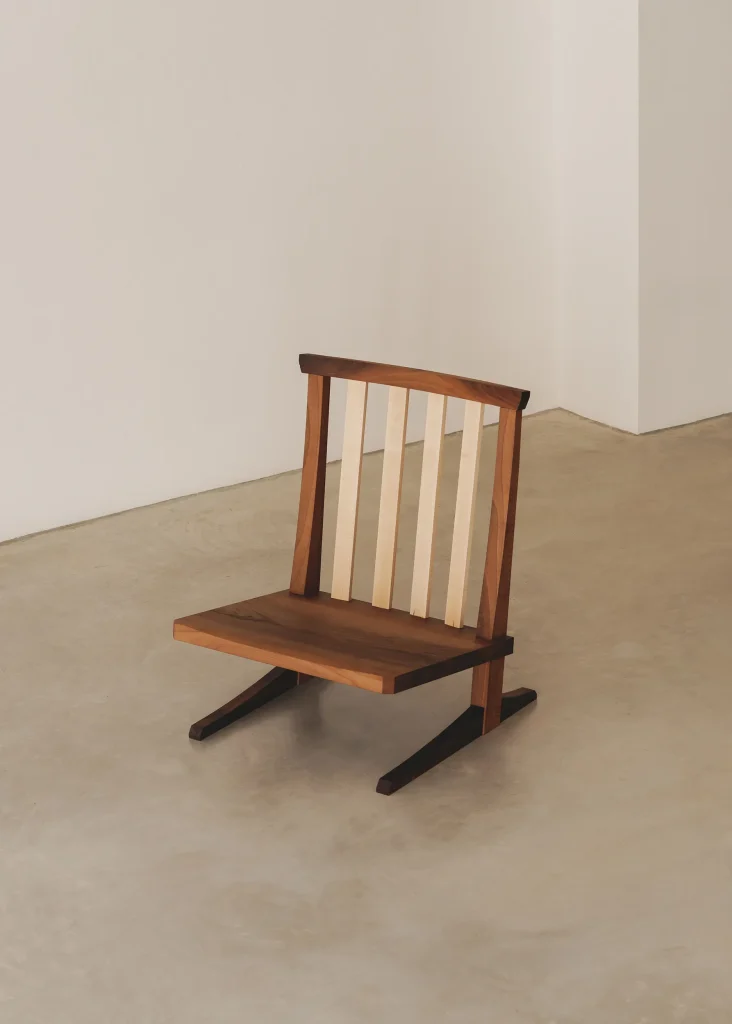
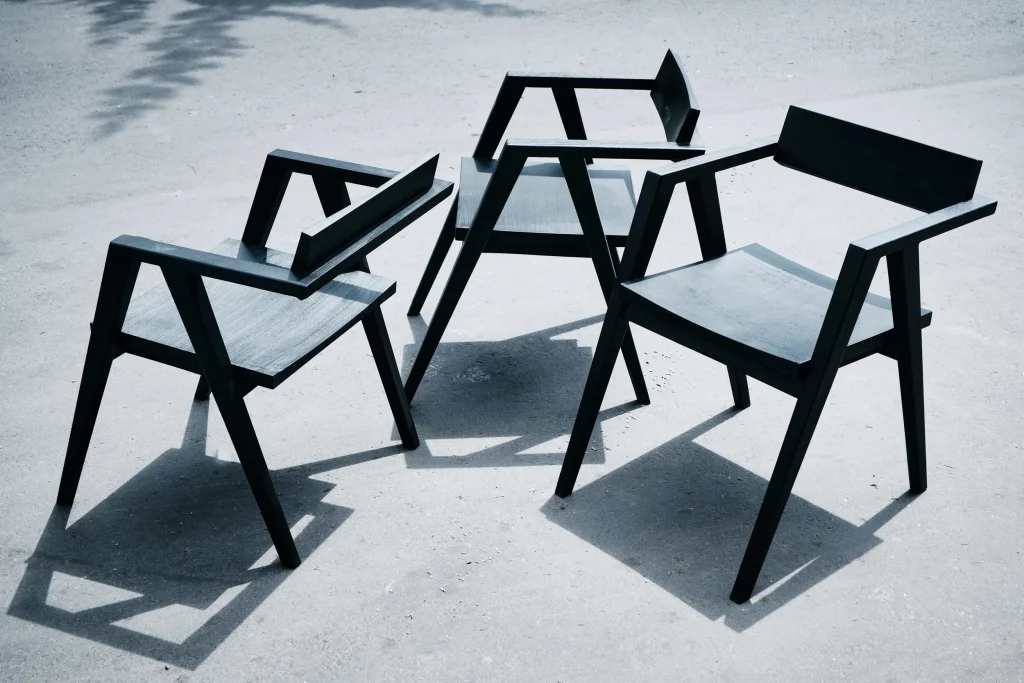
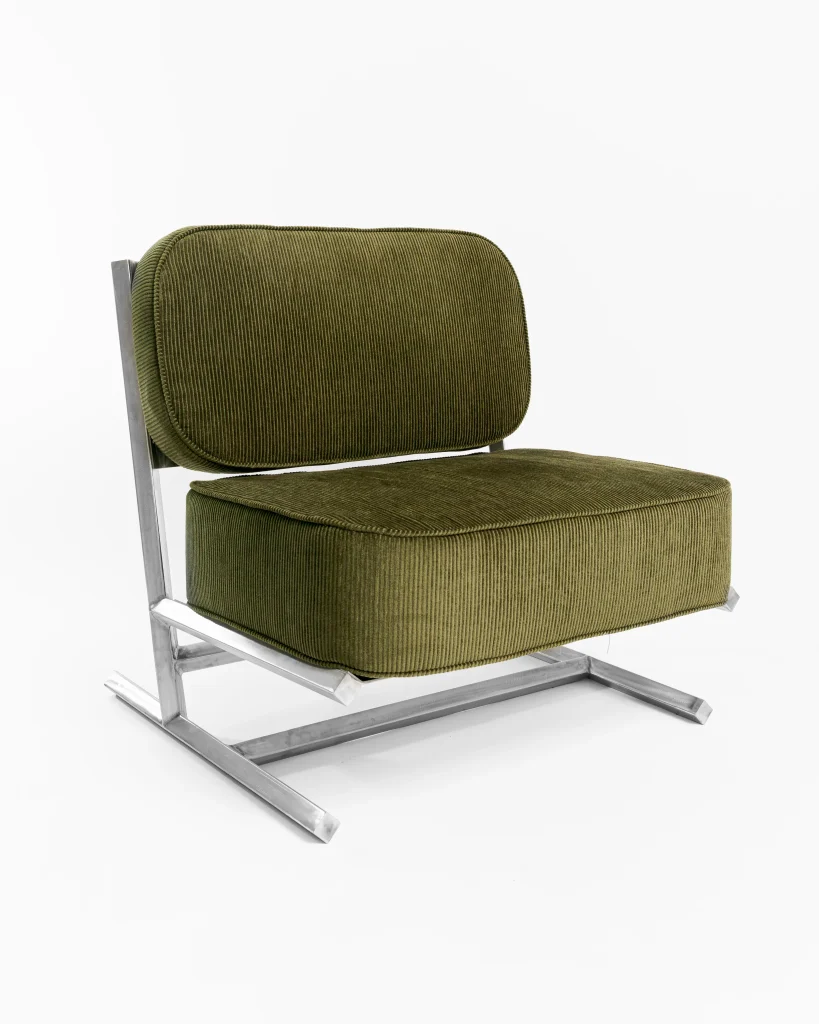
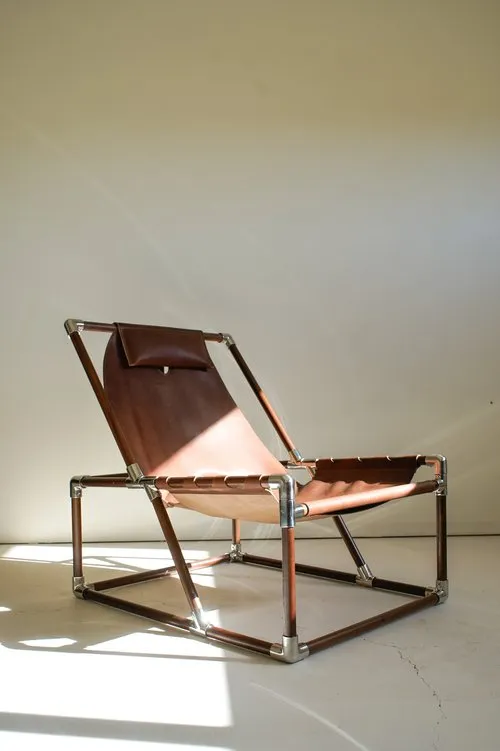
Few objects capture mid century modern thinking as clearly as the chair. For many, the first image that comes to mind is the Eames lounge chair, a kind of mascot for the era, equally familiar to seasoned collectors and casual design admirers. Its prominence is not accidental. Designers of the period treated seating as both a technical and philosophical problem. Comfort, posture, material efficiency, and the realities of mass production all had to coexist within a single form. In the living room, placement mattered, and so did intent. These pieces demonstrated a core belief of the period, that furniture could guide how a space was used, without instruction.
Mid Century Modern Floor Lamps and Stylish Lighting
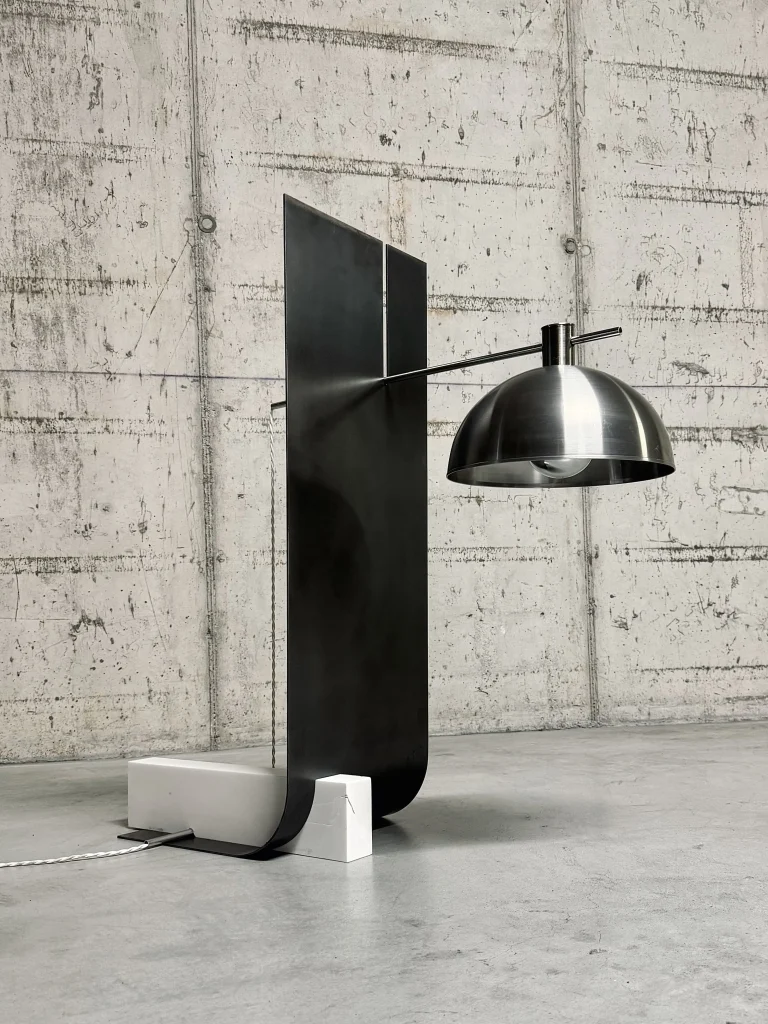
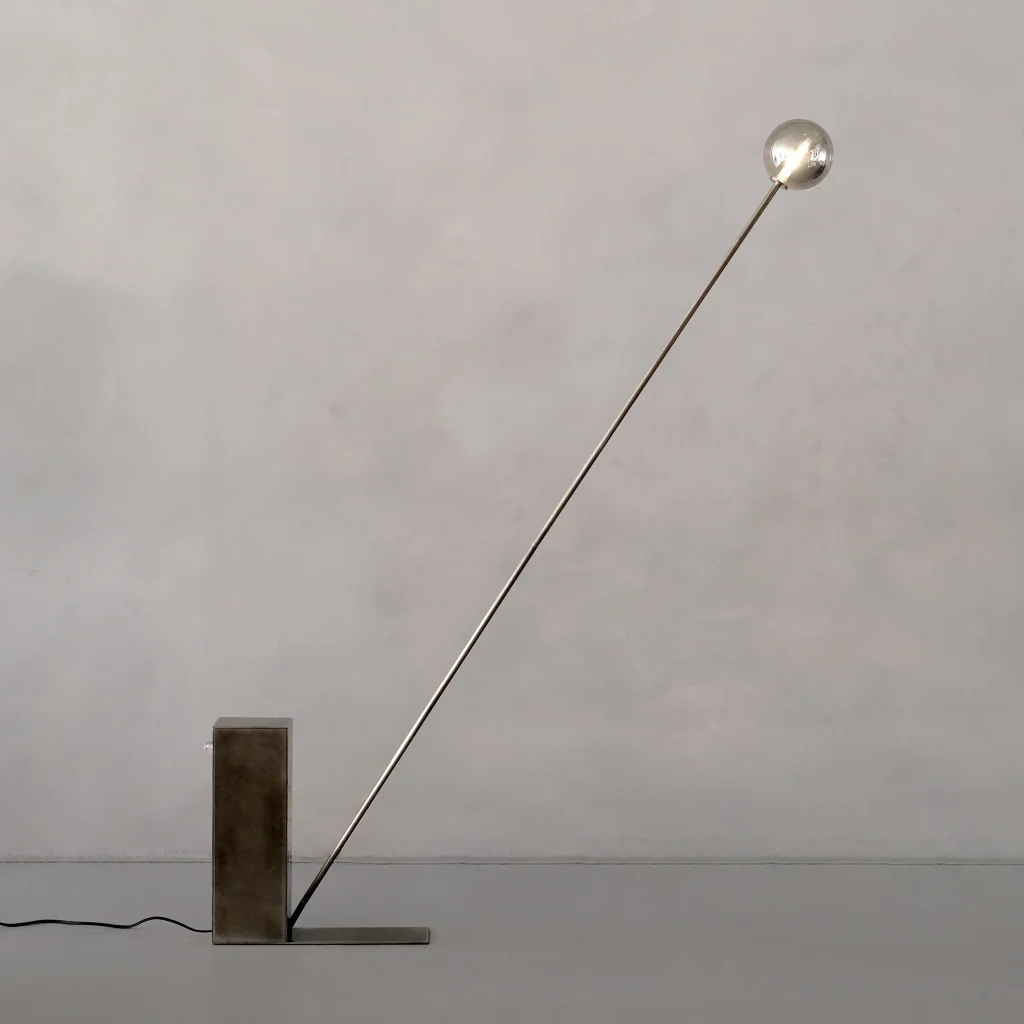
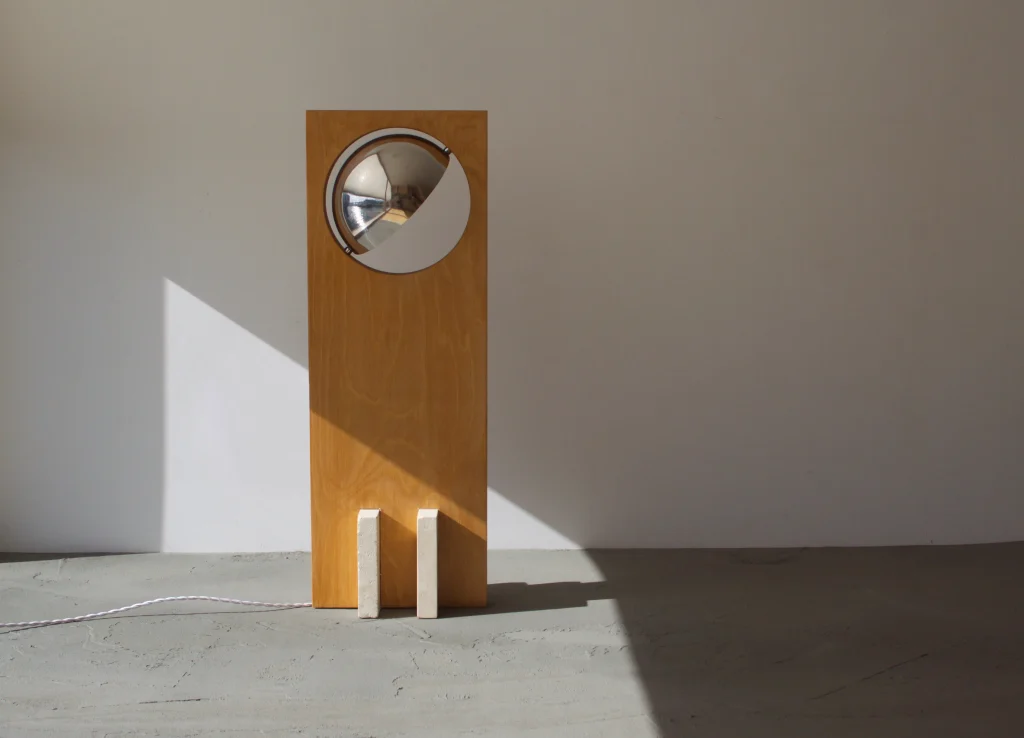
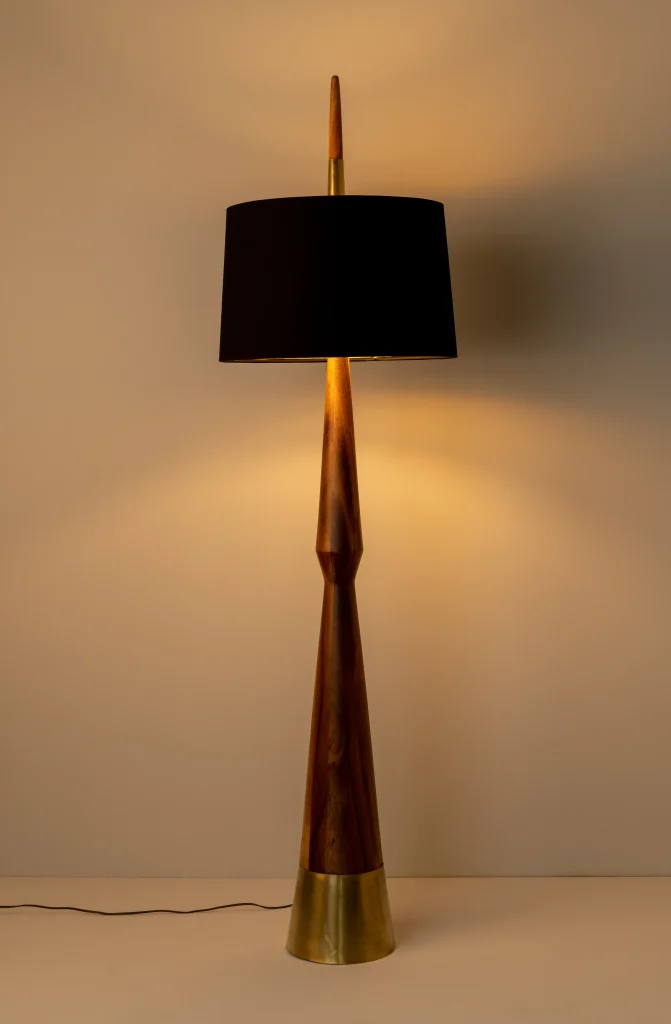
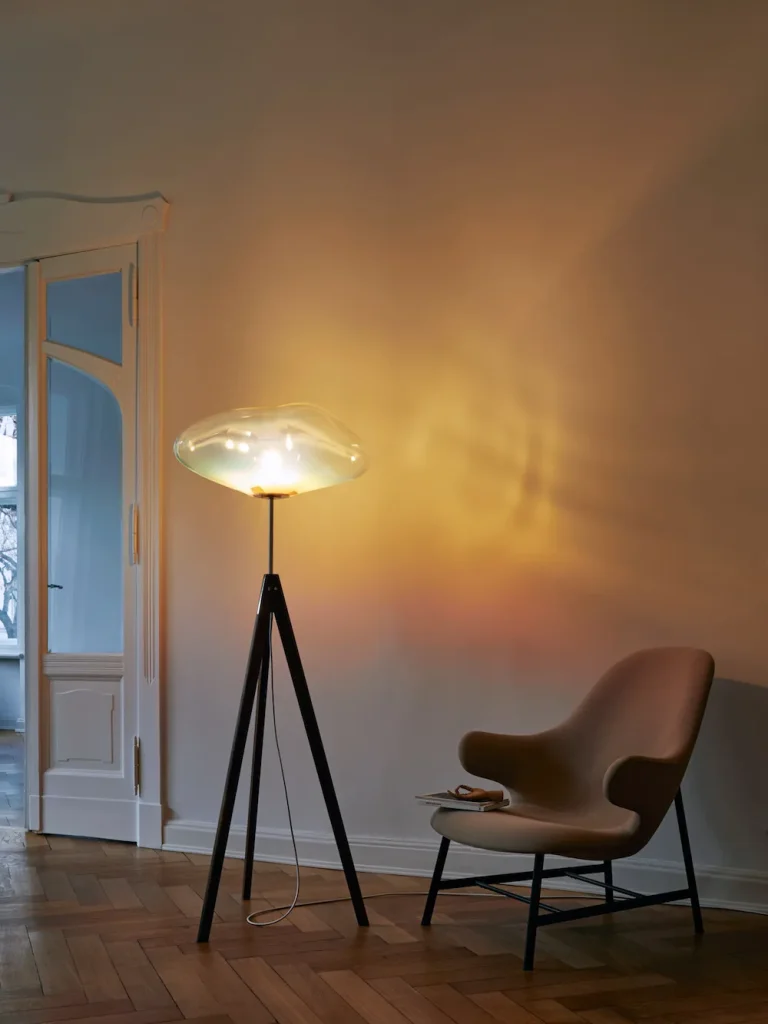
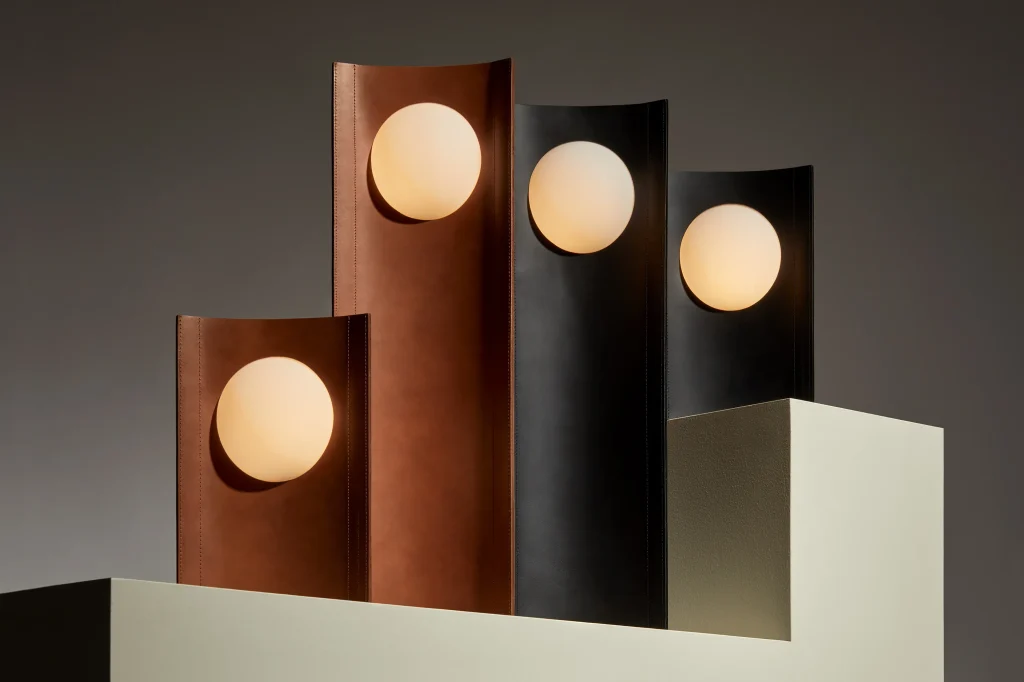
Lighting underwent a similar transformation. Mid century modern floor lamps were designed to respond to new habits, reading at night, working from home, gathering informally. Overhead lighting gave way to layered solutions, with floor and table lamps providing targeted illumination where it was needed. The approach aligned closely with the emerging role of the interior designer, who now considered light as part of a broader system. The continued popularity of mid century modern floor lamps reflects this clarity. They offer purpose without excess, and they integrate easily into contemporary interiors that value flexibility.
Why Mid Century Modern Decor Still Works
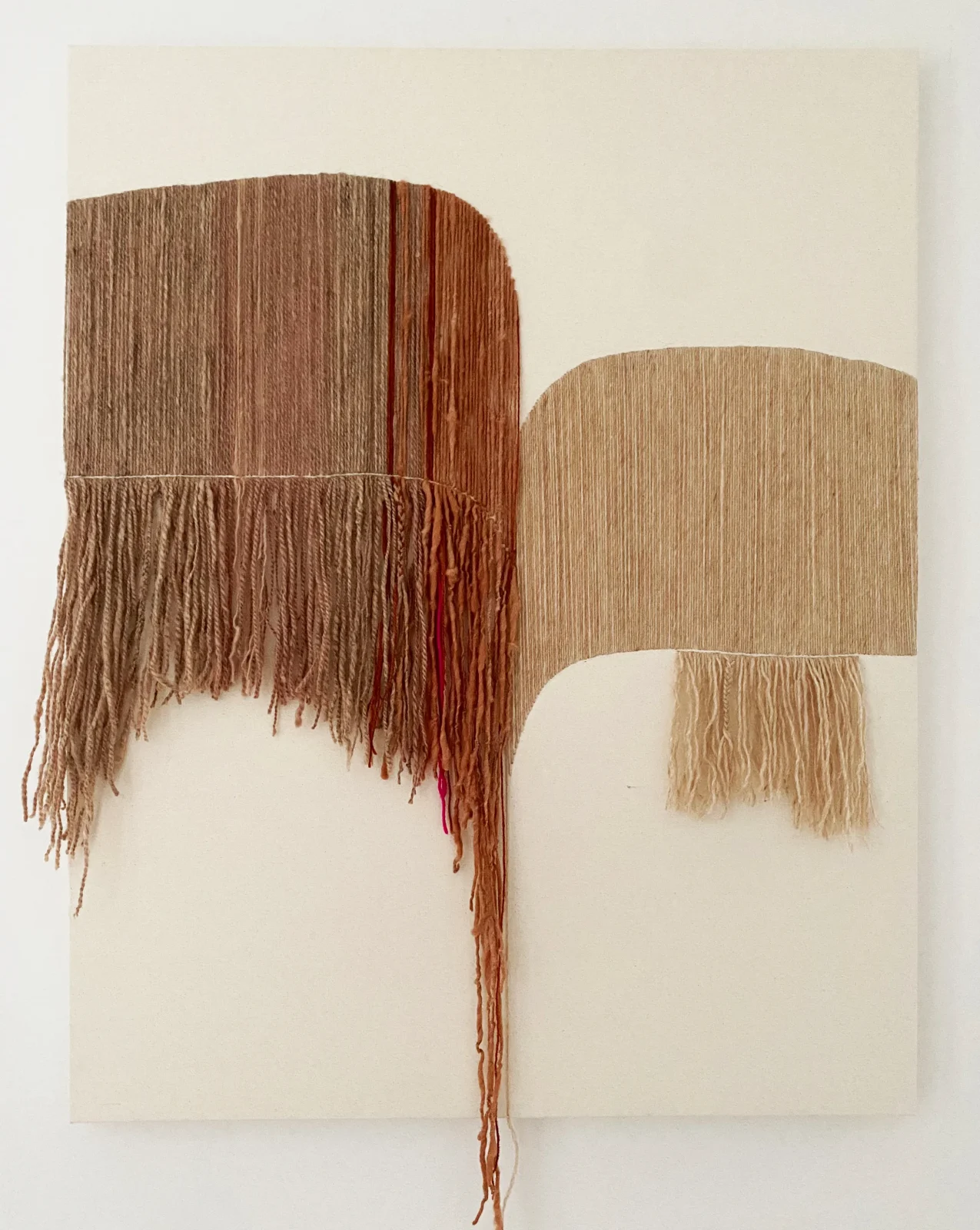
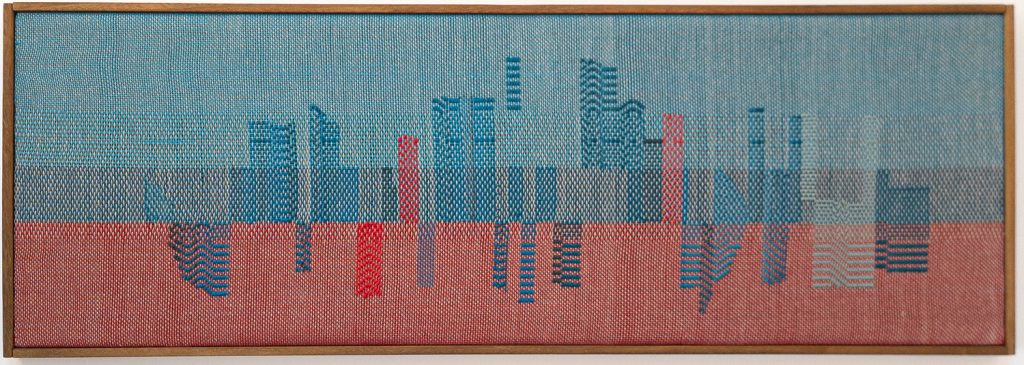
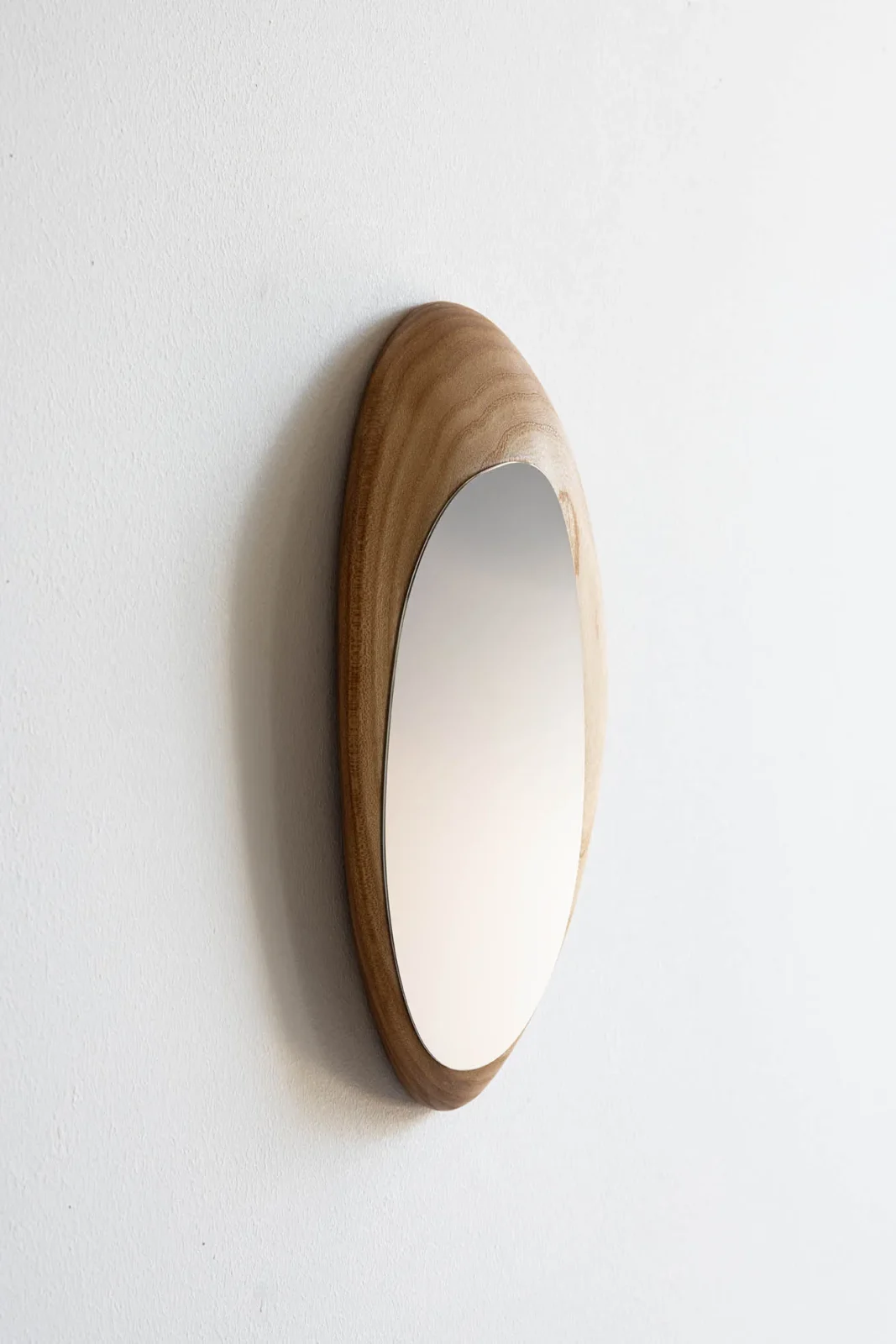
Decor in mid century modern interiors followed the same principles. Objects were chosen sparingly. Art, ceramics, and textiles added warmth without crowding the space. Each element had a reason to be there. This approach feels increasingly relevant today. As interiors grow more hybrid and multifunctional, the mid century modern emphasis on thoughtful planning, durable furniture, and adaptable lighting continues to resonate. The style endures not because of nostalgia, but because it emerged from a moment when interior design learned how to respond to real life.

-
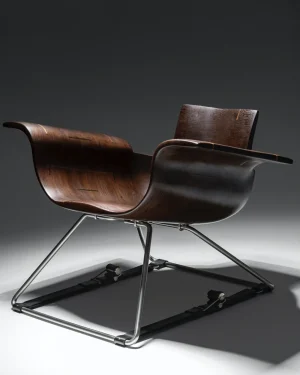
 Roadster Armchair with Footstool
 -
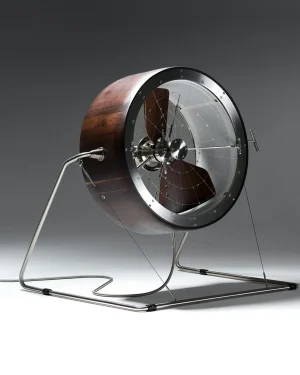
Jazz Fan
-
Lucia – Cherrywood Suspension Bookshelf
-
Contourage Quartz Sand Console Table
-
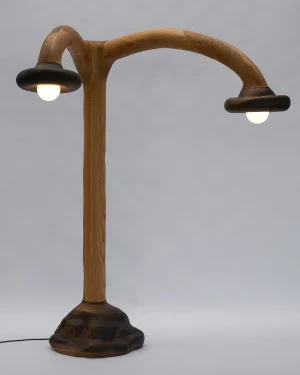
Woooo Floor Lamp
-
Sculptural Floor Lamp In Red Oak / Walnut Wood
-
Abrigo Credenza – Handwoven Wood Cylinders/ Cotton Threads
-
Scarscape Mirror
-
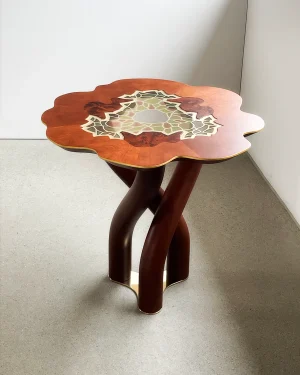
Crepuscular Side Table – Cherry Wood / Brass
-
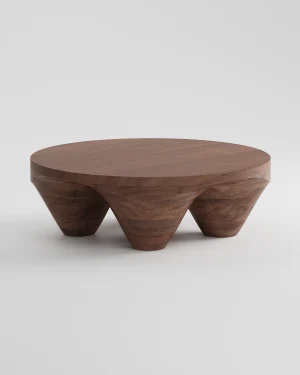
Utterö Mahogany Coffee Table
-
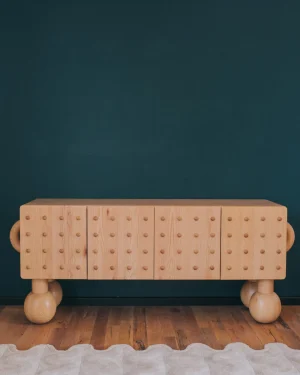
Trono – Solid Wooden Sideboard
-
Laxa – Solid Wood Modular Shelving system
-
Bolo – Handcrafted Mahogany Settee
-
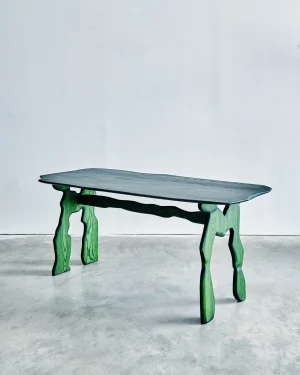
Green Dining Table
-
“Crooked Shelf”
-
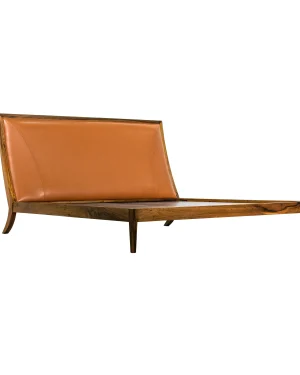
Belgrano – Contemporary Upholstered Exotic Wood King Sized Bed
-
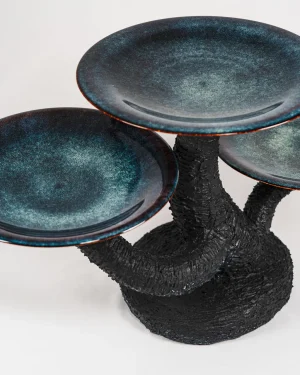
Kinoko Dark Blue – Side Table
-
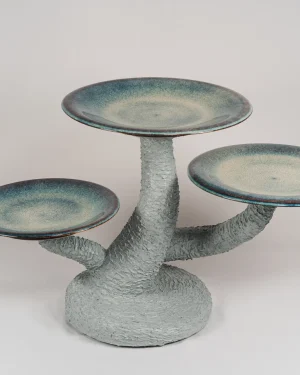
Kinoko Light Blue – Side Table
-
Vilma – Wood Display Cabinet
-
Golden Ratio Light
-
Ramon Sideboard
-
Bruno – Outdoor Booth Seating In Argentine Rosewood
-
Objects Of Legacy No. 7 – Brass / Teak Sideboard
-
Objects Of Legacy No. 2 – Family Daybed
-
Cartapesta I I