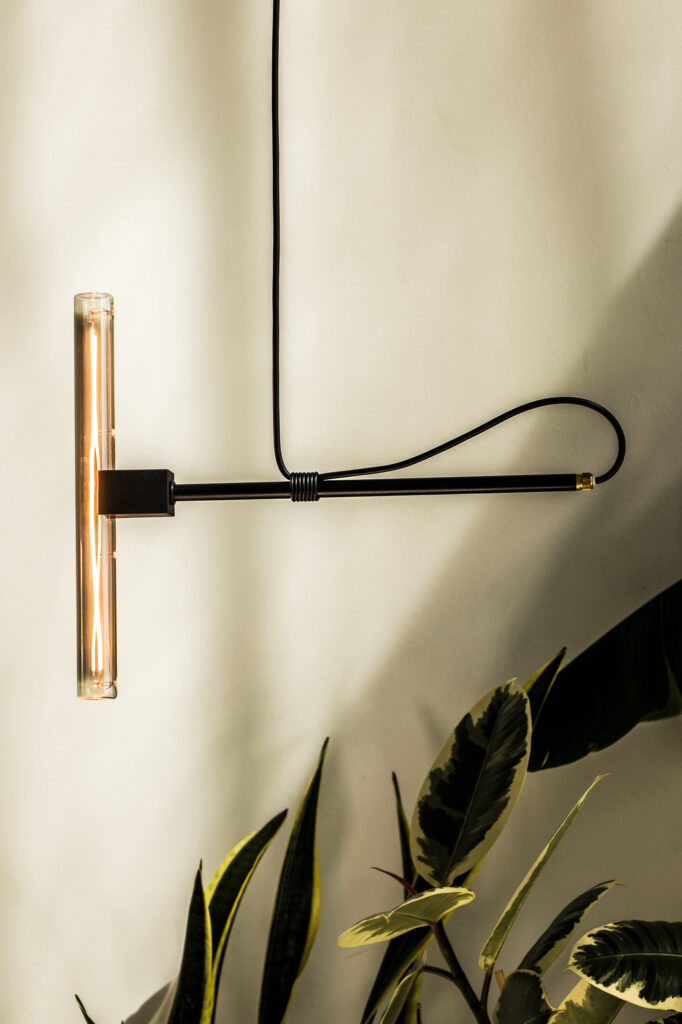
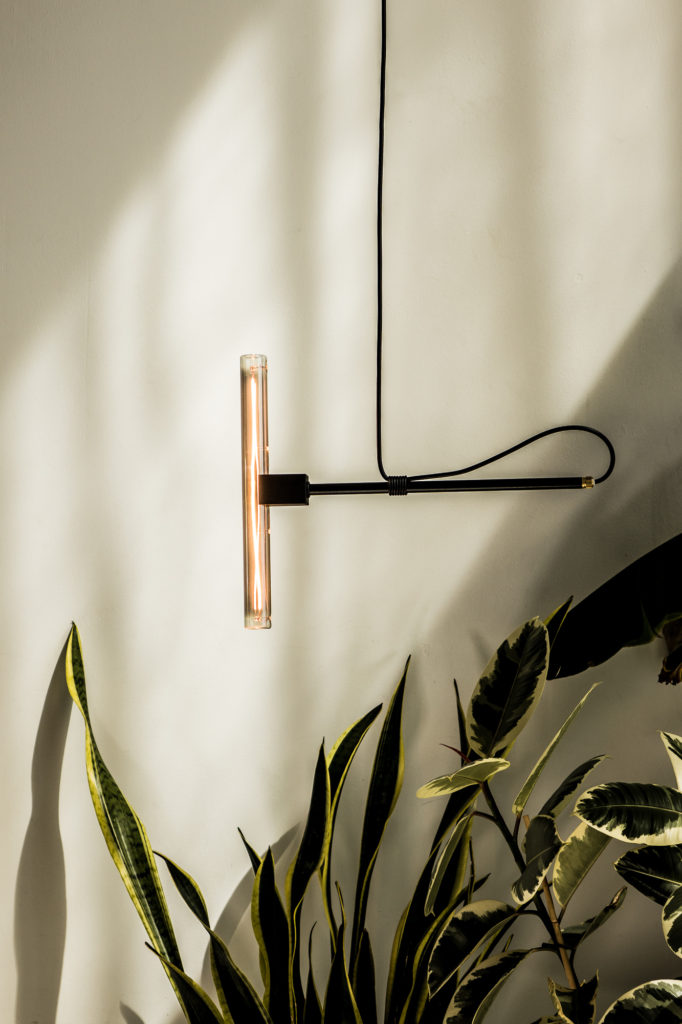
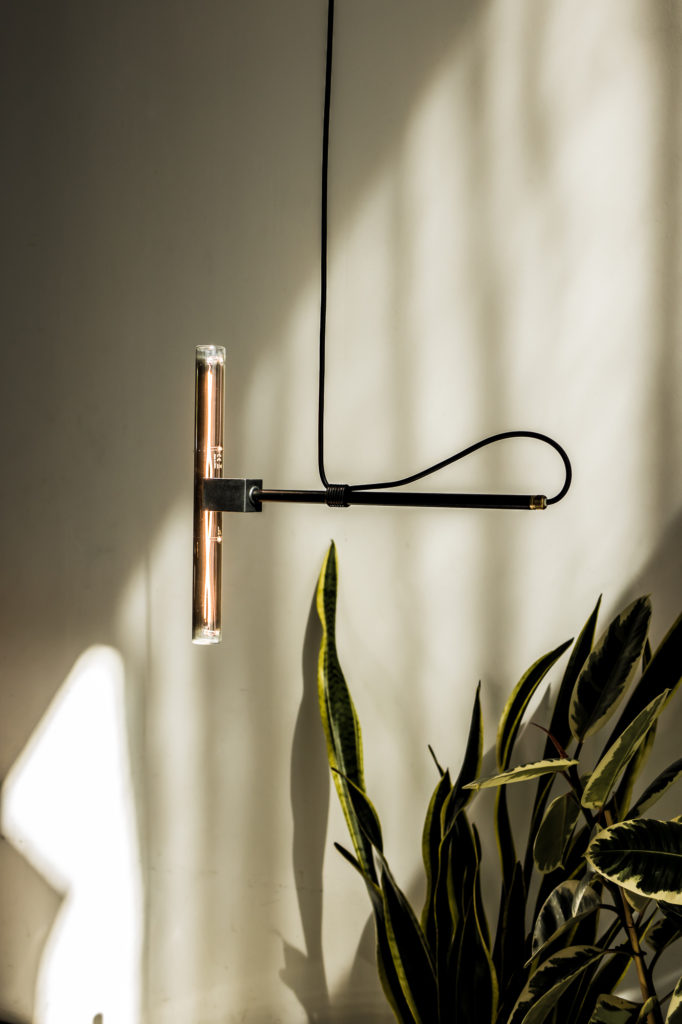
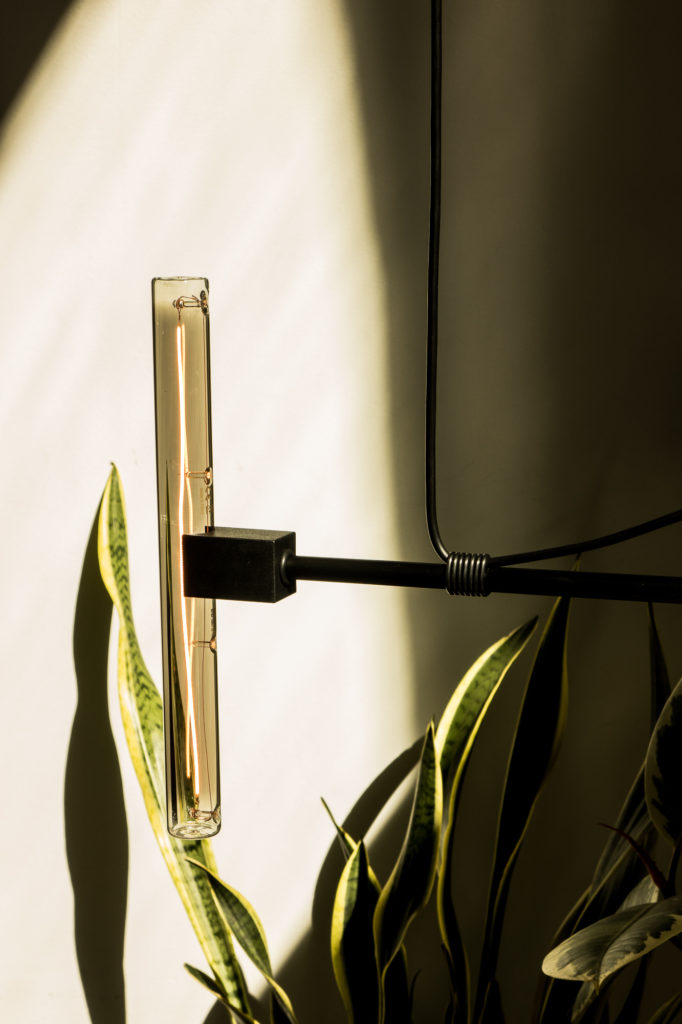
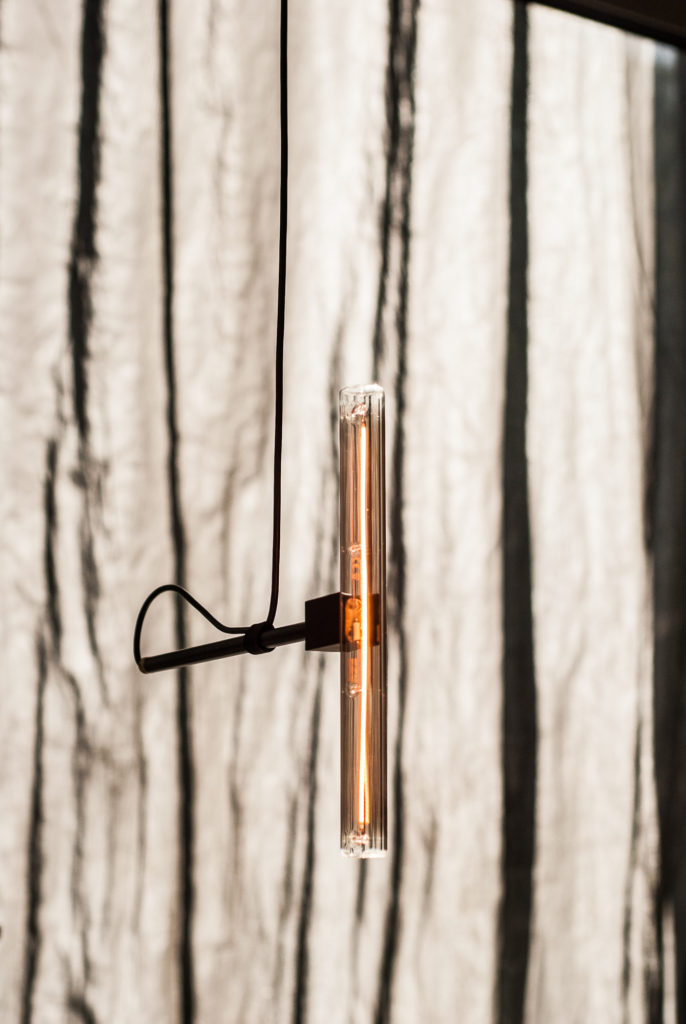
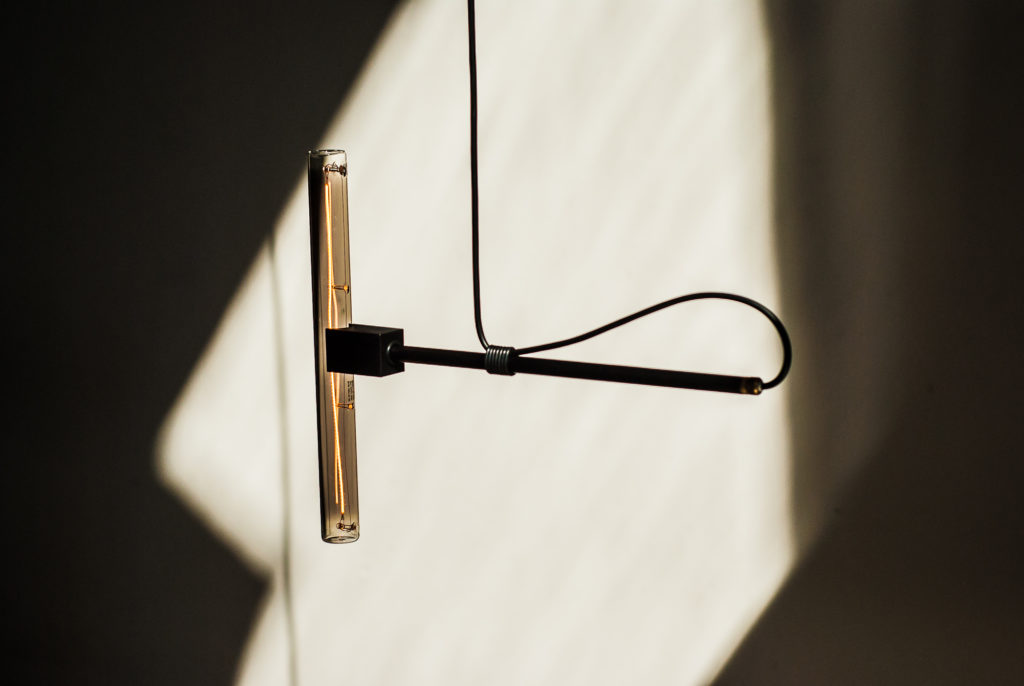
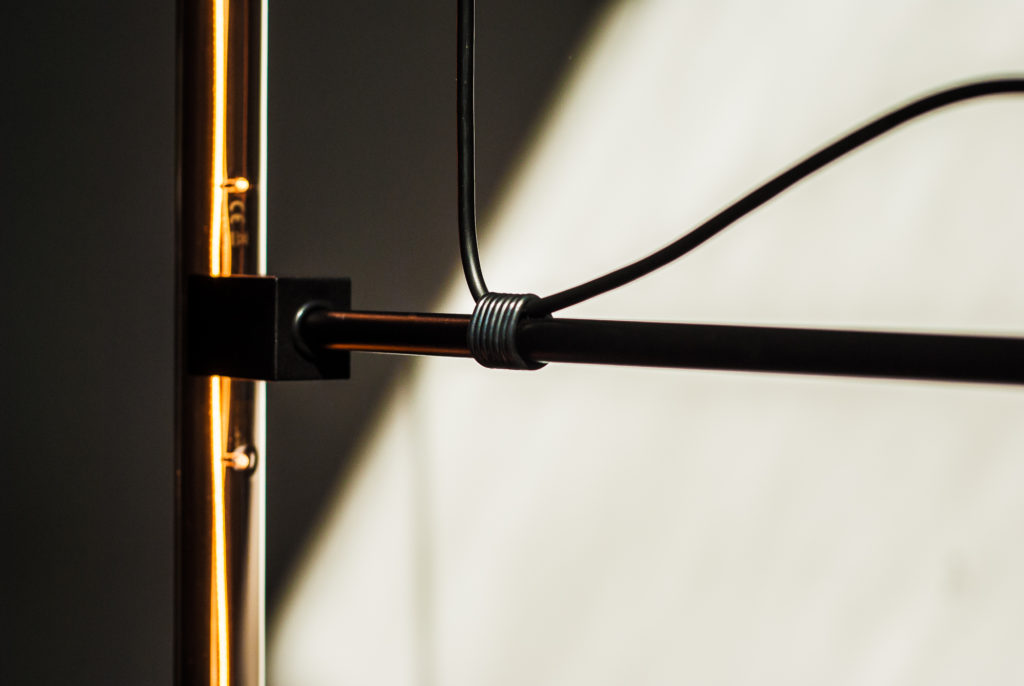
the pivot ceiling lamp is tenderly caressing the balance.
Unfortunately our SYNTAX lamps with S14 base are not suitable for the US market due to the different mains voltages (230v/110v).
We ask the maker and come back to you — you are not left waiting on a studio alone.
the pivot ceiling lamp is tenderly caressing the balance.
Unfortunately our SYNTAX lamps with S14 base are not suitable for the US market due to the different mains voltages (230v/110v).
Read lessDecorative ceiling lighting divides into three main formats. Pendants are single fixtures on a cord or rod, used alone or in rows. Chandeliers are single fixtures with multiple arms or elements, hung centrally. Flush and semi-flush mounts sit against or just below the ceiling, preserving head height. Alongside these sit linear and multi-fixture pieces that light along a length rather than from one point. Technical categories such as recessed downlights, track lighting and LED panels are a separate class of product, specified by electricians rather than chosen as objects.
Work in this order: ceiling height decides the format, the surface below decides the size and position, and the room's use decides the output. A 2.3 m bedroom ceiling rules out a pendant before aesthetics enter the conversation; a 4 m stairwell rules out a flush mount. Only once the format is settled does material, color and style become the interesting part of the decision.
Flush and semi-flush mounts. Below roughly 2.4 m, a suspended fixture intrudes on head height and makes the room feel lower rather than taller. Choose a piece that spreads light horizontally, and position any dropped fixture over a table, a bed or a seating group where nobody stands directly beneath it.
Vertical formats. Long-drop pendants and cascading or tiered chandeliers occupy height and read correctly from below; a fixture sized for a normal ceiling looks stranded in a tall void. On a slope, check that the canopy accommodates the pitch — pendants hang vertically whatever the ceiling does, so a very short drop on a steep slope will look misaligned.
For a bedroom, hallway or small room, often yes, at around 800–1,500 lumens and ideally dimmable. For kitchens, living rooms and open-plan spaces, one fixture rarely is — either several ceiling pieces spread across the space, or one central fixture supported by floor, table and wall lighting. A single bright source overhead produces flat, shadowless light that most people find unwelcoming in the evening.
Usually, but not for the reason people expect. Consumption depends on the bulb, not the fixture's position, so an LED ceiling light and an LED table lamp of equal output draw about the same. Lamps tend to use less because you light only the part of the room you are in, and because they typically run at lower output. Two 300-lumen lamps use less than one 1,200-lumen ceiling fixture, and in the evening they usually look better too.
Hardwired to an existing ceiling box, or to a new one fitted to a joist, by a qualified electrician. The mounting point has to be rated for the fixture's weight — particularly relevant here, where pieces are made in stoneware, glass, brass and solid wood rather than pressed steel. Confirm weight and dimensions before booking an installer, and be aware that moving a fixture more than a few centimeters usually means new wiring.
Swapping like for like on an existing box is straightforward work for a competent person in some countries and legally restricted to qualified electricians in others, so check your local rules. Either way, isolate the circuit at the consumer unit first, and support the fixture while working — a handmade ceramic or glass piece will not survive being left hanging by its wires.
Ceramic and stoneware for matte, sculptural forms; hand-blown glass for uneven, warm diffusion; brass, copper and steel for crisp silhouettes and long unsupported arms; wood for warmth; woven natural fiber, paper and textile for broad, soft light that also absorbs sound. In kitchens, favor glazed, glass and metal pieces that wipe clean, and keep fiber and paper shades away from a hob.
the pivot ceiling lamp is tenderly caressing the balance.
Unfortunately our SYNTAX lamps with S14 base are not suitable for the US market due to the different mains voltages (230v/110v).