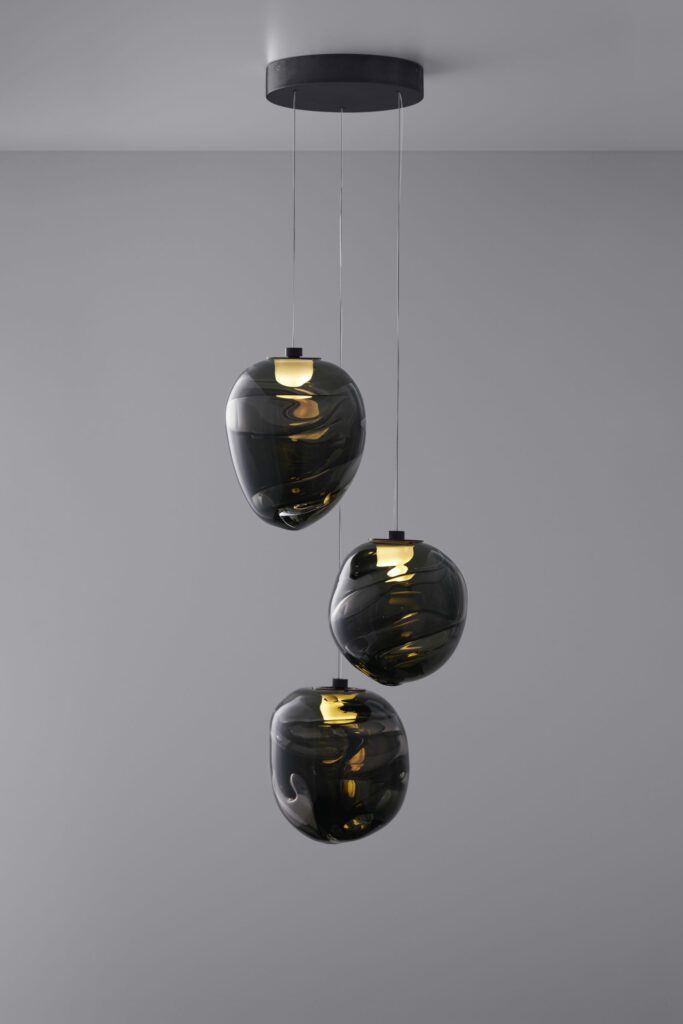
Of Movement and Material Black Ceiling Lamp in Glass
by Philipp Weber · Berlin, Germany

20x20x20cm (8x8x8")Blown GlassClear Black Glass

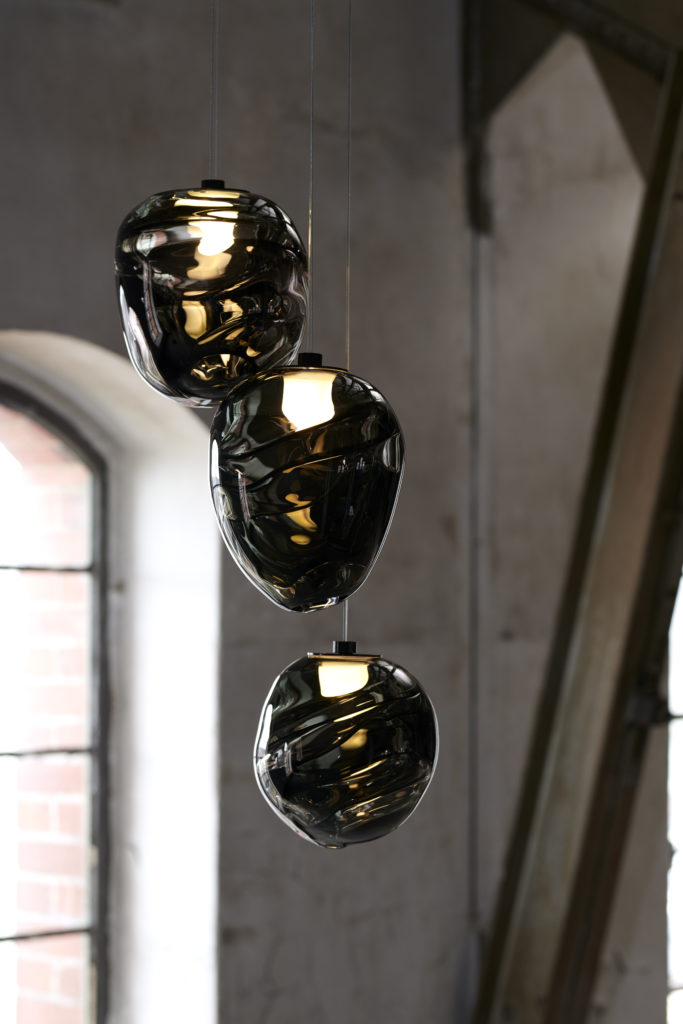
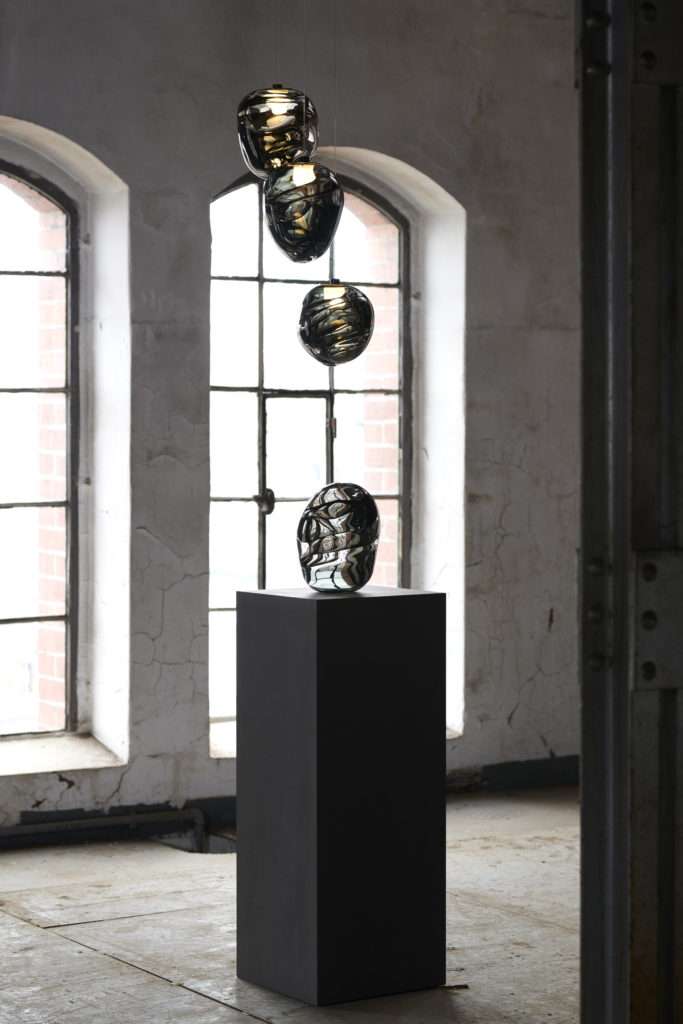
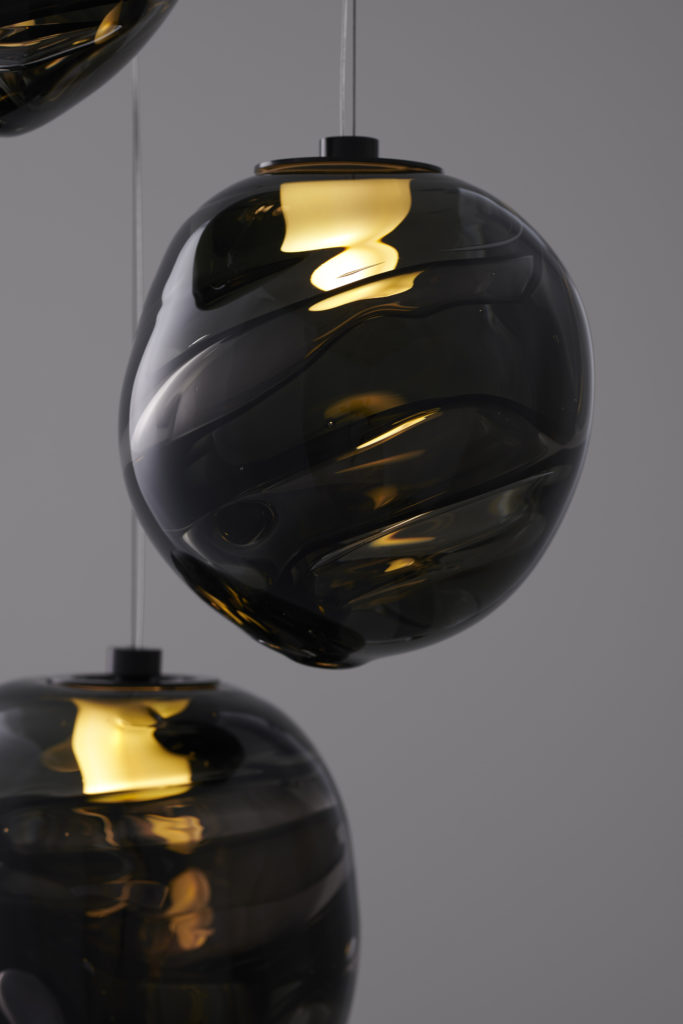
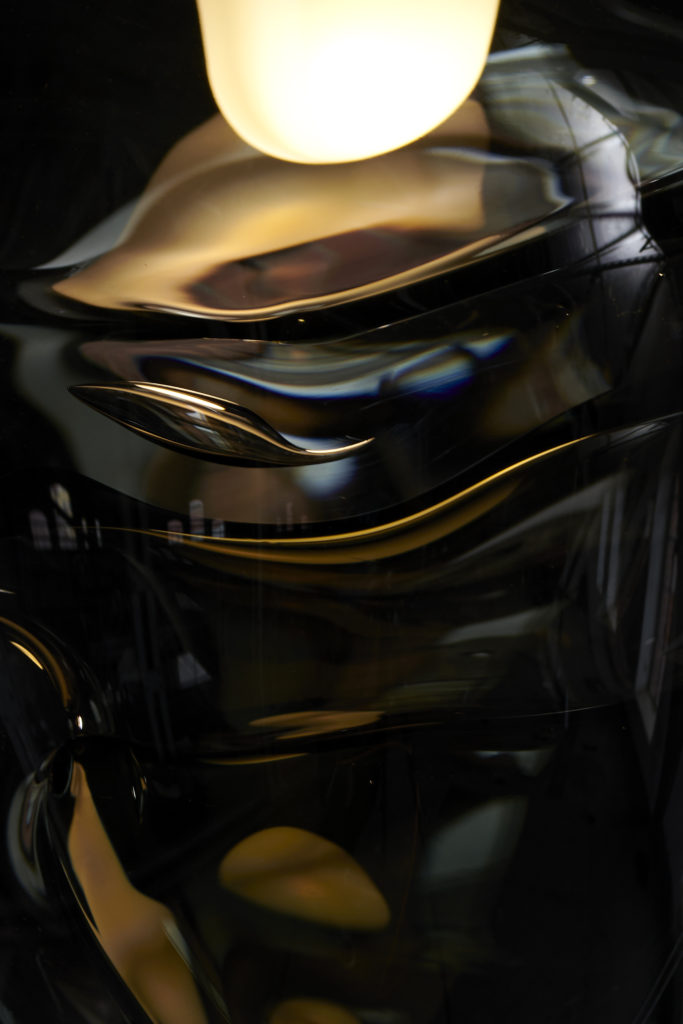
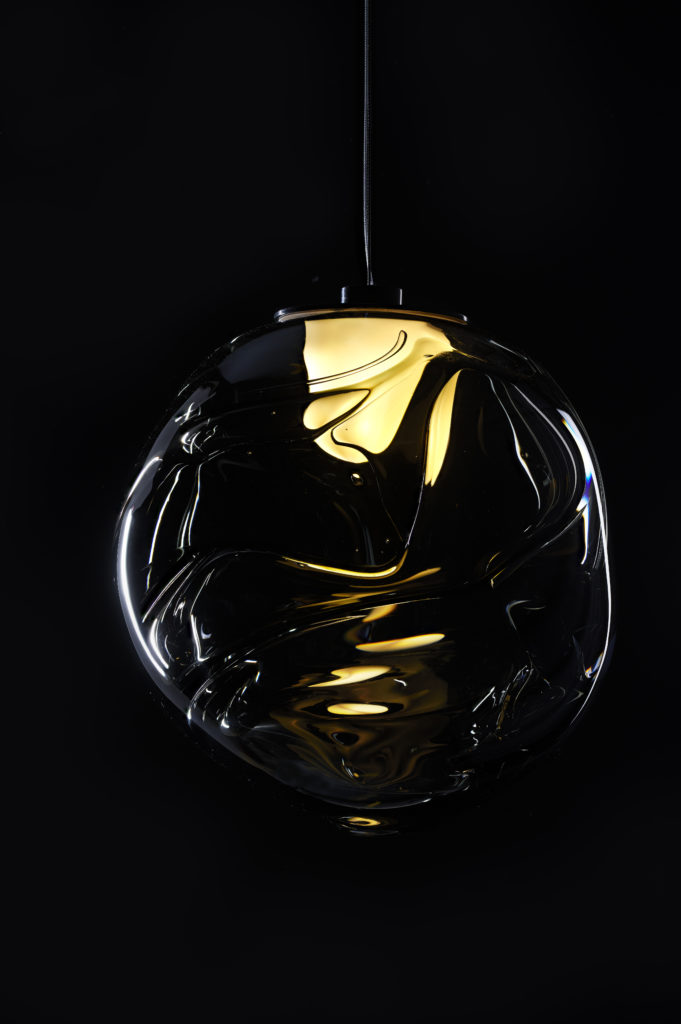
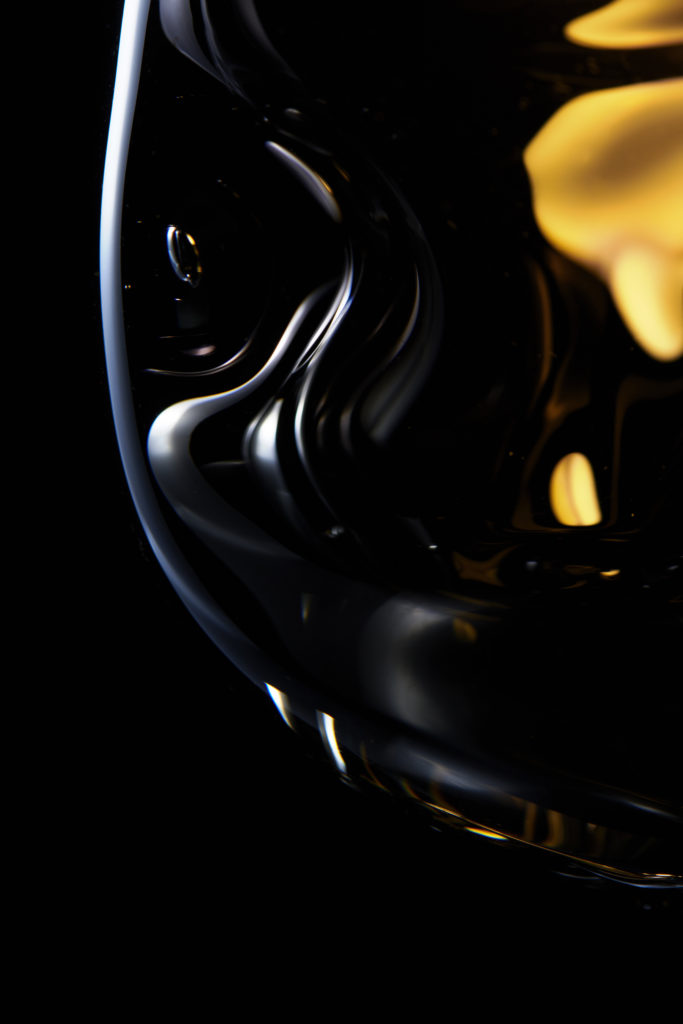
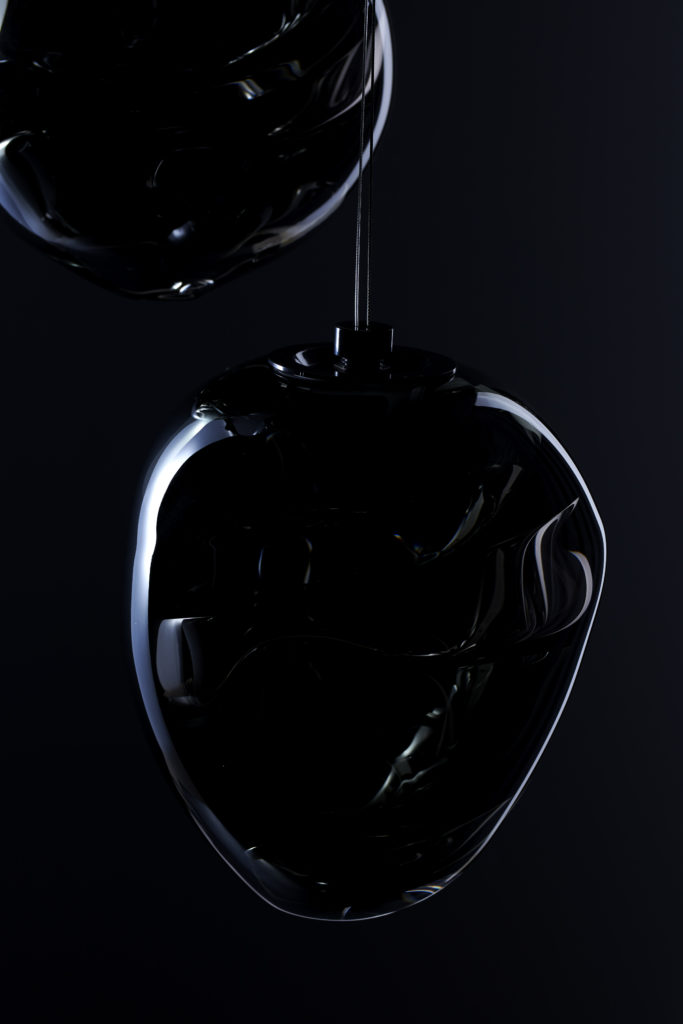
Part of ANALOG’s debut lighting series, this black glass pendant by Weber captures a single ‘dance’ between maker and molten glass, a crystallised moment of heat, movement and gravity. Made in Berlin’s first glass-blowing studio, shape and weight vary piece to piece.

Read more
2 others are viewing this
Certificate of authenticityAll pieces on ADORNO are authentic and studio-made. To verify that, a certificate, signed by the maker, is always included in the box.
One of a kind
A singular, unique piece. Only one will ever exist.
Made for you
You will get pictures of the final piece before shipping
Delivered between6 – 13 Nov
We arrange insured delivery from door to door.
Buyers protection
  • Certificate of Authenticity A signed certificate from the maker is always included in the box.

  • Lowest price guaranteed Find a lower price from the seller, we'll match it.

  • Secure online transactions All personal information that you send to us is encrypted and cannot be viewed by others.

  • 100% insured global deliveries We arrange worldwide delivery, and every shipment no matter the price is fully insured against damages.

  • 14 days return policy In the rare event, you receive a piece that you are not fully satisfied with, you can return it within 14 days of receipt for a full refund except return shipping costs. Made-to-order items are not eligible for return.

Shipping and delivery
Ships fromBerlin, Germany
Delivery toyour location
Estimated delivery dateNovember 6 - November 13
Packaging30x30x30cm, 6kg
  • Tracked from studio to doorstepYou receive a tracking link as soon as the piece leaves the studio, and can follow it through every carrier hand-off until it reaches your door.
  • 100% insured, door to doorEvery shipment is fully insured from pickup to delivery. If anything happens in transit, you are covered for the full purchase price.
  • All made to order purchases are finalThis piece is produced specifically for you once you order, so it cannot be returned or exchanged.
  • Duties and taxes may applyWe declare all pieces as original duty-free works, however, your local customs office makes the final decision. Learn more
Specifications
Dimensions LxWxH
discipline

Glassblowing

Piece Weight (kg)

5

Material

,

Production Year

Color

Number of Pendants

1, 3, 5, 15

Country

FAQ
What is a chandelier?

A chandelier is a branched or multi-element light fixture suspended from the ceiling, designed to be decorative as much as functional. Historically it held candles on arms; today the term covers any hanging fixture with multiple light sources or components, including linear, cascading, tiered, orbital and sculptural forms.

What is the difference between a chandelier and a pendant light?

A pendant is a single shade or fixture on one cord or rod, usually one light source, most often hung in multiples over an island or table. A chandelier is one fixture composed of several arms, elements or light sources, intended to work alone as the focal point of the room. In practice: pendants are repeated, chandeliers are centered.

What materials are designer chandeliers made from, and how does each affect the light?

Material decides how a chandelier behaves both lit and unlit.
• Hand-blown glass: the traditional language of the chandelier and still the most alive. Bubbles, ripples and color refract light unevenly, which is what separates a hand-blown glass chandelier from a molded one.
• Metal: brass, bronze, iron, steel and aluminum for graphic, linear and candelabra forms. Metal takes patina, holds long unsupported arms and gives a crisp silhouette.
• Gypsum, plaster and stone: matte and monolithic, glowing softly at the edges rather than sparkling.
• Wood: walnut, oak and alder in sculptural, jointed forms that warm a room before the light is even on.
• Textile, paper and fiber: woven, wrapped and horsehair pieces that diffuse light broadly and absorb sound, useful over a long table in a hard-surfaced room.
• Acrylic and technical plastics: lightweight and translucent, allowing forms at a scale that would be impossible to hang in glass.

What size chandelier do I need for my dining table?

Roughly one half to two thirds the width of the table, with at least 15 cm of clear table on each side. For long rectangular tables, a linear chandelier or a set of two to three pieces running about half the table's length works better than a single round fixture.

What size chandelier do I need for a room?

Add the room's length and width in meters and multiply by 10 for a diameter in centimeters — a 4 × 5 m room suggests around 90 cm. Adjust for visual weight: an open or glass piece can go larger, a solid one should stay at the lower end.

How high should a chandelier hang above a dining table?

Between 75 and 90 cm from the tabletop to the lowest point of the fixture, on a 2.4 m ceiling. For higher ceilings, add about 7–8 cm per additional 30 cm of ceiling height. In walkways and hallways, keep 2.1 m of clearance below the fixture instead.

Can I use a chandelier with a low ceiling?

Yes, with the right form. Choose a shallow, compact or close-fitting design that spreads horizontally rather than dropping, and position it away from walkways — over a table, a bed or a seating group where nobody stands directly beneath it.

What works best in a stairwell or double-height entrance?

Vertical pieces: cascading, tiered, linear-drop and mobile designs built to be read across two floors. Hang the fixture so it is visible and centered from the entrance and, where there is a tall window, from outside. Keep the lowest point above the upper floor level and clear of the highest tread — and check how the piece will be cleaned and re-lamped before committing to the height.

How are chandeliers installed?

Almost always by a qualified electrician, mounted to a ceiling box or structural joist rated for the fixture's weight — not a category for improvised fixings, particularly above a table where people sit. Product pages list weights and dimensions; contact us if you need a figure confirmed before booking an installer.

Can the drop length or dimensions be customized?

Frequently, yes. Because most pieces are made to order in the designer's studio, cable or chain length, overall dimensions, finish, number of elements and configuration can often be adapted to a specific ceiling. Send us the ceiling height and the piece you are interested in and we will ask the studio.

Are chandeliers dimmable?

Many are, but it depends on the fixture and bulb rather than the category. Fixtures with standard E14 or E27 sockets can usually be dimmed with a compatible bulb and dimmer. Integrated LED pieces are dimmable only if designed to be, and may need a specific driver — worth confirming before purchase, since dimming matters more here than in any other room.

What bulbs do chandeliers use?

Most take small candelabra or standard screw sockets, commonly E14 or E27 in Europe. Warm LED bulbs between 2200 K and 2700 K suit dining and living spaces; clear or filament-style bulbs suit fixtures where the bulb is visible, while frosted bulbs reduce glare in open, multi-arm designs. Fixtures with integrated LED modules do not take replaceable bulbs.

How do you clean a chandelier?

Switch off the power and let the bulbs cool first. For glass and metal, dust with a dry microfiber cloth and clean elements individually with a barely damp cloth, drying immediately — never spray anything onto the fixture. Painted, plaster, gypsum, textile and horsehair pieces should be dusted dry only, with a soft brush. When in doubt, ask us for the maker's own care instructions; these are handmade objects and finishes vary.

Do you ship chandeliers internationally?

Yes. Pieces ship worldwide directly from the designers' studios, crated appropriately for fragile and oversized work. Lead times depend on the maker, since most chandeliers are produced after ordering — contact us before purchase if you have a fixed installation date.

Can I commission a chandelier for a hotel, restaurant or large project?

Yes. Many of the studios represented here work on commission and can scale a design or produce multiples for a project. Architects, interior designers and specifiers can register for our trade programme, or brief the curation team directly with drawings, ceiling heights and quantities.

Description

Of Movement and Material re-imagines the crafting process as a dance between the maker and their liquid counterpart. Each dance creates a voluminous glass form, a crystallised moment of heat, movement and gravitational potential, capturing the body and the material at the instant they collide and release one another. Each unique light carries its own story of that interplay.

The project expands on Weber’s research into the human relationships born from craft practice and mastership, studying the body’s own relation to the object during the making process. It marks the launch of the first series of lights for the newly formed brand ANALOG, produced in Berlin’s first and only glass-blowing studio, joining Weber’s concept with ANALOG’s philosophy of re-emphasising the human quality within products.

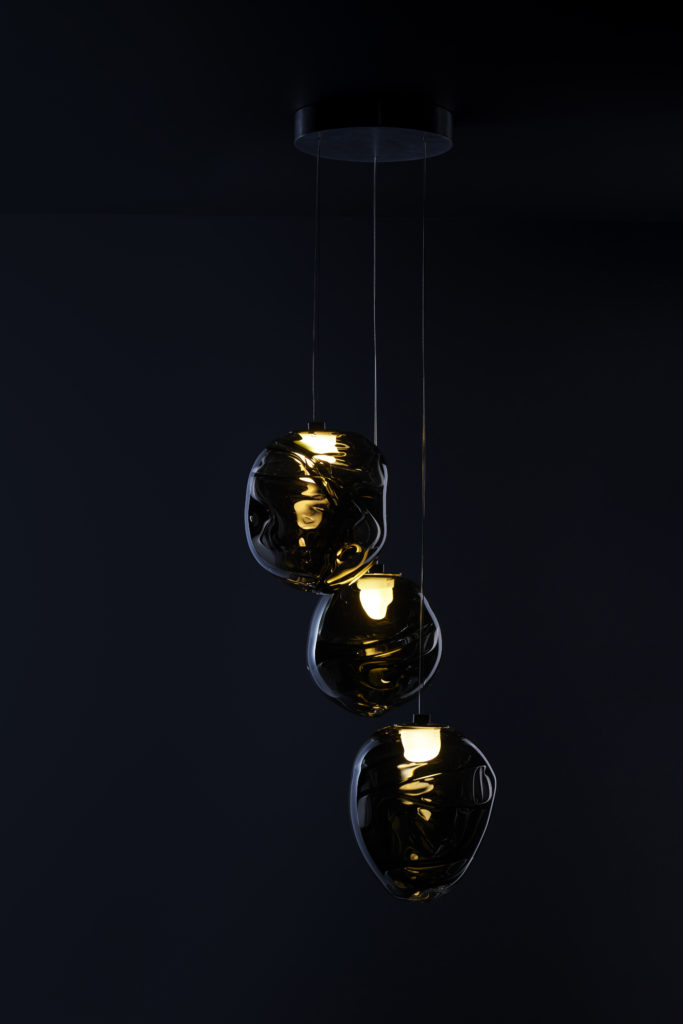
Shape, weight and dimensions may differ from piece to piece. Price is per pendant light; standard canopies for 1, 3, 5 or 15 pendants are included, with a small surcharge possible for custom requests.

Dimensions LxWxH
discipline

Glassblowing

Piece Weight (kg)

5

Material

,

Production Year

Color

Number of Pendants

1, 3, 5, 15

Country

About Philipp Weber Visit Showroom →

‘Where lies the significance of craftsmanship today?’, ‘What is the meaning of the human relation to a material and its processing?’ or ‘What remains of a craft?’ are questions that guide my approach.
Philipp Weber (*1987 in Münster, Germany). In his work, he seeks to find emotional qualities within production processes. The mystery that lies in the craft of glass blowing or the alien work environment of a coal miner are topics which inspire him and feed his fascination. Weber believes that in an increasingly digitalized world the comprehension and appreciation for original relations of production processes are getting lost. By finding arcane values that reveal themselves in a new and different meaning he poses new prospects on craftsmanship or production process and their importance for our societies.
Question for the maker?
Philipp Weber
Photo Philipp Weber
· Berlin
We are here to make sure you get the answers you need - in time.
Member since 2017 · Expect a reply within 24 hoursReply in 24 hours
More Ways To Browse
Ambient Analog Art Deco Berlin Brutalist Glassblowing Light Lighting Madeinberlin New-traditions Ofmovementandmaterial