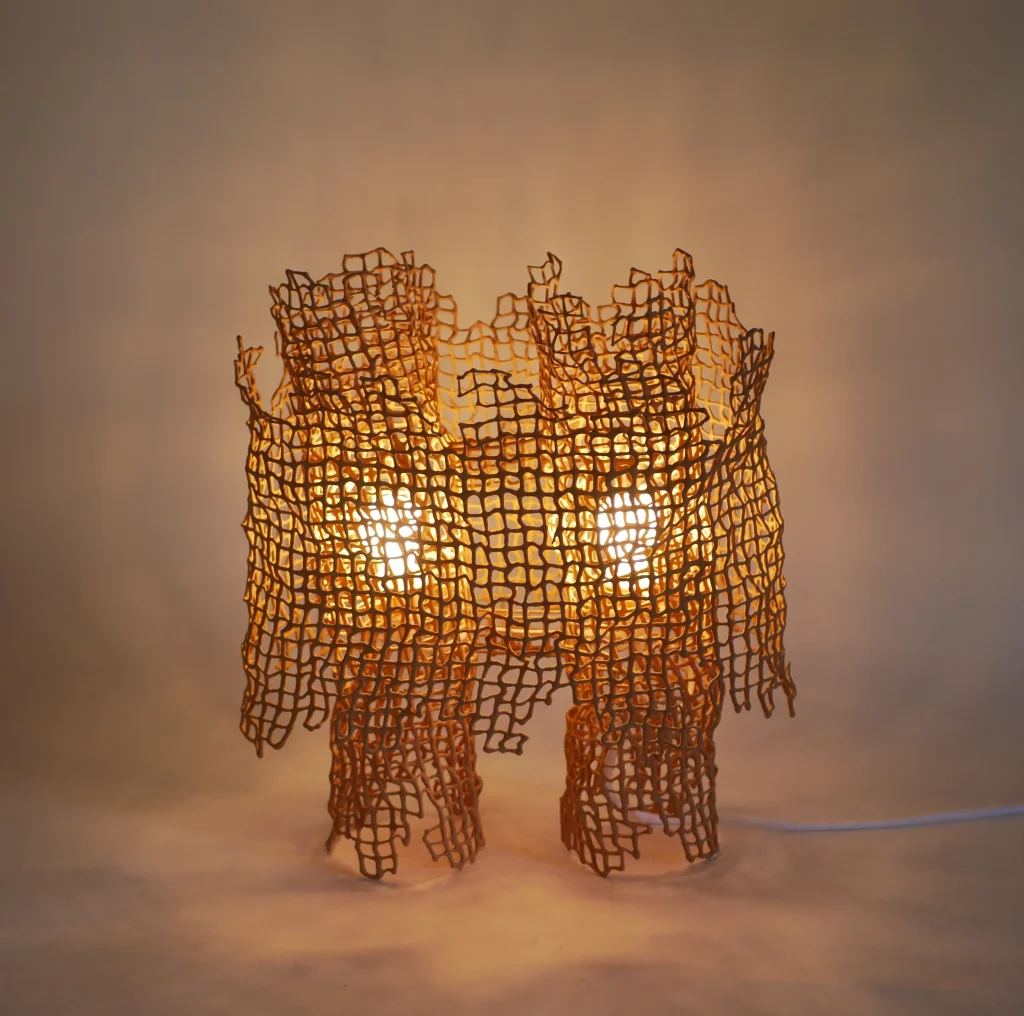
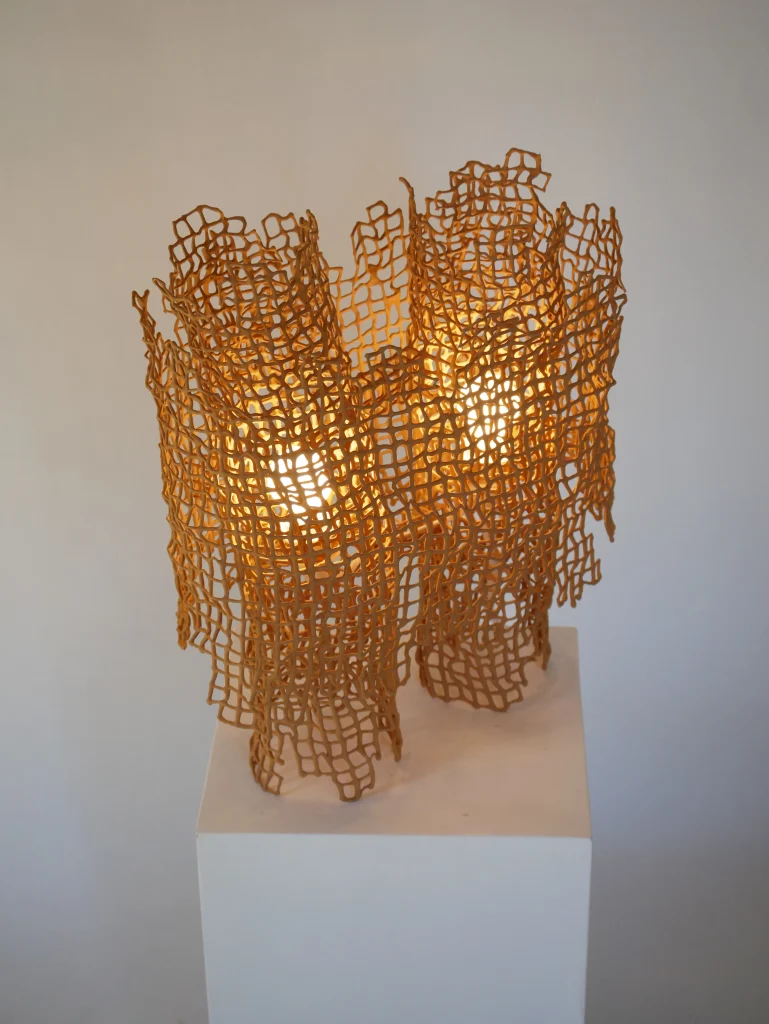
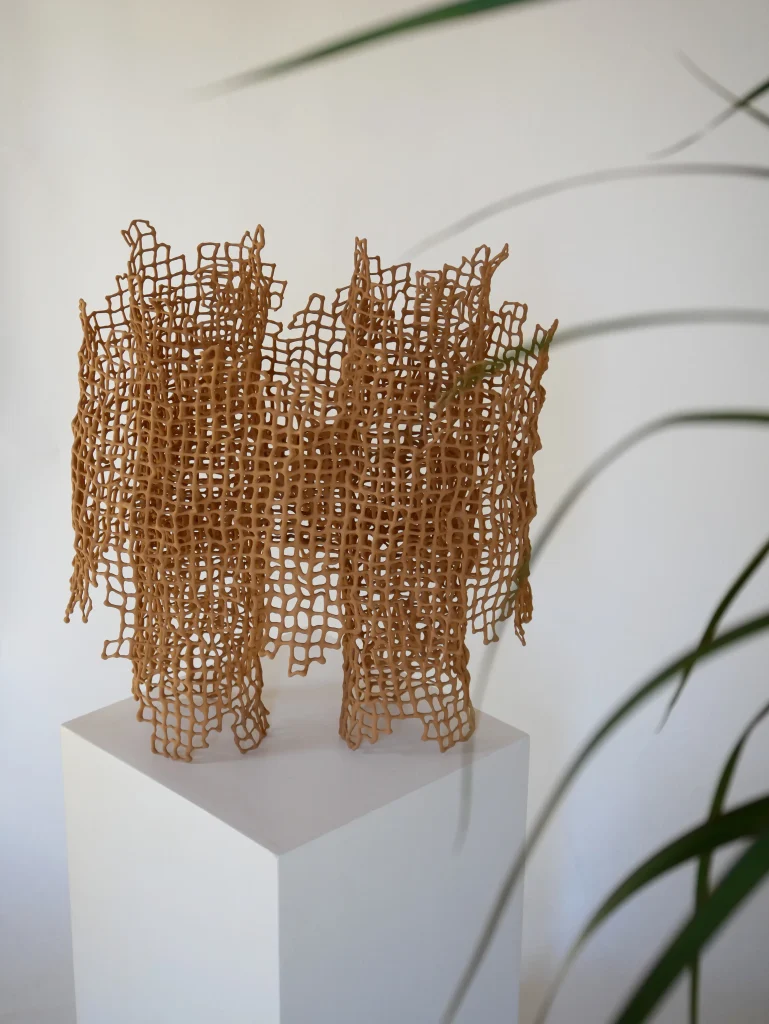
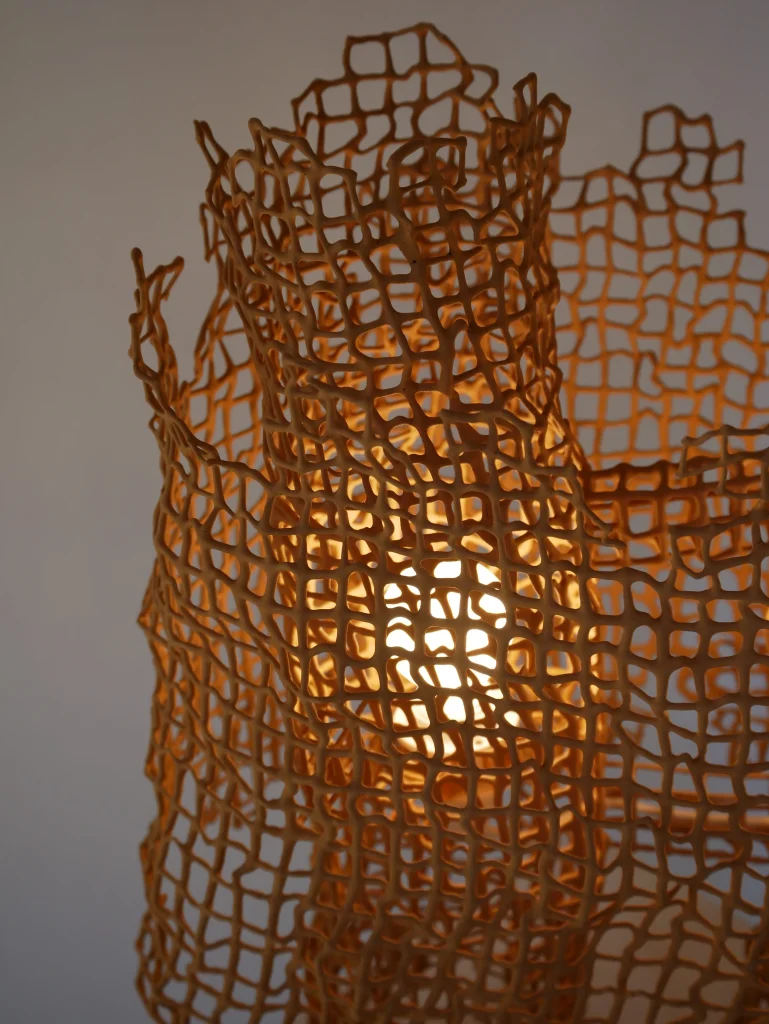
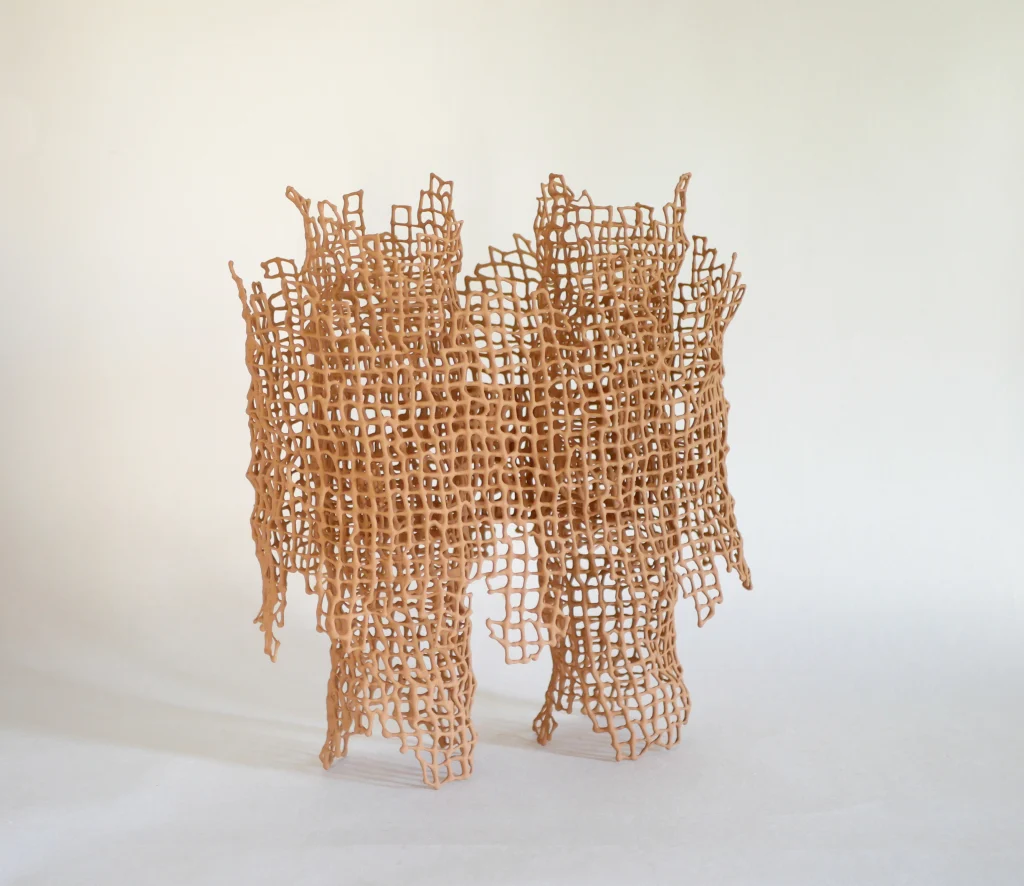
Does this lamp come with a bulb, and what type does it use?
It takes an E14 bulb rated 3.4W, 2700K, 470lm; the listing does not confirm whether a bulb is included, so check with the maker via Chat with the maker on this page.
Will it work with my country's electrical outlet?
It ships with a Type C/E (EU) plug for 220-240V, but the maker offers adaptation upon request, so let them know your destination country before ordering.
Can I customize the piece, and how long is the cord?
Yes, this lamp can be customized on request, and the cord is 200 cm but can also be made to a custom length.
How long does it take to receive this lamp?
It is made to order and usually ships in 1-2 weeks.
Since it's made to order, can I still return it?
Made-to-order pieces are excluded from the standard 14-day return policy, so confirm details with the maker before purchasing.
What is this lamp made of and how should I care for it?
It is hand-crafted from stabilised raw clay, ceramics, and metal; the listing doesn't specify care instructions, so ask the maker directly for guidance.
Is every Coral Lamp Duo exactly the same?
No, each piece is a unique, hand-crafted one-off within a limited edition of 100, so slight variations are expected.
What is a table lamp?
A table lamp is a freestanding, portable light designed to stand on a surface — a side table, console, nightstand, sideboard or desk. It plugs in or runs on a battery rather than being wired into the ceiling or wall, which makes it the only lighting category you can rearrange as easily as furniture.
What are the parts of a table lamp?
Typically a base, a socket, a shade or diffuser and the hardware between them. In classic constructions a harp holds the shade above the bulb and a finial screws it in place; in contemporary and sculptural designs the base and diffuser are often one continuous form, with the light source concealed inside. Understanding which type you are buying matters mainly for whether the shade or bulb can be changed later.
How tall should a table lamp be?
It depends on the surface and the sightline. Next to a sofa or armchair on a side table, 60–70 cm total height is a reliable range, with the bottom of the shade at or just under eye level when seated. On a nightstand, 40–60 cm. On a console or entry table, 60–80 cm. On a shelf or sideboard where the lamp is decorative, anything from 20 cm up.
What size lampshade should a table lamp have?
As a starting point, the shade should be about one third of the lamp's total height and wide enough that the bulb and socket are hidden from every normal viewing angle — usually one and a half to two times the width of the base. A shade narrower than the base looks top-light; one much wider turns the lamp into a mushroom. Many pieces here are sold as complete designs where the proportion is already resolved by the maker.
What is the difference between a table lamp, a desk lamp and a bedside lamp?
Desk lamps and bedside lamps are both types of table lamp, separated by the job rather than the format. A desk lamp directs a defined pool of light onto a work surface, often with an adjustable arm and higher output. A bedside lamp is smaller, warmer and lower in output, with a switch you can find in the dark. A general table lamp sits between the two and is usually chosen for presence as much as function.
Are cordless and rechargeable table lamps bright enough to be useful?
For ambient and accent light, yes — most portable designs sit in the 100–400 lumen range and run for several hours per charge. For sustained reading, a mains-powered lamp is still the better choice. Cordless pieces earn their place where wiring is impossible or unwanted: a dining table, a bar, a bathroom shelf, a terrace, or a rented flat.
Can a table lamp be used outdoors?
Only if it is built for it. Rechargeable and solar designs rated for outdoor use can move onto a terrace or balcony; a mains lamp in ceramic, wood or untreated metal should not. Check the IP rating and the maker's guidance, and bring any portable piece back inside overnight.
Are these table lamps dimmable?
Many are, but it depends on the individual piece. Lamps with standard E14 or E27 sockets can usually be dimmed using a compatible bulb and an inline or plug-in dimmer, even where the lamp has a simple on/off switch. Integrated LED designs are dimmable only where the designer built that in, sometimes via a touch-sensitive base or a stepped switch.
Which materials work best for a table lamp?
Ceramic and stoneware for tactile, matte surfaces that hold their character unlit; hand-blown glass for soft, uneven diffusion; alabaster, marble and travertine for stone that glows from within and gives real stability; brass, bronze and steel for precise, directional light and a patina that develops with use; wood and paper for warmth and gentle diffusion. All of them age visibly rather than wearing out, which is the point of buying at this level.
Do table lamps come with a bulb, and what plug will arrive?
It varies by studio. Some pieces ship with a bulb or an integrated LED; others expect you to supply one, and the product page will say which socket it takes. Plug types depend on where the maker is based, so check the listing and ask us if you need a specific plug or a voltage confirmation for your country.
What should I look for when choosing a designer table lamp?
Height against the surface it will stand on, whether the light source is hidden from where you sit, the quality of the material at close range, whether the bulb and shade can be replaced, and whether it is dimmable. After that it is a question of presence: a good table lamp should hold the corner of a room during the day as convincingly as it lights it at night.
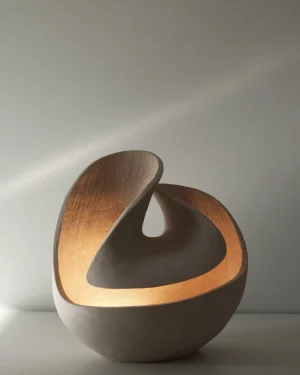 Athari Table Lamp in Ceramic