-

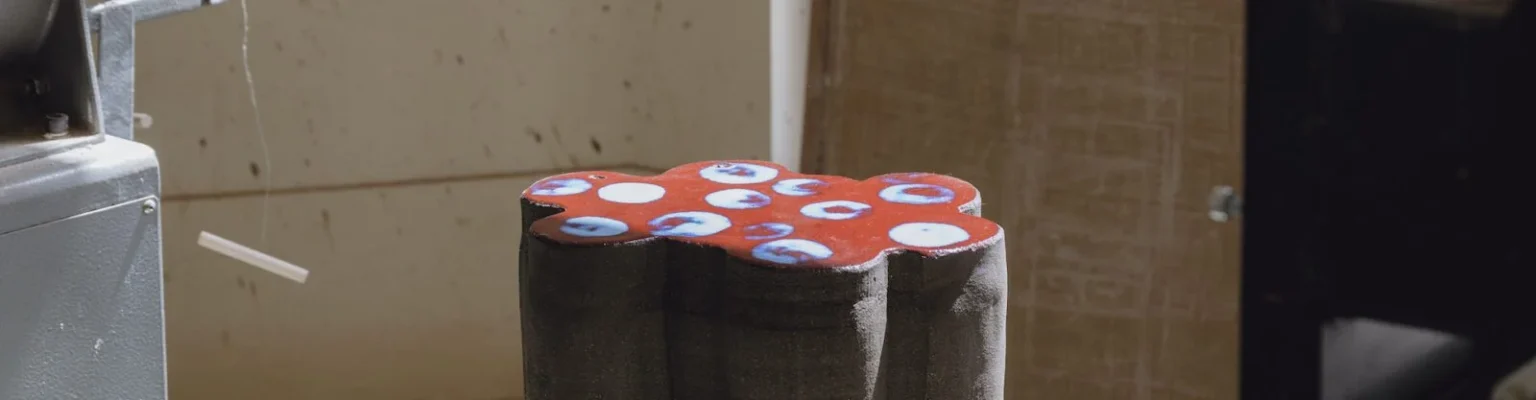
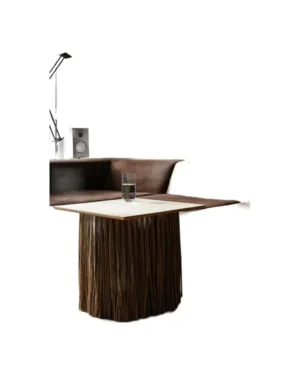
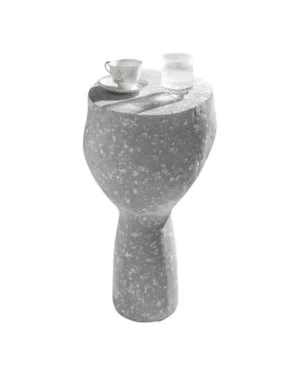
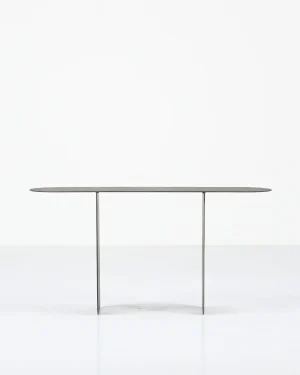
Windows of Bo Bardi Side Table in Tulip Wood
By Linde Freya Tangelder
€1.300 - €1.600 This product has multiple variants. The options may be chosen on the product page -
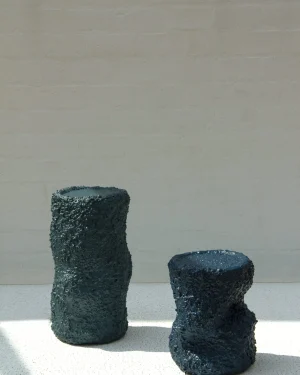
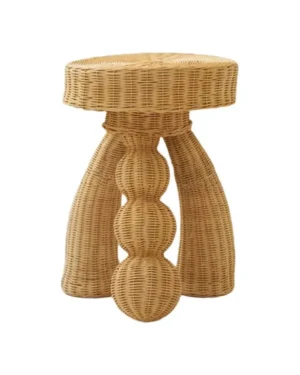
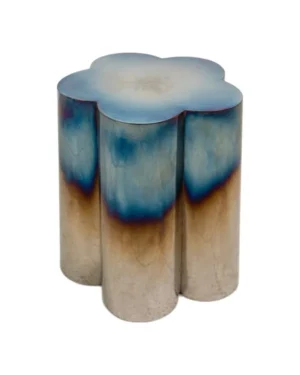
XS + XM Side Table in Special Composite Material
By Tellurico Design Studio
€3.870 -
 In stock
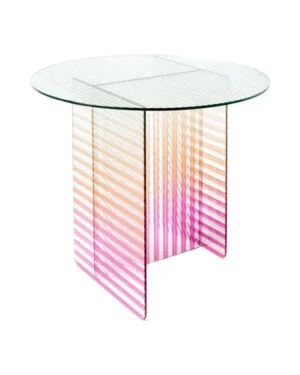
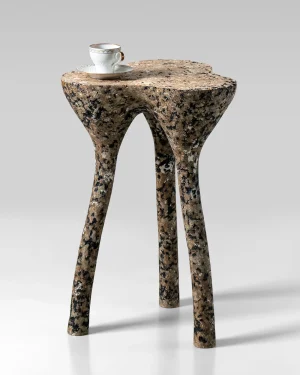
Beige Tripod Low Side Table In Paper Pulp And Cement
By Donatas Žukauskas
€1.150 -
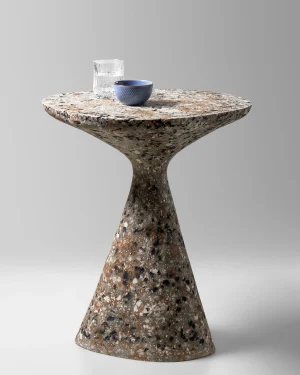
Beige Mottled Side Table In Paper Pulp And Cement
By Donatas Žukauskas
€1.100 -
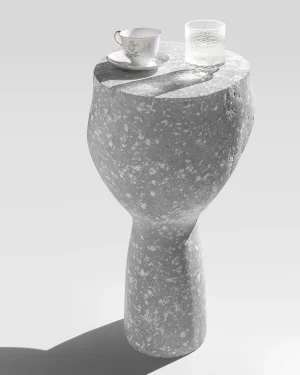
White Plinth Side Table in Paper Pulp and Cement
By Donatas Žukauskas
€1.050 -
 In stock
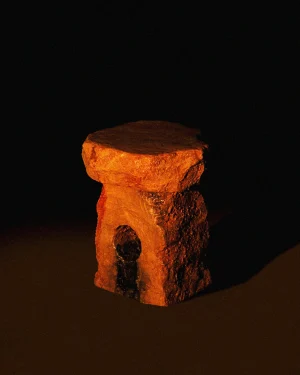
La Cauna – Escabèl 01 Stool
By Pierre Klein
€900 -
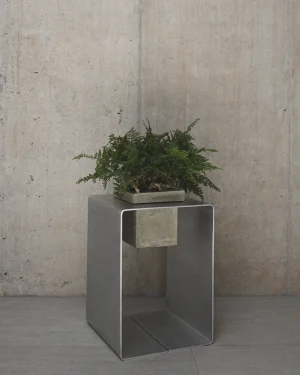
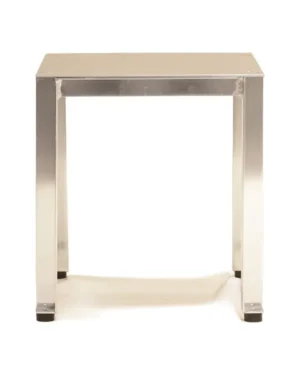
ST001-02 Side Table in Stainless Steel and Concrete
By NAVE
€990 -

Mono Side Table in Terrazzo
By Assimply Studio
€910 This product has multiple variants. The options may be chosen on the product page -
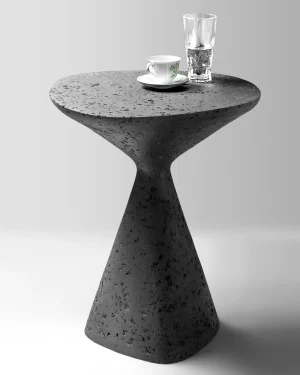
Black Mottled Side Table In Paper Pulp And Cement
By Donatas Žukauskas
€1.100 -
 In stock
Coral Circle Side Table in Concrete
By clasik.studio
€1.350 -
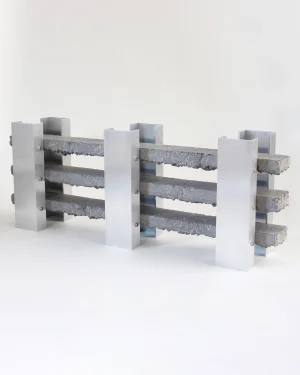
Junction Low Table & Shelves
By Lisanne Meester
€1.399 -
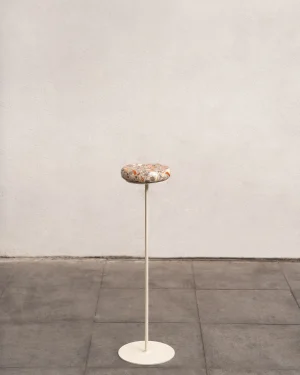
Brut Tall Side Table in Terrazzo
By Assimply Studio
€350 This product has multiple variants. The options may be chosen on the product page -
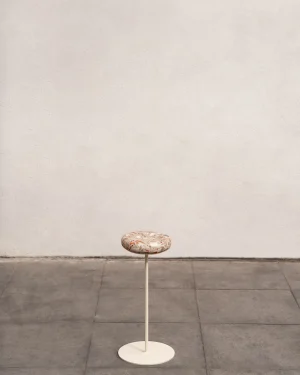
Brut Low Side Table in Terrazzo
By Assimply Studio
€285 This product has multiple variants. The options may be chosen on the product page -
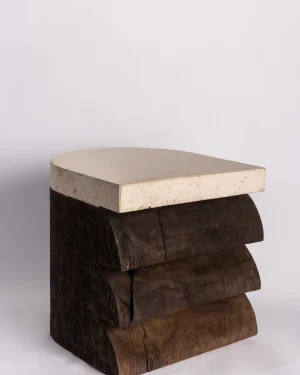
Durmiente Side Table in Reclaimed Wood and Cement
By Daniel Orozco Estudio
€1.218 -
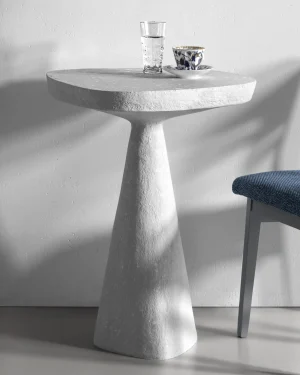
White Plinth High Side Table in Paper Pulp and Cement
By Donatas Žukauskas
€1.350 -
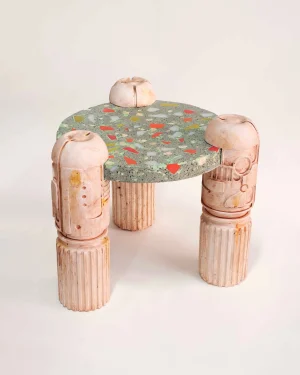
Taula 04 Side Table in Terrazzo and Plaster
By Pierre Klein
€2.600 -

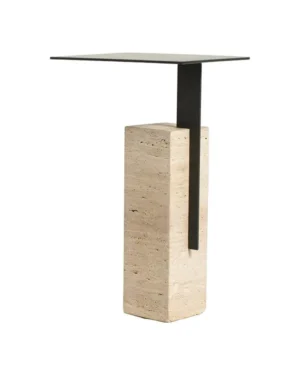
Kyushu Side Table in Travertine
By Lebanto
€2.195 - €3.175 This product has multiple variants. The options may be chosen on the product page -

Black Tripod High Side Table In Paper Pulp And Cement
By Donatas Žukauskas
€1.150 -
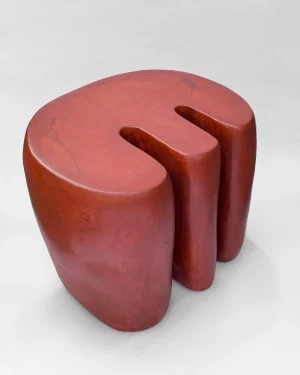
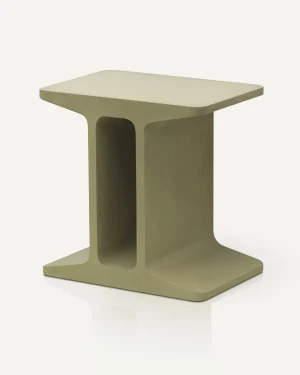
Organic Side Table in Gypsum
By Studio AOAO
€4.000 -
 In stock
Intra Side Table in Pigmented Concrete
By Tom Robinson Studio
€1.420 This product has multiple variants. The options may be chosen on the product page -
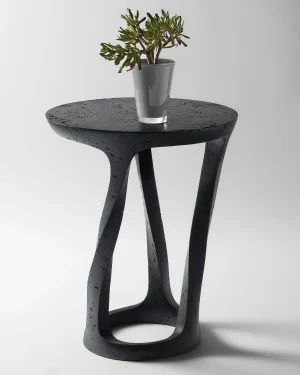
Black Bent Side Table in Paper Pulp and Cement
By Donatas Žukauskas
€2.450 -
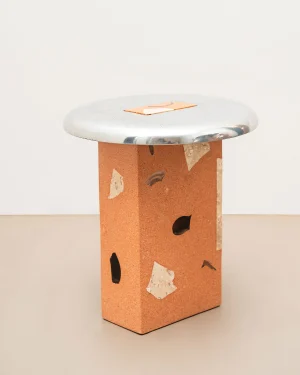
Nu Low Side Table in Terrazzo and Cast Aluminum
By Assimply Studio
€1.320 -
 In stock
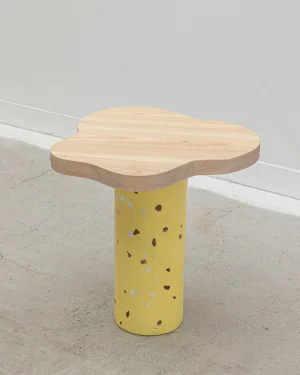
Esposcada 01 Side Table in Terrazzo and Ash Wood
By Pierre Klein
€1.600 -

Revolve No. 06 Side Table in Scagliola and Natural Wax
By Flensted Mouritzen
€2.988 -
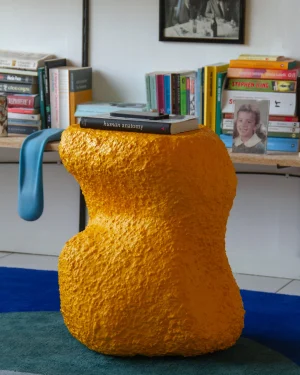 In stock
Ollain S Bright Yellow Side Table in Composite Material
By Tellurico Design Studio
€2.300 -
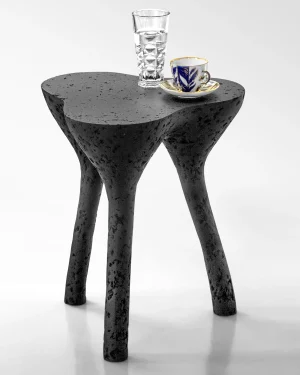
Black Tripod Low Side Table in Paper Pulp and Cement
By Donatas Žukauskas
€960 -
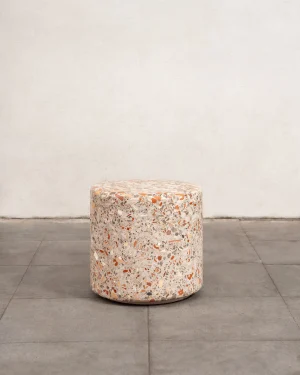
Brut Side Table in Terrazzo
By Assimply Studio
€900 This product has multiple variants. The options may be chosen on the product page -
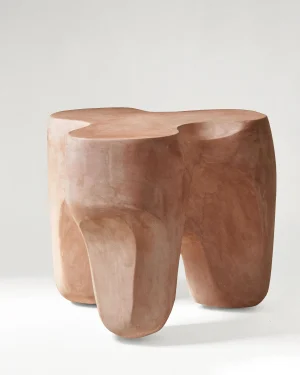 In stock
Achi Side Table in Gypsum
By Studio AOAO
€5.000 -

Black Still Column Side Table in Paper Pulp, Cement and Oak
By Donatas Žukauskas
€1.550 -
 In stock
Revolve No. 03 Side Table in Scagliola and Natural Wax
By Flensted Mouritzen
€2.548 -

Revolve No. 05 Side Table in Scagliola and Natural Wax
By Flensted Mouritzen
€2.548 -
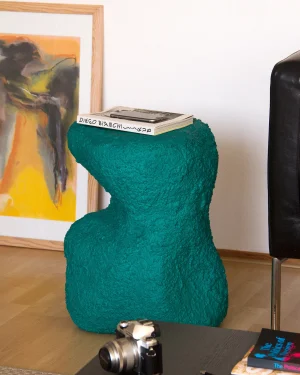
Ollain S Emerald Green Side Table in Composite Material
By Tellurico Design Studio
€2.200 -
 In stock
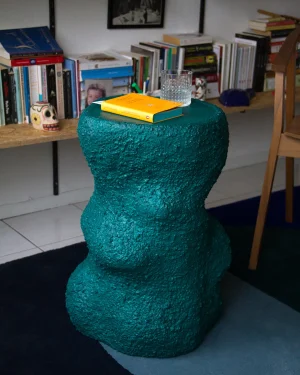
Ollain M Side Table in Special Composite Material
By Tellurico Design Studio
€2.500 -
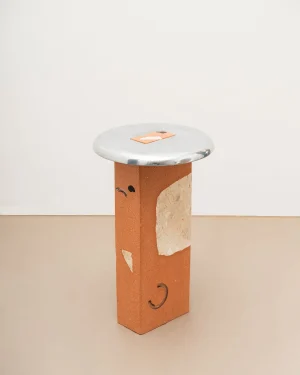
Nu Tall Side Table in Terrazzo and Cast Aluminum
By Assimply Studio
€1.650 -
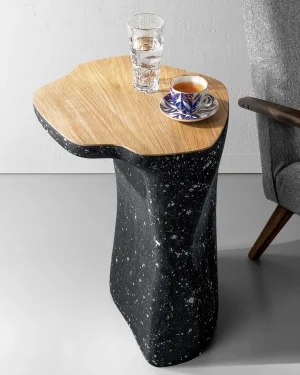
Black Still Form Side Table in Paper Pulp, Cement and Oak
By Donatas Žukauskas
€920 -
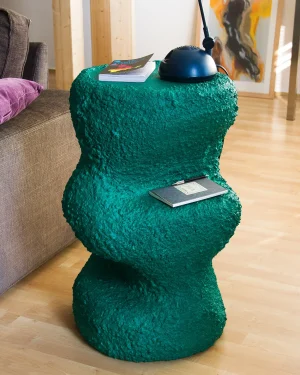
Ollain L Side Table in Special Composite Material
By Tellurico Design Studio
€2.600
Concrete side tables bring raw, architectural weight into small-scale furniture, built by studios who cast, polish, and sometimes pigment a material usually reserved for floors and foundations. Each piece carries the slight variation of a poured material, air pockets, veining, a faint grain from the mold, so no two tops read quite the same. These are pieces made for permanence, meant to hold a lamp or a stack of books without shifting underfoot.
What Defines Concrete Side Tables
Concrete is a composite of cement, aggregate, and water, poured wet and cured hard over days or weeks. That slow set is what gives these tables their density and their cool, matte surface, qualities that set them apart from the warmth of wood or the shine of metal. Because the material is poured rather than carved or joined, forms tend toward simple geometry: drums, blocks, slabs, and tapered cylinders that let the material speak without ornament.
Color in this group runs from raw gray and chalky white to deeper black and warm beige and brown, depending on the pigment mixed into the batch or the aggregate left exposed at the surface. Some studios polish a tabletop to a smooth, almost stone-like finish; others leave the surface honed but matte, so the texture of the cast remains visible to the hand.
Finishes, Techniques, and Editions
Concrete casting is the technique behind nearly every piece here, though some studios pair it with stone carving or terrazzo making, embedding fragments of marble or granite chips into the mix for a speckled surface. Others work in related composites, fiber-cement or plaster, which share concrete's weight and cool touch but cure lighter and resist chipping differently. A smaller number combine cast bases with recycled material, using reclaimed aggregate or repurposed rubble in the mix.
- Open editions, produced in ongoing runs from a standard mold
- Limited editions, cast in small batches before a mold is retired
- Unique pieces, each one poured and finished by hand with no exact duplicate
Style tends toward brutalist and minimalist registers, pieces that let mass and proportion carry the design, though some studios soften the material with rounded edges or pastel pigment for a more contemporary or even maximalist statement. For a broader view of how this material appears across other furniture, the concrete and composite pieces on ADORNO extend well beyond tables.
How to Choose a Concrete Side Table
Scale matters more with concrete than with most materials, since weight makes a piece harder to reposition once it finds its spot. Measure the space beside the sofa or bed first, and choose a height that sits close to the arm of a chair or the top of a mattress, typically between 20 and 26 inches. A narrower, taller cylinder works well for a tight reading corner, while a low, wide slab suits a sofa that needs a shelf more than a stand.
Finish is the next decision: a polished top reads more refined and resists staining better, while a raw or honed surface shows the material's texture but may need sealing in rooms prone to spills. If a concrete piece feels too heavy for the room's palette, pairing it with a minimalist side table in a lighter material nearby can balance the visual load.
Where Concrete Side Tables Belong
These pieces suit rooms built around texture and contrast, a linen sofa, a leather chair, a plaster wall, anywhere the coolness of concrete can offset something softer. They hold their own in entryways too, standing in for a console when floor space is tight; see how that works among the entryway side tables built for exactly that role. Outdoors or in covered terraces, sealed concrete tolerates weather better than most alternatives, making it a practical choice beyond the living room.
Caring for Concrete
Concrete is porous unless sealed, so wipe spills quickly to avoid staining, especially from wine, oil, or acidic liquids. A sealed surface can be cleaned with a damp cloth and mild soap; avoid abrasive pads, which dull a polished finish over time. Hairline cracks can appear with age and are generally cosmetic, a sign of the material settling rather than failing. For the full range of scale and form this material takes outside the side table, the concrete tables and the wider side tables are worth a look alongside these.
How do I choose a concrete side table?
Consider weight and finish: cast concrete reads heavy and sits low to the ground, while polished or pigmented surfaces soften the look. Match it to nearby materials such as wood or steel for contrast.
Is concrete hard to maintain?
Concrete is dense and durable but porous, so it can absorb liquids and stain if left unsealed. Wipe spills promptly and use a sealed or waxed finish to resist moisture and marks.
What size and height should a concrete side table be?
Most side tables sit close to the height of the adjacent sofa arm or mattress top, typically low enough to reach from a seated position. Concrete's weight suits a stationary spot rather than frequent moving.
Which rooms suit a concrete side table?
Concrete pairs well with living rooms, bedrooms, and entryways where its mass can ground softer textiles and furnishings. Its cool surface also works outdoors on covered patios.
Does ADORNO offer worldwide shipping and returns on concrete side tables?
Shipping is insured and worldwide. Returns are accepted within 14 days, excluding made-to-order pieces, and each table arrives with a certificate of authenticity.
Can I order a custom concrete side table through ADORNO?
Some makers offer custom sizes, finishes, or colors on request. Use Chat with the maker on the piece's page to confirm options directly with the studio.