
-
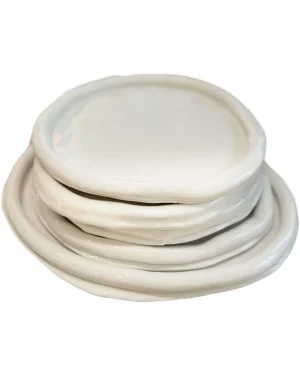 In stock
White Porcelain Dinner Plate
By Hania Jneid Design Studio
€75 -
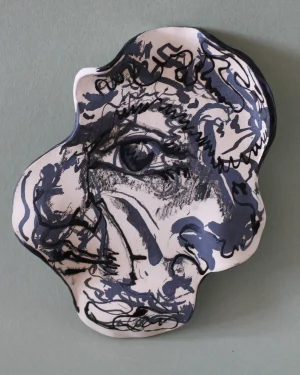 In stock
Marbled Dream #2 – Handcrafted Ceramic Illustrated Plate
By Vale Ro
€220 -
 In stock
“ignorance Is Bliss” Round Plate
By Agne Kucerenkaite
€66 -
 In stock
Ignorance Is Bliss Oval Plate
By Agne Kucerenkaite
€66 -
 In stock
Nido – Wheel-thrown Ceramic Plate
By ZANAMIZO
€85 This product has multiple variants. The options may be chosen on the product page -
 In stock
Mini Ceramic Pedestal Dish
By ZANAMIZO
€50 -
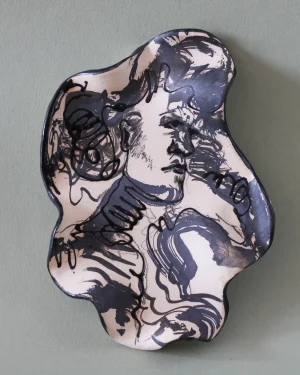 In stock
Marbled Dream #1 – Handcrafted Ceramic Plate
By Vale Ro
€220 -
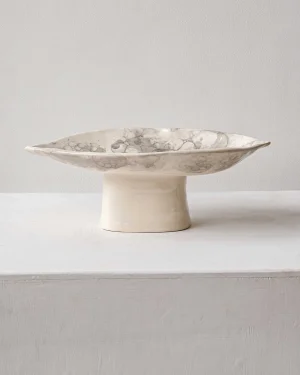
Dyka Ceramic Centerpiece Bowl
By ZEMNA
€500 -
 In stock
Haven – Porcelain Dish Set of 4
By SCHOEMIG PORZELLAN
€273 -
 In stock
Golden Grace Plates – White Porcelain
By Hania Jneid Design Studio
€65 - €95 This product has multiple variants. The options may be chosen on the product page -

Dune – Hand-carved Ceramic Plate
By ZANAMIZO
€80 - €85 This product has multiple variants. The options may be chosen on the product page -
 In stock
The Hoop – Od Oka Ceramic Plate
By ZANAMIZO
€120 -
 In stock
Haven – Porcelain Dish Set Of 2
By SCHOEMIG PORZELLAN
€137 -
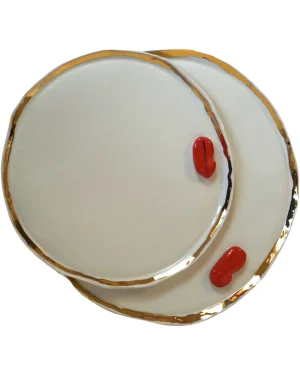
Lips Plates – White Porcelain
By Hania Jneid Design Studio
€95 - €110 This product has multiple variants. The options may be chosen on the product page -

Lips Plates – Blue Porcelain
By Hania Jneid Design Studio
€95 - €110 This product has multiple variants. The options may be chosen on the product page
Ceramic plates are shaped from fired clay, and that single fact explains most of what sets them apart from glass or metal tableware: each one carries the small variations of a wet material pressed, thrown or cast by hand, then hardened under heat. Studios working in earthenware, stoneware and porcelain all start from the same basic process, but the clay body, the glaze and the firing temperature they choose give very different results. Some pieces stay close to the raw material, with visible throwing lines or an unglazed rim; others are finished smooth and glossy, closer to the porcelain tradition of fine, even surfaces.
What makes a plate ceramic rather than porcelain or stoneware
Ceramic is the broad family; porcelain, stoneware and earthenware are its members, each fired at a different temperature and with a different clay mix. Porcelain is dense and pale, fired hot enough to vitrify almost completely, which is why it can be worked thin and still hold its shape. Stoneware is heavier and more forgiving, earthenware softer and more porous, which is why it usually needs a glaze to hold liquids and resist staining. Across all three, the glaze is doing real work: it seals the surface, carries color and pattern, and decides whether a plate reads matte and quiet or bright and reflective.
The finishes, colors and techniques found here
Within ceramic and clay plates, the range runs from hand-building and wheel throwing, where every plate carries slight asymmetry, to slip casting, which repeats a form with more consistency. Glazing and hand painting add color and pattern, from white and light brown grounds to deeper green, dark brown or gilded detail where gold is worked into the surface. Stylistically the same clay body can lean toward a pared-back, wabi-sabi plate with an uneven edge, a coastal or boho set in warm earthenware tones, or a more maximalist, hand-painted pattern suited to an eclectic table.
- Materials: porcelain, stoneware, earthenware and glazed clay, sometimes combined with metal rims or recycled material
- Techniques: hand-building, wheel throwing, slip casting, glazing, hand painting and gilding
- Editions: open editions for everyday use, limited editions where a studio caps the run
How to choose a ceramic plate
Start with how the plate will be used: a dinner plate wants a flat, stable base and enough weight to sit well on a table, while a smaller side or dessert plate can afford a more delicate, thin-walled porcelain. Check the glaze where food will touch it directly; a fully glazed interior is easier to keep clean, while an unglazed rim or underside is more about look and feel than daily wear. Scale matters alongside finish: a wide, pale plate reads calm and contemporary, while a smaller, dark-glazed or hand-painted plate can work as an accent among plainer pieces, stacked or set out on open shelving as much as used at the table.
Where ceramic plates sit in a room
Most ceramic plates are bought for the dining table, but their weight and texture carry over into kitchens and open shelving, where a stack of stoneware or earthenware can sit on display rather than hidden in a cupboard. Paired with other ceramic and clay pieces, from ceramic decor objects to ceramic vases, a set of plates can anchor a table setting without needing a tablecloth or centerpiece to carry the look. For a broader view of what else sits alongside them, the full range of tableware on ADORNO spans plates, bowls and serving pieces in the same materials.
Caring for ceramic and clay tableware
Glazed ceramic plates generally wash well by hand, though hand painting and gilded detail last longer away from the dishwasher, where heat and abrasion wear pattern and metal down over time. Unglazed clay surfaces can absorb oil and moisture, so they are better wiped than soaked, and are best kept away from direct, sudden heat changes that can crack the body.
To see the full spread of forms and finishes, the plates category covers shapes beyond ceramic, while every ceramic and clay piece on ADORNO, plates included, sits together by material for anyone building a table setting or a shelf around the same clay body and glaze.
How do I choose a ceramic plate?
Consider glaze and finish alongside how the plate will be used, since a matte stoneware surface reads differently on a table than a glossy glaze. Weight and rim shape also affect how a plate feels in daily use.
How do I care for ceramic plates?
Hand wash where possible to protect glaze and any painted or gilded surfaces, and avoid sudden temperature changes that can cause cracking. Most glazed ceramic resists stains and odors well with normal care.
What sizes do ceramic plates come in?
Sizes vary by maker and use, from small side plates to larger dinner and serving plates. Check the specific piece's page or chat with the maker to confirm exact dimensions.
Which rooms or settings suit ceramic plates?
Ceramic plates work in dining rooms and kitchens for everyday use, and their texture and glaze also suit display in cabinets, shelving or as wall-mounted pieces in living spaces.
Are ceramic plates handmade or produced in limited editions?
Some ceramic plates are hand-built, wheel-thrown or hand-painted in small or limited runs, while others come from open editions. Check the specific piece's page for details on technique and edition size.
How does shipping, returns and authenticity work when buying through ADORNO?
Shipping is insured and worldwide, with a 14-day return policy excluding made-to-order pieces. Each piece includes a certificate of authenticity, backed by a lowest-price guarantee.