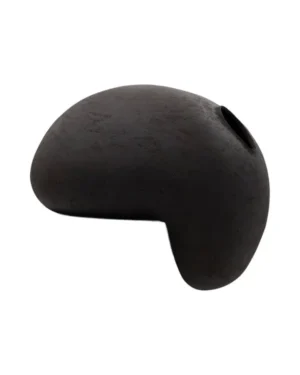
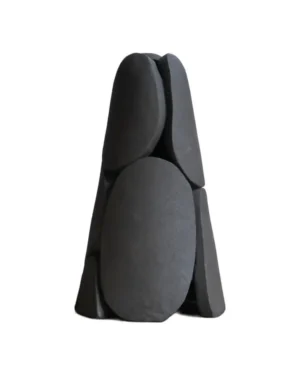
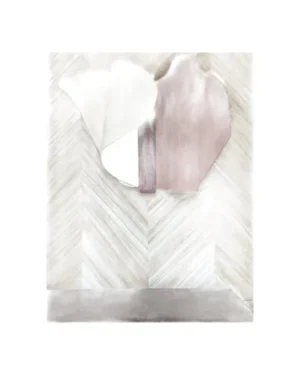
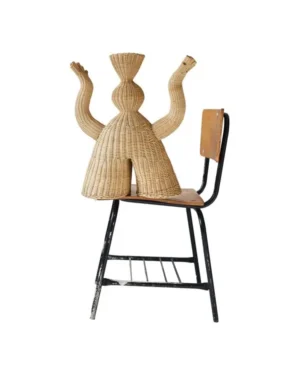
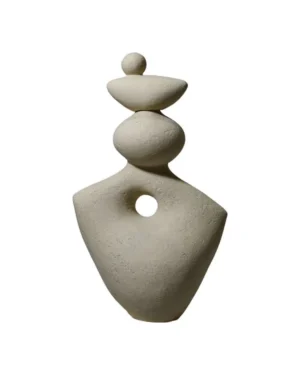
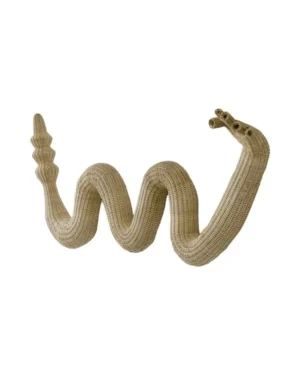
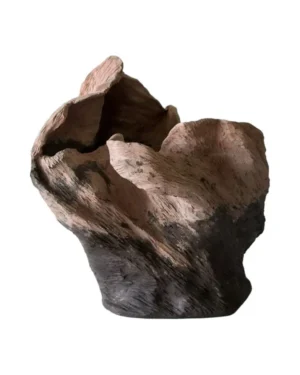
-
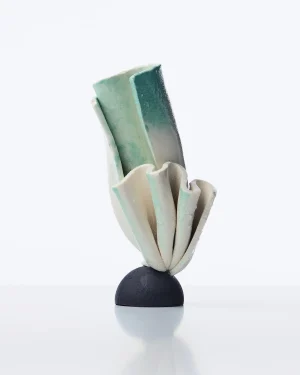
From Fragility To Stability – Sculpture_06
By C E R A M I C 4 7
€350 -

Sontsehryv – Clay Sculpture
By FAINA
€620 -
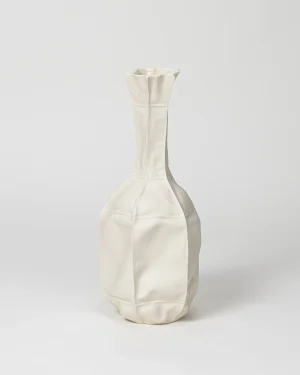
Organic White Ceramic Kawa Vase #12
By Luft Tanaka Studio
€1.075 -
 In stock
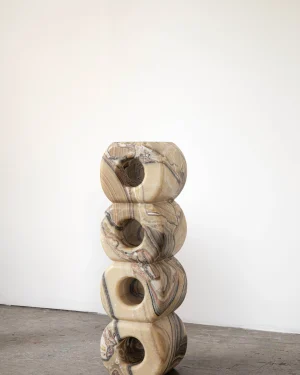
Roma Stone Totem
By Studio Ayres
€2.348 -
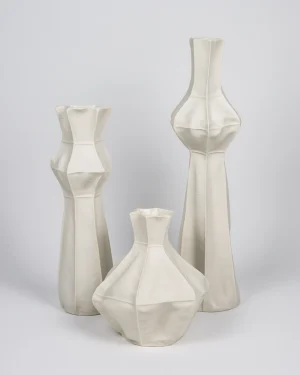
Set No. 1 Of 3 Kawa Vases – Organic Leather-cast Ceramics
By Luft Tanaka Studio
€2.550 -
 In stock
Glass Flowers Organic Sculpture
By PIA GLASSWORKS
€900 -
 In stock
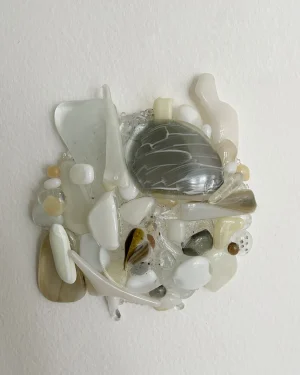
Encompassed – Fused Glass Wall Decor
By Meagan Cignoli Studio
€682 -
 In stock
Breathe No.02 – Ceramic Sculpture
By Not Yet Ceramics
€600 -
 In stock
Into The Void – Porcelain Sculpture
By Liquid Void Studio
€700 -
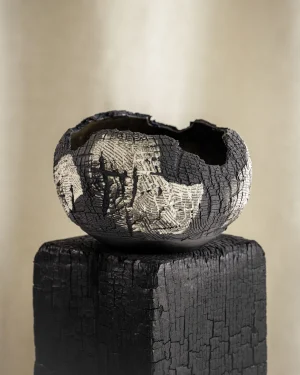
Distressed Onyx Form No.1
By Alex Roby Design
€520 -

Fos Deco 07
By Daniel Orozco Estudio
€2.238 -

Dovhovukh – Clay Sculpture
By FAINA
€620 -
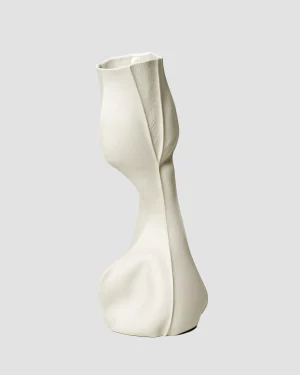
Organic White Ceramic Kawa Vase #20
By Luft Tanaka Studio
€1.050 -
 In stock
Breathe No.01 – Ceramic Sculpture
By Not Yet Ceramics
€620 -
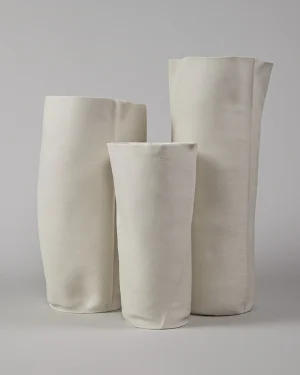
Set No. 2 Of 3 Kawa Vessels – Organic Leather-Cast Ceramics
By Luft Tanaka Studio
€1.940 -
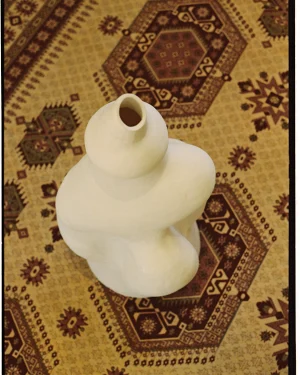 Sold
Raya – Handmade Porcelain Sculpture
By LYT Studio
€580 -
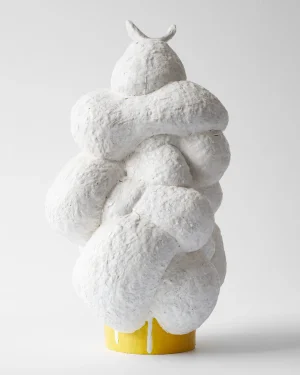 Sold
No Loose Ends – Ceramic Sculpture
By Not Yet Ceramics
€800 -
 In stock
Nomad Ⅰ:04 – Ceramic Vase
By SK - Sofia Karnukaeva
€1.900 -
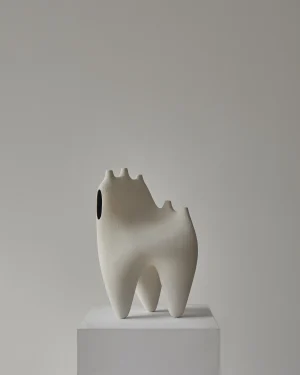
Nomad Ⅰ:03 – Ceramic Vase
By SK - Sofia Karnukaeva
€2.100 -
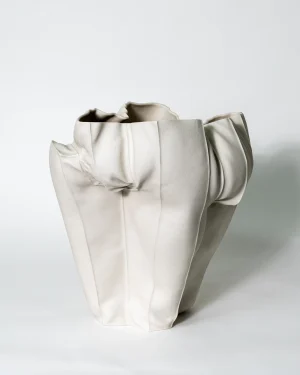
Kawa Organic Large Ceramic Vessel
By Luft Tanaka Studio
Price Upon Request
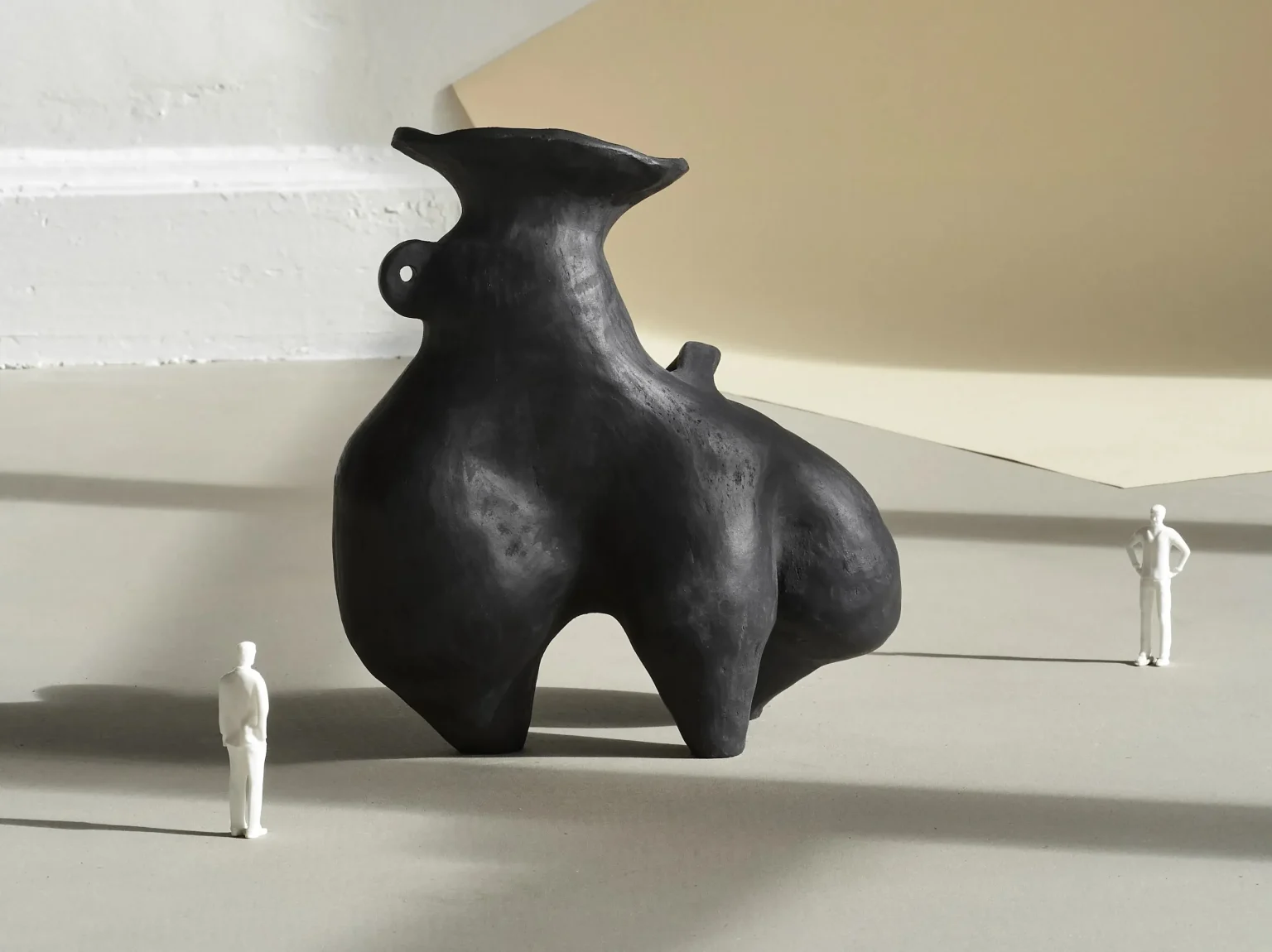
White sculptures gather objects where color is stripped back to its simplest register, so that form, surface and shadow do the work instead. Across the sculpture category, independent studios reach this effect through porcelain, stoneware, marble, stone, plaster and glass, each material holding white in a slightly different way. What unites them is restraint: no pattern, no applied color, just the object and the light that falls on it.
What defines a white sculpture
White in this context is rarely flat. A glazed porcelain vessel carries a cool, almost wet sheen, while a hand-built stoneware form, left matte, reads chalky and absorbs light rather than bouncing it. Carved marble or stone sits somewhere between the two, veined and slightly translucent at the edges, its white never quite uniform. Glass, blown or cast, behaves differently again, letting light pass through rather than stopping at the surface.
Because white has no pattern to hide behind, the eye reads the making directly. Seams, tool marks, the slight asymmetry of a hand-built coil or the ripple left by a mold all stay visible. This is part of why white sculptures tend to look sparer than their colored counterparts, even when the underlying form is identical.
Materials, techniques and editions in the range
Studios reach white sculptures through several routes. Clay bodies are hand-built or slip cast, then fired and glazed in white or left as raw stoneware; stone and marble are carved and ground to a soft finish; glass is blown or worked through lampworking into solid or hollow forms. Styles span from pared-back minimalist studies to rougher, wabi-sabi pieces that keep the irregularities of the process visible, with contemporary and brutalist readings sitting between them.
- Editions vary by maker: some white sculptures are produced as open editions, repeatable from the same mold or glaze recipe; others are limited editions, fired or cast in small, finite runs; a number are unique pieces, no two alike even when they come from the same hand.
Anyone looking specifically for one-off work can start with unique sculptures, while those drawn to a particular material can narrow further through ceramic sculptures or stoneware sculptures.
How to choose a white sculpture
Scale matters more with white sculptures than with colored ones, since there is no color to anchor the piece against a wall or shelf; proportion and silhouette have to do that work instead. A tall, narrow form reads as a vertical accent and suits a floor placement or a plinth, while a low, rounded one settles naturally onto a table or sideboard without competing with what sits near it.
Finish is worth checking before anything else. A glossy glaze will pick up reflections and small light sources, which suits rooms where you want movement on the surface, while a matte or raw stoneware finish stays quiet even under direct light and works where you want the object to recede slightly. Marble and stone pieces carry real weight, so confirm a surface can hold it before placing one on a shelf.
Where white sculptures sit in a room
Because they carry no color of their own, white sculptures tend to pick up the tone of whatever surrounds them, warming under wood and daylight, cooling against concrete or pale plaster. They read well in entryways and living rooms where a single object needs to hold its own, and just as well grouped in twos or threes on a long shelf or console. For a fuller sense of how white behaves across furniture and lighting, the wider range of white pieces on ADORNO shows the same material language applied to lamps, tables and seating.
Caring for white surfaces
Unglazed stoneware and plaster stain easily, so keep them away from oil, ink or anything that can mark a porous surface, and dust rather than wipe with a damp cloth. Marble and stone benefit from an occasional wipe with a dry or barely damp cloth, since standing water and acidic liquids can etch the surface over time. Glazed ceramic and glass are more forgiving and can be dusted or washed with mild soap, though sudden temperature changes should be avoided with cast glass in particular.
How do I choose a white sculpture?
Consider the material first: porcelain and glazed ceramic read crisp and smooth, stone and plaster read soft and matte. Then weigh scale and silhouette against the room, since white amplifies form rather than hiding it.
What are white sculptures made of and how do I care for them?
Most come in porcelain, stoneware, ceramic, marble, or glass, finished with a glaze or left matte. Dust with a dry or barely damp cloth, keep unglazed surfaces from oil and moisture, and avoid direct sun on painted finishes.
What size or height should a white sculpture be?
Small forms suit shelves and console tops, mid-size pieces hold their own on a sideboard or low table, and larger totems work as floor pieces that anchor a corner or entryway.
Which rooms suit white sculptures?
White sculptures sit well in living rooms, entryways, and studies, where neutral walls let the form and shadow read clearly. They also pair easily with other neutrals in bedrooms or minimal dining spaces.
Can I order a custom white sculpture through ADORNO?
Custom requests depend on the maker, so chat with the maker on the piece's page to confirm options, finishes, and timing before ordering.
How does shipping, returns, and authenticity work on ADORNO?
Shipping is insured and worldwide, with a 14-day return policy excluding made-to-order pieces. Every piece includes a certificate of authenticity, and ADORNO offers a lowest-price guarantee.