A table is the only surface in the house that gets rebuilt every day. Most of us rebuild it badly.
A table setting is the arrangement of everything a person needs to eat, and everything the host wants them to notice on the way there. Plates, glasses, cutlery, linen, light. The functional half is settled — a fork does one job and does it in one place. The other half is where a dining table stops being furniture and starts being a room in its own right. Notably, the difference between a table that feels considered and one that feels assembled has almost nothing to do with how much is on it.
What follows is a working guide rather than a mood board. It covers the principles that hold any setting together, arrangements for the occasions people actually host, the layout rules worth knowing, the materials that behave differently in daily use, and the mistakes that quietly undo the whole thing. Along the way, pieces from independent studios on ADORNO show how the ideas land in practice. Indeed, most of them are the work of a single maker rather than a factory, which changes how they read on a table.
What makes a great table setting
Six things do the work. Six things do the work:
- Balance: Distribute visual weight across the table rather than pooling it in the center, so the eye travels instead of stopping.
- Layers: A charger under a plate, a bowl inside it, linen beneath — depth reads as intention where a single flat plane reads as haste.
- Palette: Three colors hold. Five compete.
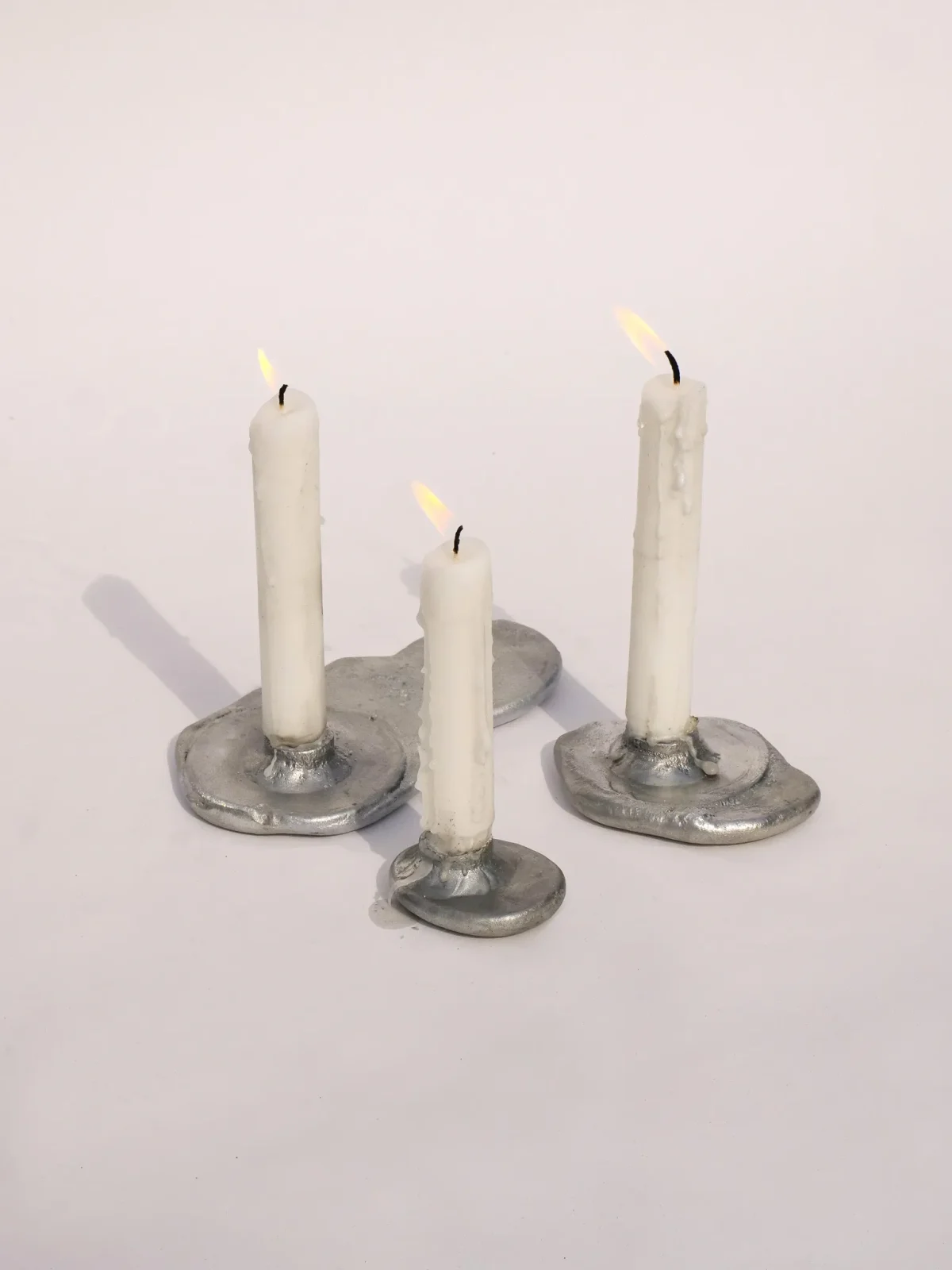
- Height: A table that sits entirely at plate level feels flat, so candleholders, a raised bowl or a tall vessel give the arrangement a vertical axis. Keep anything in the center below roughly 30 cm so it doesn’t block conversation.
- Texture: Matte stoneware against blown glass, raw linen against polished steel — contrasting textures add depth and interest.
- Material harmony: Ceramic, glass, wood and metal can sit together, provided the tones agree. Four materials in four unrelated colors read as a cupboard emptied onto a table.
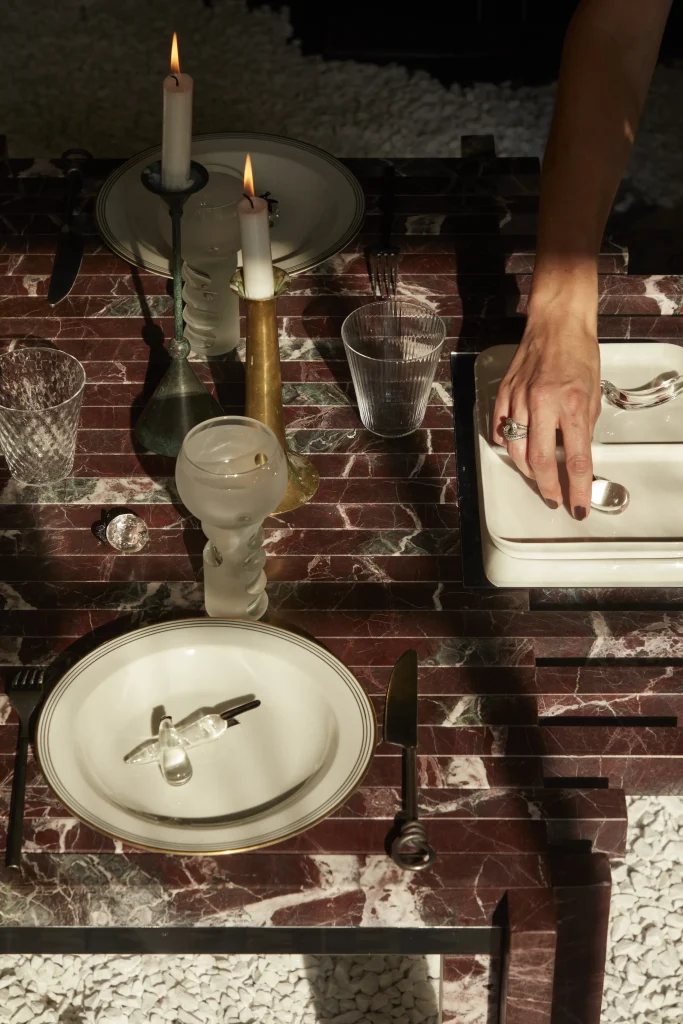
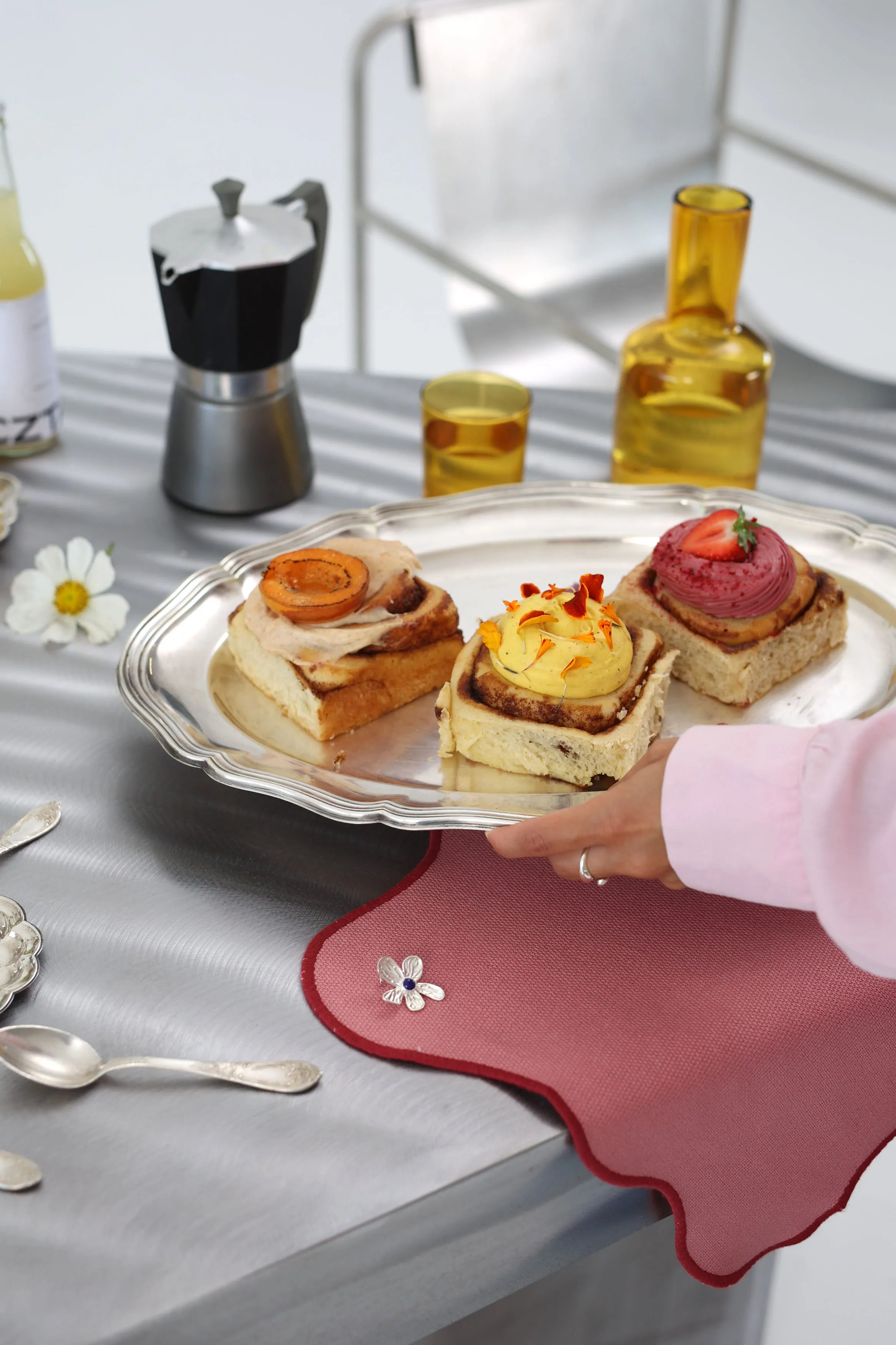
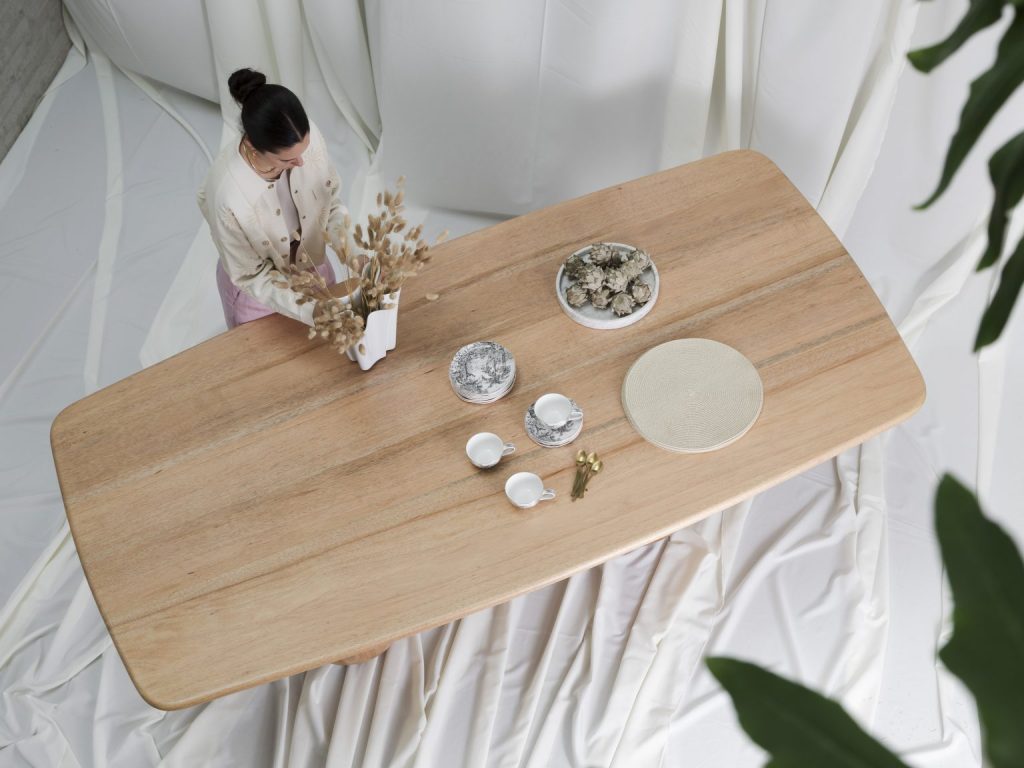
Table setting ideas by occasion
Occasion sets the register. The same pieces can read as relaxed or formal depending on how much is on the table and how tightly it is arranged, so the useful question is not what to buy but how much to put out.
Everyday
A daily setting should survive being laid in ninety seconds. One plate, one glass, knife and fork, a folded napkin. Consequently the pieces themselves have to carry the interest, because there is no styling to hide behind — which is the argument for a dinner service with some character in the glaze rather than a plain white one.
Casual dinner with friends
Serve from the middle. Platters and bowls in the center, plates stacked at one end, cutlery gathered in a jar rather than laid out. Specifically, the informality is the point: a table that looks slightly in motion invites people to reach across it. Mismatched plates work here in a way they never do at a formal setting, provided they share a tonal family.
Formal dinner
Formality is mostly a matter of spacing and restraint. Allow roughly 60 cm per guest, align the bases of every plate along an invisible line, and keep the center low. Furthermore, a formal setting reads best with one repeated gesture — the same glass at every place, the same napkin fold — because repetition is what signals care at this register. Full placement rules follow further down.
Brunch
Daylight is the material here. Brunch tables benefit from lighter tones and reflective surfaces — glass, pale porcelain, uncoated linen — because the light does work that candles do at night. Moreover the setting can stay deliberately incomplete: cups and small plates only, with everything else arriving as it is served.
Outdoor and al fresco
Outdoors, weight becomes a design criterion. Linen lifts, paper leaves, and tall stemware topples on uneven ground. Consequently the outdoor table favors stoneware over porcelain, tumblers over stems, and something heavy holding the center. In addition, shade shifts across a long lunch — so a setting that looked balanced at one o’clock can read washed out by three.
Romantic dinner for two
Two settings on a large table look marooned, so pull both to one end or one side. Light does the rest: two or three candleholders at slightly different heights, nothing above eye level. Meanwhile the palette can afford to go darker than it would for a group, because intimacy reads as depth rather than brightness.
Seasonal and holiday tables
Season is best handled through palette and one natural element rather than themed objects. Spring takes pale tones and a single stem per place. Summer runs to bare wood, glass and fruit as centerpiece. Autumn shifts toward matte surfaces, ochre and brown, and heavier linen. Winter allows the darkest palette of the year alongside the most candlelight. For a longer treatment of holiday moods — from dark and theatrical to pared back — our eight distinctive approaches to setting the table works through each as a complete scene.
Table setting styles
Style is a decision about how much the objects are allowed to speak. The six below cover most of what people are reaching for, and each is achievable with a handful of pieces rather than a full service.
Scandinavian
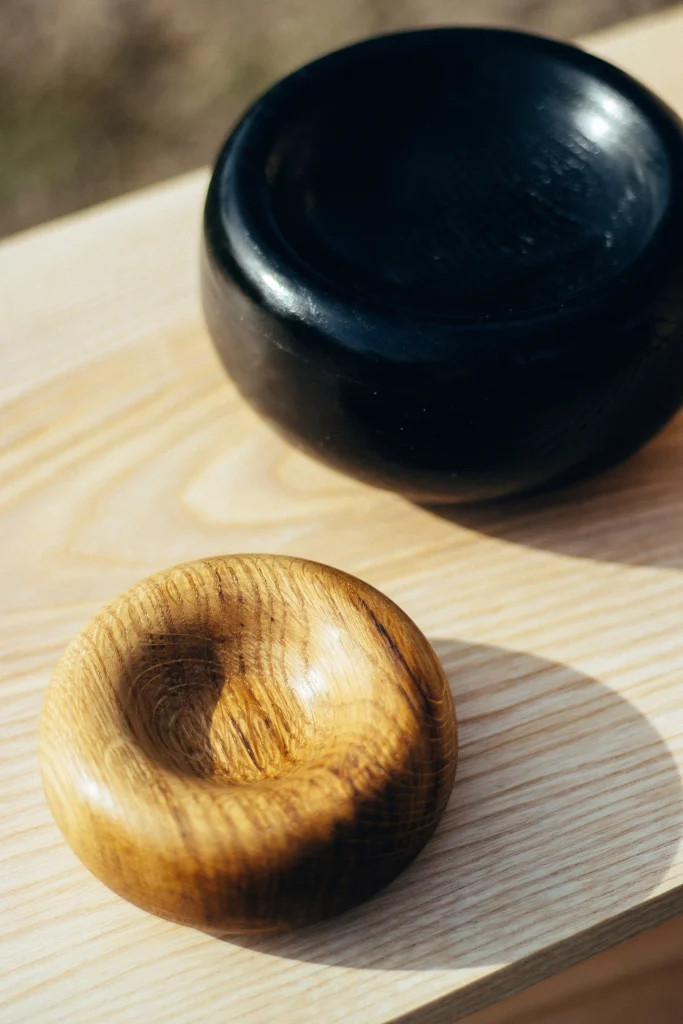
Pale wood, off-white ceramics, restrained palette, and a preference for form over decoration. Notably the Scandinavian table is not empty — it is edited, which is a different discipline. One sculptural object usually carries the whole surface.
Minimalist
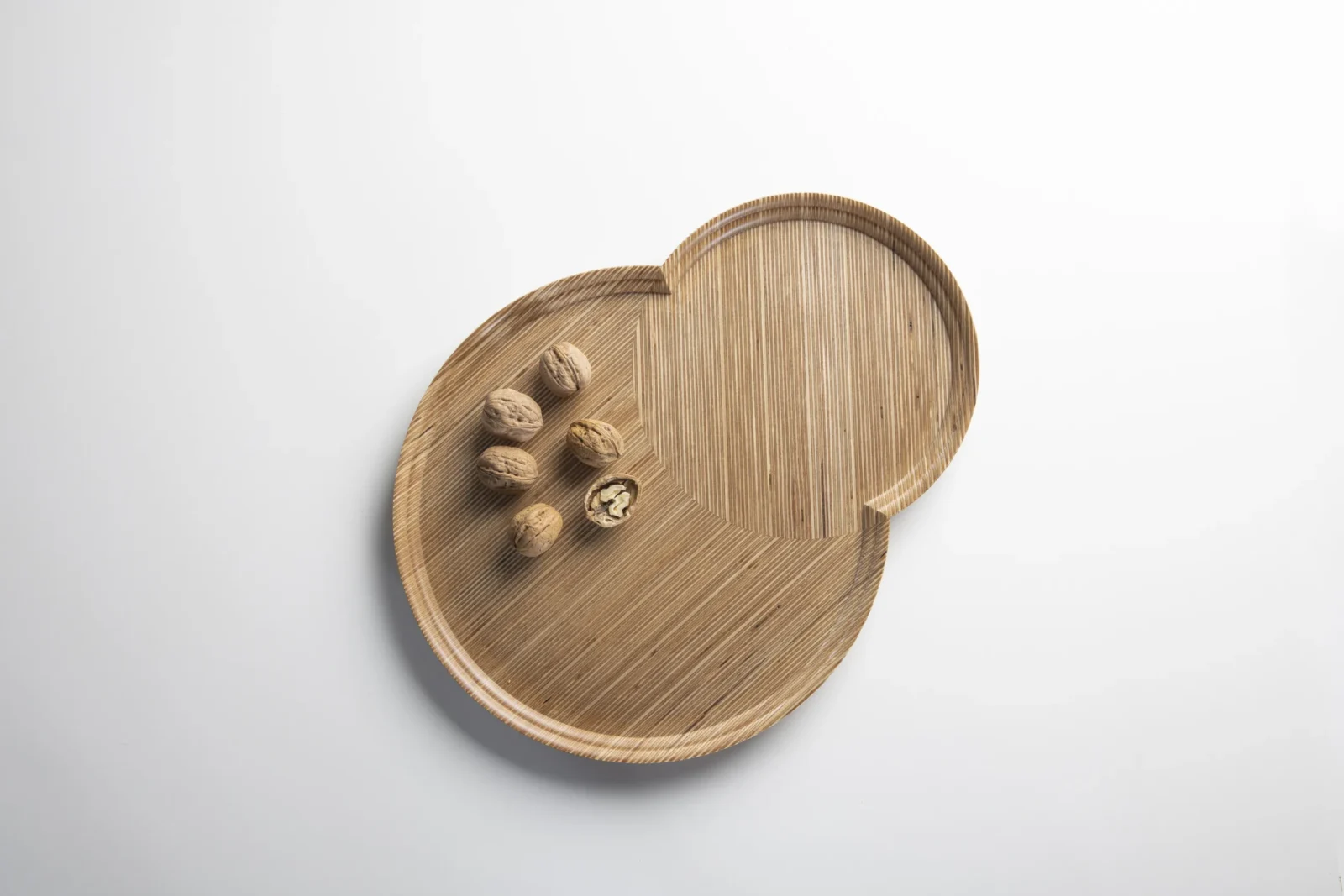
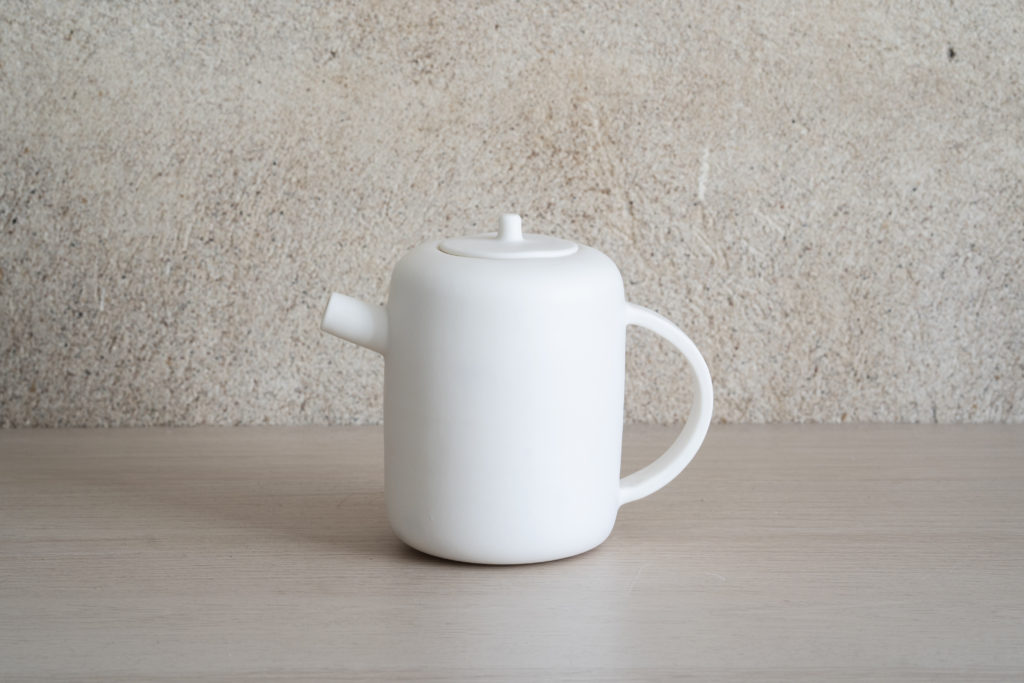
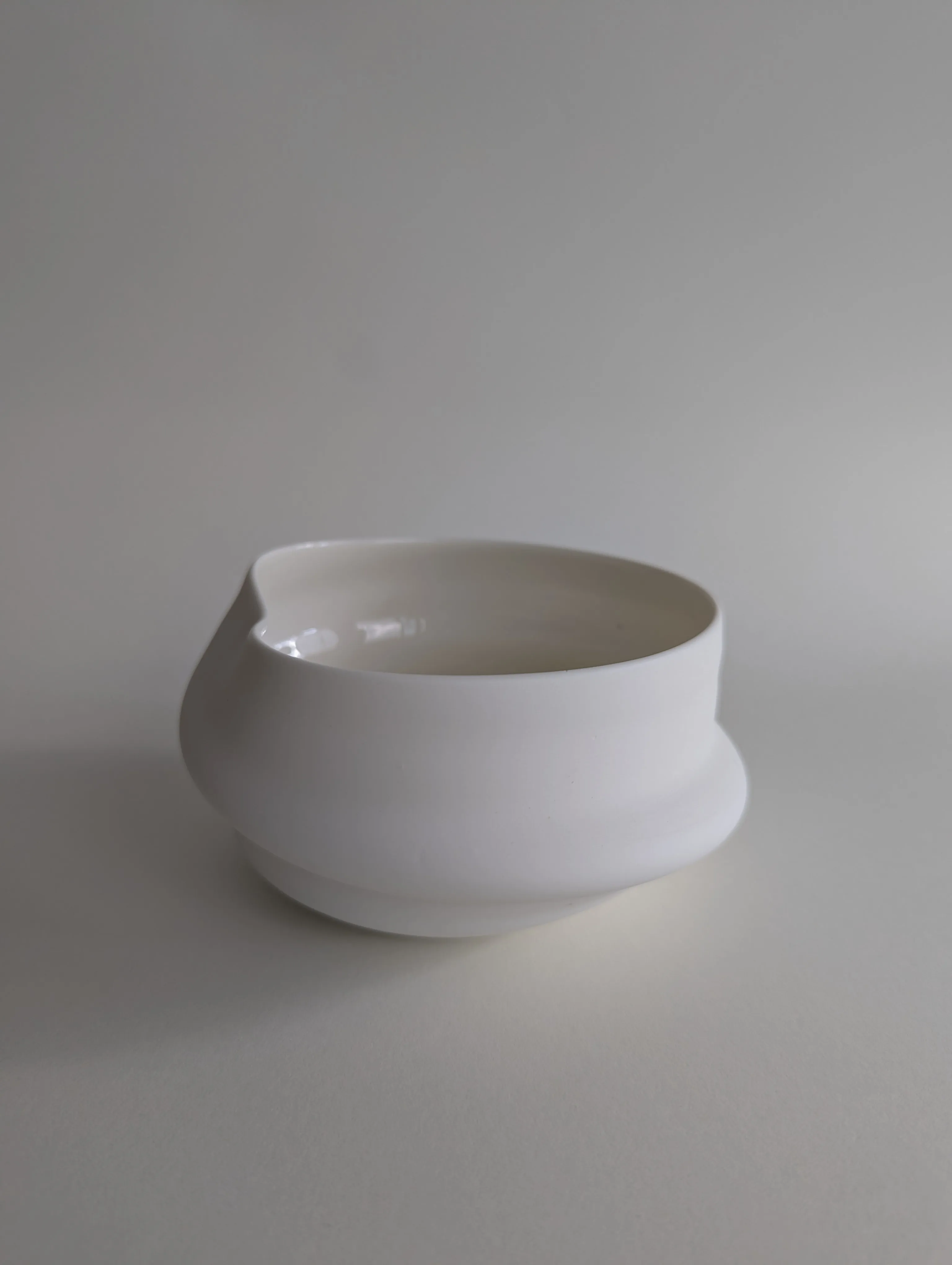
Fewer objects, tighter tolerances. A minimalist setting removes the charger, the second glass and the decorative center, then asks the remaining pieces to hold proportion on their own. As a result the failure mode is not clutter but blankness — one texture is usually needed to keep the table from reading as unset.
Rustic
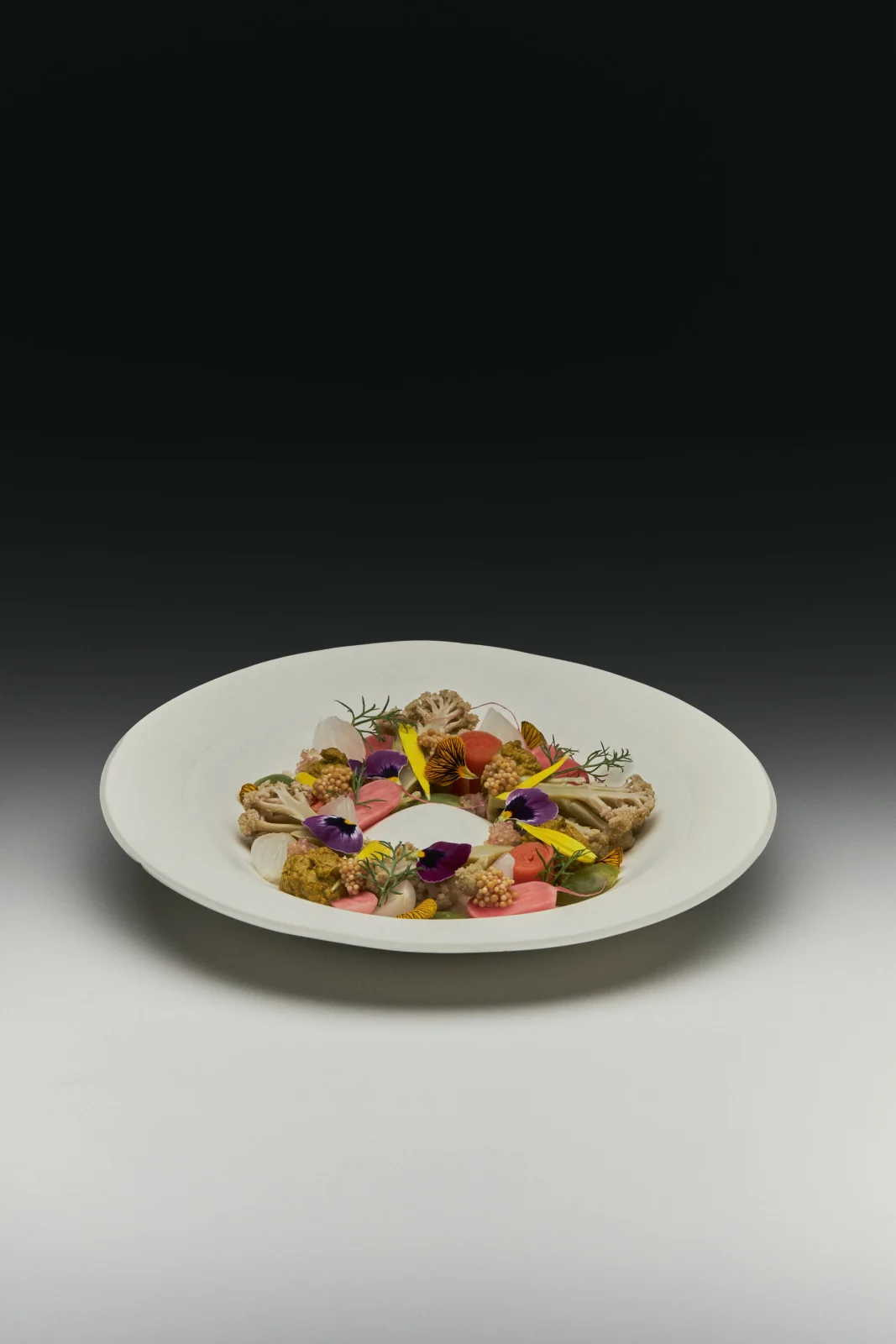
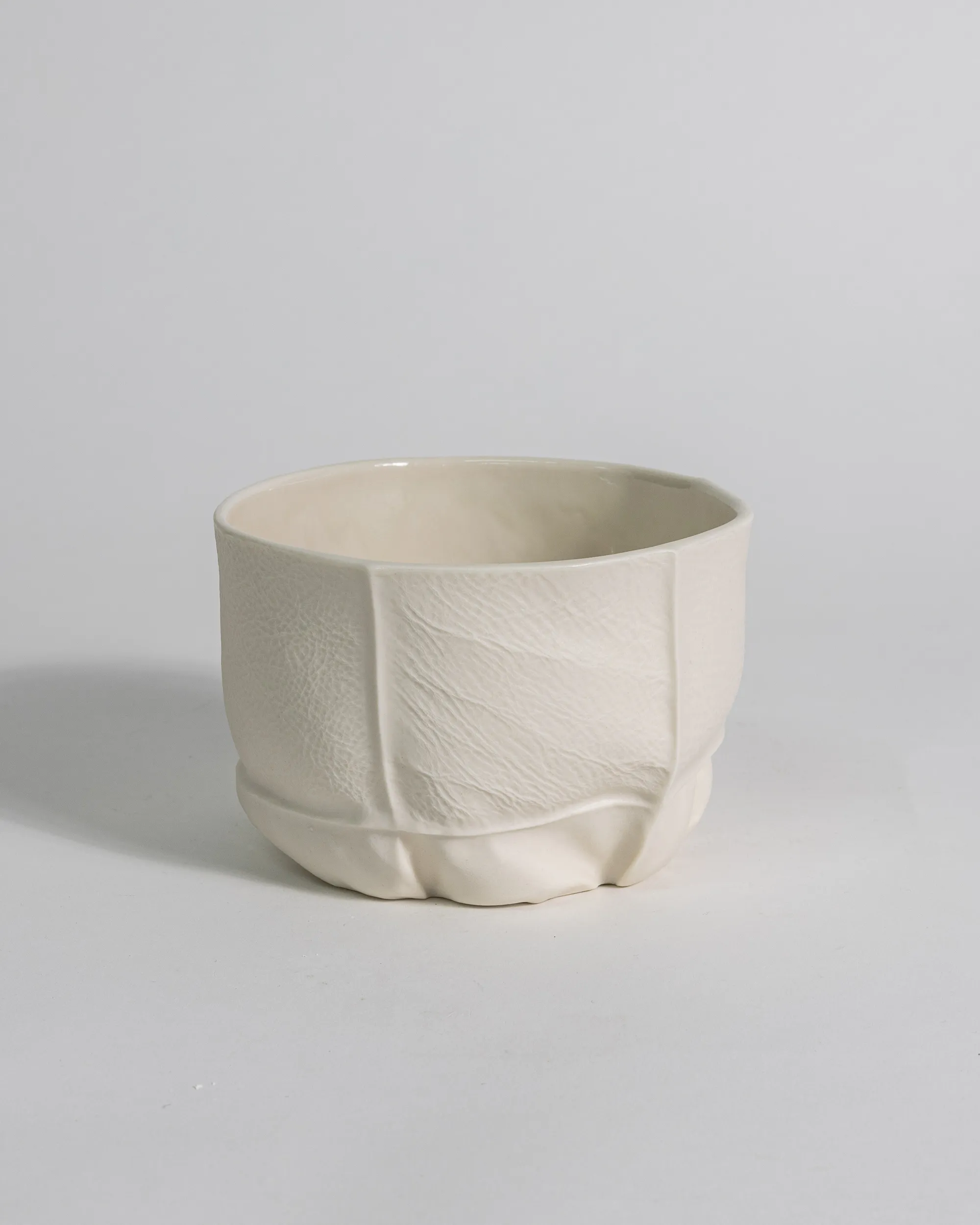
Visible making, warm tones, heavier weights. Thrown ceramics with thumbprints in the glaze, boards instead of platters, linen that creases. Meanwhile the rustic table tolerates mismatch better than any other style, which makes it the practical choice for a household that has accumulated rather than bought a service.


Coastal
Cool palette, matte surfaces, plenty of unfilled space. Sand tones and chalky whites against clear glass, with texture doing the work colour usually does. On the other hand it turns generic quickly if the references become literal — shells and rope read as theme rather than style.
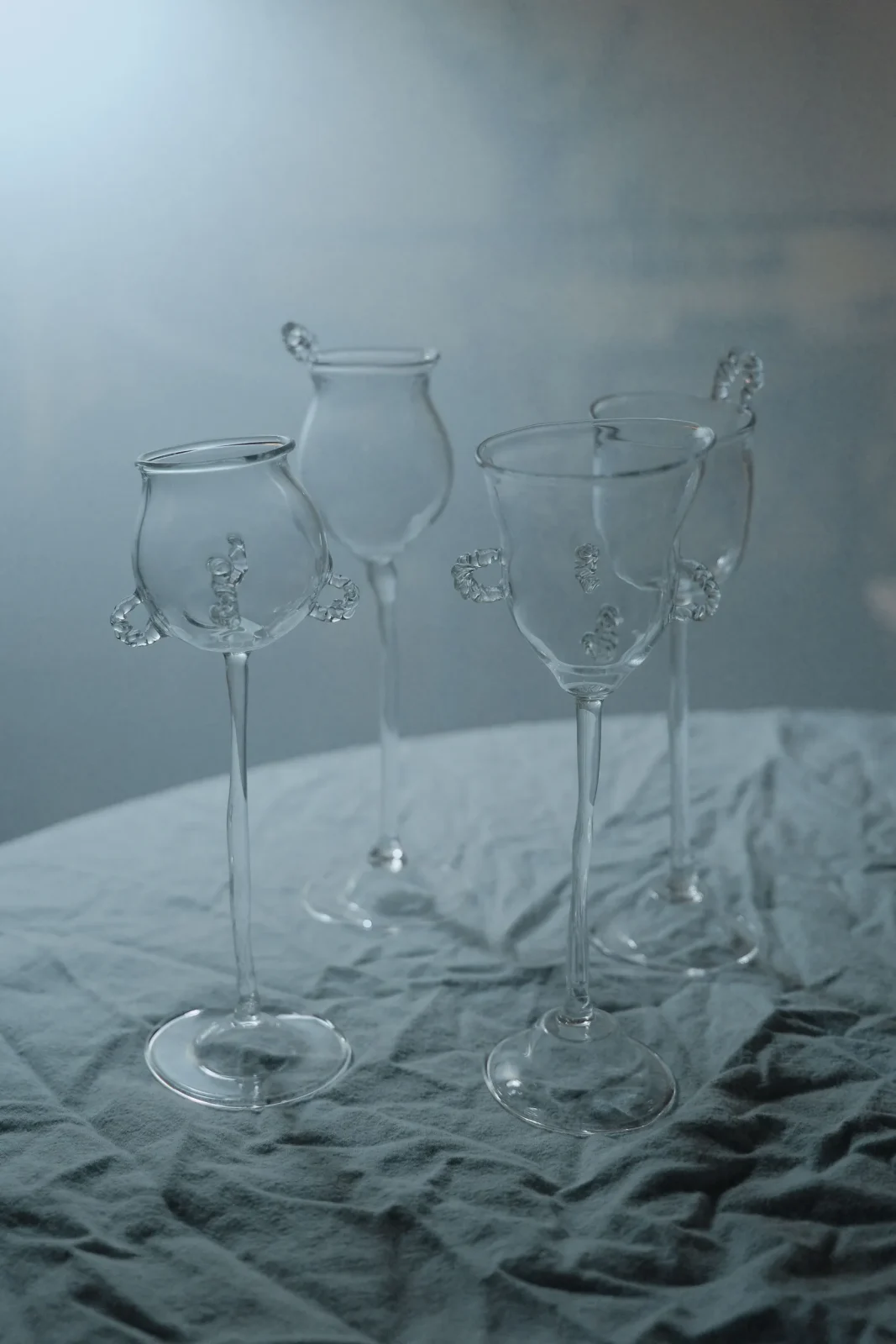
Eclectic and maximalist
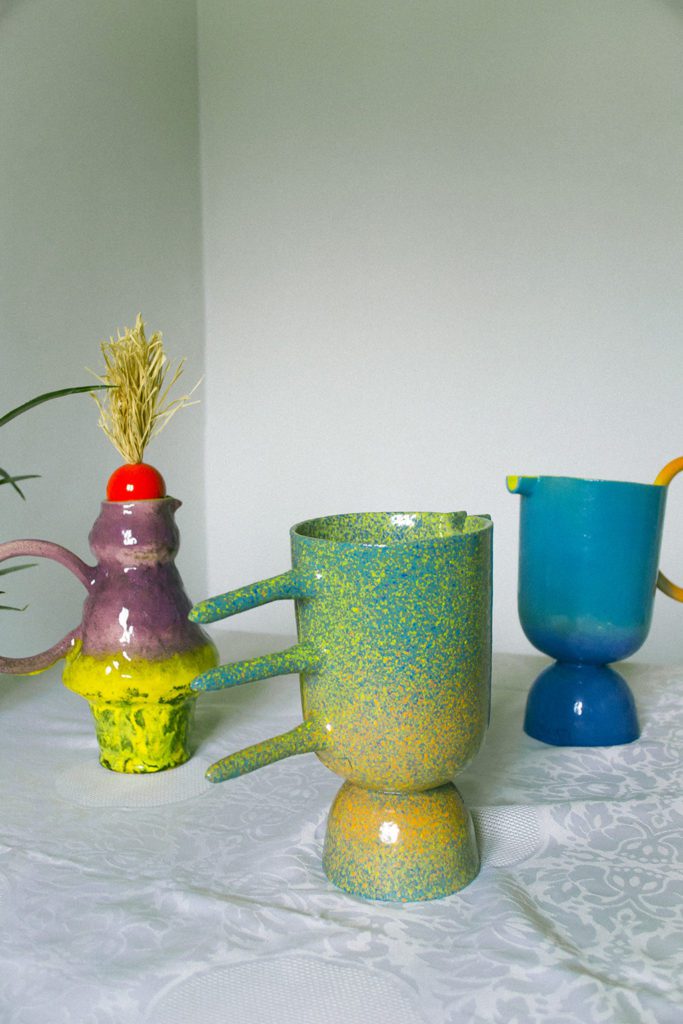
An eclectic table works on rhythm rather than restraint. Objects from different decades and disciplines sit together, held by a repeated colour or a repeated finish. Specifically, one strong recurring note is what separates deliberate collision from accident.

Sculptural and collectible
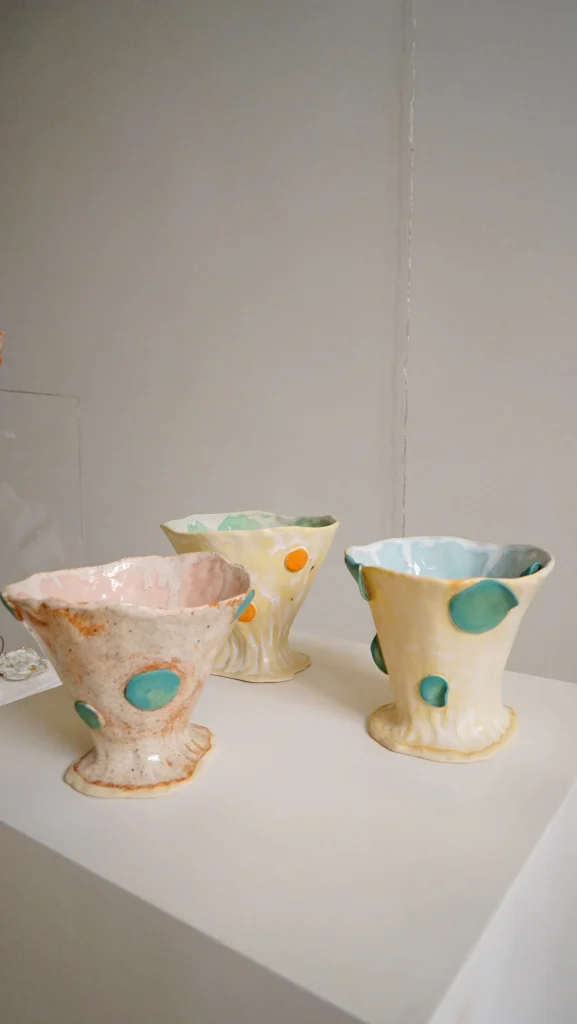
Here one object is treated as the reason for the table rather than a component of it. The setting recedes deliberately — neutral plates, plain glass — so a single vessel can hold attention. Furthermore this is the style that rewards buying one considered piece over a full coordinated service.
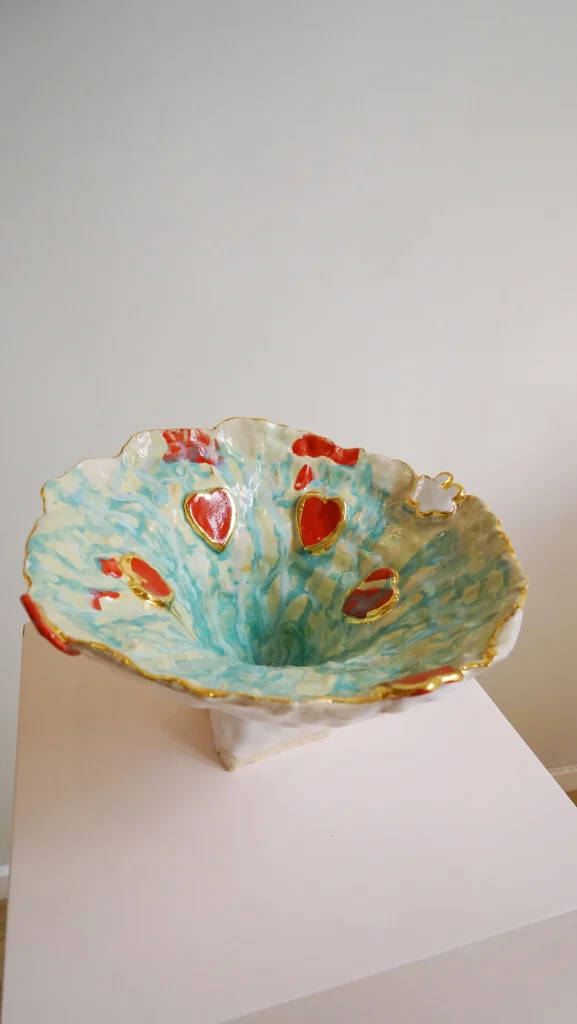
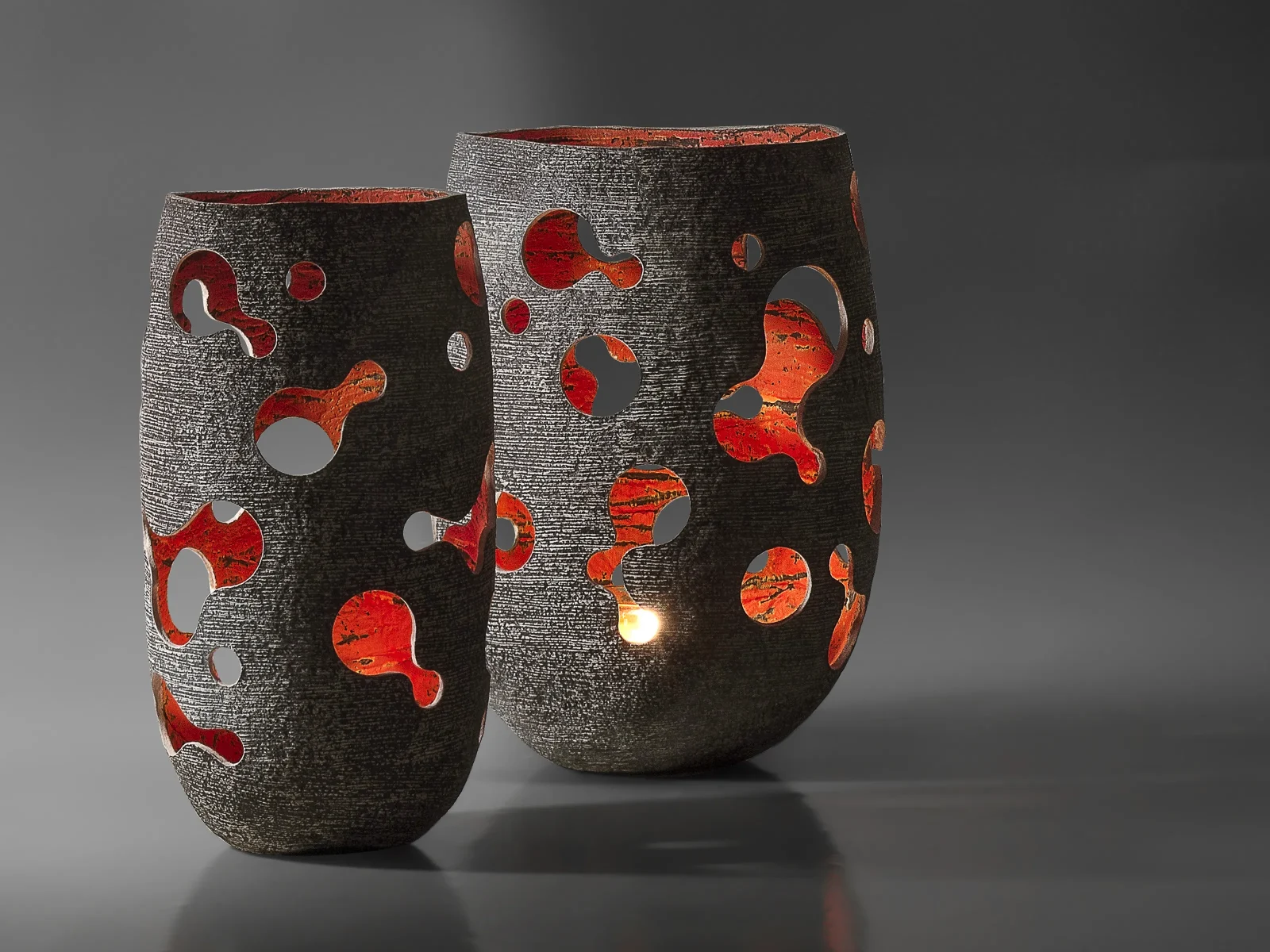
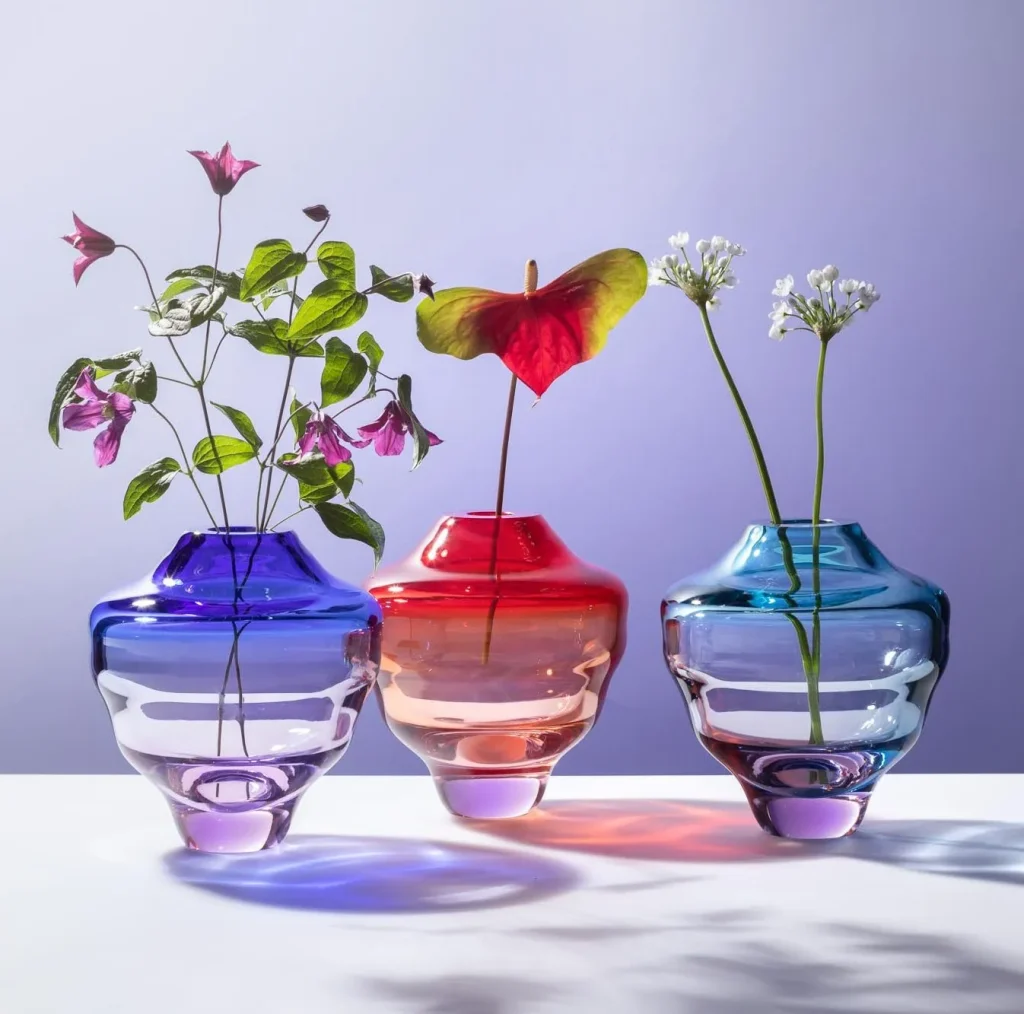
Table setting layout
The placement rules are worth knowing precisely because they are so easy to satisfy. Everything below assumes a right-handed convention, read outward from the plate.
Plate placement
The dinner plate centers on each setting, roughly 2 cm in from the table edge. A charger sits beneath it; a side plate goes above and to the left, clear of the cutlery. Bowls stack on the plate rather than beside it.
Cutlery placement
Forks to the left, knives and spoons to the right, knife blades facing inward toward the plate. Order runs outside-in by course, so the first course uses the outermost pieces. Dessert cutlery lies horizontally above the plate. Consequently a guest never has to choose — the sequence tells them.
Glass placement
Glasses sit above the knives, to the upper right. The water glass goes nearest the plate, with wine glasses to its right in the order they will be poured. Specifically, keep the group tight — glasses drifting toward the center is the most common way a setting loses its shape.
Napkin placement
Three positions work: on the plate, to the left of the forks, or under them. All three are correct. Under the forks is the most practical for a crowded table, on the plate the most formal.
Materials and construction
Material decides how a piece behaves after the photograph — how it survives a dishwasher, how it sounds against a table, how it ages. The distinctions below matter more in daily use than any styling choice.
Porcelain and stoneware plates
Porcelain is fired hotter, so it is denser, thinner and whiter, and it rings when tapped. Stoneware is heavier, more opaque and more forgiving — it chips less readily and holds heat longer. Therefore porcelain suits a formal table and stoneware suits a daily one, though a speckled stoneware glaze will carry more visual interest than either at close range. Browse plates across both.
Hand-blown and borosilicate glassware
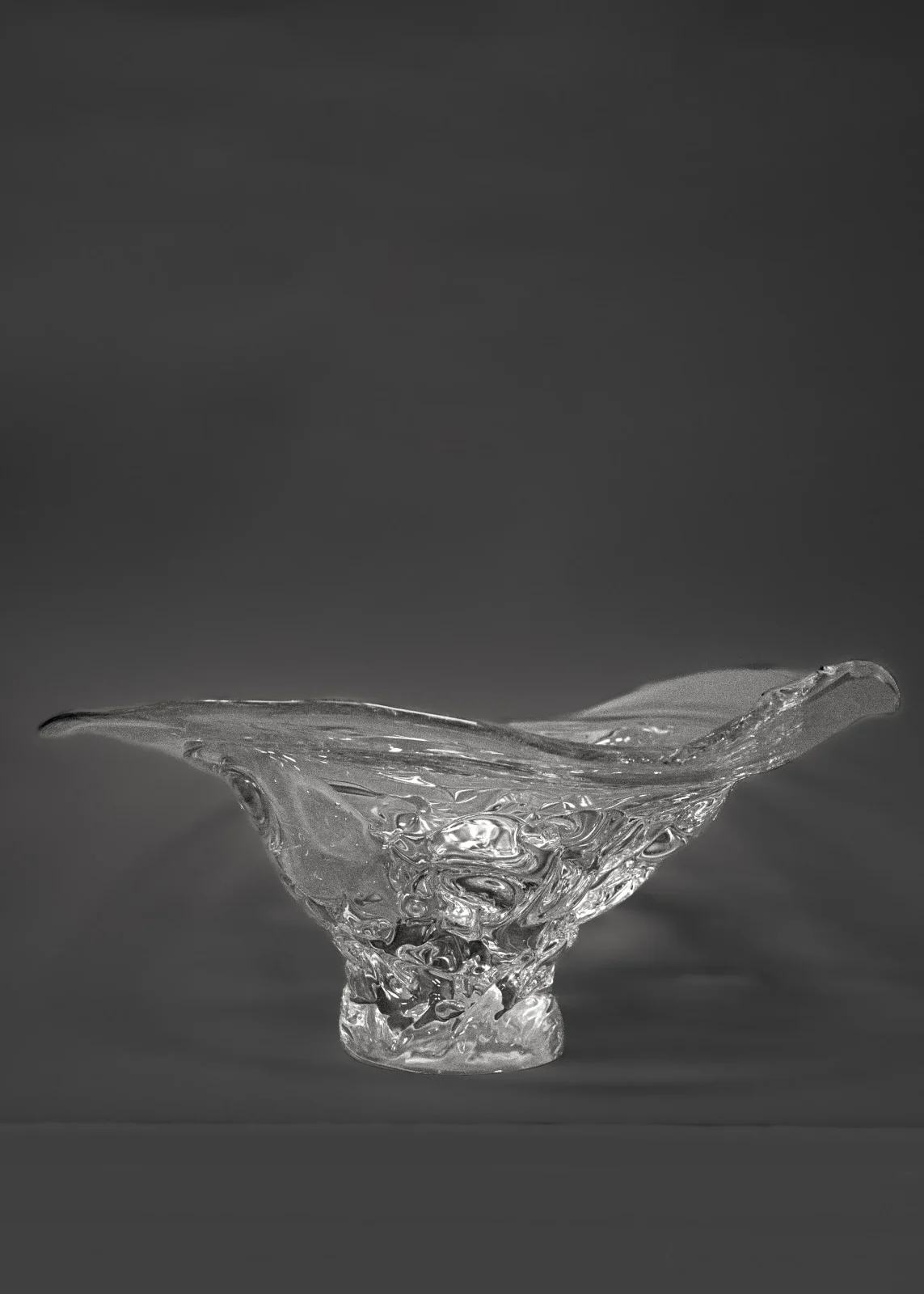
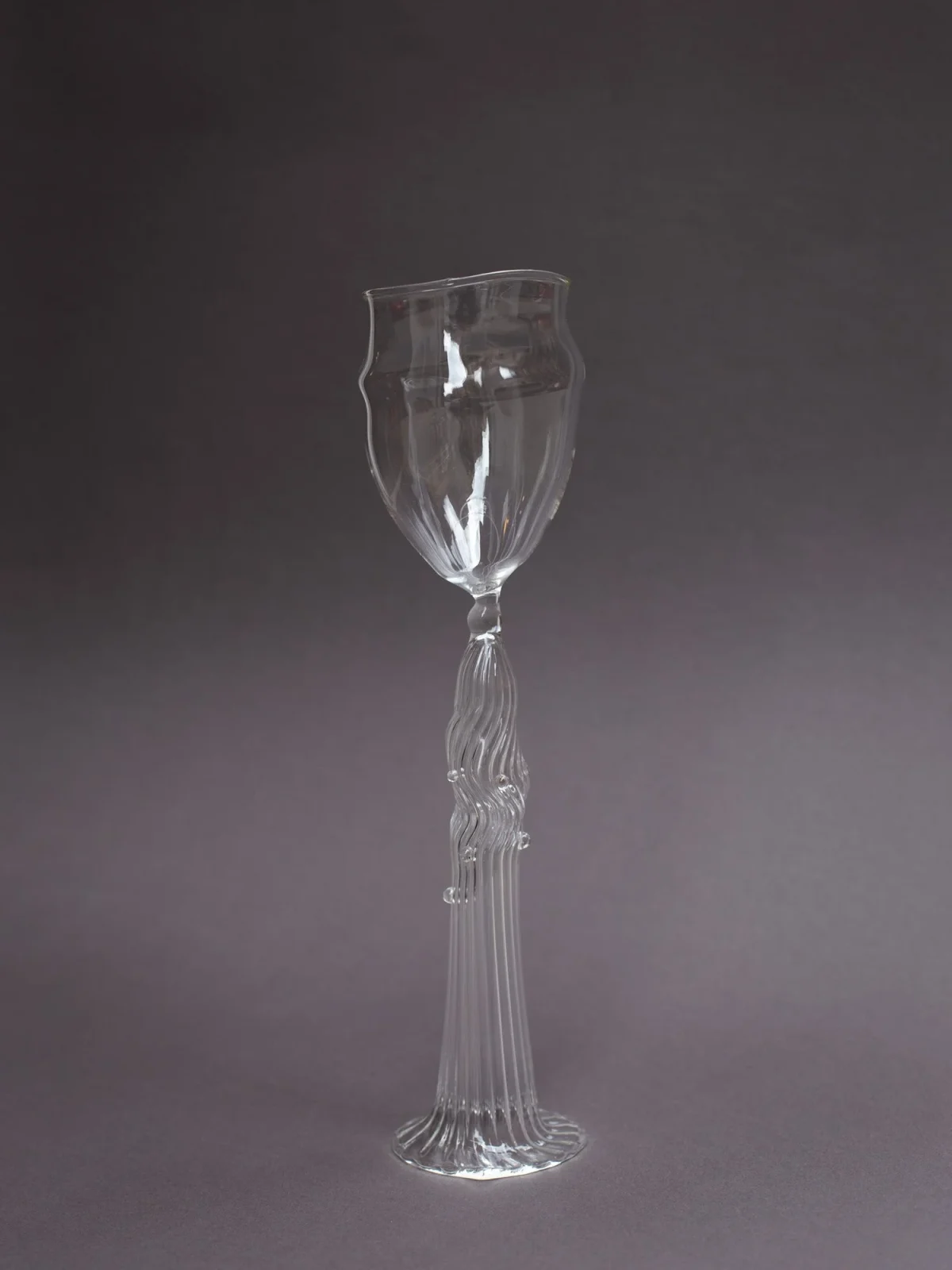
Hand-blown glass carries asymmetry, bubbles and variation in wall thickness — evidence of the breath that shaped it. Borosilicate, by contrast, tolerates thermal shock and thin walls, which is why it holds hot liquid without cracking. Notably neither belongs in a dishwasher if the piece is hand-made. Our account of glassblowing as a craft goes further into how the material behaves.
Stone, concrete and cast metal serveware
Weight is the point. A cast metal or stone vessel holds its position on a table where a light one drifts, and it takes temperature from the room in a way that reads as substantial in the hand. Meanwhile porous stone needs sealing before it meets oil or wine.
Wood trays and boards
Wood warms a table faster than any other material and absorbs sound that ceramic amplifies. Layered constructions hold shape better than solid boards across seasons, though neither should sit in standing water. Oil rather than varnish keeps the surface serviceable.
Linen and textiles
Textiles are the cheapest way to change a table completely. Linen creases and should — the crease is what stops a setting looking staged. Furthermore a runner does most of the work of a full cloth while leaving the table surface visible, which matters if the table itself is worth seeing.
Cutlery and serving pieces
Weight and balance in the hand outrank appearance on the table. Stainless steel is the practical default; brass and bronze develop a patina that needs accepting rather than polishing away. Meanwhile serving pieces are where a table can afford one sculptural gesture, since they sit in the center and get handled by everyone. Browse cutlery and serving pieces.
Common table setting mistakes
Five errors account for most tables that feel wrong without an obvious reason.
Too many colors
Beyond three, colors stop relating and start competing. The fix is subtraction rather than rearrangement — remove the fourth tone and the other three resolve immediately.
Wrong plate sizes
A dinner plate under about 26 cm makes a served portion look stranded; over roughly 32 cm it crowds the setting and leaves no room for glasses. Side plates should read as clearly smaller, not marginally so.
Overcrowding
Every guest needs roughly 60 cm of width. Below that, elbows meet and the setting has to shed a glass or a side plate. Consequently a smaller table means fewer objects per person, not smaller objects.
Centerpieces that are too tall
Anything that interrupts sightlines across the table defeats its own purpose. Keep the center under about 30 cm, or go deliberately tall and narrow enough to see past — a single stem in a slim vase works where a wide arrangement does not.
Mixing styles without a common thread
Mixing is not the problem; unanchored mixing is. One repeated element — a colour, a finish, a material — is enough to make deliberate variety read as a decision. Without it, the table looks like whatever was available.
Caring for tableware
Hand-made tableware fails in predictable ways, and nearly all of them are avoidable.
Dishwasher and microwave safety
Industrially fired stoneware and porcelain generally handle a dishwasher; hand-blown glass, gold or lustre detailing, and anything with a metal component do not. Metallic decoration will burn in a microwave, and thick hand-made walls heat unevenly. Therefore when a studio recommends hand washing, that instruction is about the glaze surviving rather than caution for its own sake.
Preventing chips and crazing
Chips start at the foot ring and the rim, so avoid stacking wet and never nest a heavier piece inside a lighter one. Crazing — the fine web of lines in a glaze — comes from thermal shock. Consequently a plate moved from refrigerator to oven, or rinsed hot straight after a cold table, is the usual cause.
Removing stains and metal marks
Grey pencil-like streaks on a plate are cutlery deposits, not damage, and lift with a paste of bicarbonate of soda. Tea and wine staining in a crazed glaze responds to a long soak in warm water with bicarbonate. Meanwhile abrasive pads will scour a matte glaze permanently, so they are the one thing to keep away.
Stacking and storage
Felt or paper between stacked plates prevents the scuffing that dulls a glaze over years. Store bowls in shallow stacks and glasses upright rather than rim-down, since the rim is the thinnest and most vulnerable part of any blown vessel.
Food-safe glazes
Food safety depends on the glaze being fully vitrified and lead-free, which studio ceramicists working to European standards will state directly. Notably an unglazed or raku-fired surface is often decorative rather than functional — worth confirming before it holds anything acidic.
Frequently asked questions
What is the difference between a tablescape and a table setting?
A table setting is the functional arrangement for one person — plate, cutlery, glass, napkin. A tablescape is the whole surface treated compositionally, including centerpieces, linen, candles and objects that serve no practical purpose. In other words, every tablescape contains settings, but a setting is not a tablescape.
How do you style a table setting?
Work from the bottom up. Linen first, then plates, then cutlery and glass in their fixed positions, then the center last so it can be scaled to whatever space remains. Finally check the table from a seated position rather than standing over it — the sightline that matters is the one guests will have.
How many plates should be on a table setting?
One for everyday. Two for a dinner party — dinner plate with a side plate above left. Three at most for a formal setting, adding a charger beneath. Beyond three the setting stops reading as generous and starts reading as crowded.
What goes in the center of a table?
Something low and something with height, and rarely more than that. A wide bowl or tray holds the middle while candles or a slim vessel supply the vertical. On a long table, repeat one object at intervals instead of building a single large arrangement.
How do you make a table setting look elegant?
Alignment and restraint, not addition. Plates squared to the table edge, cutlery evenly spaced, glasses grouped tightly, one repeated gesture across every place. As a result the table reads as considered — and removing an object usually achieves more than adding one.
Can you mix different tableware?
Yes, and a mixed table is usually more interesting than a matched one. The condition is a common thread — a shared tone, a shared finish, or a shared weight of material. Specifically, mixing colors and forms works when scale stays consistent; mixing scale as well is what tips it into disorder.
The Case for Considered Tableware
A table setting is the most repeated act of composition in a home. It gets built and dismantled daily, which means the objects involved are handled more than almost anything else owned — and that handling is precisely why they are worth choosing carefully. A plate thrown by hand registers differently under a fork than a pressed one. A blown glass catches light in a way machine glass cannot. Consequently the case for collecting tableware from independent studios is not decorative but tactile.
None of it requires a full service or a fixed scheme. One considered piece among plain ones will do more for a table than a coordinated set, because contrast is what the eye reads. Start with the object that gets used daily, add height, and stop before the surface fills.