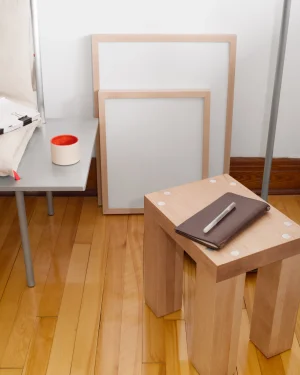
Wooden Stool for Seating, Style, and Everyday Use
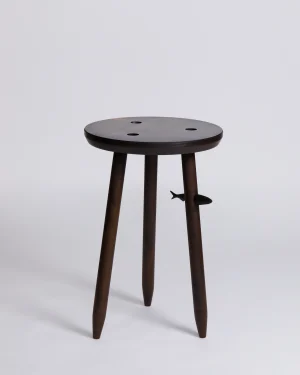
A wooden stool brings warmth, texture, and clarity into the home. It works as seating, side table, display surface, or step, often in one compact form. Designers treat the wooden stool as both a practical tool and a sculptural object.
From minimal blocks to hand carved pieces, each wooden stool highlights grain, joinery, and proportion. For wider context on this material, see wood and editorials such as wood furniture, wooden seats, and sculptural wooden stools.
What Is a Wooden Stool
A wooden stool is a compact seat built from solid wood or wood-based elements. It usually features a small footprint, a simple structure, and a focus on function. Many wooden stools shift easily between seating, side table, and display uses.
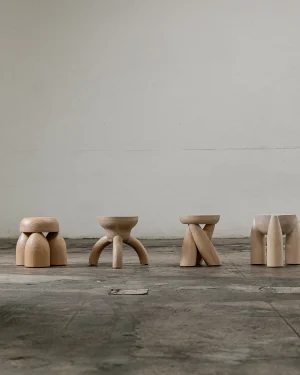
Some follow strict geometry, others lean toward organic carving. This range reflects broader themes in woodworking and collectible design, where the line between furniture and sculpture often feels thin.
Types of Wooden Stools
Wooden Bar Stool and Counter Stool
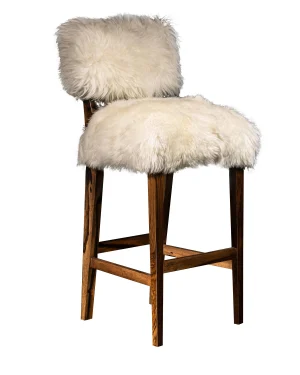
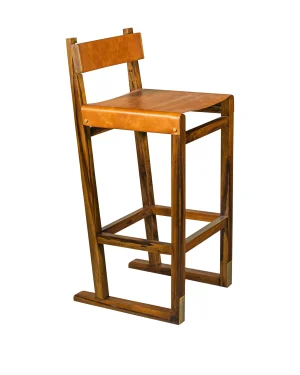
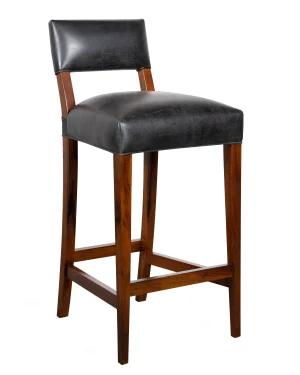
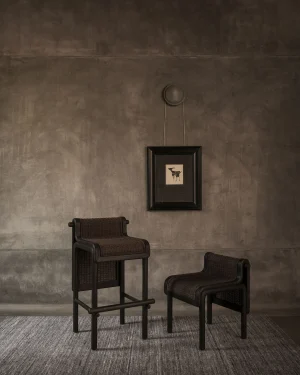
A wooden bar stool suits kitchen islands, home bars, and high counters. Height, footrest position, and seat shape shape comfort. Browse bar stools for variations in backrests, profiles, and finishes, and pair them with ideas from the home bar inspiration page.
Wooden Kitchen Stool
A wooden kitchen stool supports quick meals, prep, or extra guests. It often tucks under a counter or small dining table. For layout ideas, see kitchen inspiration and dining guidance in modern dining tables.
Wooden Step Stool and Footstool
A sturdy wooden step stool helps reach high shelves and upper cabinets. A lower footstool supports resting feet or works as a small side perch. Many designs appear alongside storage concepts in designer storage.
Small Wooden Stool for Extra Seating
A small wooden stool offers flexible seating in tight rooms. It moves between the living room, bedroom, or reading room as needed. For more multi use pieces, see versatile stools.
Materials and Finishes for Wooden Stools
Solid Wood Stool
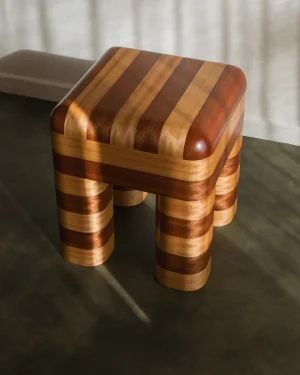
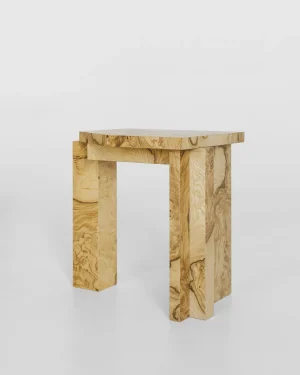
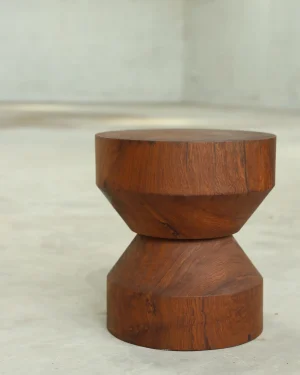
A solid wood stool highlights grain, weight, and joinery. Oak, walnut, ash, and tropical hardwoods each bring their own character. For material and style direction, explore wood, wood decor, and wooden tables.
Mixed Material Wooden Stool
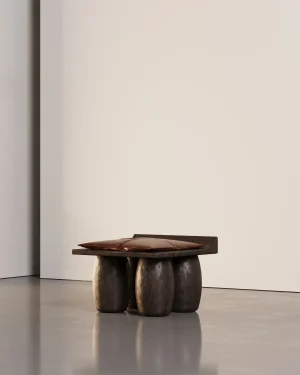
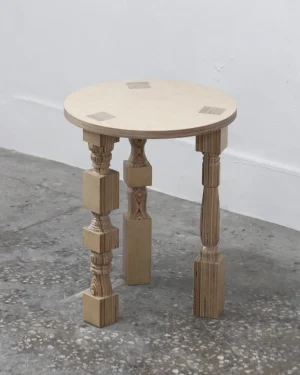
Some wooden stools feature metal frames, textile seats, or stone details. This mix introduces contrast and supports specific interior styles. Related combinations appear in metal seating and plywood designs.
Carved and Sculptural Finishes
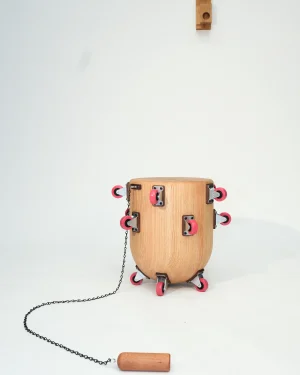
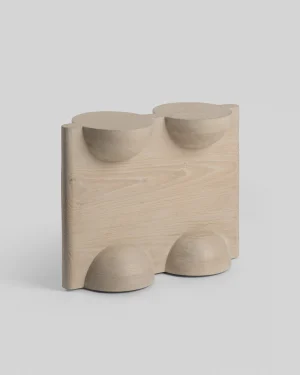
Carved legs, faceted surfaces, and sculpted seats give a wooden stool more presence. These design choices echo the approach in wooden sculptures and other sculptural furniture pieces on ADORNO.
Wooden Stool for Every Room
Wooden Stool for Kitchen and Dining Room
Wooden stools in the kitchen or dining room support casual seating and overflow guests. Pair bar stools with high counters and low stools with small dining tables. For table pairing, see dining tables and dining table guidance.
Wooden Stool for Living Room and Reading Corner
In the living room, a wooden stool often acts as side table, spare seat, or display surface. Near a lounge chair in a reading room, it holds books, cups, or lamps. For lounge pairings, see modern lounge chairs.
Wooden Stool for Entryway and Hallway
A wooden stool in the entryway offers a place to sit while tying shoes, or a perch for bags and baskets. It works with hooks, mirrors, and slim storage. For planning, use the entryway design guide and hallway furniture feature.
Wooden Stool for Bathroom and Bedroom
In the bathroom, a compact wooden stool holds towels, products, or a tray near the tub. In the bedroom, it sits at the foot of the bed or beside a chair. For broader bedroom layout ideas, see the bedroom design editorial.
Wooden Stool for Outdoor and Garden
Weather treated wooden stools suit covered terraces and patios. They support informal seating or act as small outdoor side tables. For mood and pairing, explore garden and outdoor furniture editorials.
Wooden Stool by Interior Style
Scandinavian Wooden Stool
A Scandinavian wooden stool uses light wood, clean lines, and soft curves. It suits calm, bright rooms. For reference, see Scandinavian modern inspiration and Scandinavian design editorial.
Rustic Wooden Stool
A rustic wooden stool often highlights knots, cracks, and visible grain. It pairs well with stone, wool, and textured textiles. Explore rustic inspiration and the rustic design editorial for more context.
Minimalist Wooden Stool
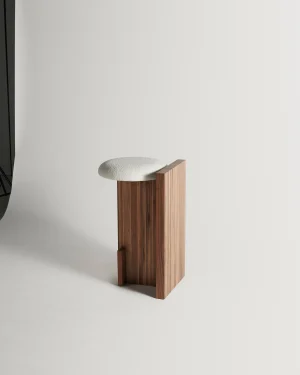
A minimalist wooden stool focuses on simple forms and clear structure. Flat planes, smooth edges, and quiet finishes support this approach. For guidance, visit minimalist inspiration and minimalist design.
Boho Wooden Stool
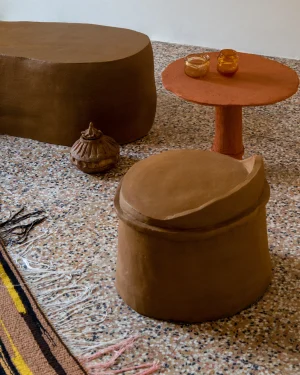
A boho wooden stool often includes carving, organic lines, or mixed materials. It fits layered interiors with rich textiles and decor. See boho chic inspiration and boho editorials for direction.
Neo Industrial Wooden Stool
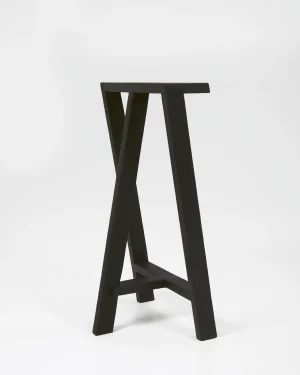
A neo industrial wooden stool mixes solid wood with metal frames or details. It suits lofts, studios, and urban apartments. For style reference, explore neo industrial inspiration and the neo industrial design editorial.
How to Choose a Wooden Stool
Height and Proportion
Match stool height to its use. Bar stools need more height for counters, low stools work beside coffee tables or in reading corners. Proportion relative to nearby furniture keeps the room balanced.
Seat Shape and Comfort
Flat seats suit short sits and multi use roles. Contoured or upholstered seats support longer use at dining tables or work surfaces. Pair with cushions or throws from cushions and throws for extra softness.
Finish and Maintenance
Oiled wood feels warm and easy to refresh. Lacquered surfaces reflect more light and offer a crisper look. Material pages for wood and related editorials such as woodworking help with long term care decisions.
Function and Versatility
Think about the role of each wooden stool. Some serve as primary seating, others support side uses near coffee tables, vases, or lamps. Multi use designs appear in versatile stool selections.
Craft and Longevity
Joinery, thickness of components, and finish quality all affect lifespan. Well made wooden stools age with grace, rather than wear out quickly. This mindset aligns with The Human Touch and sustainability focused pieces such as Objects of Affection.
Frequently Asked Questions
What defines a wooden stool
A wooden stool is a compact seat or surface built primarily from wood, often with a small footprint and simple structure.
Where does a wooden stool work best
Kitchens, dining rooms, living rooms, bedrooms, entryways, bathrooms, and outdoor areas all benefit from wooden stools, as long as height and finish match the use.
Which wood suits a wooden stool
Oak, ash, walnut, and tropical hardwoods all suit wooden stools. Choice depends on desired grain, color, and hardness.
How do you style a wooden stool
Pair wooden stools with rugs, vases, lamps, and textiles that support the room’s style. Aim for balance between texture, color, and open space around each piece.


 In stock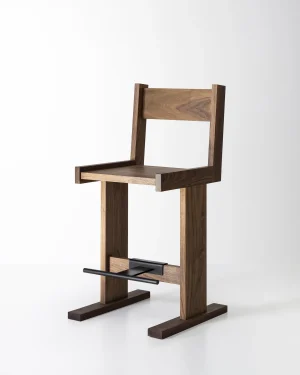
 In stock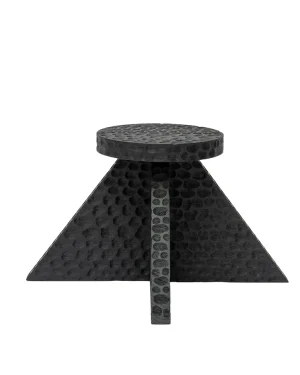

 In stock
 In stock
 In stock
 In stock


 In stock


 In stock
 In stock
 In stock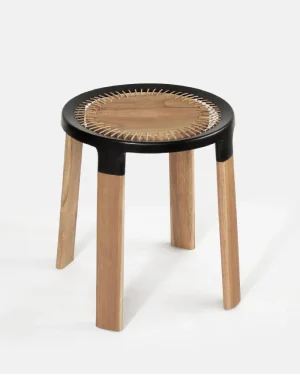
 In stock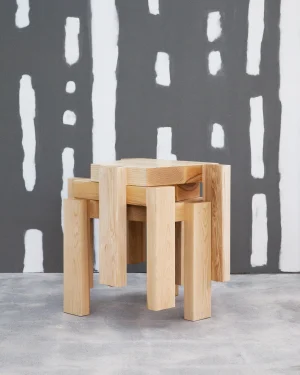
 In stock
 In stock
 In stock
 In stock
 In stock
 In stock
 In stock

 In stock