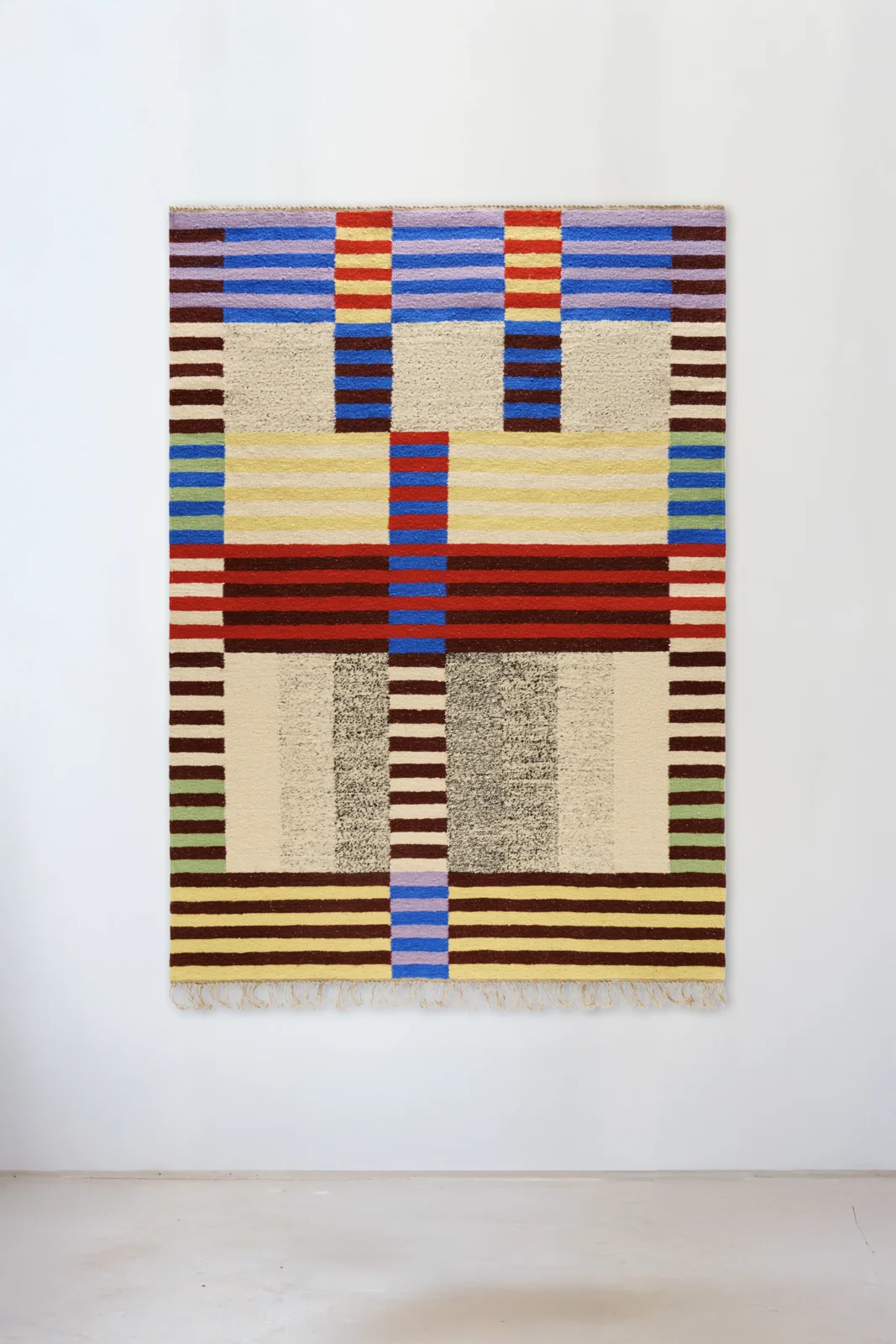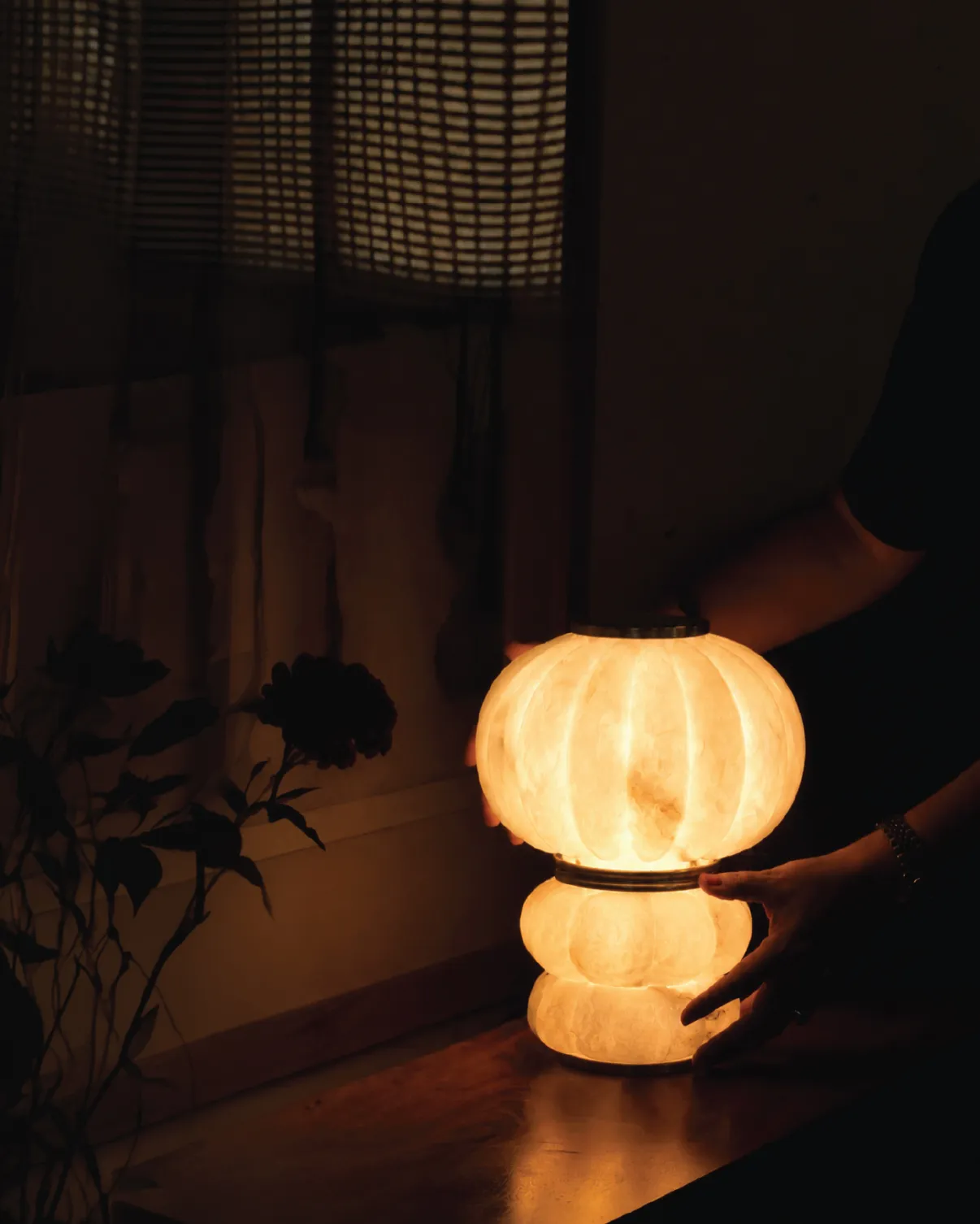
Brass hammered like a lotus leaf, steel shaped by water, stone that glows: Indian design is working on its own terms.
Updated on: October 30, 2026
Indian designers are drawing attention far beyond India. A new generation of studios in Mumbai, Gurgaon, Noida and Ahmedabad works with materials and skills that have been part of Indian making for centuries, from cast and hammered brass to carved stone and hand-finished metal, and turns them into furniture and lighting with a clear, contemporary voice.
This guide looks at where that confidence comes from, the crafts behind Indian furniture and decor today, and six Indian designers on ADORNO whose work shows the range of the scene, from a brass coffee table shaped like a lotus leaf to a stool that looks like a mushroom.
Why Indian designers are worth watching
India has one of the largest living craft economies in the world. Millions of artisans still work by hand, often in family workshops where skills pass from one generation to the next. For a long time those skills served export factories or tourist markets, and the designer’s name rarely appeared on the object.
That has changed. Independent studios now work directly with artisans, credit them, and treat craft as a design language rather than decoration. Fairs such as India Design ID in New Delhi and Design Mumbai have given the scene a stage at home, and Wallpaper* has followed the women-led studios showing there. The result is work that is rooted in place, made by hand, and confident enough to stand next to anything from Milan or Copenhagen.
A short history of contemporary Indian design
Two moments in the 1950s still shape Indian design. In Chandigarh, the new capital of Punjab planned by Le Corbusier, his cousin Pierre Jeanneret designed furniture for the city’s offices, courts and homes. His teak and cane chairs, built by local carpenters, showed how simple, local materials could carry a strong idea. Decades later they became some of the most collected pieces of 20th-century furniture.
In 1958, Charles and Ray Eames traveled across India at the invitation of the government and wrote The India Report. They argued that India needed designers who could connect its traditions with industry. The report led to the founding of the National Institute of Design in Ahmedabad in 1961, which has trained generations of Indian designers since. Many of the studios working today, including several in this guide, come out of that tradition of learning by making, with one foot in the workshop and one in the studio.
The crafts behind Indian furniture and decor
- Brass and metalwork: Moradabad in Uttar Pradesh is known as the Brass City, and sand casting, repoussé and hand hammering are practiced across the country. Contemporary studios use these methods for furniture, lighting and small objects.
- Stone carving: from the marble of Makrana, used for the Taj Mahal, to sandstone and alabaster, carving is one of India’s oldest crafts. In lighting, translucent stone gives a soft, warm glow.
- Bidri: a technique from Bidar in Karnataka, in which a dark zinc alloy is inlaid with fine silver patterns.
- Wood carving: teak, sheesham and other hardwoods are carved by hand into furniture, screens and doors, a skill now applied to sculptural seating.
- Textiles: weaving, block printing, embroidery and felting, used in upholstery, rugs and soft furnishings.
What the new studios share is an approach rather than a style. Some hide every trace of the hand, others leave hammer marks and pour ripples on purpose. Some use hydroforming and CNC alongside traditional tools. All of them start from material and process, not from a trend.
6 Indian designers to know
Each piece below comes from a different studio, and all are available on ADORNO.
Kamal Coffee Table in Brass by by.aman
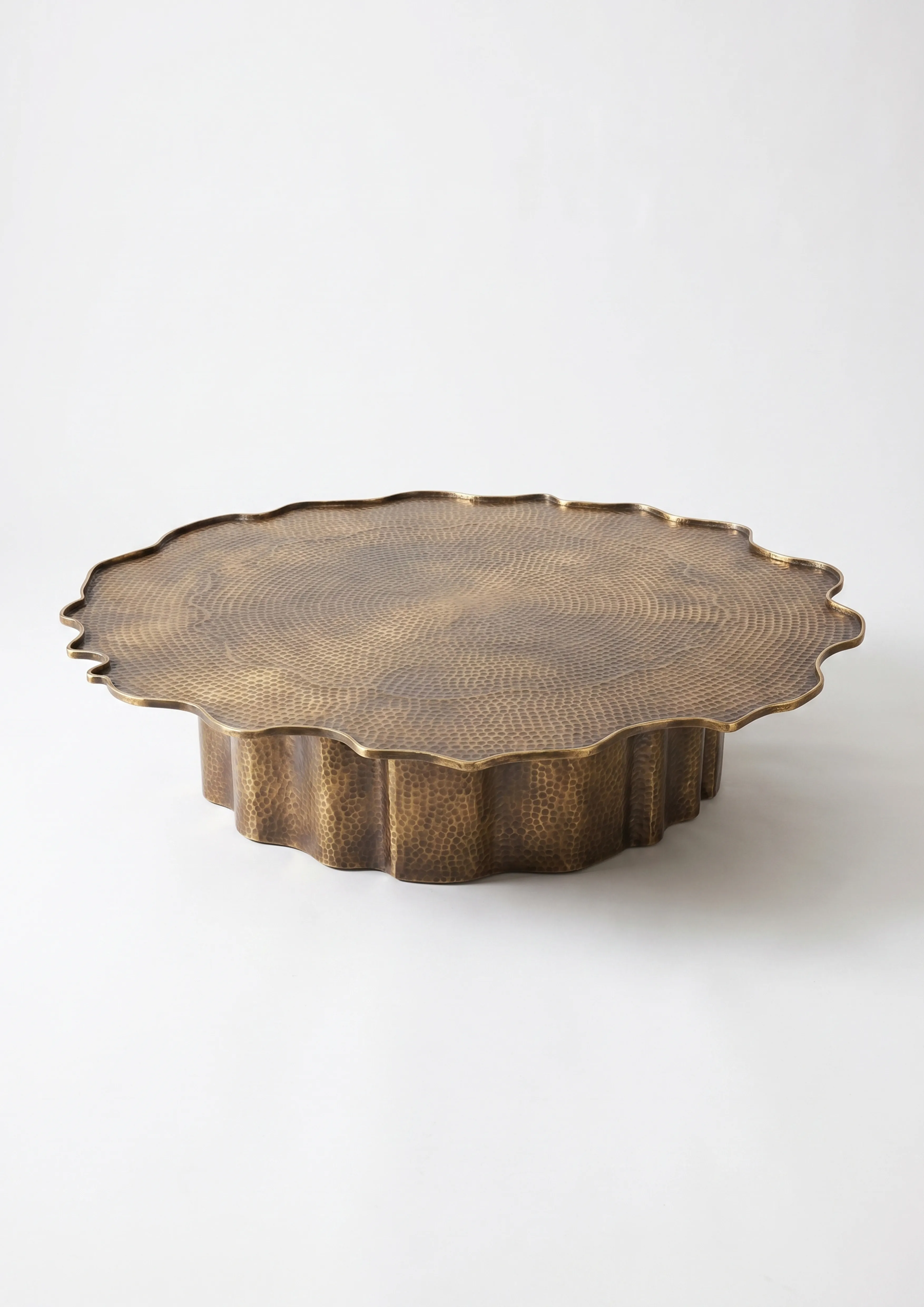
Mumbai studio by.aman found the starting point for Kamal on Dal Lake in Kashmir, where lotus leaves, or kamal, float with ruffled, uneven edges. The table is hammered by hand from brass in the repoussé tradition, and every dent is left visible, so the top reads like the surface of a living leaf. It measures 155 cm (61 in) across and 35 cm (13.8 in) high, in a limited edition of 11.
By by.aman
€7,000 incl. tax
Fold Bookend by Stem
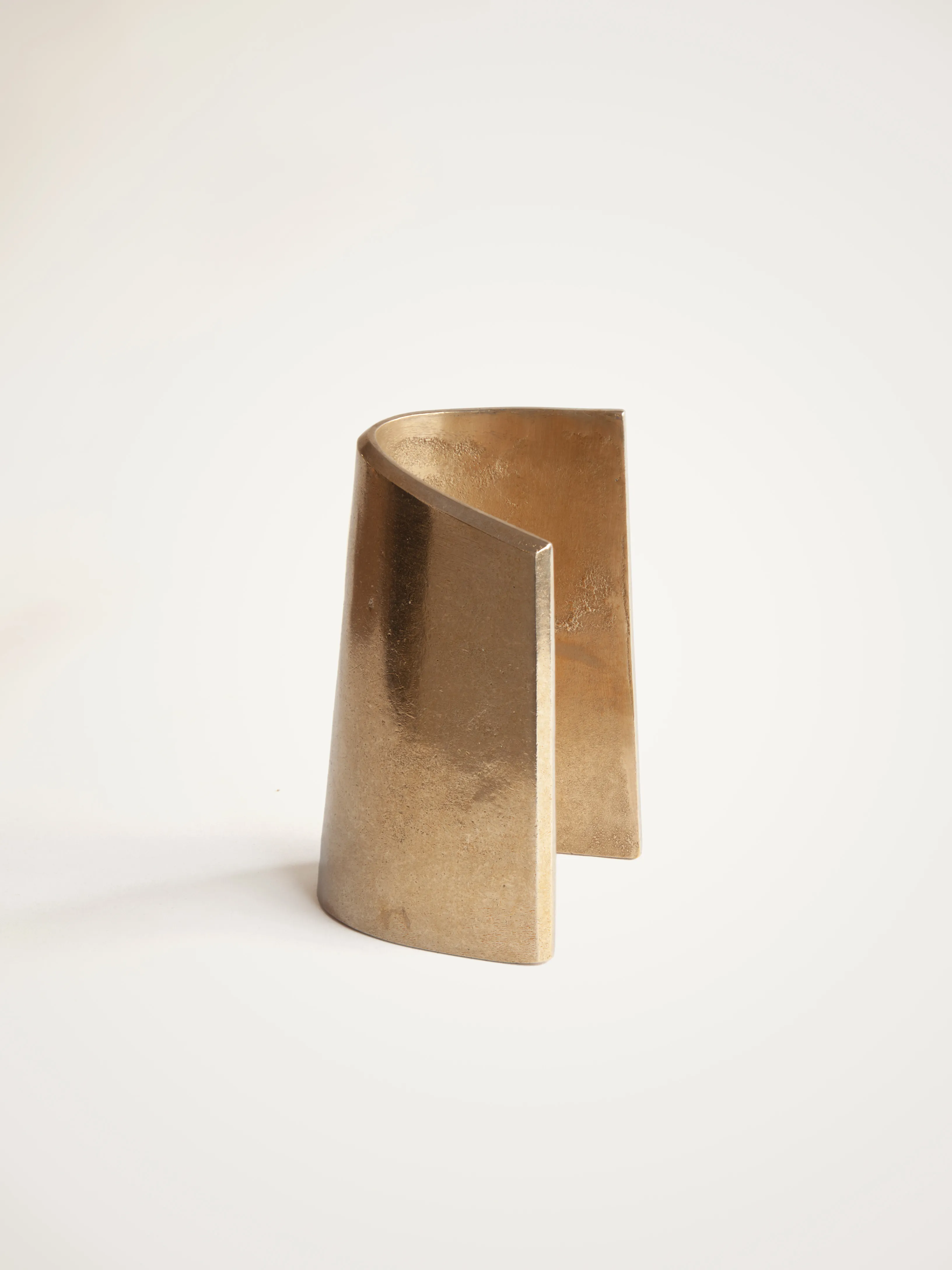
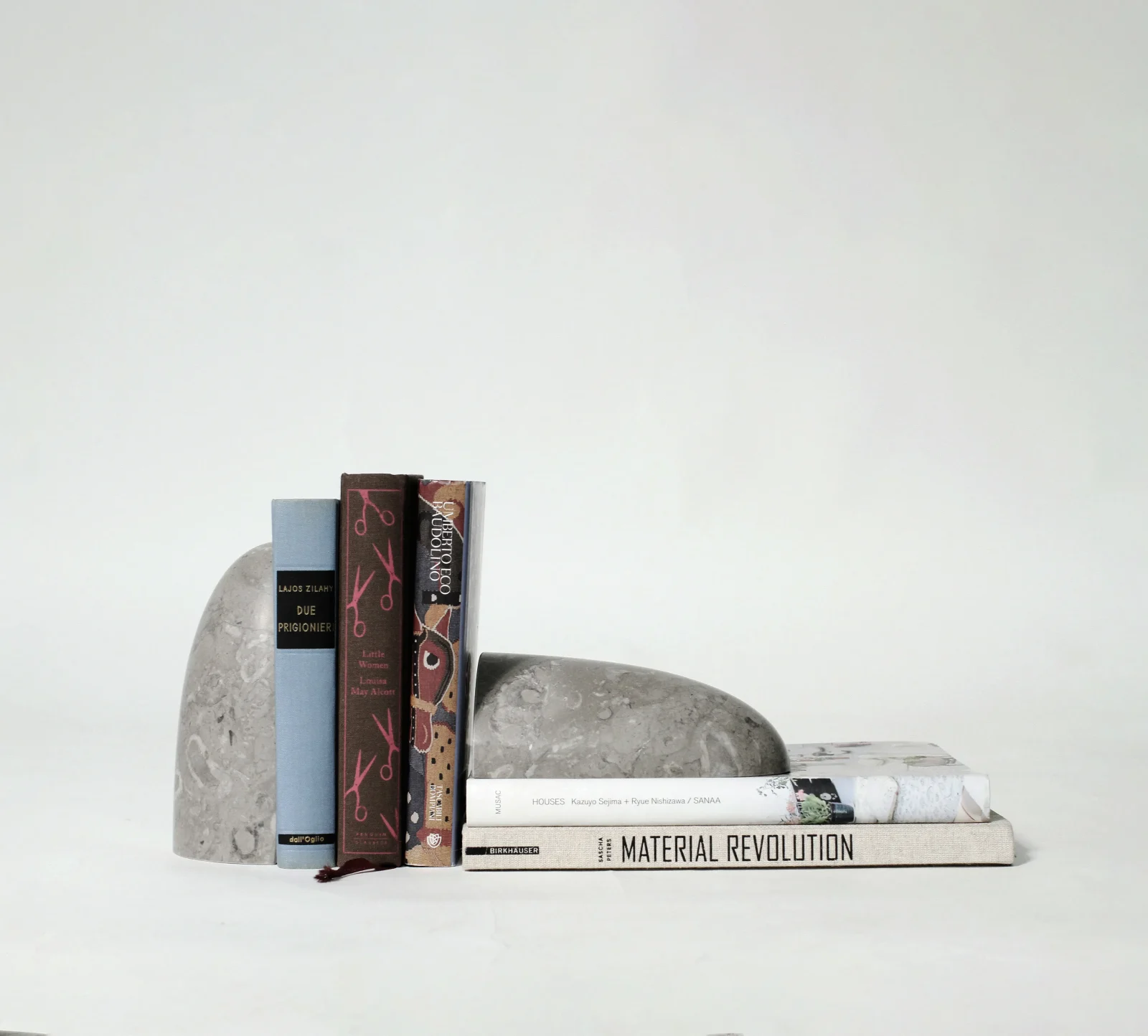
Stem, the Noida studio of Aman Bhayana and Sugandhi Mehrotra, turned the act of turning a page into a solid object. Fold is sand cast in brass and finished with master artisans in small batches, so pour ripples and slight pitting stay on the surface. At 11 × 11 × 18 cm (4.3 × 4.3 × 7.1 in), it is a small, heavy piece that holds a shelf of books upright.
By Stem
€300 – €330 incl. tax
Diamante Bench by Nitush and Aroosh

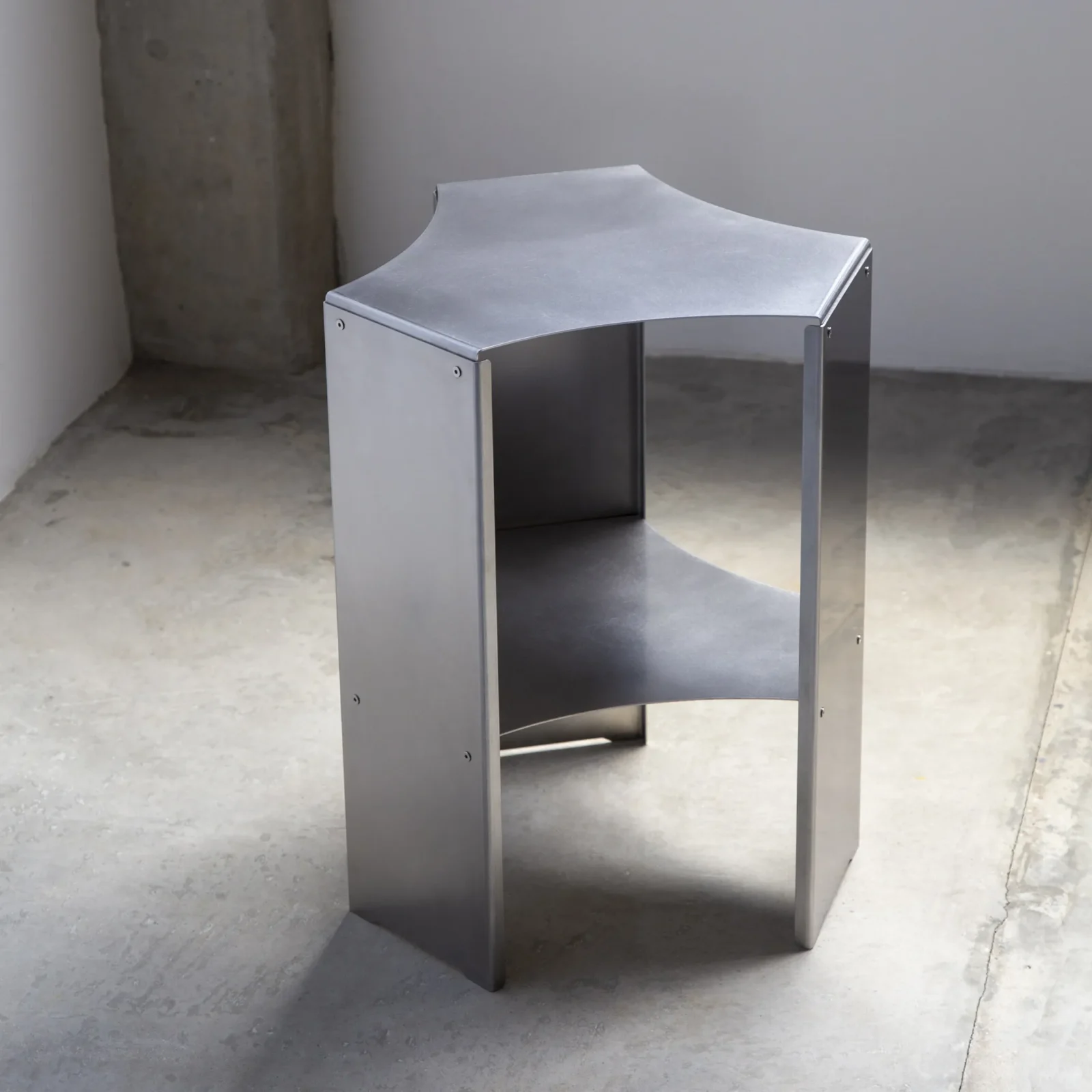
Brothers Nitush and Aroosh work from Gurgaon, shaping stainless steel by hydroforming, using water pressure instead of heat, and then finishing every surface by hand. Diamante ripples like water held still, and its polished sides pick up the room around it while the flat matte top stays calm. It works as a bench or a low table, indoors or out, at 150 × 45 × 45 cm (59 × 17.7 × 17.7 in).
By Nitush and Aroosh
€5,500 incl. tax
Lunel Table Lamp in Alabaster by Mugen
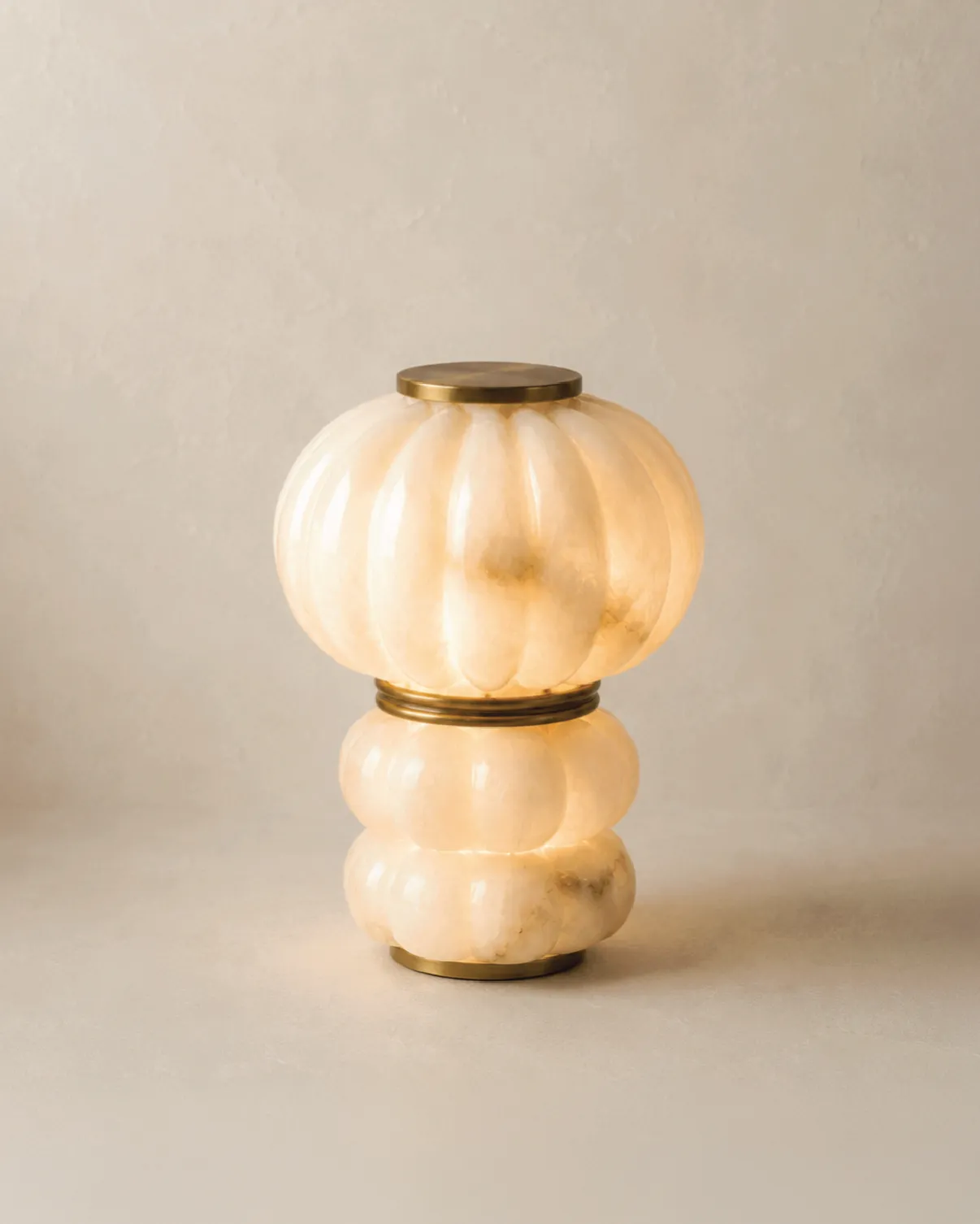
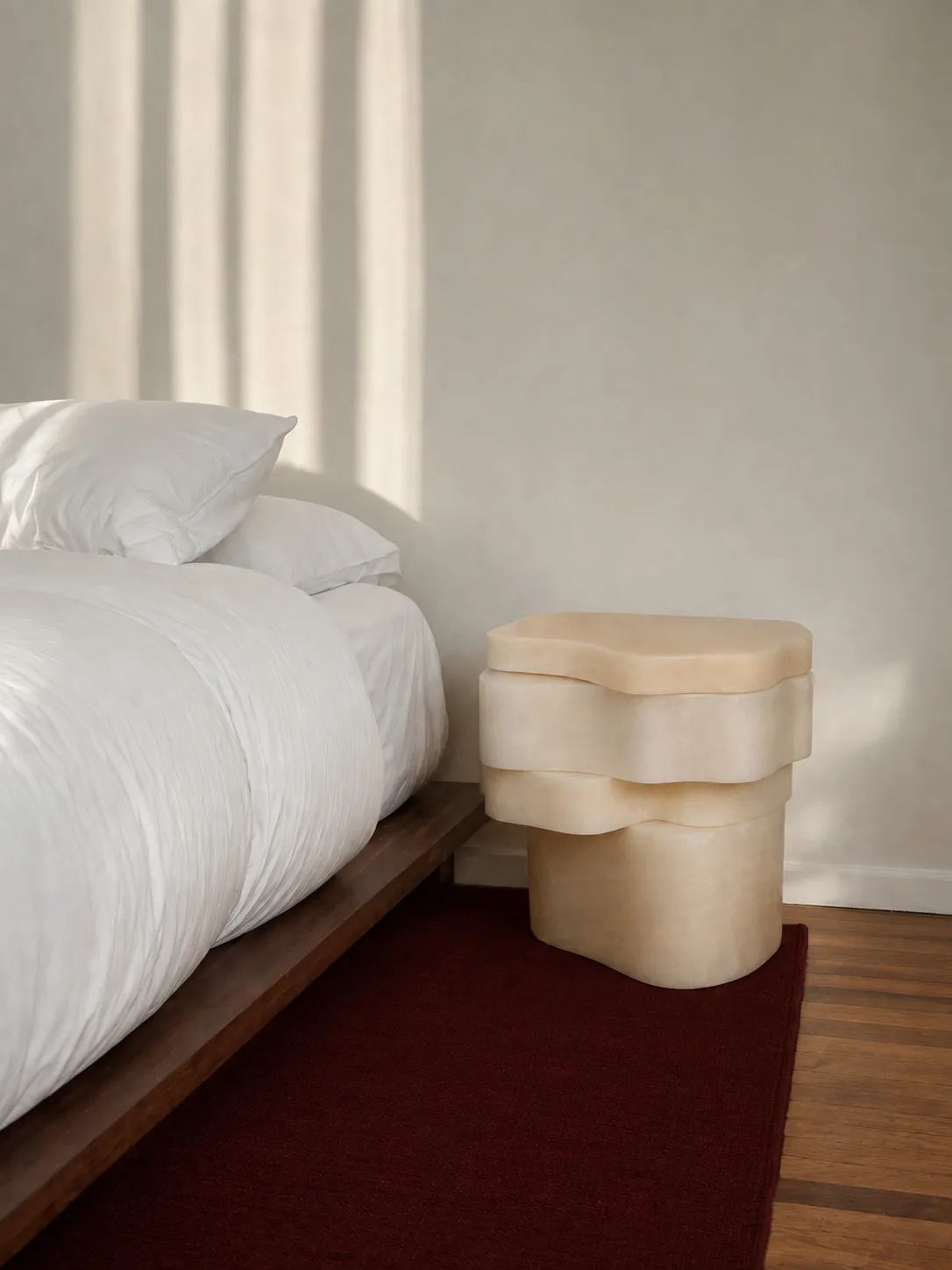
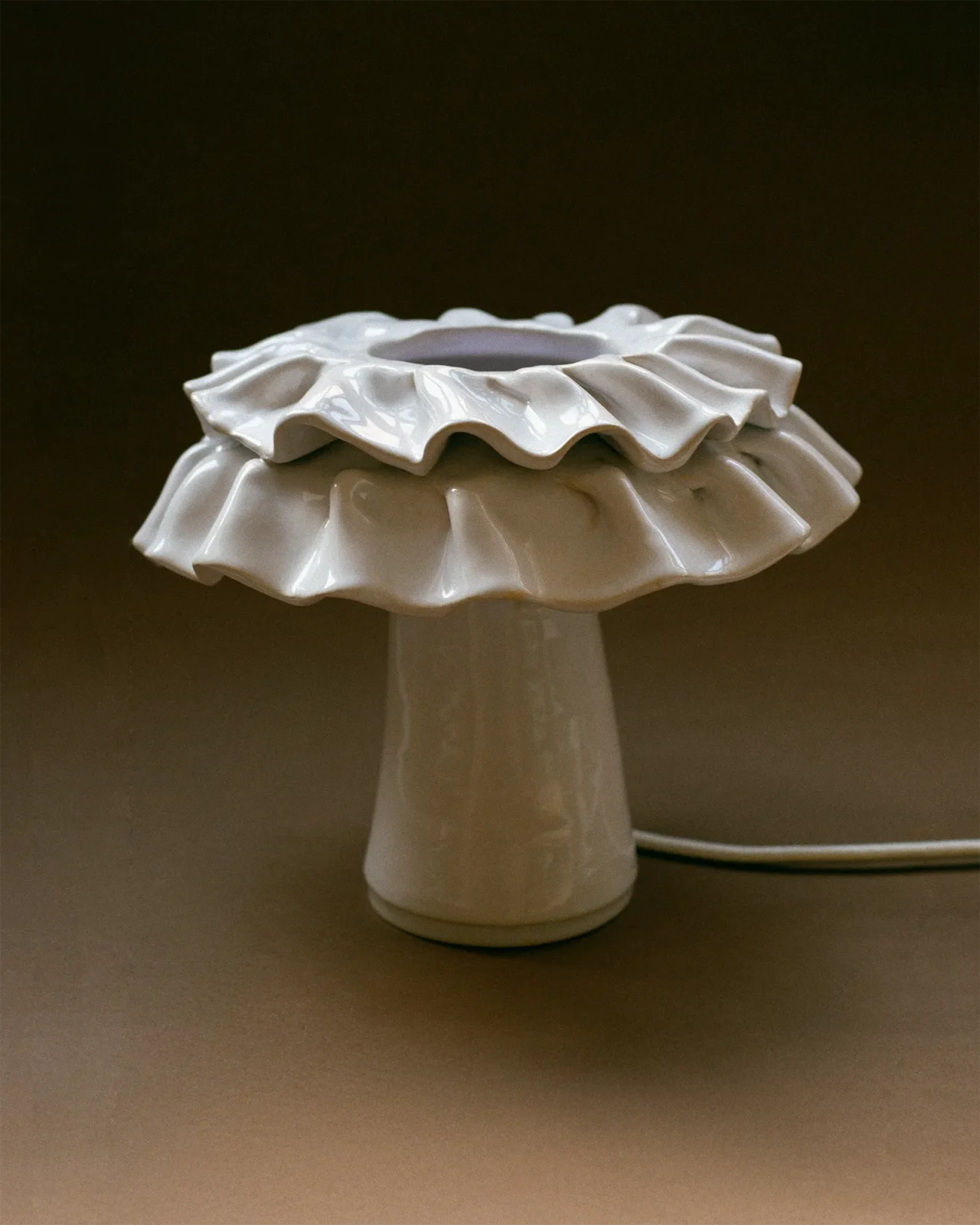
Mumbai studio Mugen carves its lamps from alabaster, a soft stone that turns translucent when lit. Lunel, from the BARRAQ series, stacks rounded forms in a quiet rhythm, and when switched on the whole body glows and shows the veining inside the stone. It stands 28 cm (11 in) tall and 22 cm (8.7 in) wide and can be wired for any country.
By Mugen
€2,042 incl. tax
Flower Wall Sconce in Alabaster by Harshita Jhamtani Designs
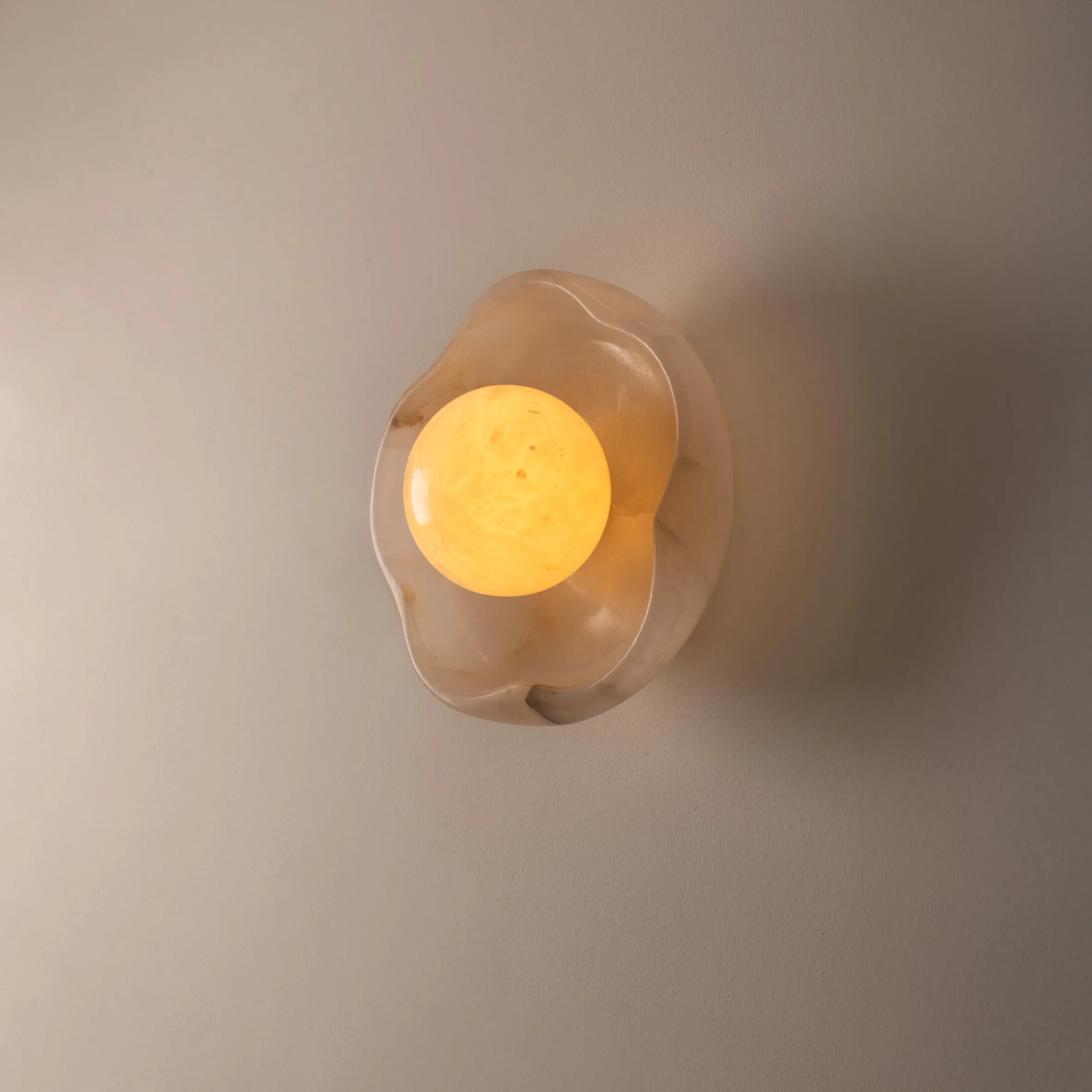
Harshita Jhamtani’s Mumbai studio carves this sconce from a single piece of alabaster in the outline of an open flower. Unlit it reads as a small relief on the wall; lit, the stone softens into a warm, even glow. It comes in 20 cm (8 in) and 25 cm (10 in) diameters, both 10 cm (4 in) deep, sized for a hallway, bedside or bathroom.
By Harshita Jhamtani Designs
€688 incl. tax
Stratum Mushroom Stool by Arisaa

Ahmedabad studio Arisaa combines wood carving and textile work in one small seat. The base is carved by hand into ridges that recall geological layers and tree rings, and the speckled wool top sits on it like a mushroom cap. It measures 45 × 45 × 43 cm (17.7 × 17.7 × 16.9 in), and color and size can be adjusted to order.
By Arisaa
€680 incl. tax
How to bring Indian design into your home
- Start with one strong piece: a hammered brass coffee table or a sculptural bench can anchor a room on its own. Keep the surroundings quiet so the surface can be read.
- Mix metals and stone: brass warms over time and pairs well with pale stone, linen and oak. Polished stainless steel reflects color from the rest of the room.
- Use stone for light: an alabaster table lamp or sconce gives a warm, low glow that suits bedrooms, hallways and dining rooms.
- Add small objects: a cast brass bookend or a carved low stool brings handwork into a room without a large commitment.
- Expect variation: handmade pieces differ slightly from one to the next. Marks, ripples and veining are signs of how the piece was made, not flaws.
Read more about the studios we have followed in Design Destination: The New Voices of Indian Design, or our guide to woodworking.
FAQ
Who are the best-known Indian designers today?
Contemporary Indian design is spread across many independent studios rather than a few big names. On ADORNO, studios such as Stem, Nitush and Aroosh, Mugen, by.aman, Harshita Jhamtani Designs and Arisaa show its range, from cast brass and hydroformed steel to carved alabaster and wool.
What is Indian furniture known for?
Indian furniture is known for hand skills: wood carving, brass casting and hammering, stone carving and inlay. Contemporary designers use the same skills for sculptural pieces with simple, strong forms.
What materials are common in Indian design?
Brass, teak and other hardwoods, marble, sandstone and alabaster, cane, and handwoven textiles are the most common. Many studios also use stainless steel and cast aluminum.
How did the Eames India Report influence Indian design?
Charles and Ray Eames wrote The India Report in 1958. It recommended a design education that linked tradition and industry and led to the founding of the National Institute of Design in Ahmedabad in 1961.
How do I style Indian decor in a contemporary home?
Choose one or two handmade pieces with strong material character, such as a brass table or a stone lamp, and keep the rest of the room calm with natural materials and soft colors.
Is handmade Indian furniture made to order?
Many pieces are made in small batches or to order, so delivery can take several weeks. Check the lead time on each piece page.