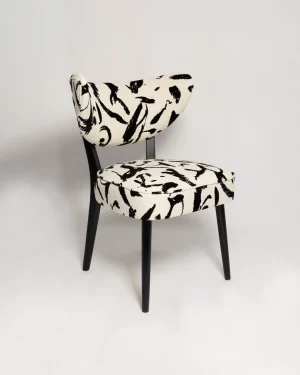
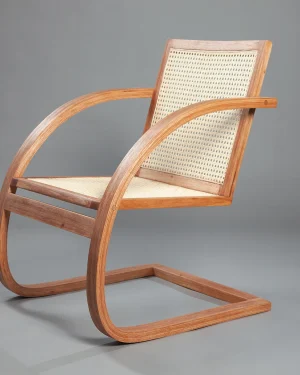
Wood Seating Across History and the Home
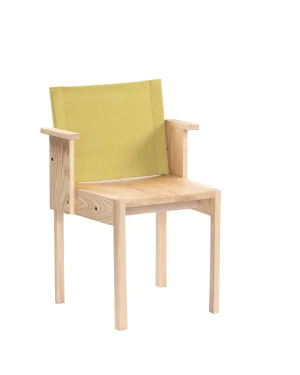
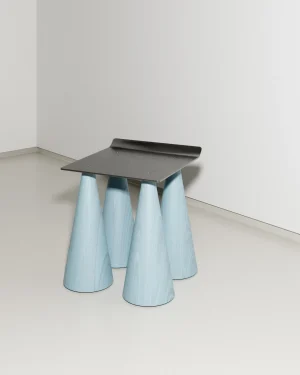
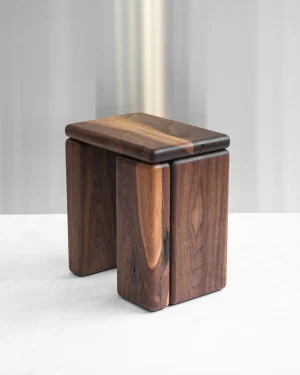
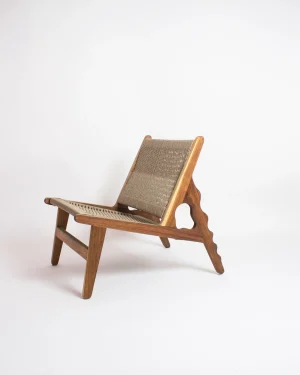
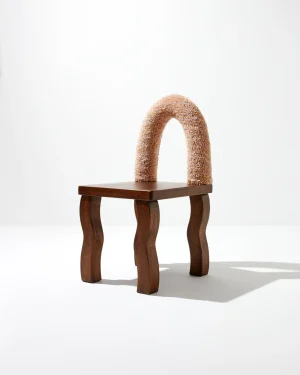
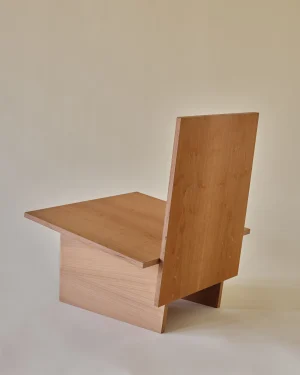
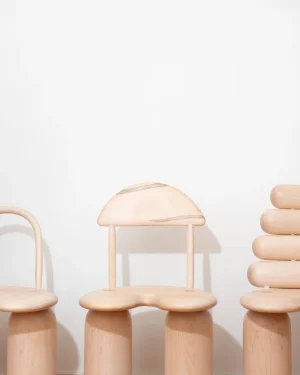
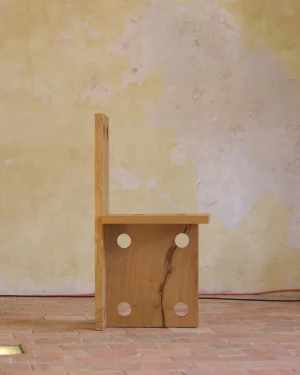
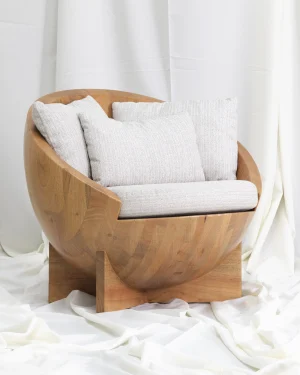
Wood seating occupies a singular role in design because seating itself shapes how bodies enter space. Chairs, benches, and stools are the objects that receive the body directly, defining position, duration, and relationship to others. This logic sits at the center of woodworking traditions and explains why seating carries cultural meaning beyond use. Across history, wood chairs have signaled authority, while benches and stools have structured gathering, labor, and pause, a dynamic explored through wooden seats and broader discussions of collectible design.
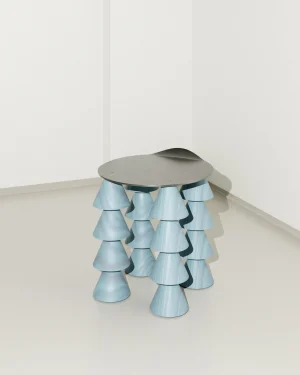
The material itself supports this continuity. Wood allows seating forms to remain legible across centuries, with the same core elements repeating through shifting contexts. Chairs define individual space, benches distribute presence, and stools reduce seating to its most elemental function. This structural clarity becomes visible when historic and contemporary pieces are placed side by side, a theme echoed in wood furniture and wooden stools, where proportion and joinery carry meaning more than stylistic markers.
Today, designers continue to return to wood seating because it balances permanence and adaptability. It supports both restraint and expression, fitting naturally within mid-century modern, minimalist, and eclectic interiors without losing coherence. Whether shaping a dining room, entryway, or reading space, wood seating remains grounded in use rather than novelty, offering continuity that absorbs change while keeping the body at the center.
Shop all wood seating


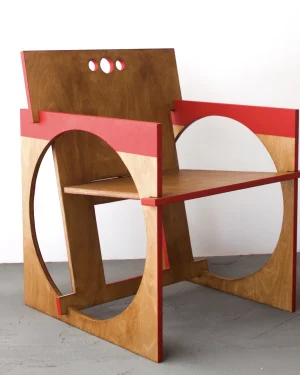 In stock
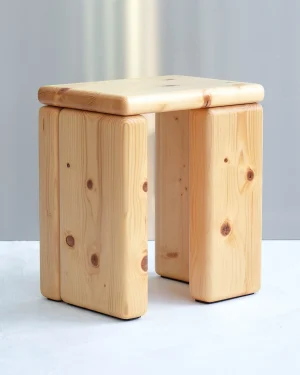 In stock
 In stock
 Sold
Sold
 In stock
 In stock
 In stock