-

Elements Set (fire, Earth, Water And Air)
By Daniel Couttolenc
€6.150 -
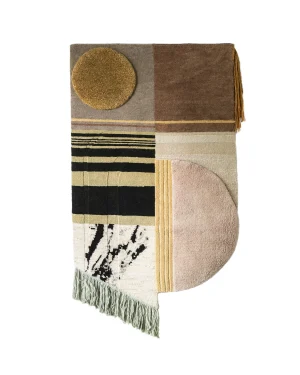
Textile Poster No. 11 – Geometric Tapestry
By Lyk Carpet
€2.674 -
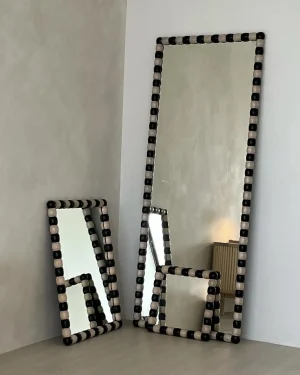
Onde – Two-toned Mirror
By STUDIO KALLANG
€940 - €2.050 This product has multiple variants. The options may be chosen on the product page -
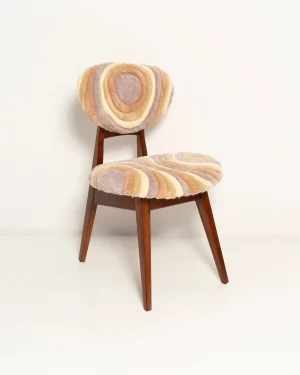
Mid Century Mushroom Chair Hand Tufting Beige Wool
By Vintola Studio
€1.600 -

Nemo & Dory – Teak Side Table Set
By Studio Indigene
€1.600 -
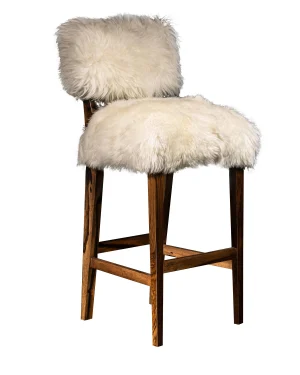 In stock
Bruno – Modern Bar Stool In Argentine Solid Wood
By Costantini Design
€1.980 This product has multiple variants. The options may be chosen on the product page -
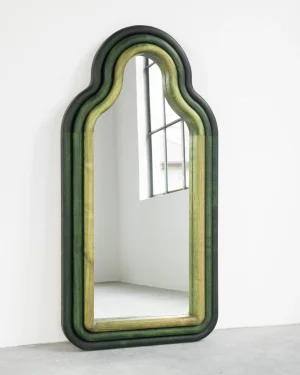
Trn Mirror / Triple / Solid Wood
By Pani Jurek STUDIO
€2.255 This product has multiple variants. The options may be chosen on the product page -

Trn / Model E1 Pendant Lamp in Ceramic
By Pani Jurek STUDIO
€1.430 This product has multiple variants. The options may be chosen on the product page -
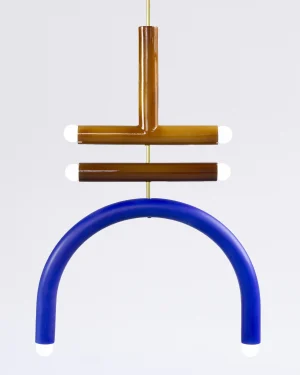
Trn / Model F2 Pendant Lamp in Ceramic
By Pani Jurek STUDIO
€1.600 This product has multiple variants. The options may be chosen on the product page -

Trn Mirror / M
By Pani Jurek STUDIO
€1.065 This product has multiple variants. The options may be chosen on the product page -
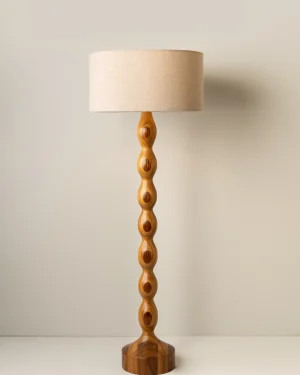
Tamarindo Floor Lamp in Parota Wood and Natural Fibers
By Isabel Moncada
€3.802 -
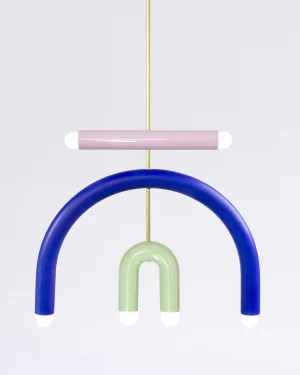
Trn / Model F3 Pendant Lamp in Ceramic
By Pani Jurek STUDIO
€1.600 This product has multiple variants. The options may be chosen on the product page -
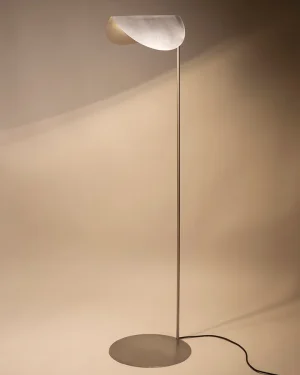
Two Circles No. 1 Floor Lamp in Stainless Steel
By Georgiev Kiril
€995 -

Mono Dining Table
By Assimply Studio
€4.920 - €5.450 This product has multiple variants. The options may be chosen on the product page -
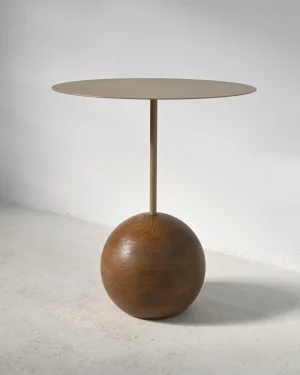
An Su – Side Table
By SALAK Studio
€690 -
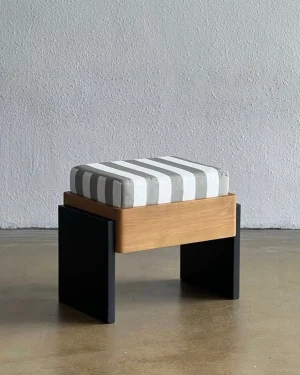
Striped Teak Ottoman
By STUDIO KALLANG
€1.025 -

Windows of Bo Bardi
By Linde Freya Tangelder
€1.300 - €1.600 This product has multiple variants. The options may be chosen on the product page -

Trn / Model C2 Pendant Lamp in Ceramic
By Pani Jurek STUDIO
€880 This product has multiple variants. The options may be chosen on the product page -
 In stock
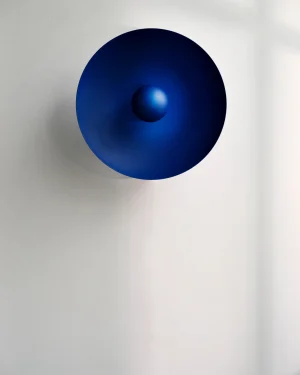
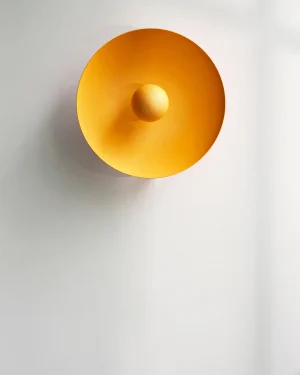
Blue Moon Wall Lamp in Aluminum
By Anne Nowak
€1.675 -
 In stock
Sun Wall Lamp in Aluminum
By Anne Nowak
€1.340 -
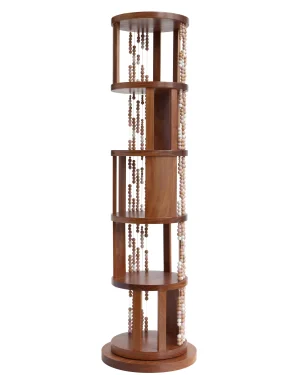
Contas Round Swivel Bookcase – Cabreuva Wood / Ceramic
By YANKATU
€5.100 -
 In stock
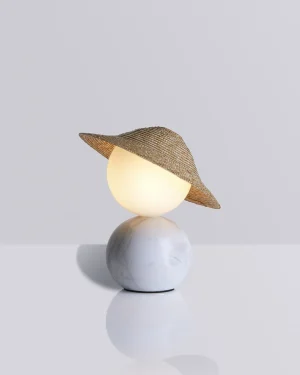
Théros 0.2 Table Lamp in Blown Glass and Marble
By Studio Aristotelis Barakos
€950 -
 In stock
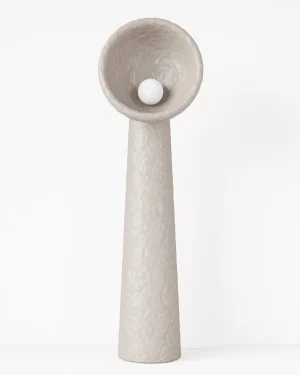
Soniah Floor Lamp in ZTISTA
By FAINA
€7.000 This product has multiple variants. The options may be chosen on the product page -
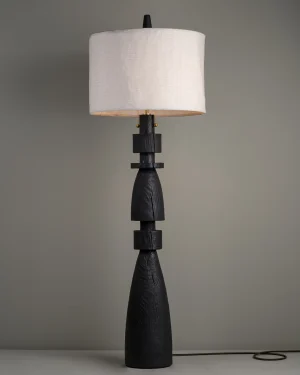
Mezquite Floor Lamp in Pinewood, Linen and Brass
By Isabel Moncada
€4.095 -

Mono – Travertine And Metal Side Table
By Yet Design Studio
€1.200 - €1.380 This product has multiple variants. The options may be chosen on the product page -

Mono – Dining Table Long
By Assimply Studio
€5.820 -
 In stock
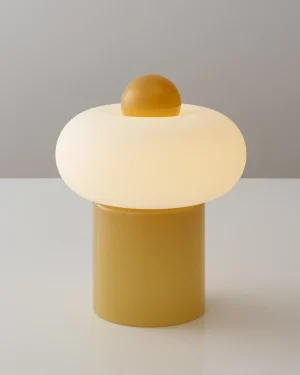
Capsula 05 Table Lamp in Blown Glass
By Noiro Studio
€880 -

Spigolatura N°48 – Handwoven Wall Art
By Susanna Costantini
€1.180 -

Terrae N°1 – Handwoven Wall Decoration
By Susanna Costantini
€910 -

Falcon Floor Lamp in Brass and Oak Wood
By Nathan Chintala
€2.105 -
 In stock
Eros Mirror
By Dzovag Kotchian
€860 -
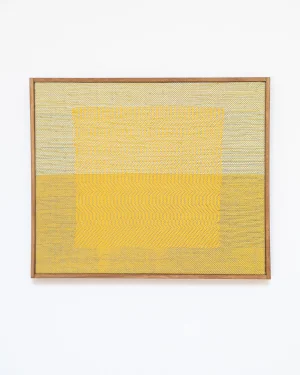
Bandiera N° 20 – Hand-woven Wall Art
By Susanna Costantini
€950 -
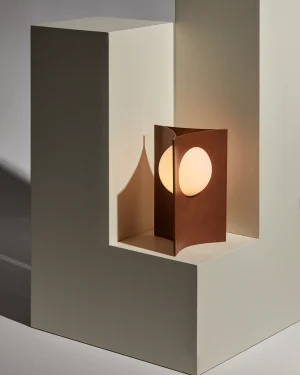
Hecate Table Lamp in Leather and Glass
By Studio Aristotelis Barakos
€480 This product has multiple variants. The options may be chosen on the product page -
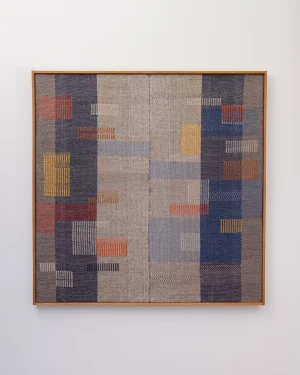
Spigolatura N°61 – Handwoven Wall Art
By Susanna Costantini
€1.800 -
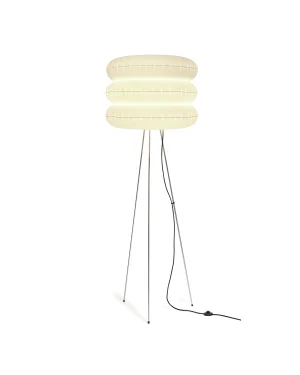 In stock
Big Puff Tripod Floor Lamp in Polyurethane and Steel
By PUFF-BUFF
€800 -
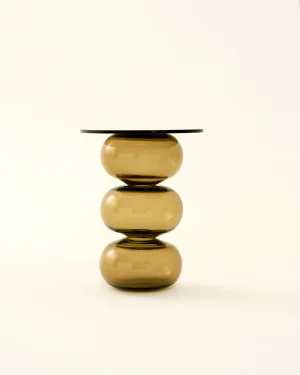
Donut – Glass Side Table
By Deya
€1.633 -

Su – Steel / Wood Side Table
By SALAK Studio
€590 -
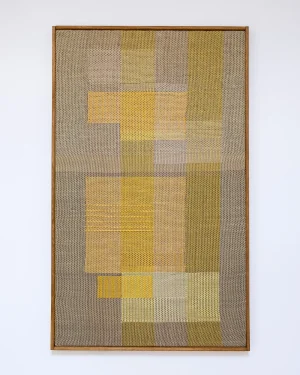
Spigolatura N°68 – Handwoven Wall Art
By Susanna Costantini
€1.200 -

Cherry – Steel Side Table
By SALAK Studio
€590 -
 In stock
Elo Mirror 60×90 Cm – Hand Glazed Ceramic
By Pani Jurek STUDIO
€1.070 This product has multiple variants. The options may be chosen on the product page -
 In stock
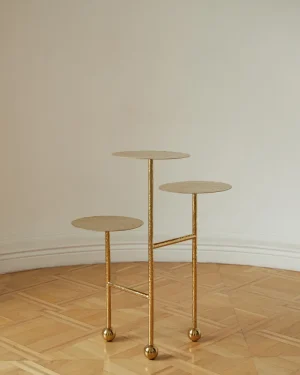
Liquid Table Tin Coated Steel
By FURN OBJECT
€3.600 -

Trn / Model A2 Pendant Lamp in Ceramic
By Pani Jurek STUDIO
€470 This product has multiple variants. The options may be chosen on the product page -
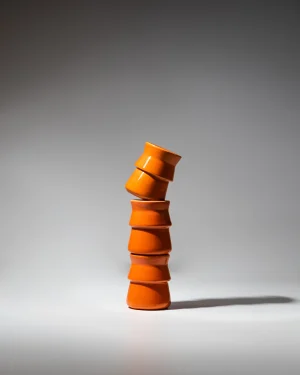
Yo-yo Orange Ceramic Shot Glass
By eguiarte & eguiarte
€25 -
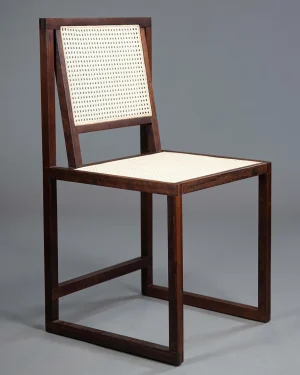
The Square Chair
By am.o atelier
€985 -
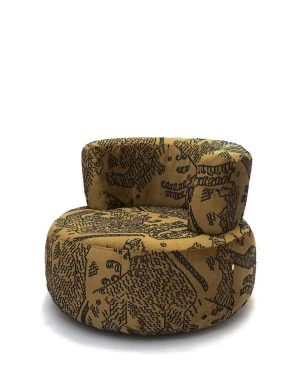
Object051 – Dedar Fabric Armchair
By NG DESIGN
€2.095 -
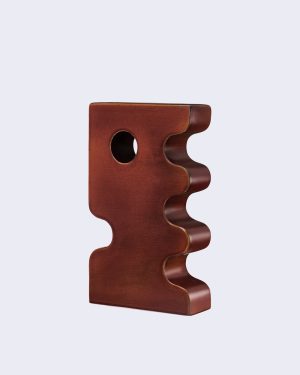 In stock
Barva / Model 2 Vase
By Pani Jurek STUDIO
€192 - €319 This product has multiple variants. The options may be chosen on the product page -

The Mingo – Wooden Side Table / Ottoman
By CHANDLER MCLELLAN
€2.170 -
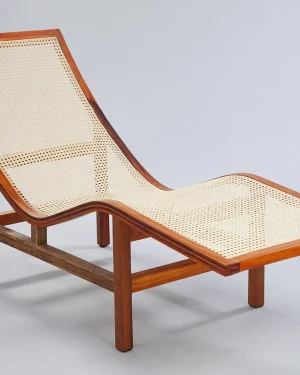
Chaise Sossego
By am.o atelier
€2.956 -
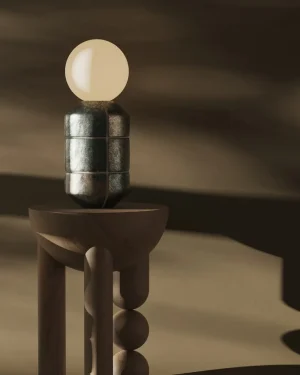
Navazi Table Lamp in Glazed Ceramic
By SVITANOK
€590 - €890 This product has multiple variants. The options may be chosen on the product page -
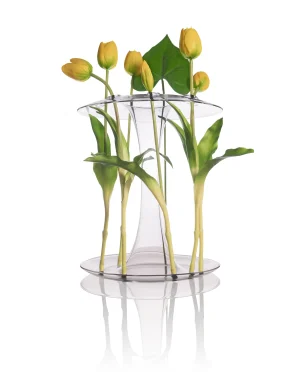 In stock
Aqua Vase
By KANZ
€156 -
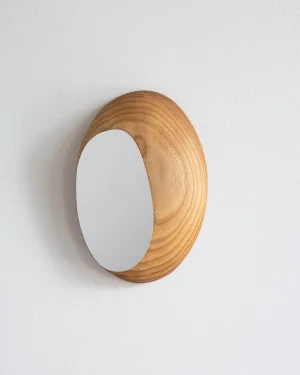
Elm Mirror F — Ves
By Anna Bera
€494 -
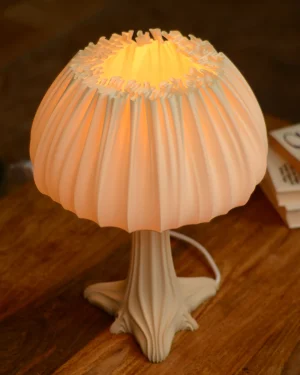 In stock
M 2 Table Lamp in Bio Plastic and Sand
By diploria studio
€335 -
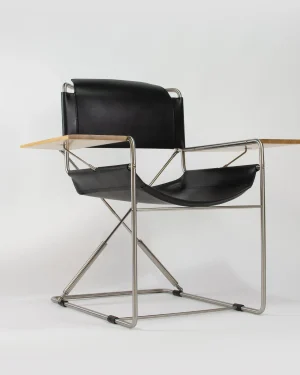 In stock
Pneumatic Chair 2
By Szostak Atelier
€5.990 This product has multiple variants. The options may be chosen on the product page -
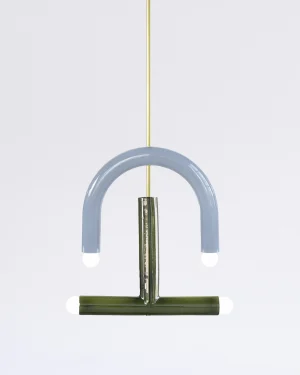
Trn / Model C3 Pendant Lamp in Ceramic
By Pani Jurek STUDIO
€880 This product has multiple variants. The options may be chosen on the product page
Mid-Century Modern Style for Contemporary Homes
Mid-century modern design continues to shape how homes look and function today. Defined by clean lines, warm materials, and functional clarity, the style emerged in the mid-20th century and still feels relevant in contemporary interiors. For an overview of its lasting appeal, explore mid-century modern and curated spaces on the mid-century modern inspiration page.
Rather than relying on decoration, mid-century modern interiors focus on proportion, material honesty, and thoughtful layouts. Furniture, lighting, and storage work together to create rooms that feel open and intentional. Browse foundational categories like chairs, tables, and storage to see how the style translates today.
What Is Mid Century Modern
Mid century modern is a design movement that developed between the 1940s and 1960s, shaped by post-war optimism, new production methods, and a shift toward open-plan living. Designers prioritized function, accessibility, and simplicity, creating interiors that supported everyday life rather than formal display.
The style values balance and restraint. Visual interest comes from structure, not ornament. Natural materials, especially wood, are paired with clean geometry and light-filled spaces, giving rooms a calm and practical character.
What Is Mid-Century Modern Furniture?
Mid-century modern furniture emphasizes clarity of form and comfort. Chairs, tables, and cabinets are designed to feel light, often elevated on tapered legs that create visual openness. Pieces are engineered to serve specific functions without excess detail.
You see this approach clearly in seating and dining furniture featured in mid-century seating and table collections highlighted in mid-century tables.
Historical Origins and Context
Mid-century modern design grew out of earlier modernist movements, including Bauhaus and Scandinavian functionalism. These influences encouraged designers to rethink domestic life, focusing on efficiency, comfort, and mass production.
The movement gained momentum in the United States and Europe after World War II, when new housing developments and changing lifestyles demanded practical, adaptable interiors. This cultural shift explains the style’s enduring connection to everyday living.
Influential Designers and Architects
Several designers helped define mid-century modern. Charles and Ray Eames explored seating and molded materials. Arne Jacobsen refined organic forms in chairs and lighting. George Nelson introduced modular storage and clean-lined case goods.
Architects like Richard Neutra and Eero Saarinen extended the style into architecture, designing homes and public buildings that blurred the line between interior and exterior. Their work continues to influence contemporary furniture and spatial planning.
Global Influence and Regional Variations
While often associated with American interiors, mid-century modern developed differently across regions. Scandinavian designers emphasized softness, light woods, and human scale. Italian interpretations leaned more sculptural and expressive.
These regional differences explain why the style feels flexible today. You can lean minimal, organic, or graphic while still staying true to mid-century modern principles.
Mid-Century Modern Compared to Other Styles
Mid-Century Modern vs Bauhaus
Bauhaus focused on industrial rigor and universal form. Mid-century modern softened this approach, introducing warmth and comfort. For deeper context, see Bauhaus design.
Mid-Century Modern vs Minimalist
Minimalist interiors strip spaces to essentials. Mid-century modern allows more warmth and personality through materials and color. Compare with minimalist design for contrast.
Mid-Century Modern vs Scandinavian Modern
Scandinavian modern overlaps heavily but leans more natural and soft. Mid-century modern introduces sharper geometry and stronger silhouettes. Explore Scandinavian modern for comparison.
Enduring Popularity and Modern Integration
Mid-century modern remains popular because it adapts easily to contemporary homes. Its focus on proportion and function aligns with modern lifestyles, small spaces, and open layouts.
Today’s designers reinterpret mid-century forms using new materials, sustainable production, and updated finishes. This keeps the style fresh without losing its core identity.
Key Elements of Mid-Century Modern Design
Clean Lines and Structure
Strong horizontal lines, gentle curves, and simple outlines define the look. Furniture feels intentional and balanced.
Natural Materials
Wood, leather, and textiles provide warmth. Metal appears in controlled accents. Explore metal details for contrast.
Functional Layouts
Rooms are planned around use. Furniture placement encourages movement and conversation, not formal symmetry.
Notable Furniture and Architecture Examples
Iconic mid-century furniture includes molded lounge chairs, sculptural dining chairs, and long credenzas. These pieces appear frequently in wood seating and storage features.
Architectural examples include open-plan homes with large windows, built-in storage, and a strong connection to the outdoors, ideas still reflected in modern residential design.
Common Mistakes to Avoid
Overcrowding the Room
Mid-century modern relies on space. Too many pieces disrupt the clarity of the layout.
Turning the Style Into a Theme
Avoid matching sets or excessive vintage references. Mix eras and materials to keep the room current.
Ignoring Comfort
While silhouettes matter, comfort defines long-term success. Always prioritize seating ergonomics.
Frequently Asked Questions
What is mid century modern?
Mid century modern is a design style rooted in the mid-20th century, known for clean lines, functional furniture, and natural materials.
What is mid-century modern furniture?
Mid-century modern furniture features clear silhouettes, tapered legs, and thoughtful proportions designed for everyday use.