3D Wall Art that Brings Depth to Modern Interiors
3D wall art introduces depth, texture, and physical presence to interior spaces. Unlike flat prints or paintings, three-dimensional wall pieces interact with light and shadow, giving walls a sculptural role in the room. This approach reflects a broader shift toward tactile, expressive interiors seen across sculptural and contemporary design.
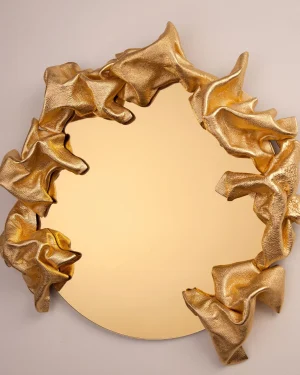
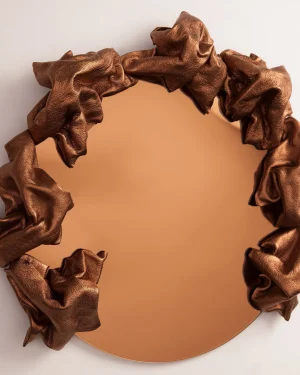
Designers increasingly use 3D wall art to create focal points, soften large surfaces, and introduce material contrast. From carved wood panels to ceramic reliefs and metal compositions, these works blur the line between decor and collectible object.
What Is 3D Wall Art
3D wall art refers to wall-mounted works with physical depth. These pieces project from the wall or feature layered, relief-based construction rather than a flat surface. The effect feels architectural, sculptural, and intentional.
Compared to traditional wall decor, which relies on color or imagery alone, 3D wall art engages the room spatially. This distinction aligns with ideas explored in collectible design and functional art.
Why 3D Wall Art Is Trending
Three-dimensional wall pieces answer a growing interest in texture, craftsmanship, and individuality. As interiors move away from uniform finishes, 3D wall art offers a way to personalize space without adding furniture.
Many works also support acoustic softness, sustainability, or modular display. These qualities connect to themes explored in artisanal design and upcycling.
Types of 3D Wall Art
Sculptural Reliefs
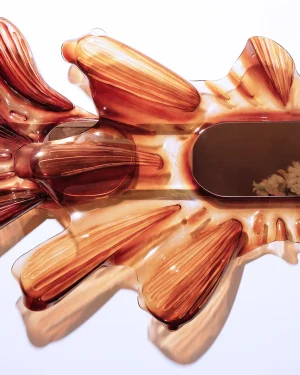
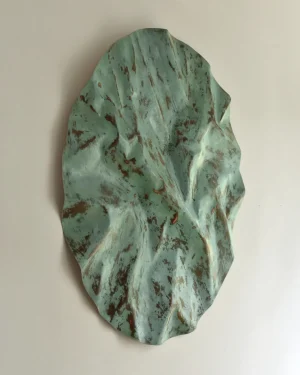
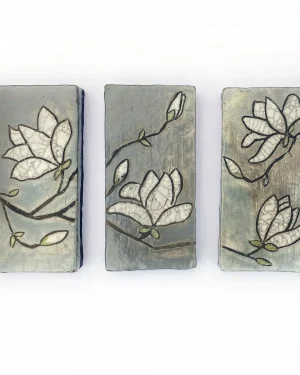
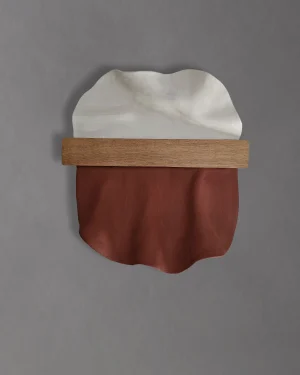
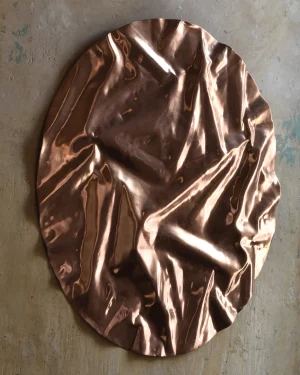
Relief wall art features carved or modeled surfaces that rise from a base plane. Ceramic, stone, and wood reliefs create subtle movement and work well in living rooms or dining areas.
Parametric and Modular Forms
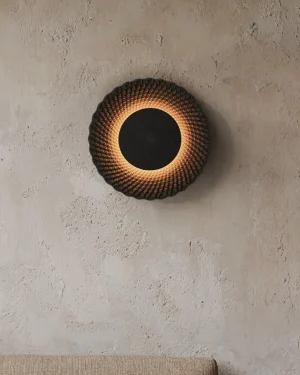
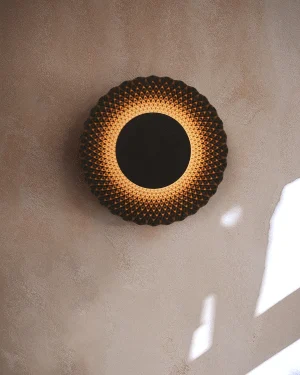
Parametric designs use repetition and rhythm to form complex surfaces. Modular wall art allows pieces to expand across a wall or adapt to different layouts, echoing ideas in modular design.
Fiber and Textile Wall Art
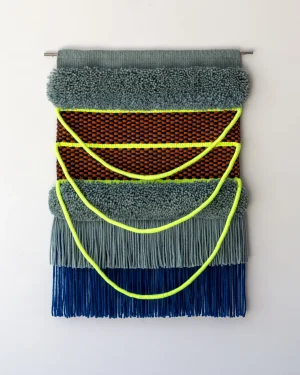
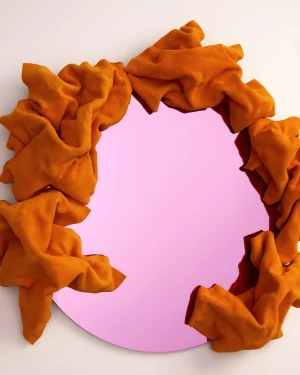
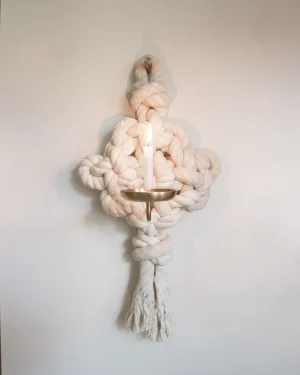
Woven, knotted, or layered textile wall art adds warmth and softness. These pieces often absorb sound and suit bedrooms or reading rooms. See related approaches in textile art.
Papercraft and Lightweight Forms
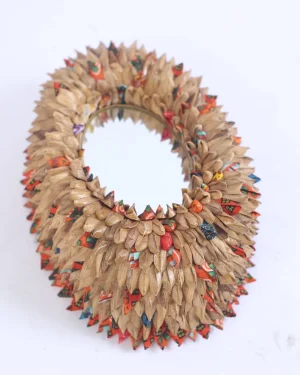
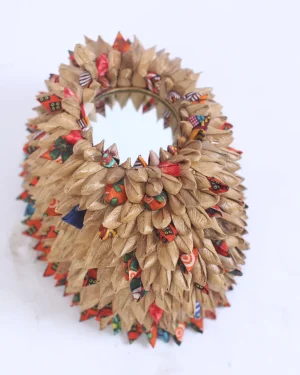
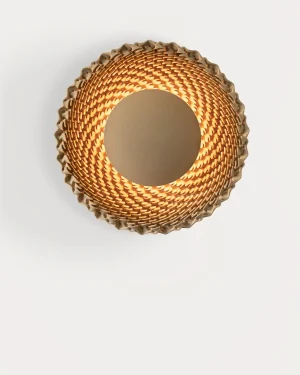
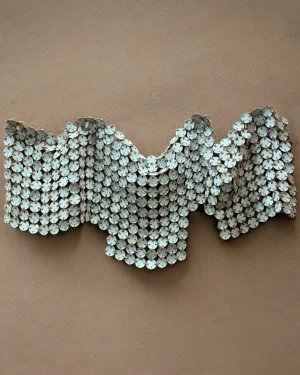
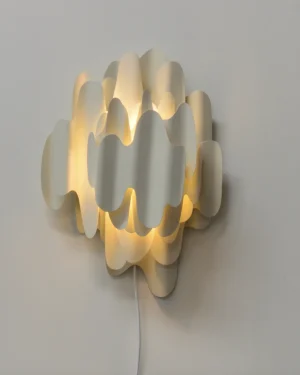
Paper-based wall art uses folding, layering, and cutting to achieve depth with minimal weight. This style connects to material experimentation explored in paper design.
Materials Used in 3D Wall Art
Material choice shapes both appearance and performance. Common materials include wood, ceramics, metal, stone, textiles, and paper.
Biomaterials and recycled media also appear in contemporary wall works, aligning with the values discussed in material responsibility.
Benefits Beyond Decoration
3D wall art does more than decorate. Textured surfaces help diffuse sound in open rooms. Handmade pieces introduce narrative and craft. Modular works allow customization over time.
These benefits mirror the broader shift toward emotionally resonant interiors seen in contemporary wall decor.
Placement Ideas by Space
Small Spaces
In compact rooms, place a single sculptural piece at eye level. Avoid overcrowding. A narrow wall near an entryway or reading nook works well. See entryway examples.
Medium Rooms
Above a sofa or sideboard, a wider 3D wall piece anchors the room. Placing the work opposite a window helps amplify light and shadow.
Large Walls
For expansive walls, consider modular or multi-panel installations. These suit open living rooms and dining spaces shown in living room and dining room layouts.
How to Choose the Right Size
Choose wall art proportional to both wall width and ceiling height. As a guideline, the piece should fill roughly two thirds of the available width above furniture.
For vertical spaces, taller reliefs elongate the wall. For horizontal layouts, layered or panoramic pieces create balance.
Safety, Installation, and Durability
Always check mounting requirements. Heavier works need wall anchors or studs. Anti-tip hardware is recommended in homes with children or pets.
Look for quality glass, sealed wood finishes, and reinforced backing. These details signal long-term durability.
Care and Maintenance
Dust wood and textile wall art regularly with a soft brush. Clean ceramic, metal, and stone surfaces with a dry or lightly damp cloth. Avoid harsh cleaners.
In humid rooms, ensure materials are sealed and well ventilated.
Style Guide at a Glance
- Wood reliefs for warm, organic interiors
- Ceramic forms for sculptural, handmade expression
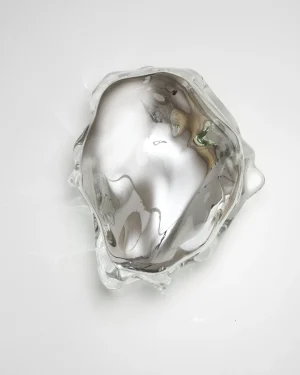
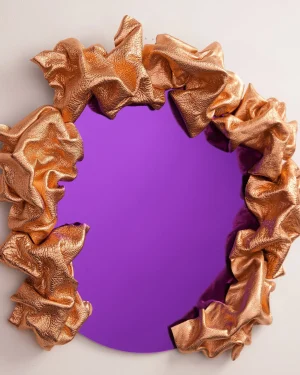
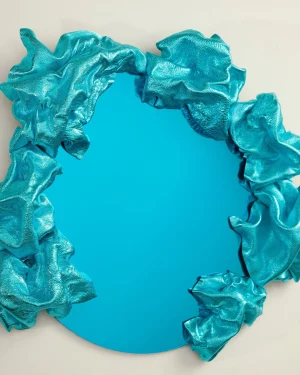
- Metal compositions for graphic or industrial spaces
- Textile art for softness and acoustic comfort
Common Mistakes to Avoid
- Hanging art too high or too low
- Using weak anchors for heavy pieces
- Placing mirrors or art opposite clutter
- Overcrowding textured surfaces
Frequently Asked Questions
Is 3D wall art hard to install?
Most pieces mount like framed art, though heavier works require anchors.
Are pieces one of a kind?
Many are handmade or produced in limited editions.
Can 3D wall art be used in offices or studios?
Yes. These works add texture and identity to workspaces shown in home office settings.
Where to Go Next
Start by identifying one wall that feels unfinished. Choose a piece that reflects your materials, light, and scale needs. For broader ideas, explore sculptural decor, wall decor guides, and curated interior inspiration.
Used thoughtfully, 3D wall art transforms blank walls into active, expressive surfaces that shape how a room feels and functions.


 In stock
 In stock
 In stock
 In stock
 In stock
 Free shipping
 In stock
 In stock
 In stock
 Free shipping
 In stock
 In stock
 Free shipping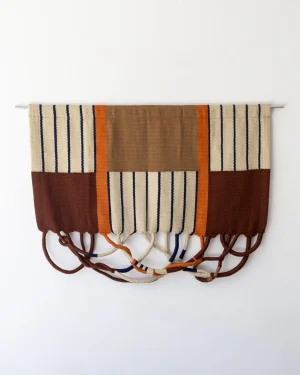
 In stock
 In stock
 In stock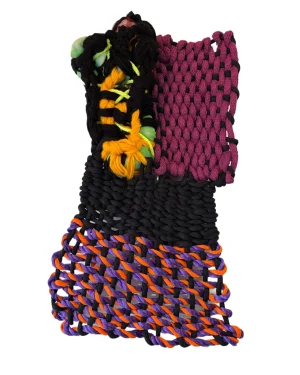
 Free shipping
 In stock
 In stock
 In stock
 Free shipping
 In stock
 Free shipping
 In stock
 In stock
 Free shipping
 In stock
 Free shipping
 Free shipping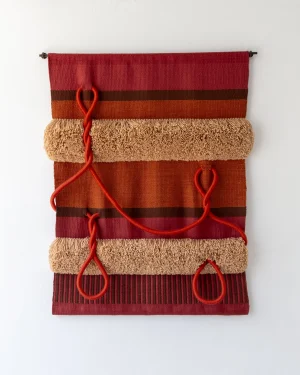

 Free shipping
 In stock
 Sold
Sold Free shipping
 In stock
 In stock
 Free shipping
 In stock
 Free shipping
 Free shipping
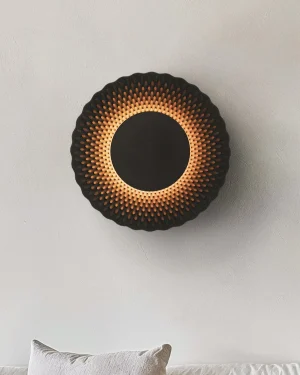 Free shipping
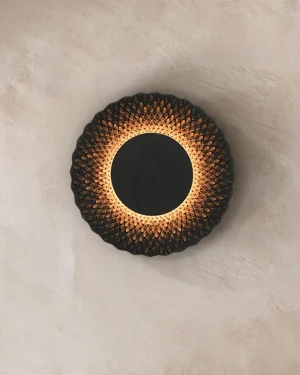 Free shipping