
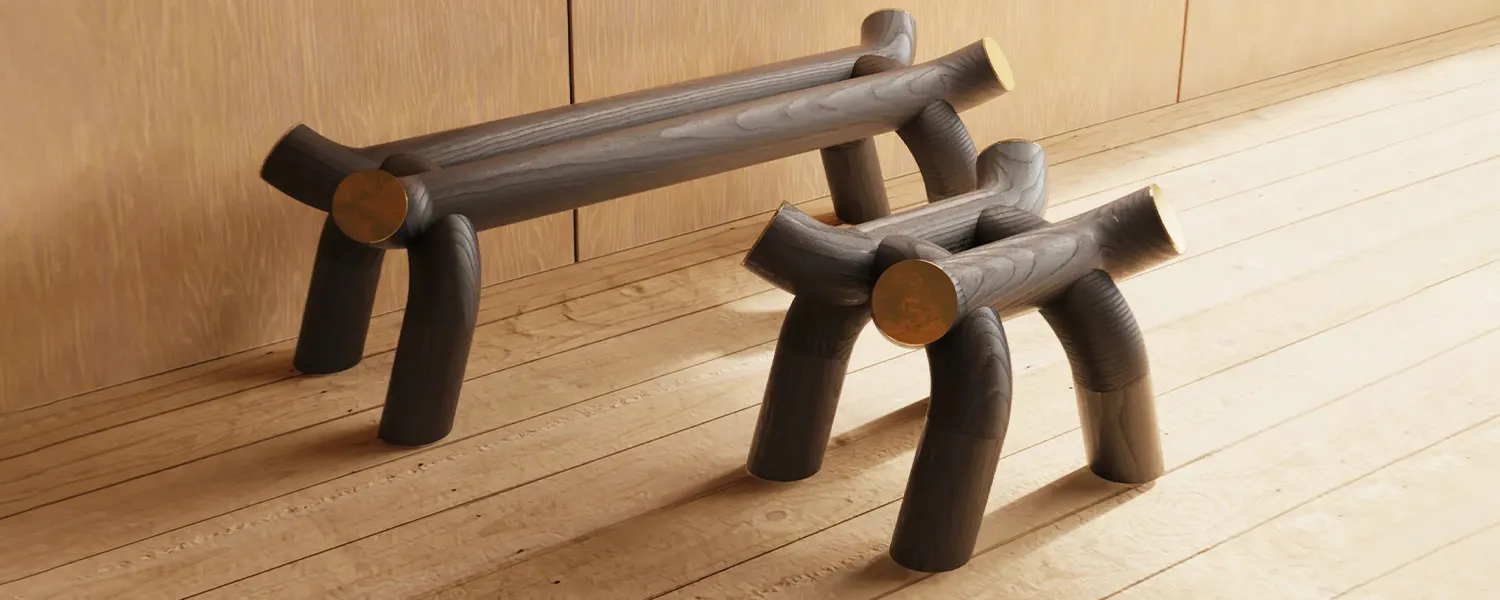
The Evergreen Appeal of Wood Seating

Wood seating holds a distinctive position within design history because seating itself plays a singular role in daily life, historically and now. Chairs, benches, and stools are the furniture forms built to receive the body directly. They define where someone sits, for how long, and with what degree of separation or proximity to others. Seating establishes placement within a room and within larger contexts as well.
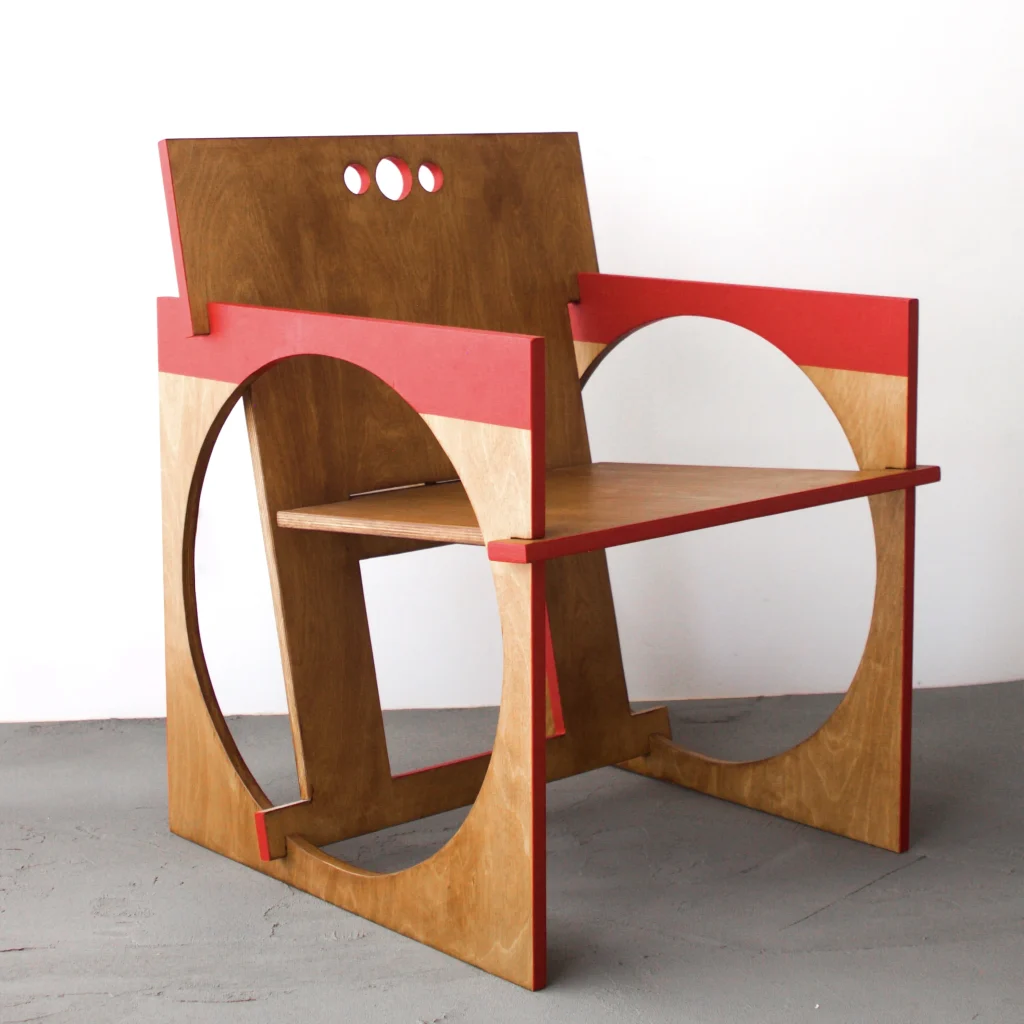
Across cultures, wood seating has carried meaning well beyond use. Scholars frequently point to chairs as markers of status, authority, and role, a logic that extends naturally to benches and stools in communal and working contexts. Language reflects this connection between seating and position. Terms such as chairperson, endowed chair, or throne describe responsibility and authority rather than physical comfort. In this way, seating made from wood assigns position within a broader setting, shaping how bodies occupy space and how power, gathering, or solitude are expressed.
Wood Chairs and Individual Space
This ability to assign position explains why seating occupies a different cultural role than other furniture. A chair does not simply support the body. It locates one person within a shared environment. In classrooms, workplaces, and public interiors, seating determines where someone belongs, who faces whom, and how long one is expected to remain. Even when several seats exist in the same room, each establishes a discrete point of occupation.
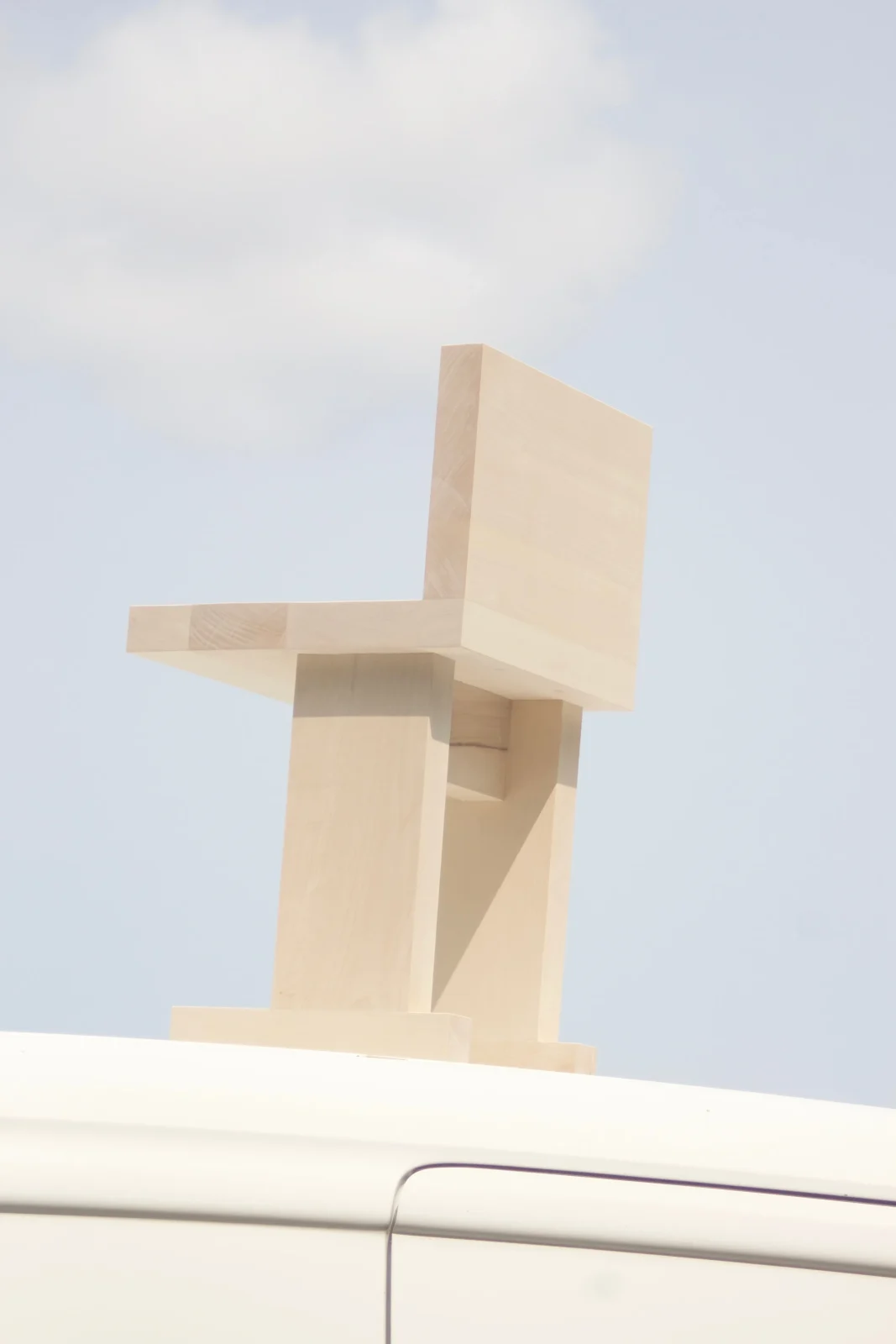
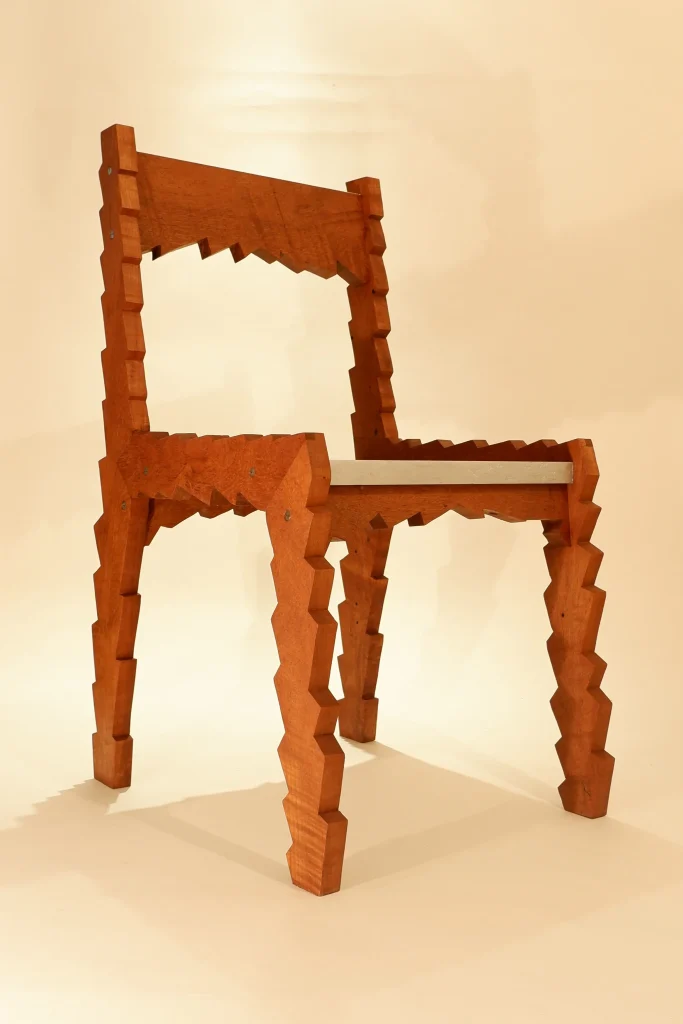
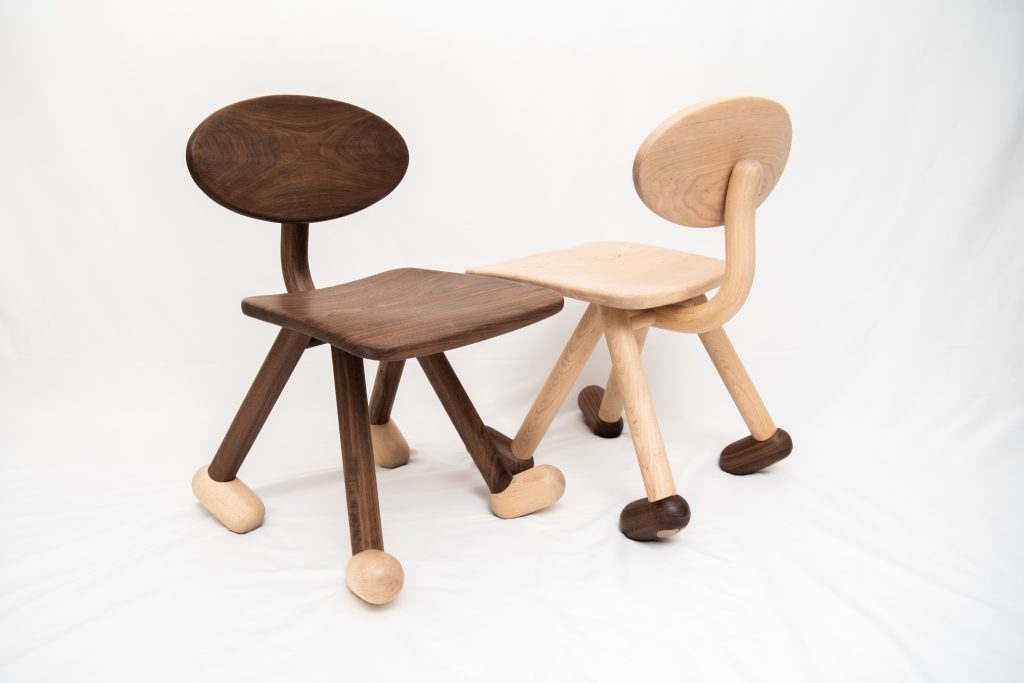
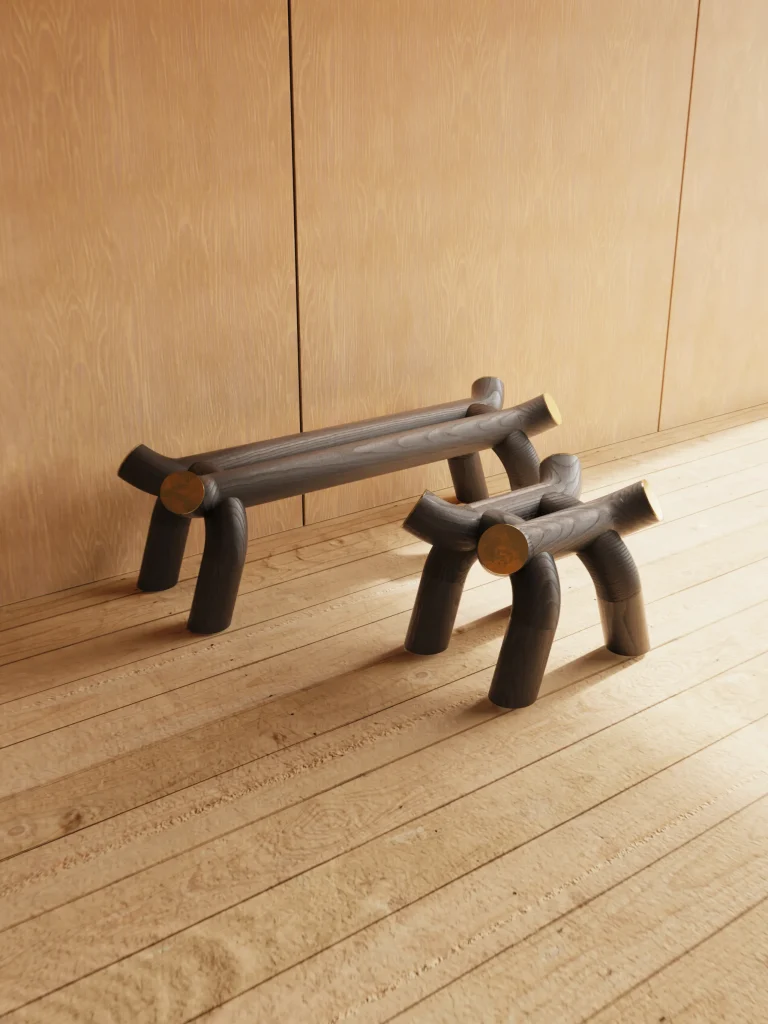
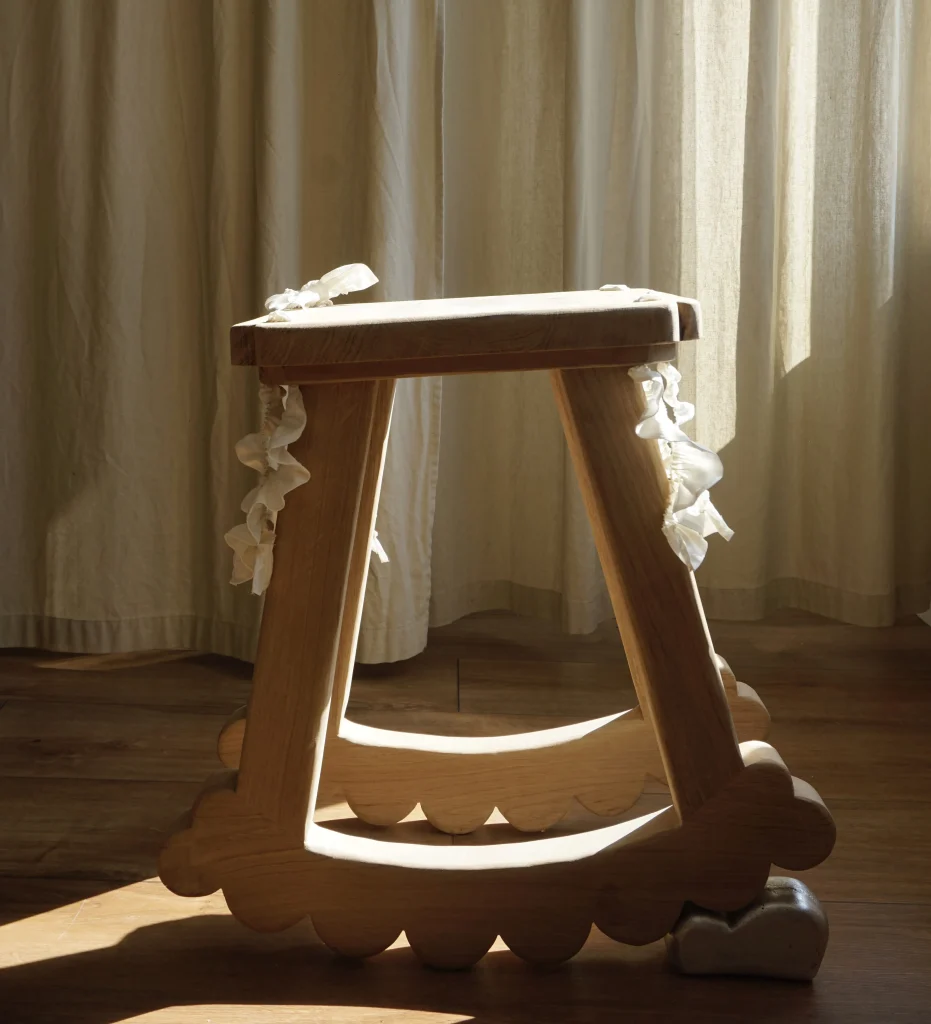
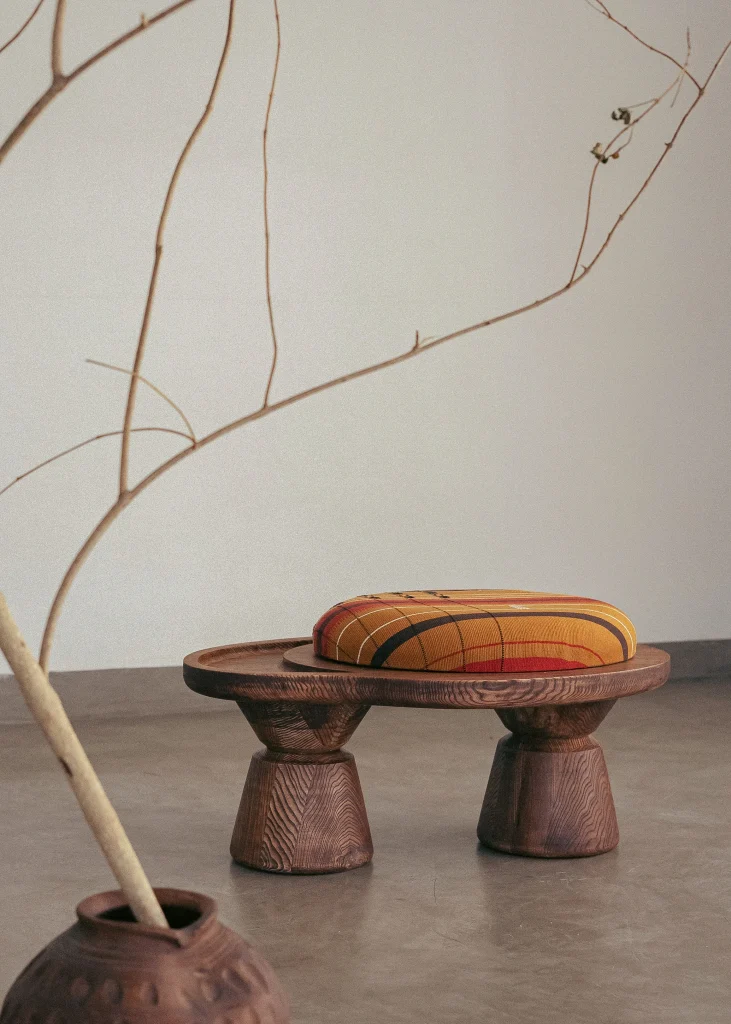
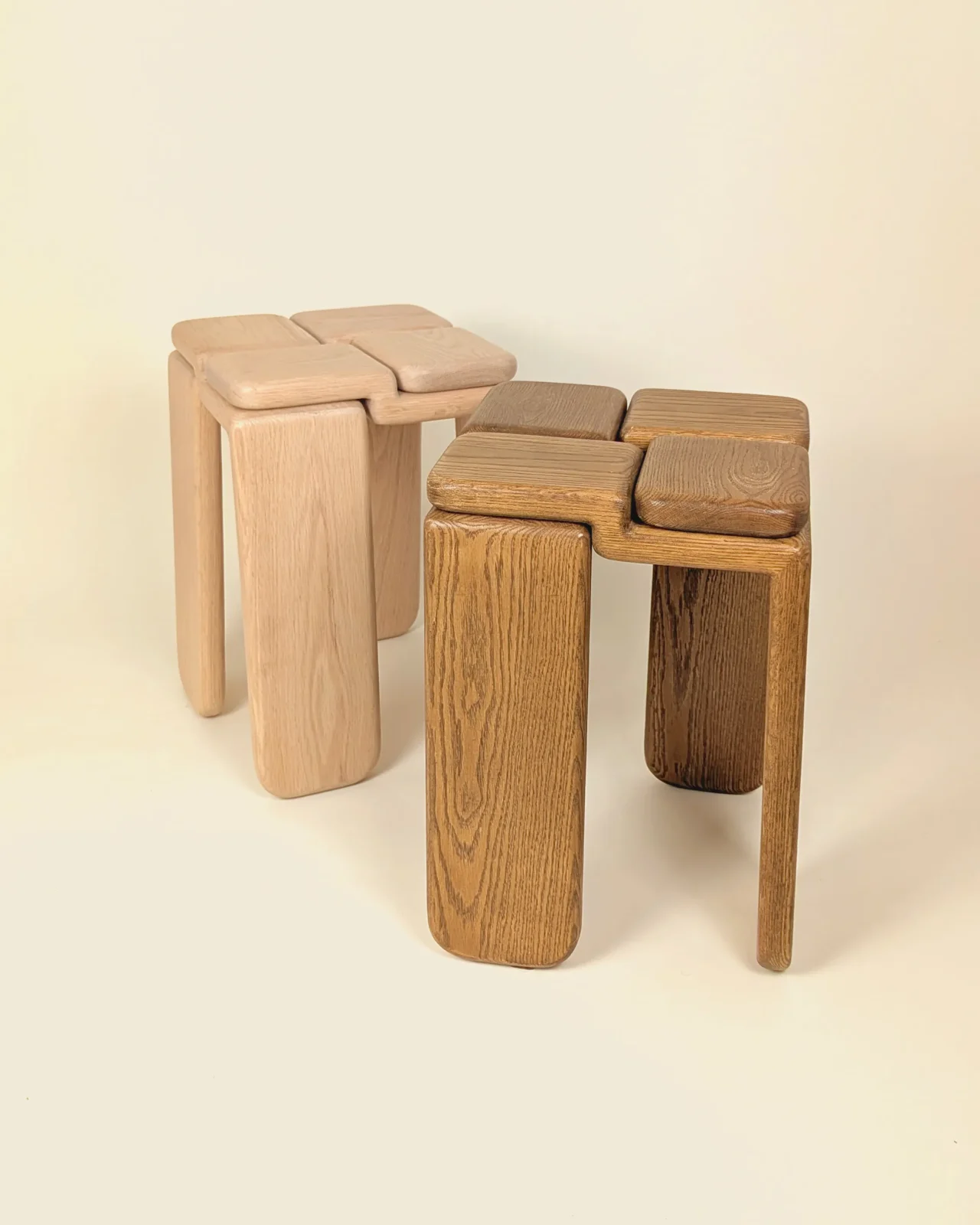
Wood benches and stools operate on the same principle while shifting its expression. A bench distributes position across multiple bodies, encouraging gathering, waiting, or simply collective presence. A stool reduces seating to its most elemental form, offering a temporary place to pause.
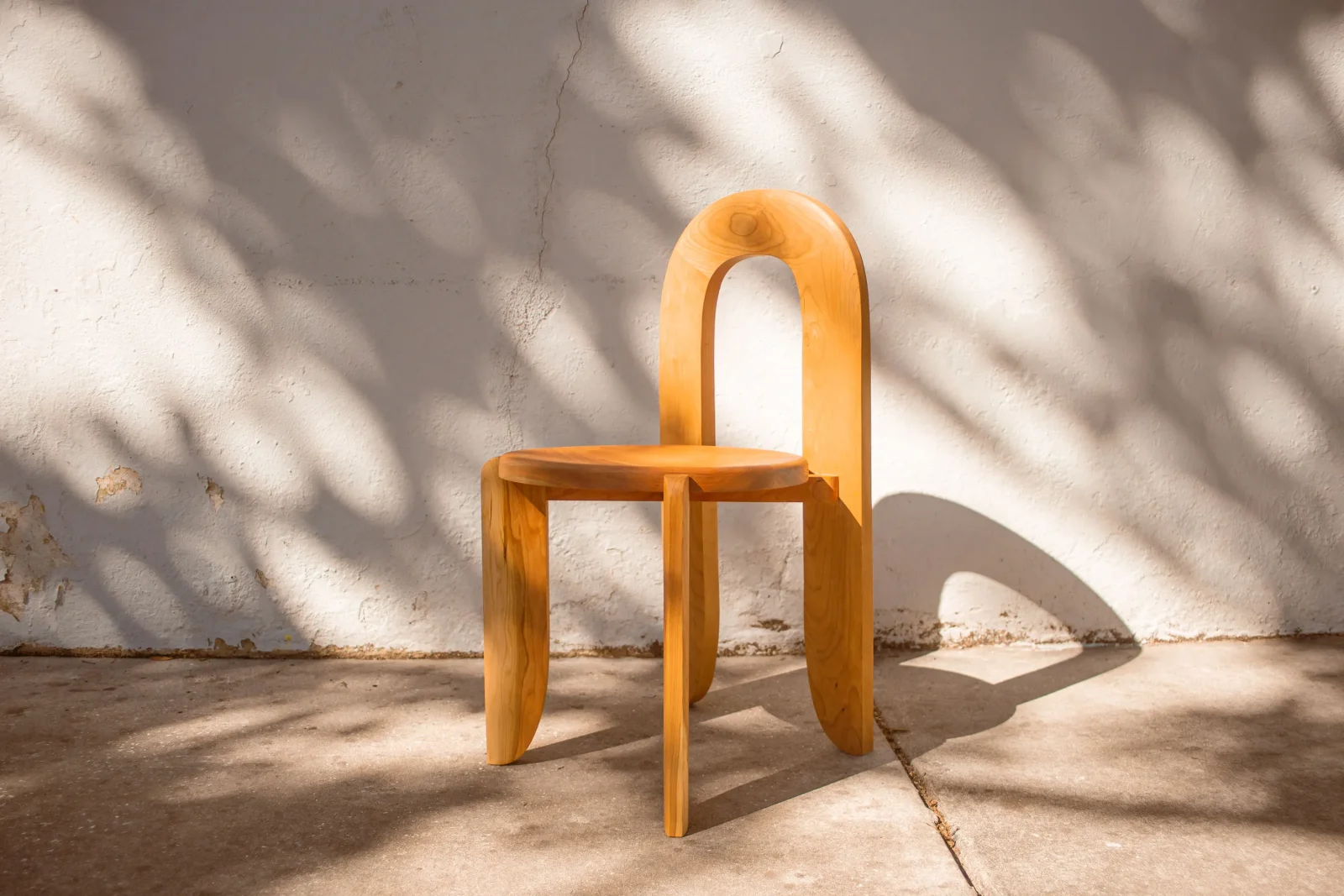
Wood Benches, Wood Stools, and the Material History of Seating
Wood has supported seating forms longer than almost any other material still in continuous use. Stone benches likely mark the earliest desire to lift the body from the ground, often no more complex than a shaped rock. Wood expanded this impulse. It allowed seating to become lighter, portable, and varied in form. Archaeological records trace wooden seating back to early civilizations, where finely crafted chairs appeared alongside precious metals and ornament, reserved for specific individuals. From very early on, wood seating balanced utility with symbolism.
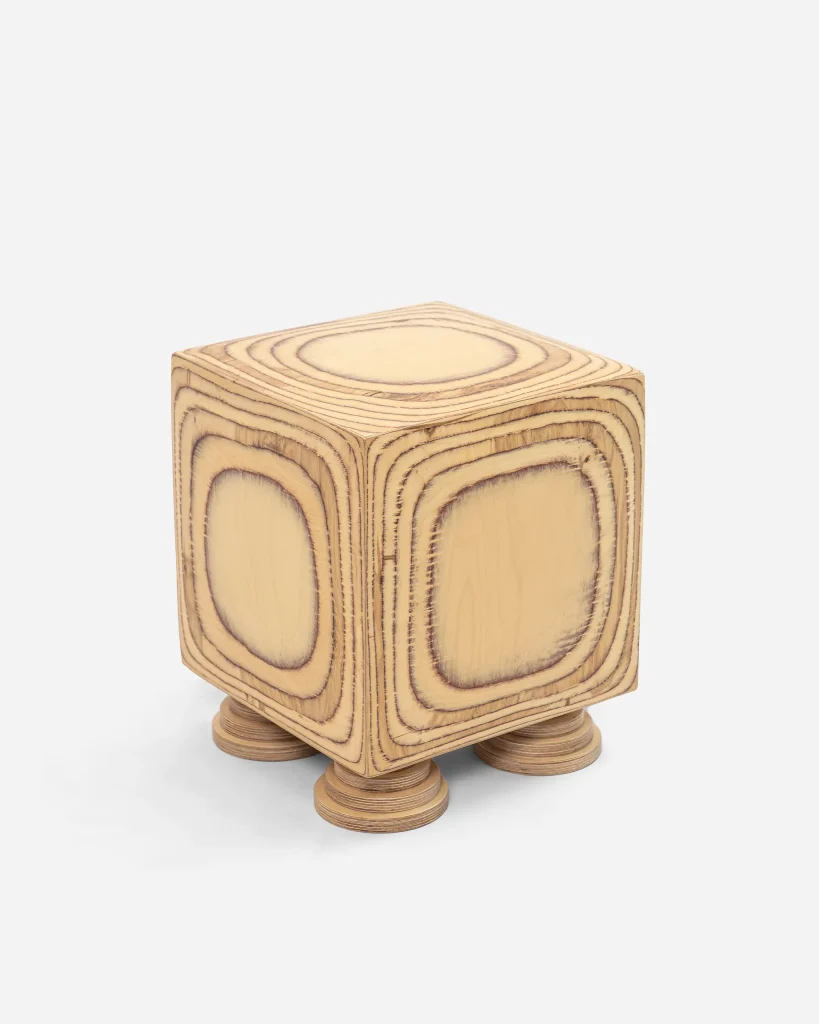
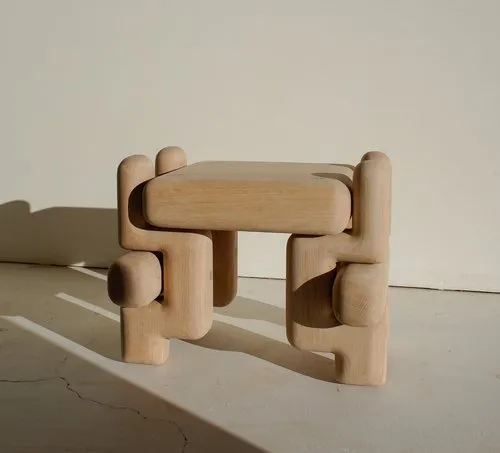
Despite centuries of variation, the underlying logic of seating has changed very little. A seat supports the body, legs transfer weight to the floor, and a backrest, when present, establishes a spatial boundary and comfort. Distinction emerges through proportion, construction, and surface treatment rather than radical reinvention.
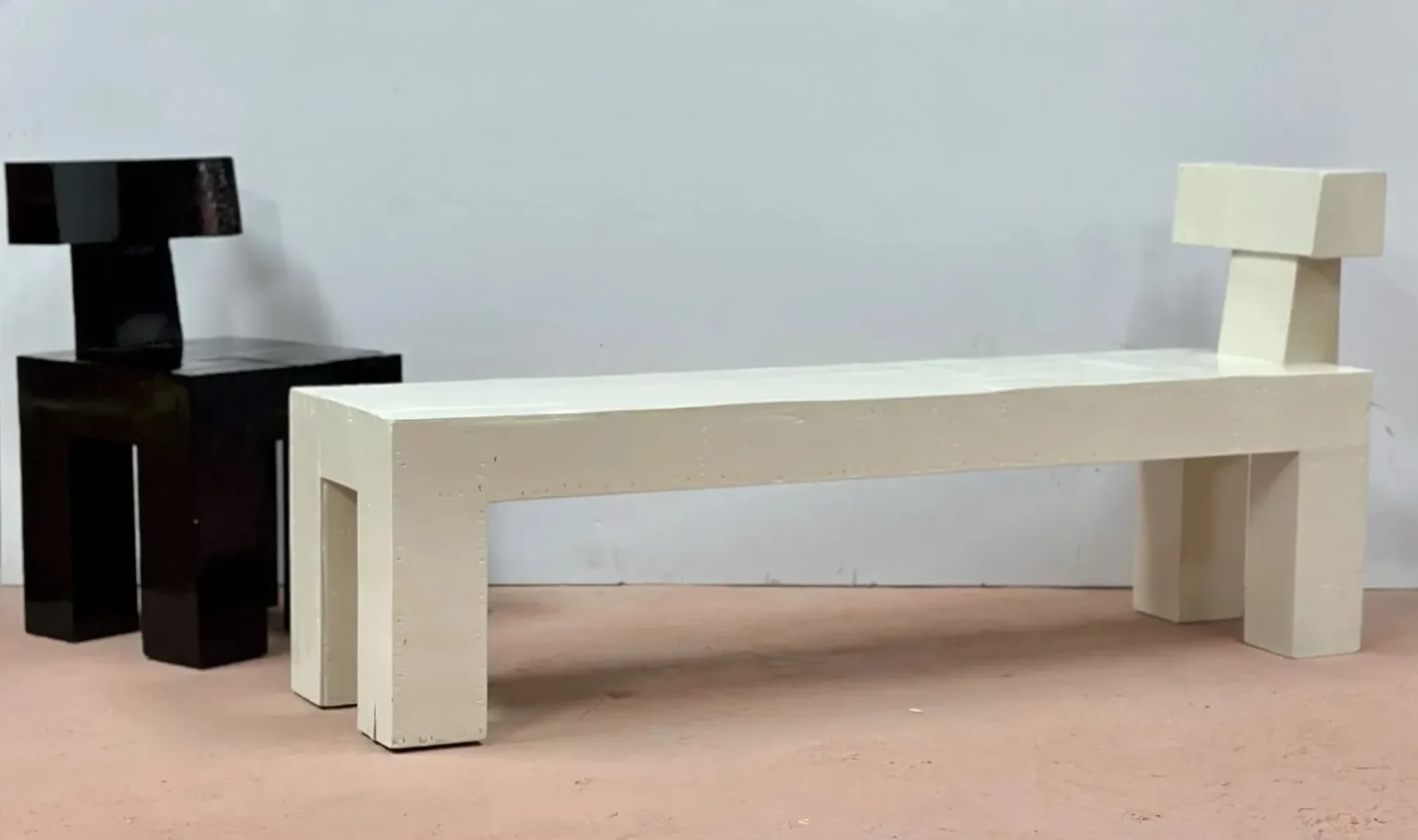
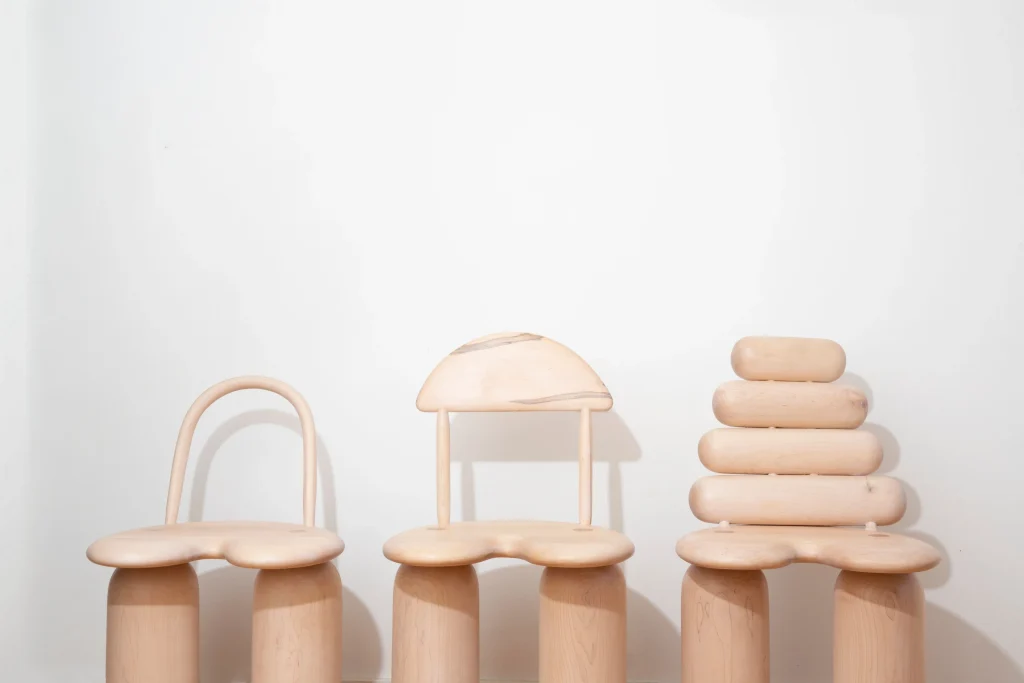
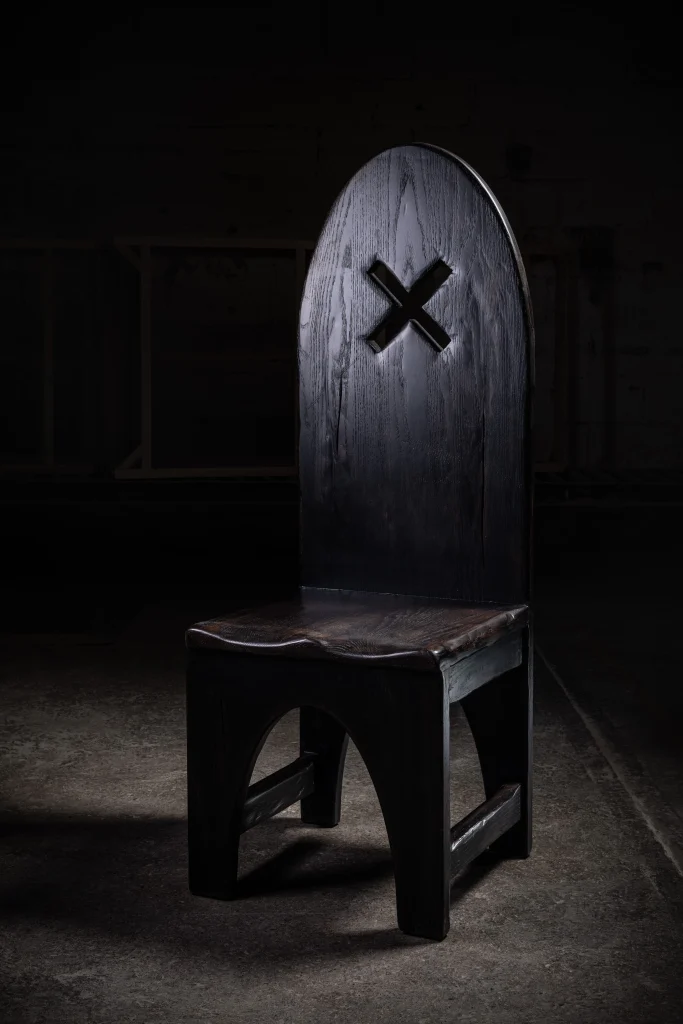
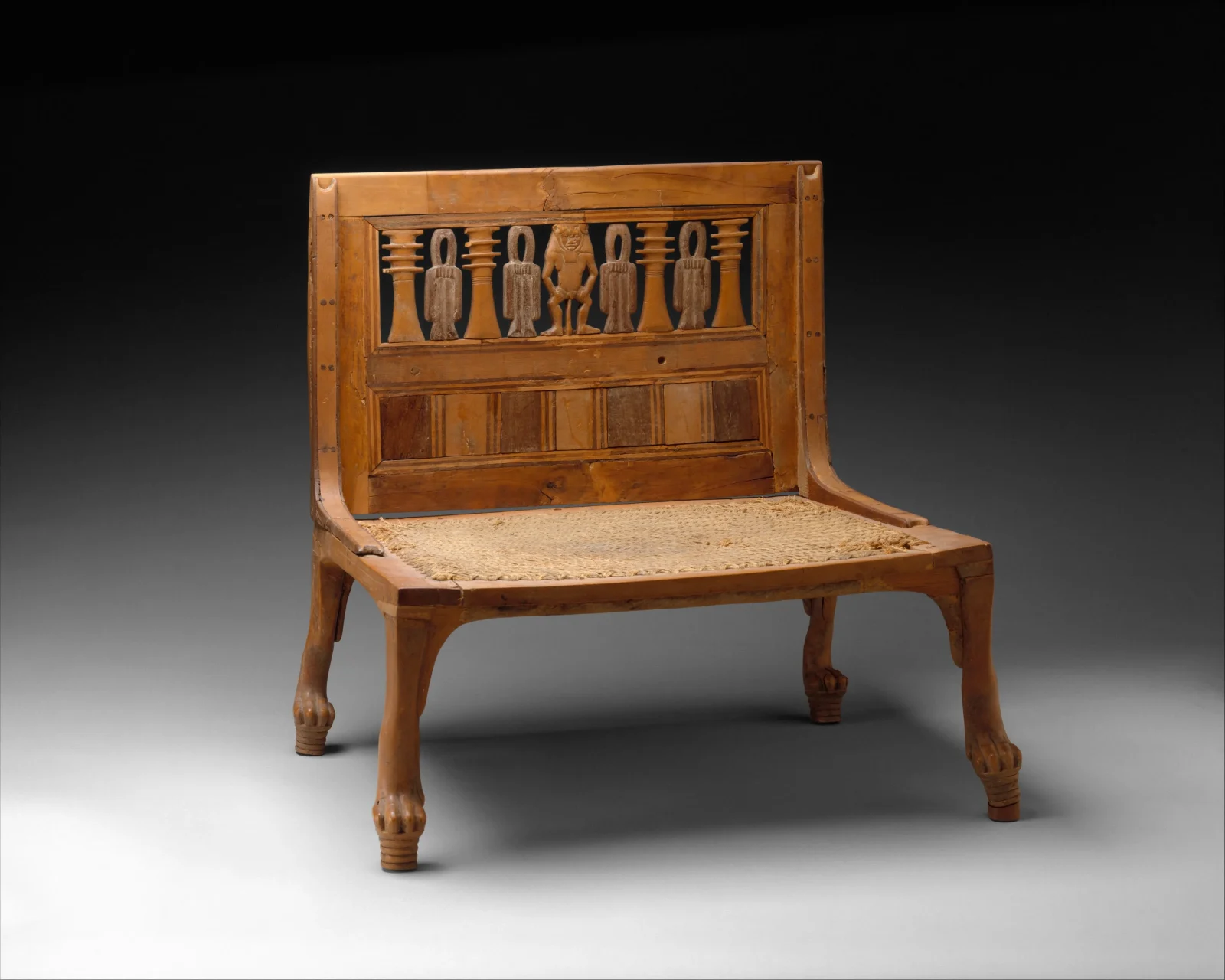
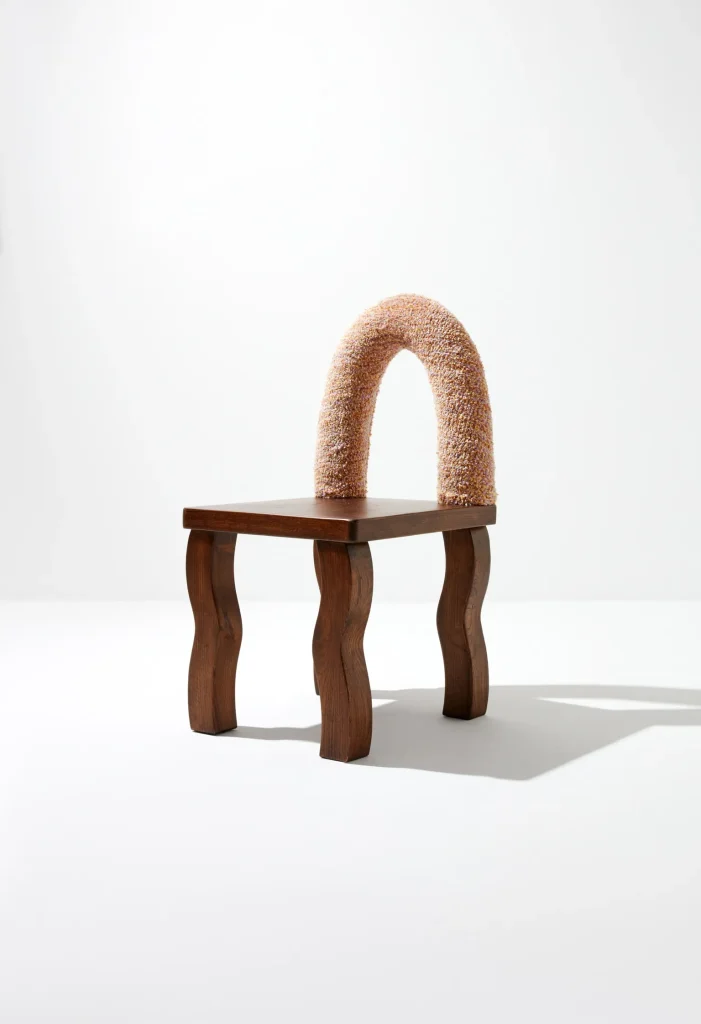
To illustrate this point, the two wooden chairs shown below come from very different moments. One dates to the fifteenth century. The other was designed last year. They look entirely different, yet each could plausibly belong to the other’s century (or close to it). The contemporary chair carries a medieval tone in its mass, restraint, and presence. The fifteenth century chair displays proportion and detail that continue to inform contemporary design. Wood allows both to exist within the same visual lineage without contradiction.
Why Wood Seating Looks Timeless
Wood makes the structure of seating visible while also remaining uniquely receptive to ornament. Grain direction, joinery, and surface treatment often align closely with how weight is carried, yet the same material allows for carving, relief, pattern, and detail without losing coherence. Across wooden chairs, benches, and stools, wood supports both clarity and expression. It accepts elaboration where cultural meaning or craft tradition calls for it, and it also performs more subtly when reduction feels appropriate. This versatility explains why carved thrones, spare benches, and unadorned stools share a common material lineage. Wood does not dictate a single aesthetic outcome, as it accommodates a wide range of visual languages while keeping structure legible and use central.
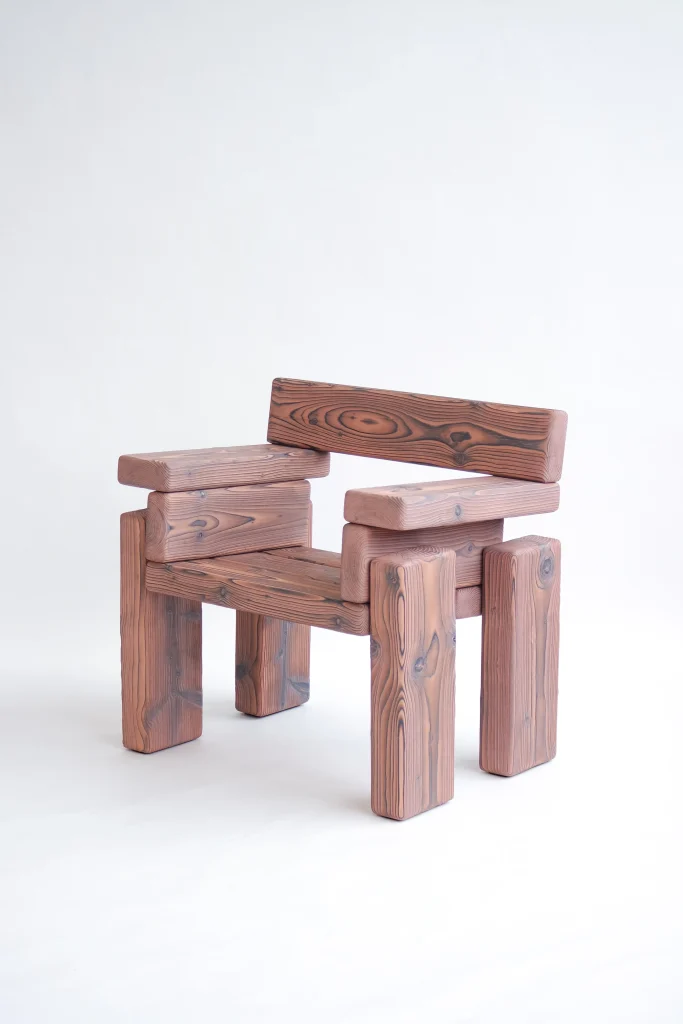
Designers have returned to wood repeatedly for this reason. Gaudí’s curving wooden chairs translate architectural ideas into seating through fluid form and surface. Charles and Ray Eames approached wood through experimentation, using molded plywood to develop chairs that felt intimate while embracing industrial production. Their iconic Lounge Chair, developed through repeated trials, emerged as both a luxury object and a study in material logic. More than seventy years later, it still reads as both modern and classic, a balance few materials manage as convincingly as wood.
Contemporary Wood Seating
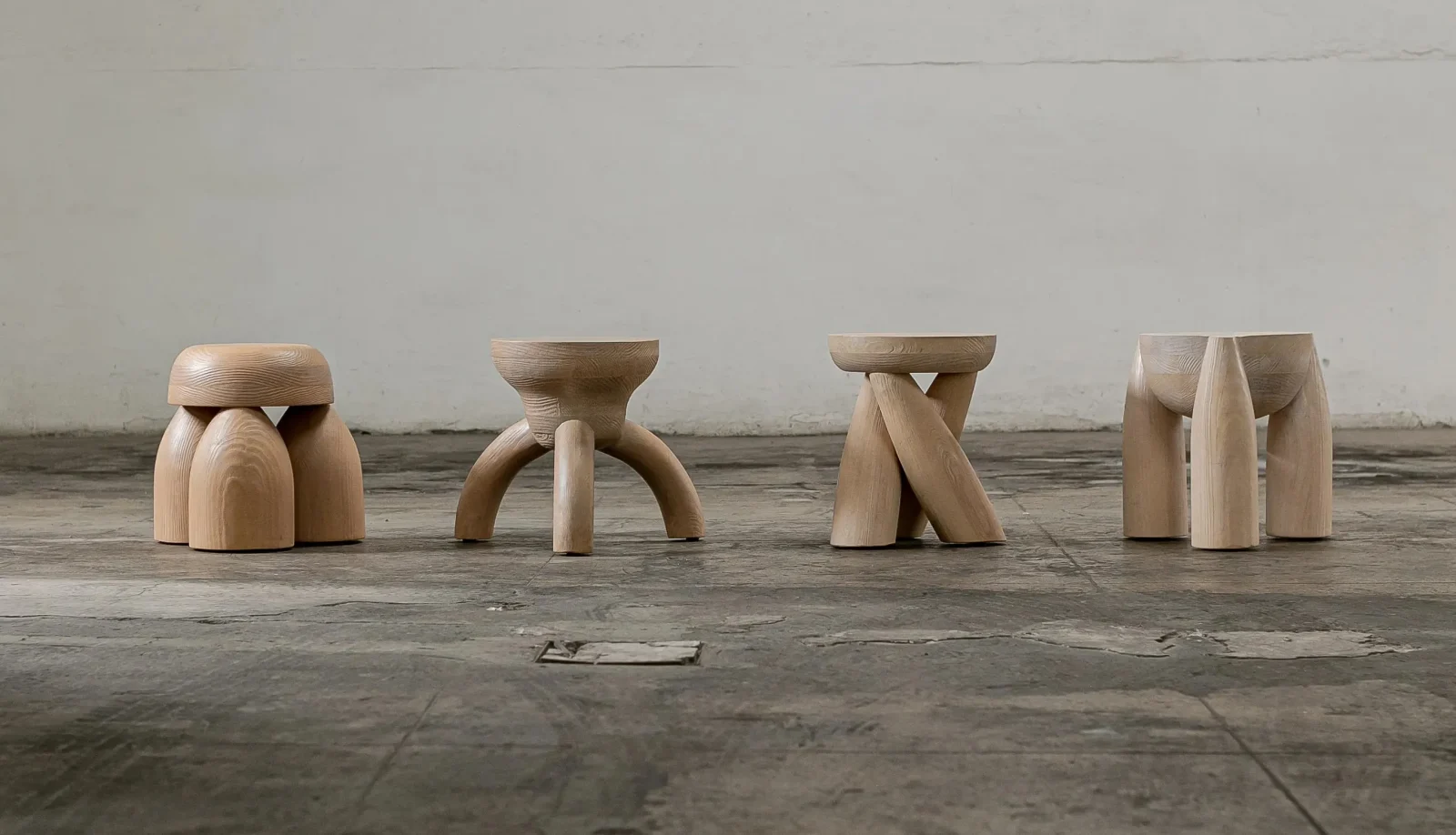
Across chairs, benches, and stools, wood seating continues to occupy contemporary interiors because it has never depended on novelty for relevance. Its forms change slowly, shaped by small adjustments in proportion, construction, and surface treatment rather than replacement. What evolves does so through careful calibration, allowing recognizable outlines to remain intact even as techniques and contexts shift. This persistence is deliberate. Wood seating exists at the intersection of body, space, and culture, assigning position without spectacle and supporting gathering without prescribing behavior. It accommodates ornament and restraint, authority and everyday use, within the same material language. Rather than relying on rupture, wood seating offers a more durable model, one in which continuity absorbs change while remaining grounded in use.