
Environmental Wellness & Design for Doing Less

Environmental wellness has started to surface as a response to years of optimization culture, constant productivity, and the idea that our homes should perform as efficiently as we do. After a period defined by metrics, screens, and acceleration, many people are reassessing how their environments affect their mental state, energy levels, and sense of self. Environmental wellness shifts the focus away from output and toward presence. It asks how spaces support rest, reflection, and unstructured time, and how the objects we live with shape our daily experience.
This change does not point toward a single aesthetic or a prescribed way of living. Environmental wellness is not minimalism by default, nor does it demand restraint for its own sake. For some, it may look like reduced visual noise and fewer objects. For others, it means surrounding themselves with pieces that feel expressive and emotionally resonant. The common thread is intention. Furniture and decor are chosen for how they make a space feel to inhabit, not how efficiently they fill it.
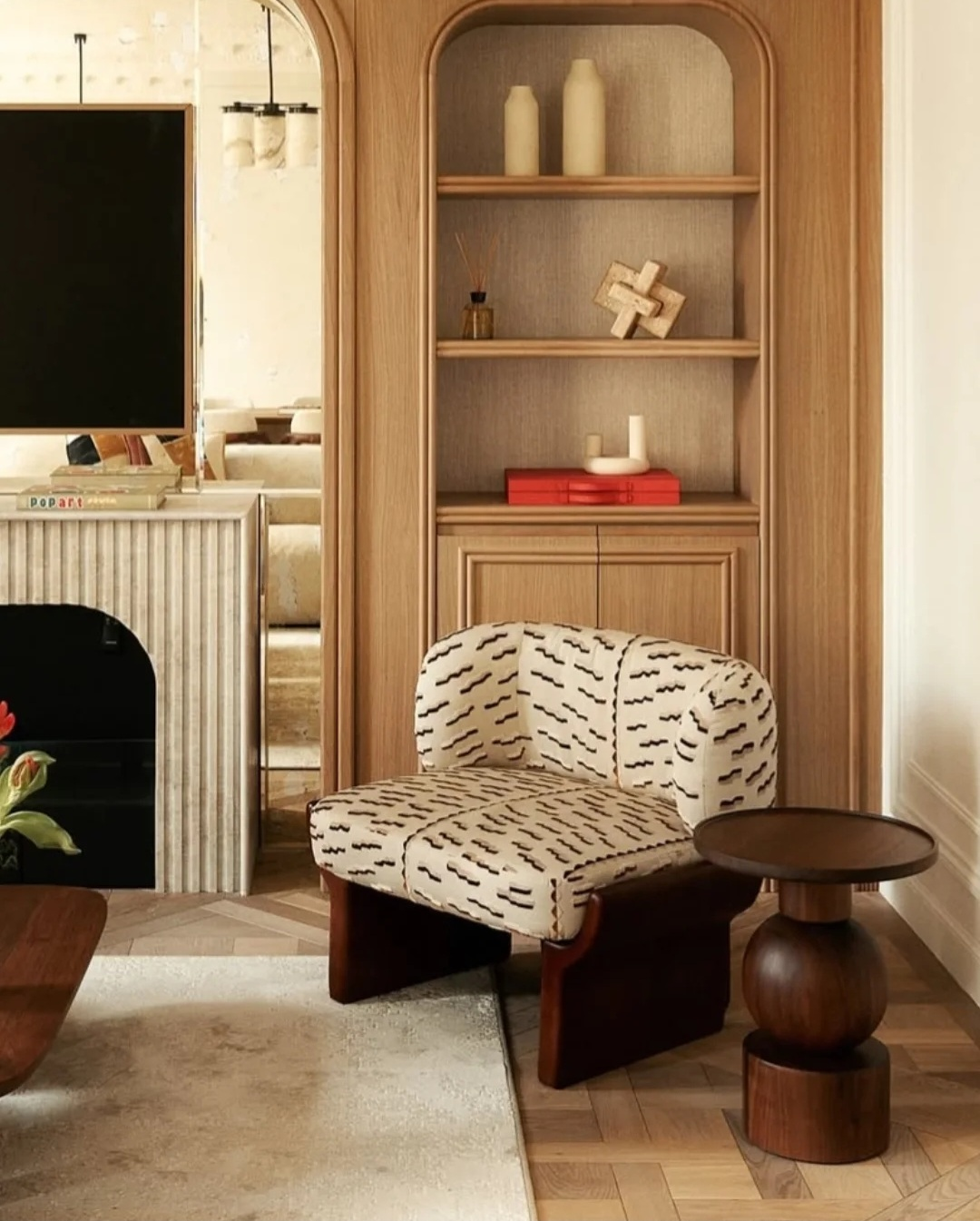
Furniture, lighting, and decor play a central role in this recalibration. These objects shape how we sit, rest, gather, and move through our homes. When chosen with care, design becomes less about visual output and more about lived experience, creating environments that support presence rather than pressure. This editorial looks at environmental wellness through the lens of intentional design, focusing on pieces that encourage slower rhythms, personal expression, and a stronger sense of belonging within the home.
Environmental Wellness at Arm’s Reach
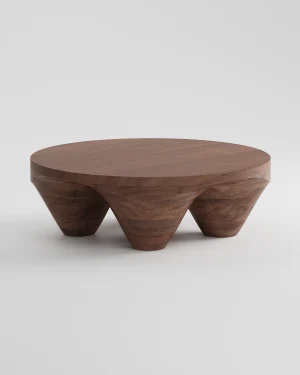
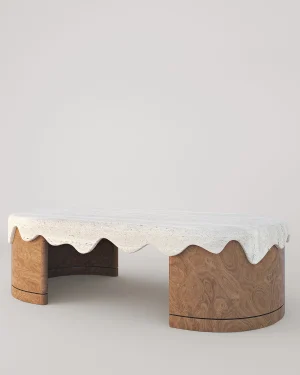
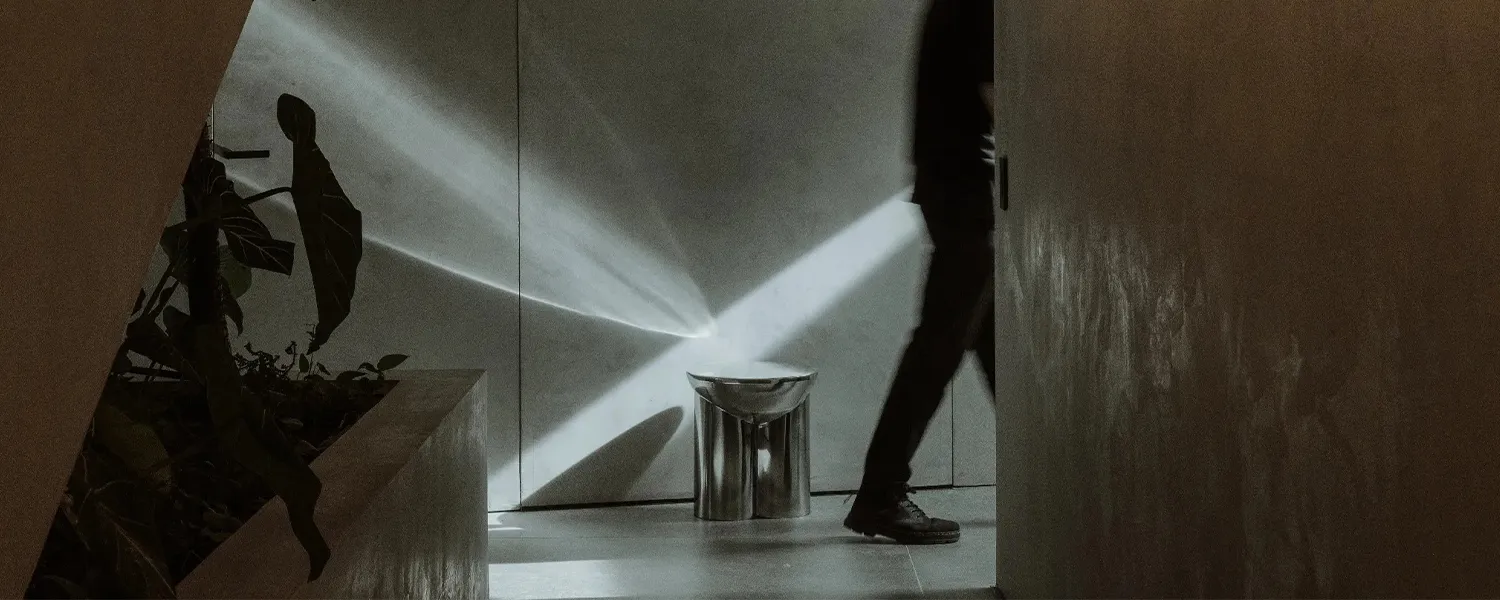
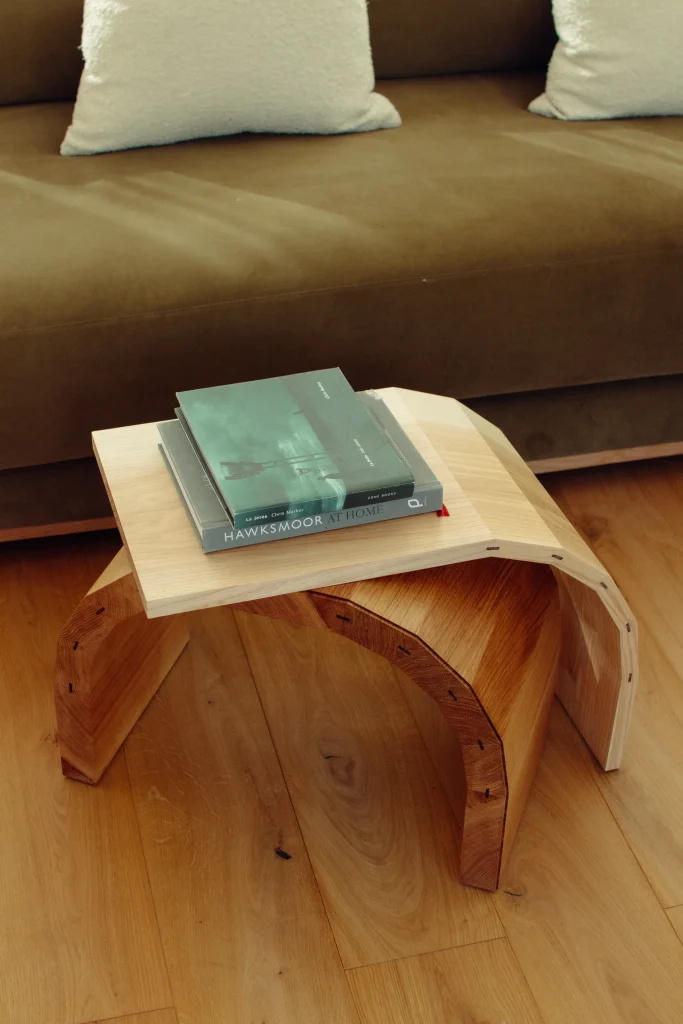
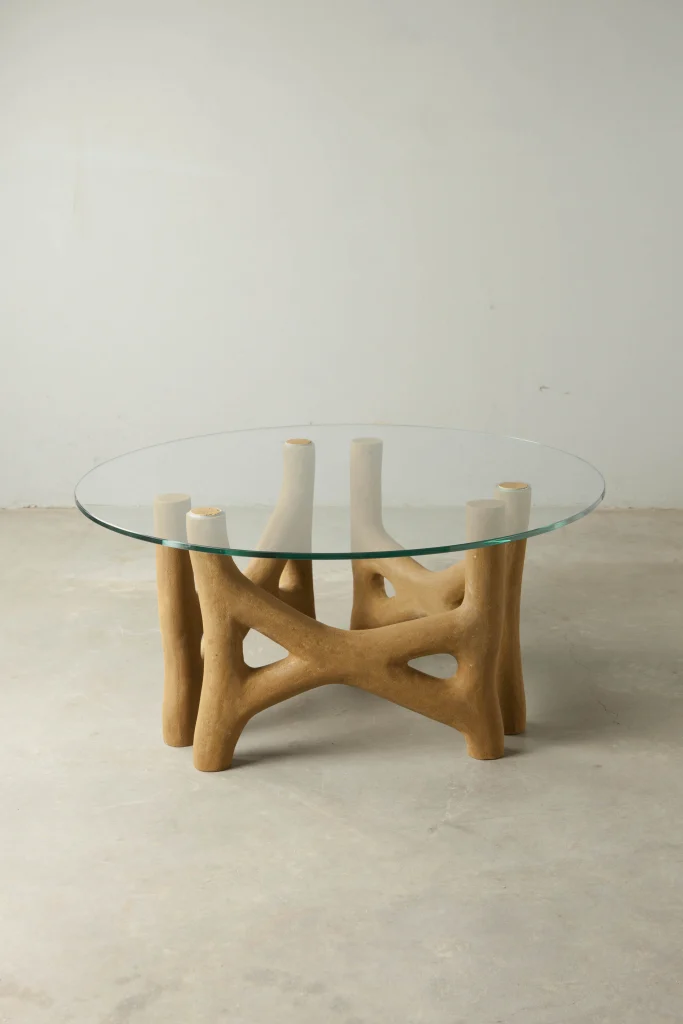
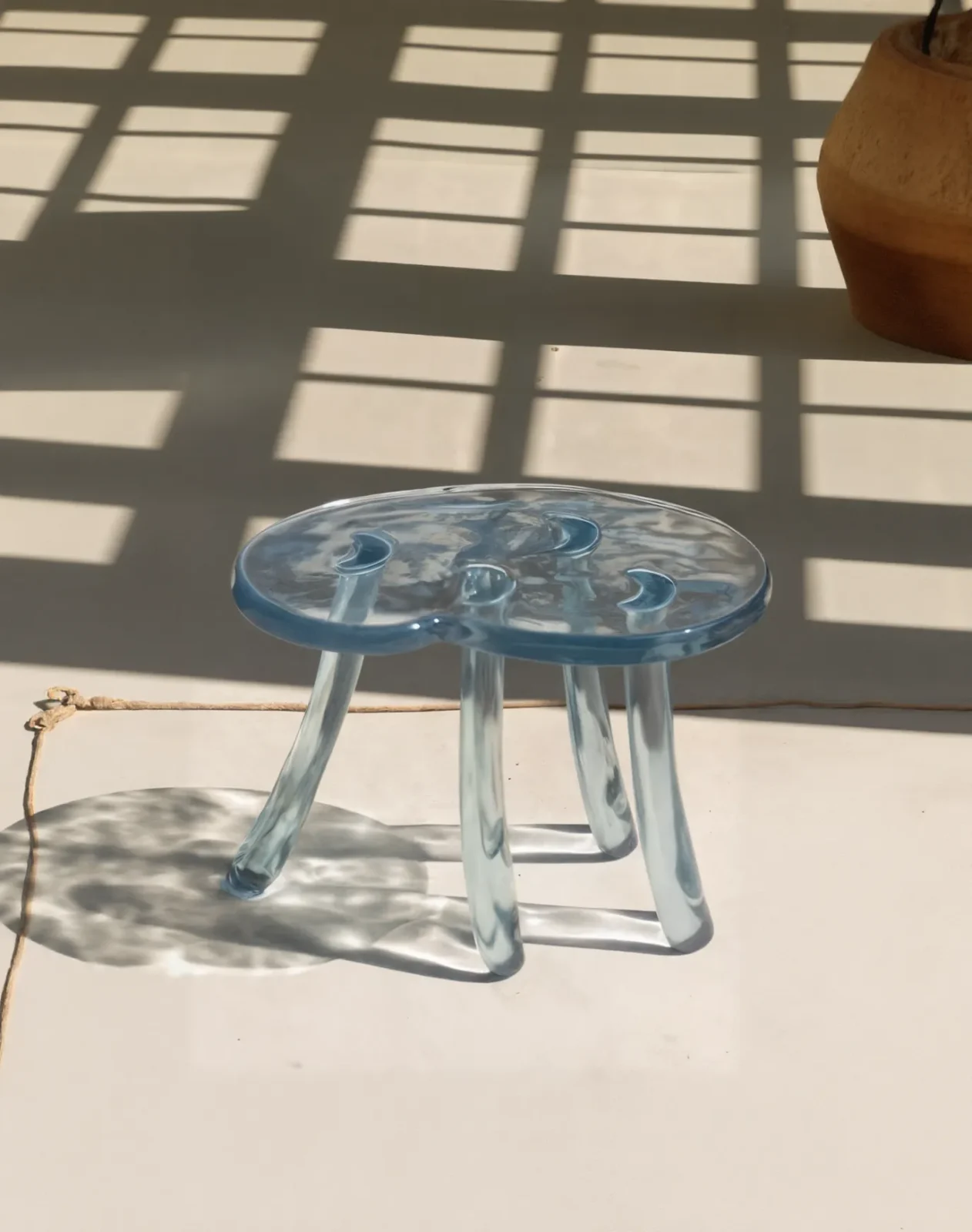
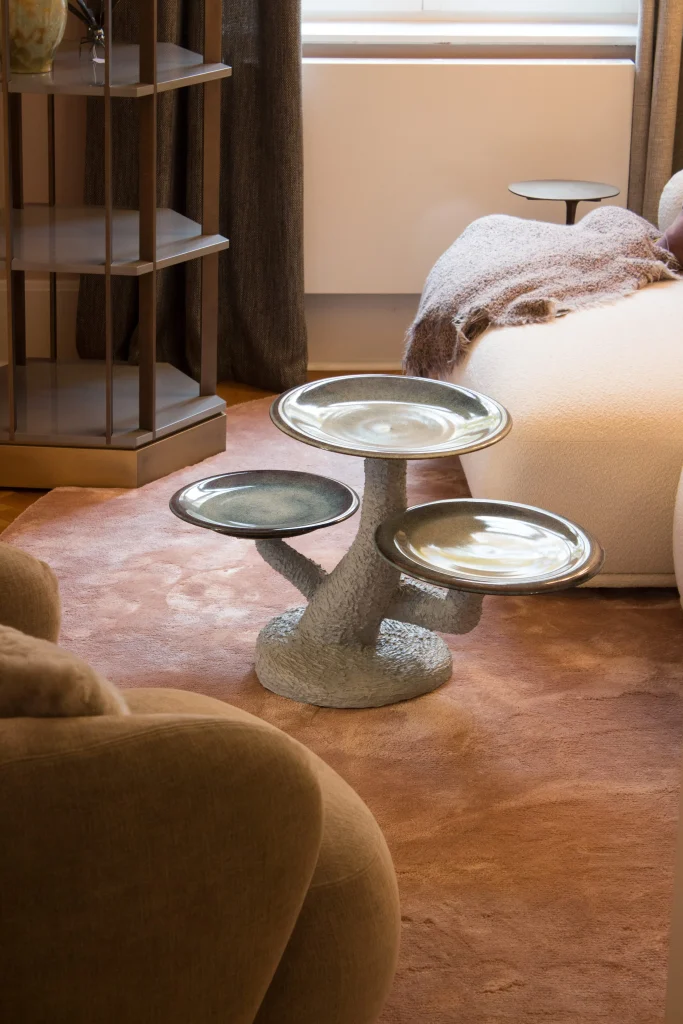
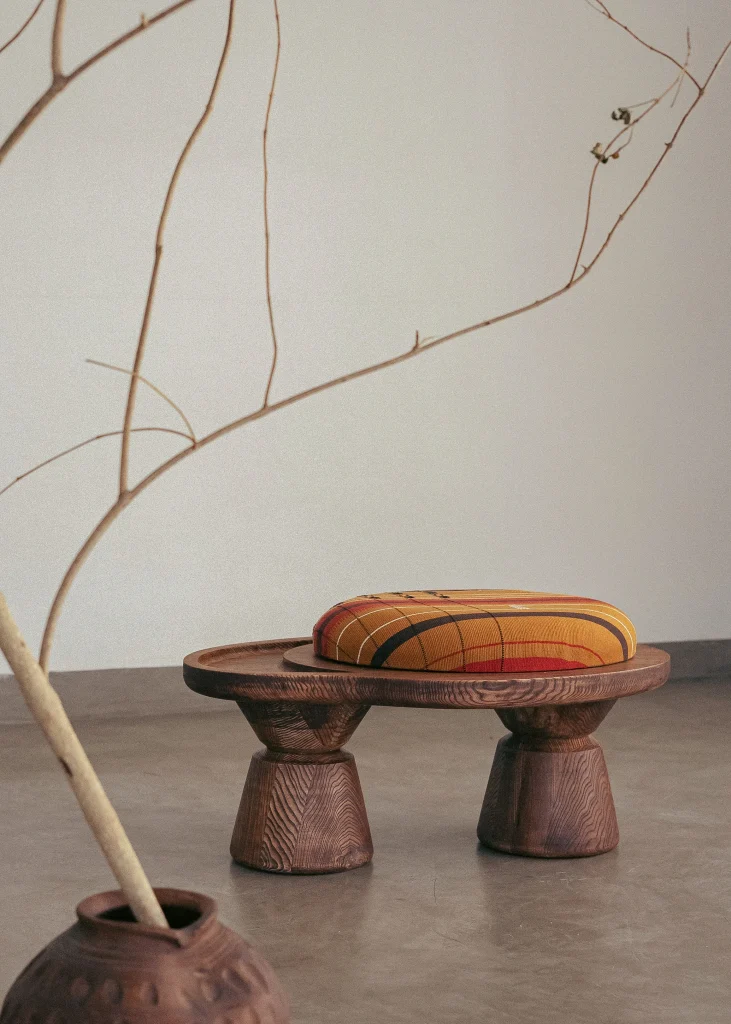
Side tables and coffee tables act as anchors for rest. They hold books, drinks, objects of affection, and unfinished moments. In wellness-focused interiors, these surfaces support rituals without pressure, reading, writing, sharing, or simply pausing. Their presence reinforces the idea that not every surface needs to serve productivity.
Seating and Rest as a Design Choice
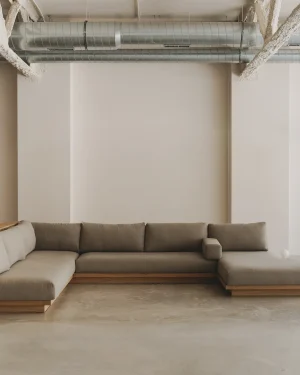
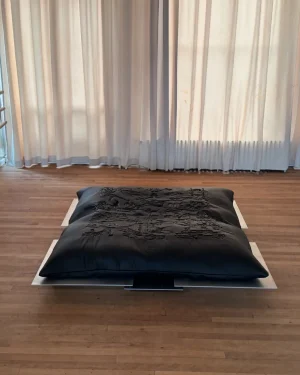
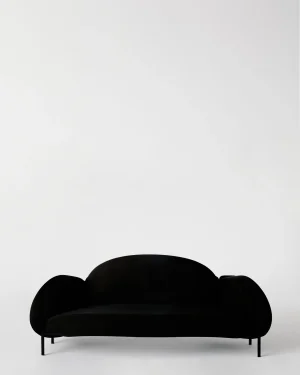
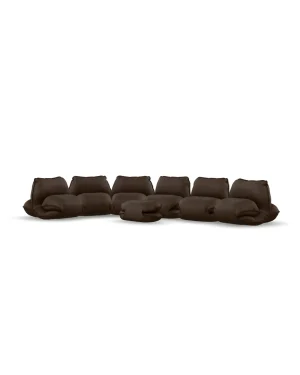
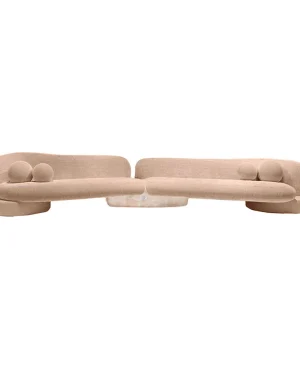
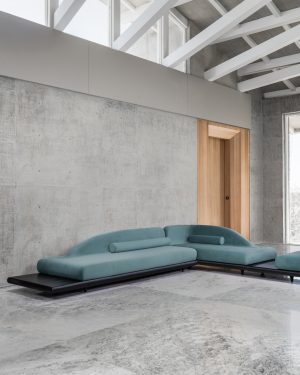
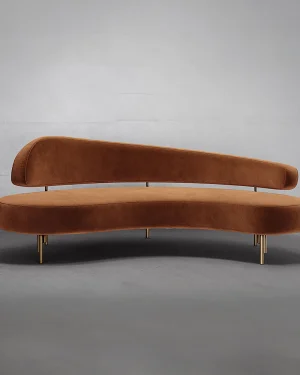
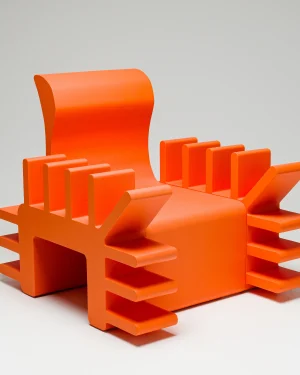
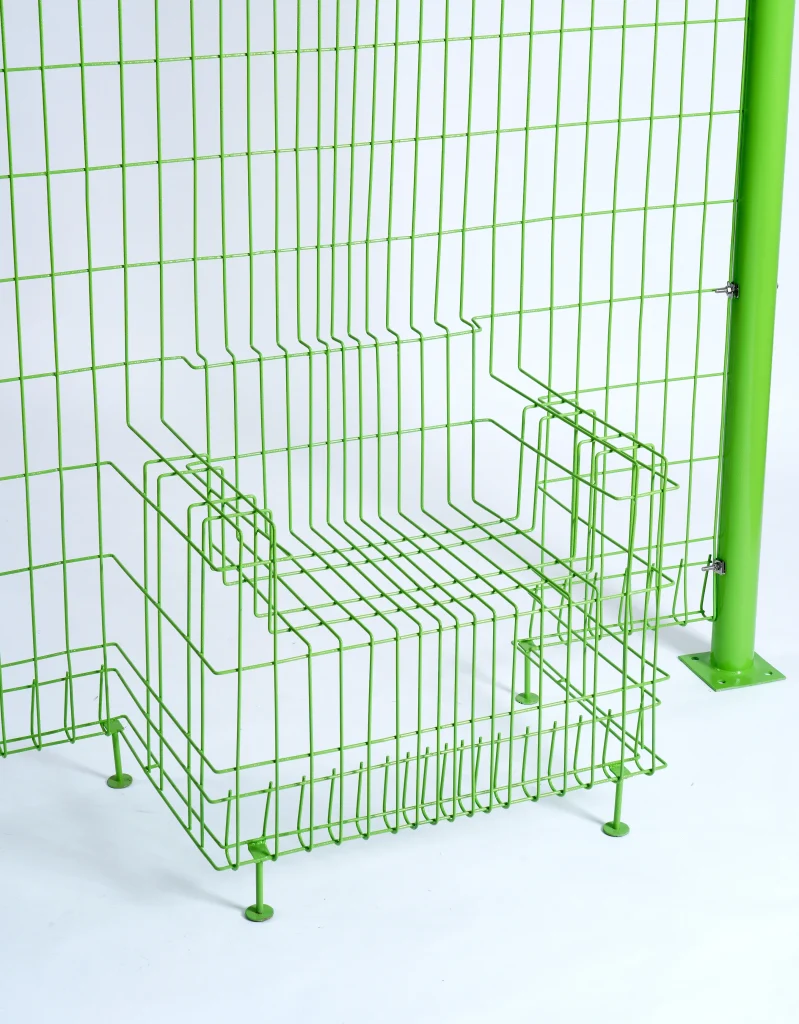
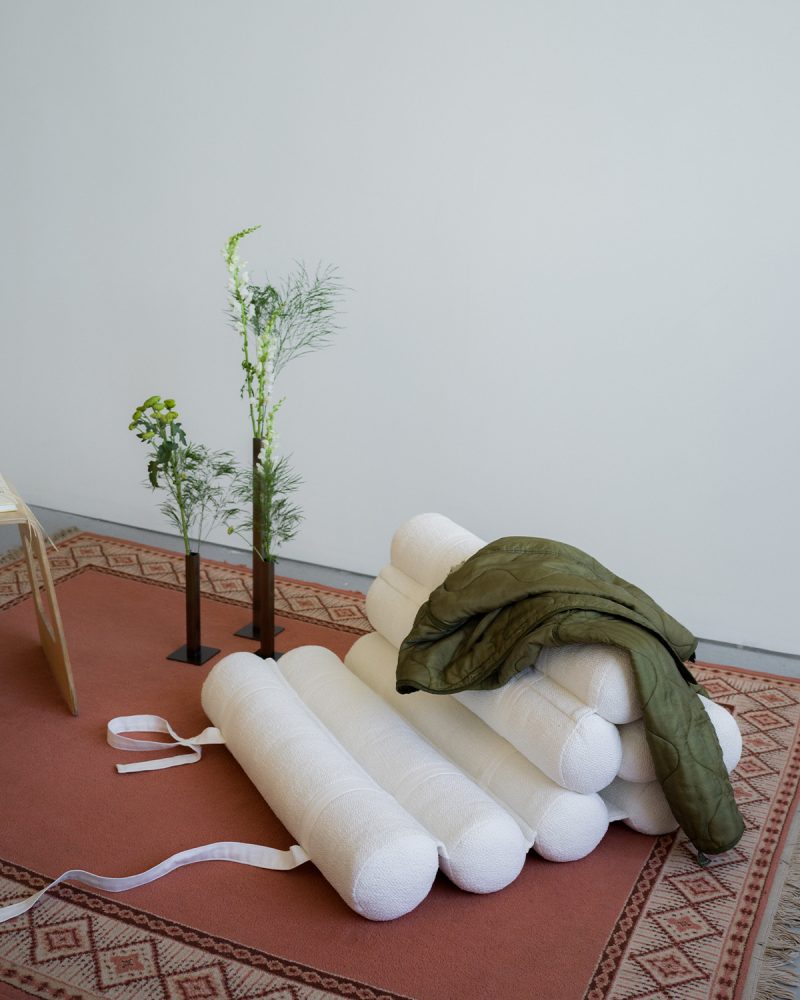
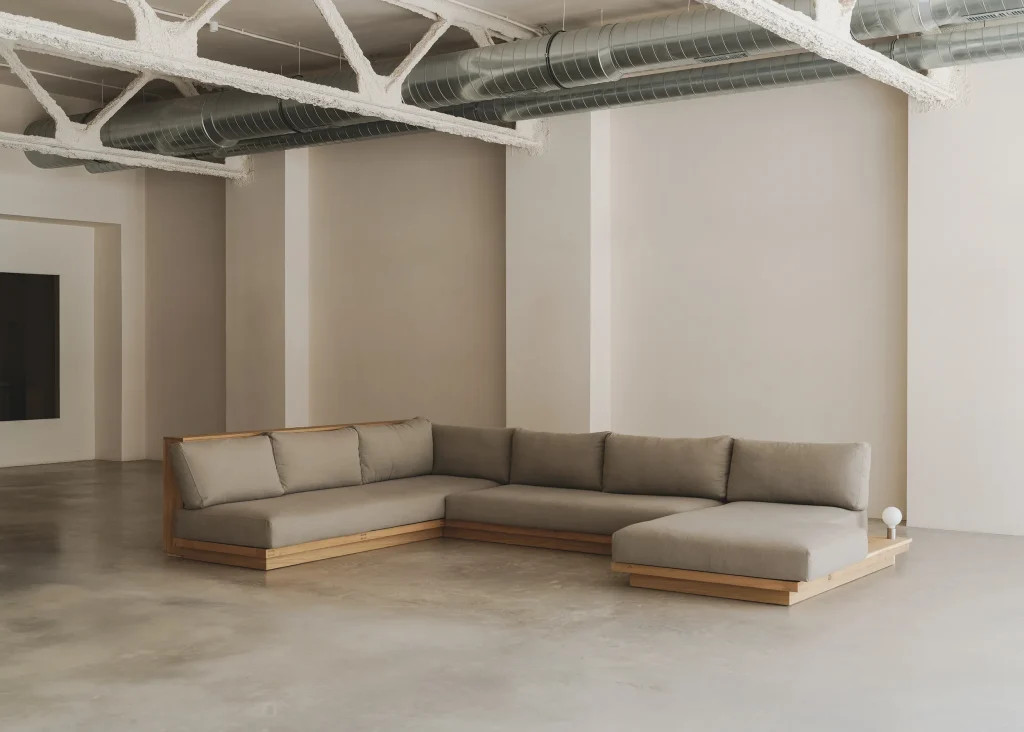
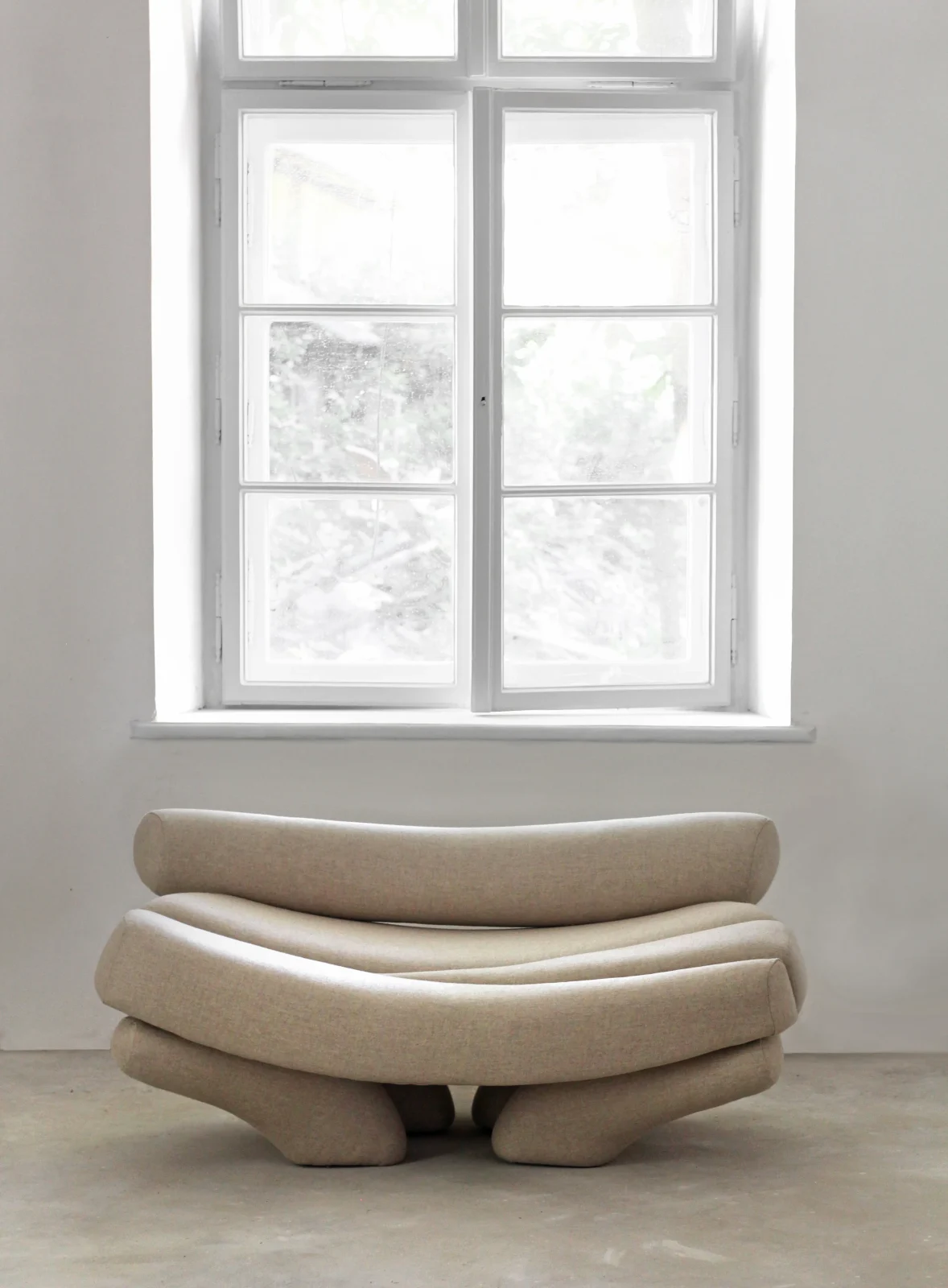
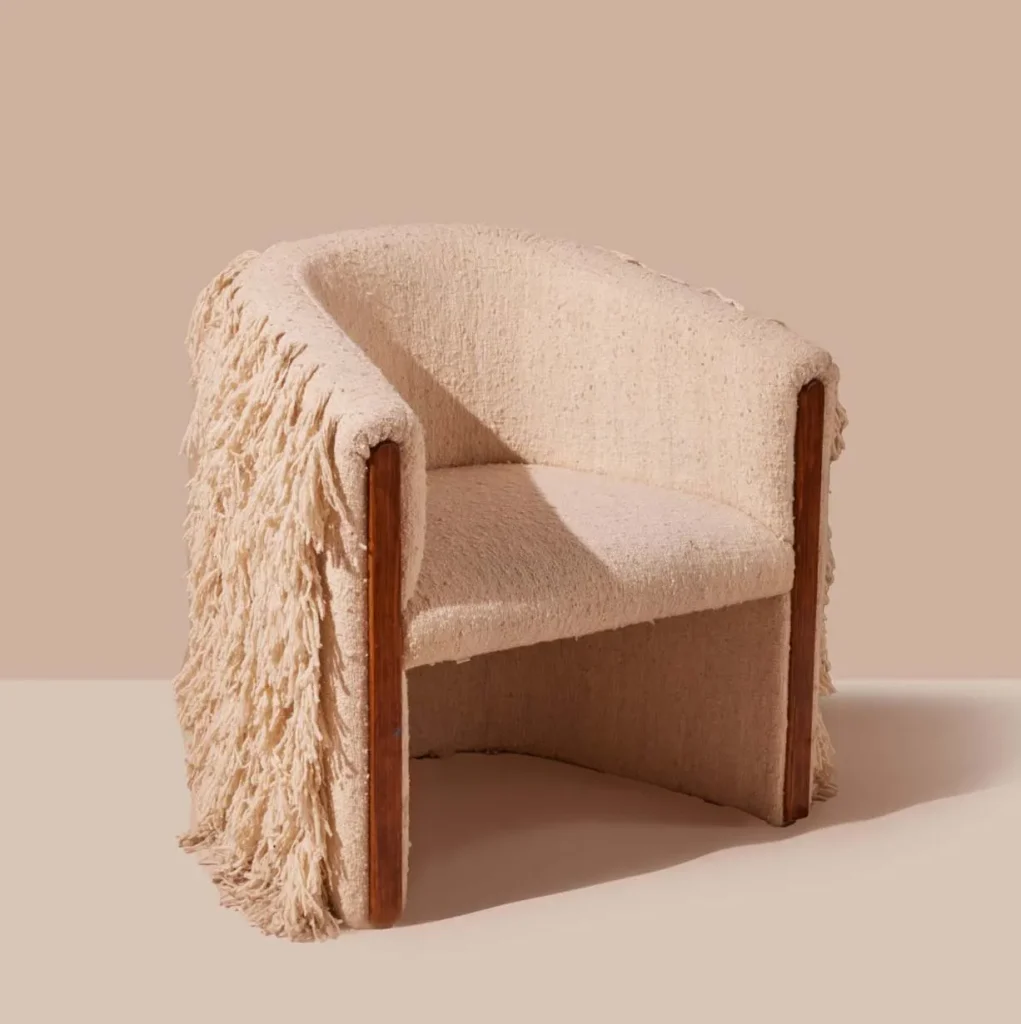
Wellness-oriented seating prioritizes pause over posture correction. Reading chairs, lounge chairs, and low seating invite longer stays without signaling productivity. These pieces support stillness, conversation, or drifting attention rather than task completion. The goal is not ergonomic perfection, but comfort that encourages lingering, daydreaming, and presence.
Soft Light, Slower Evenings
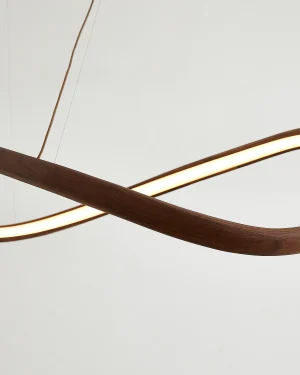
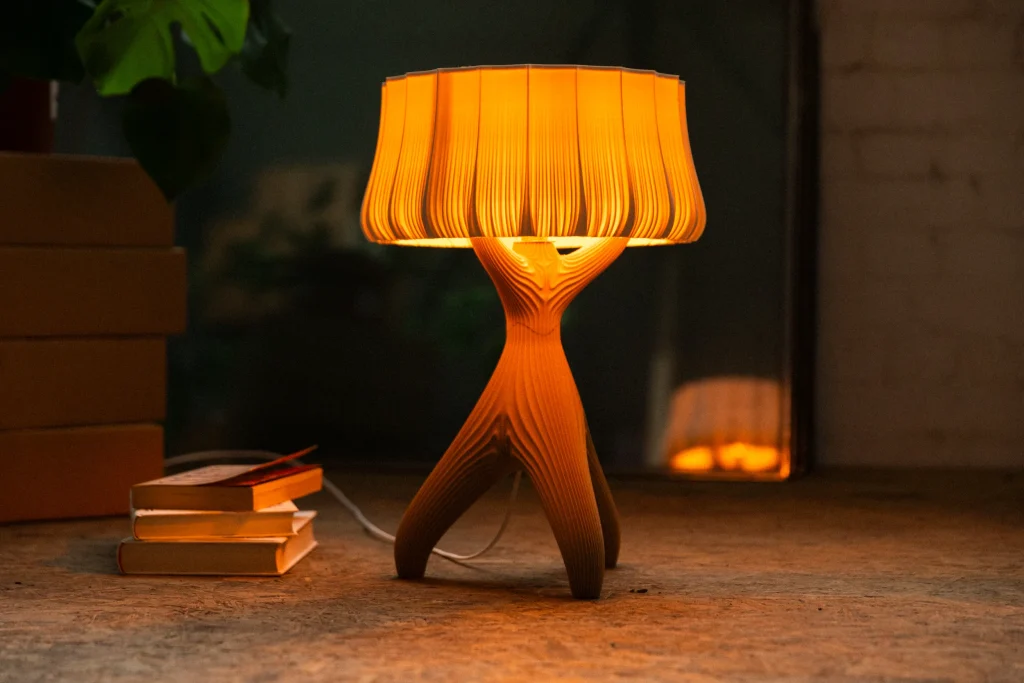
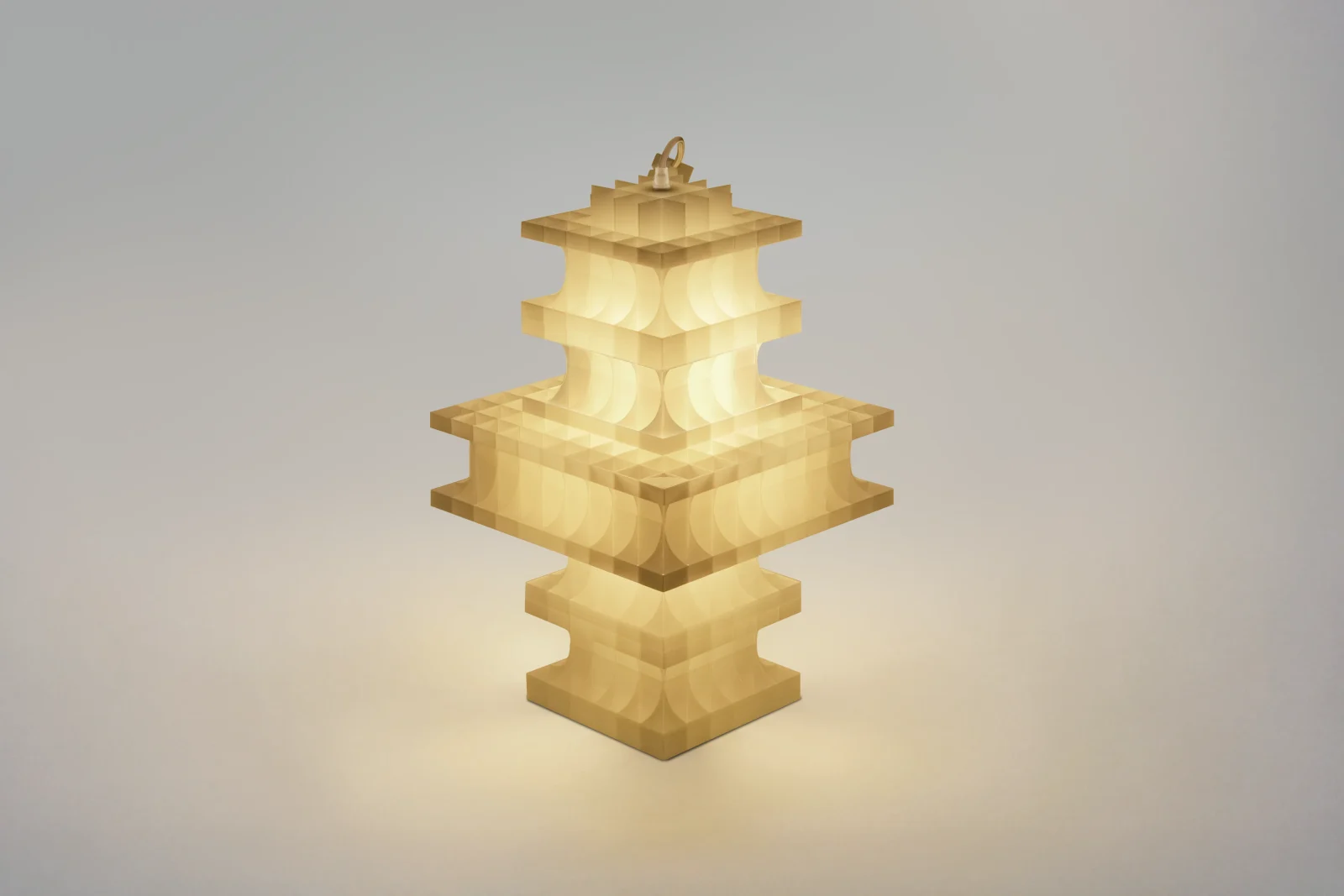
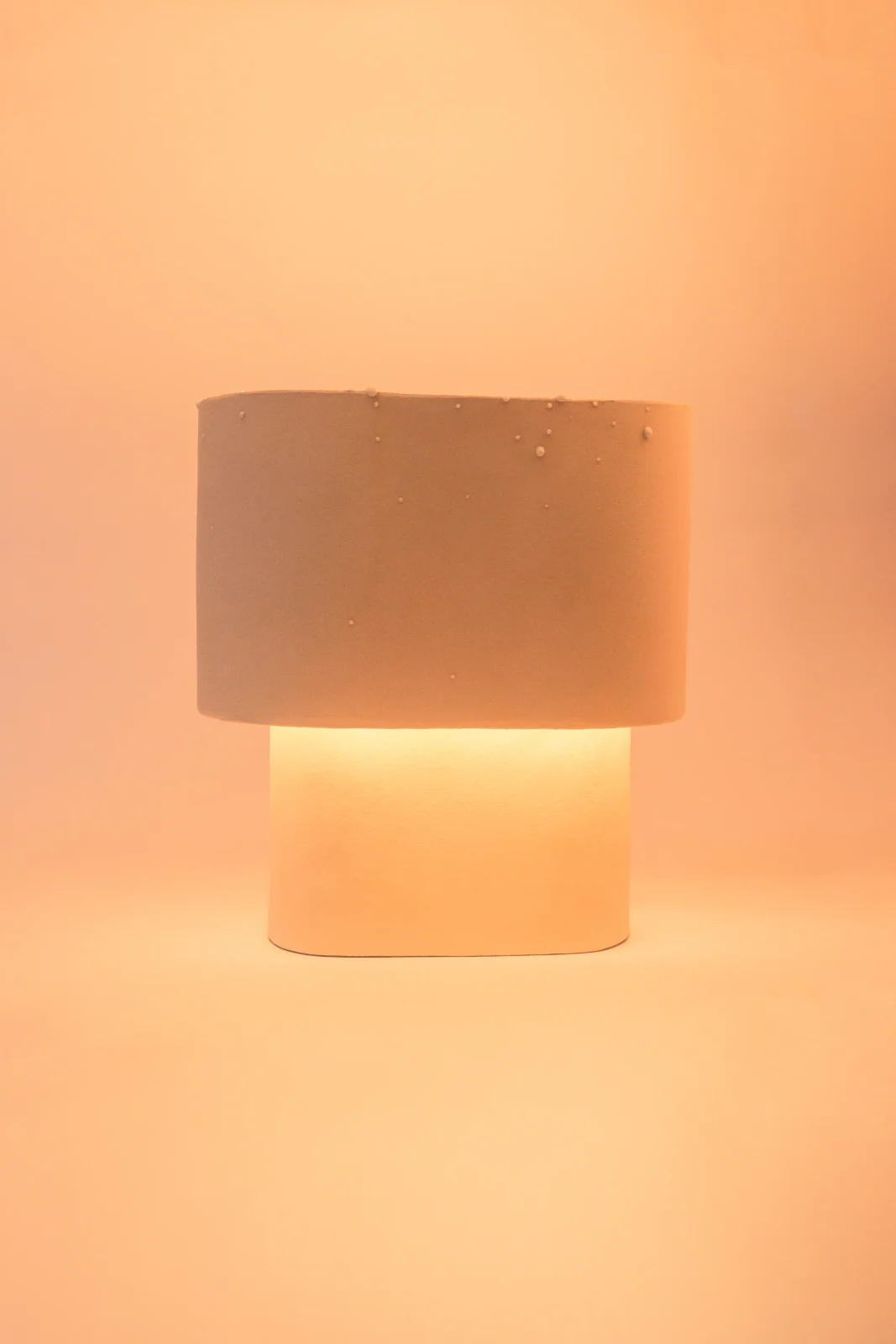
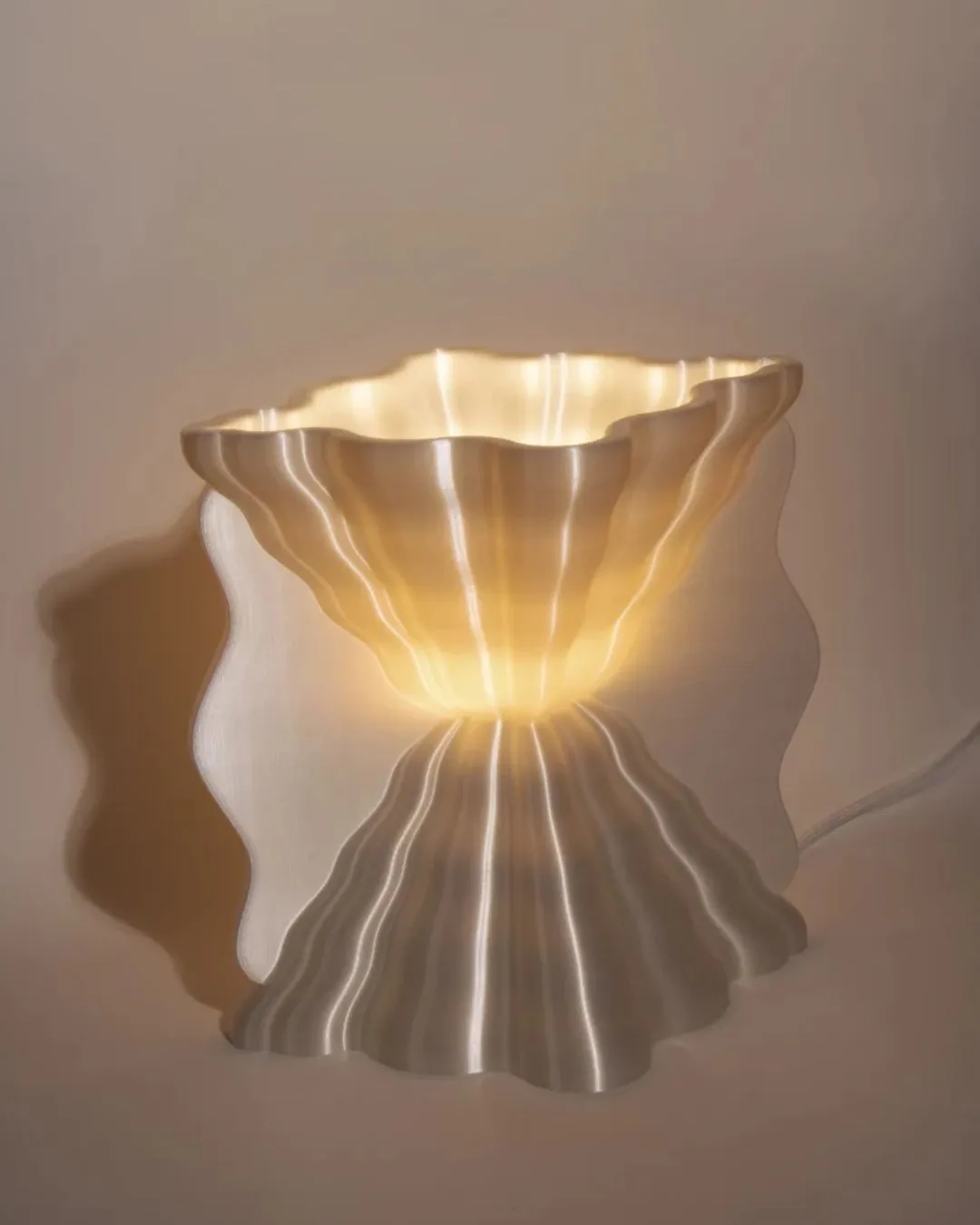
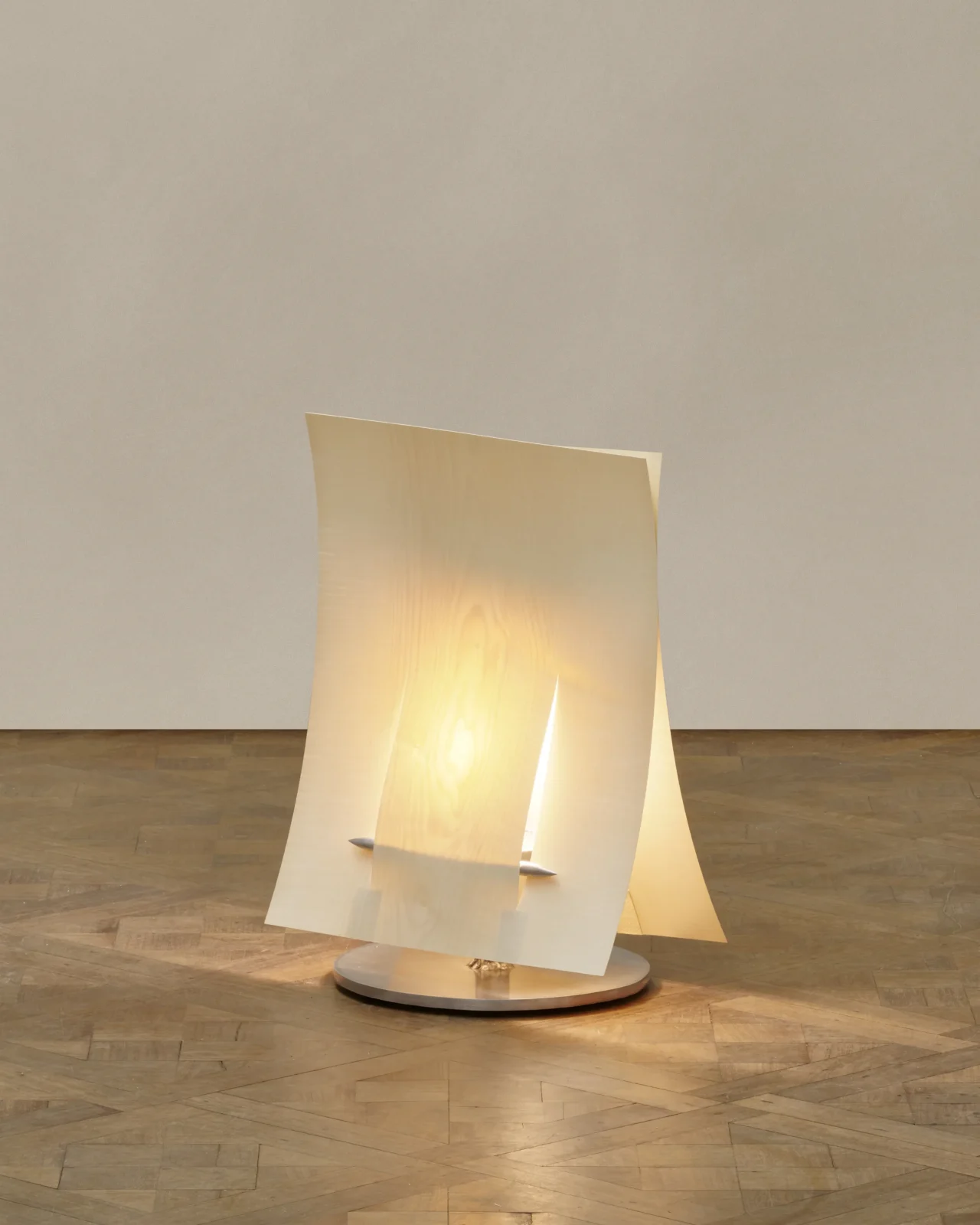
Lighting strongly affects environmental wellness, especially in response to screen fatigue and long indoor hours. Floor lamps and table lamps help shift spaces away from overhead brightness and toward softer, localized light. These pieces allow rooms to adapt across the day, supporting focus when needed and easing transitions into evening. Lighting becomes atmospheric rather than directive.
Environmental Wellness in the Details
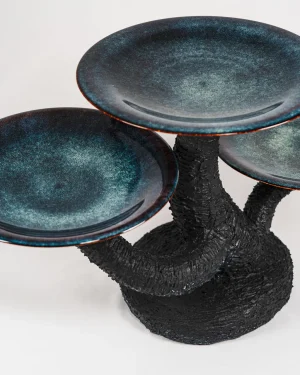
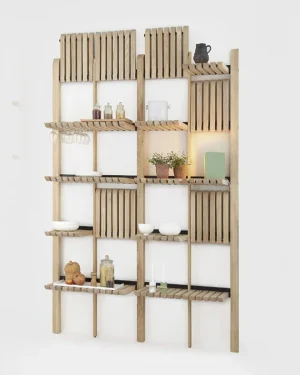
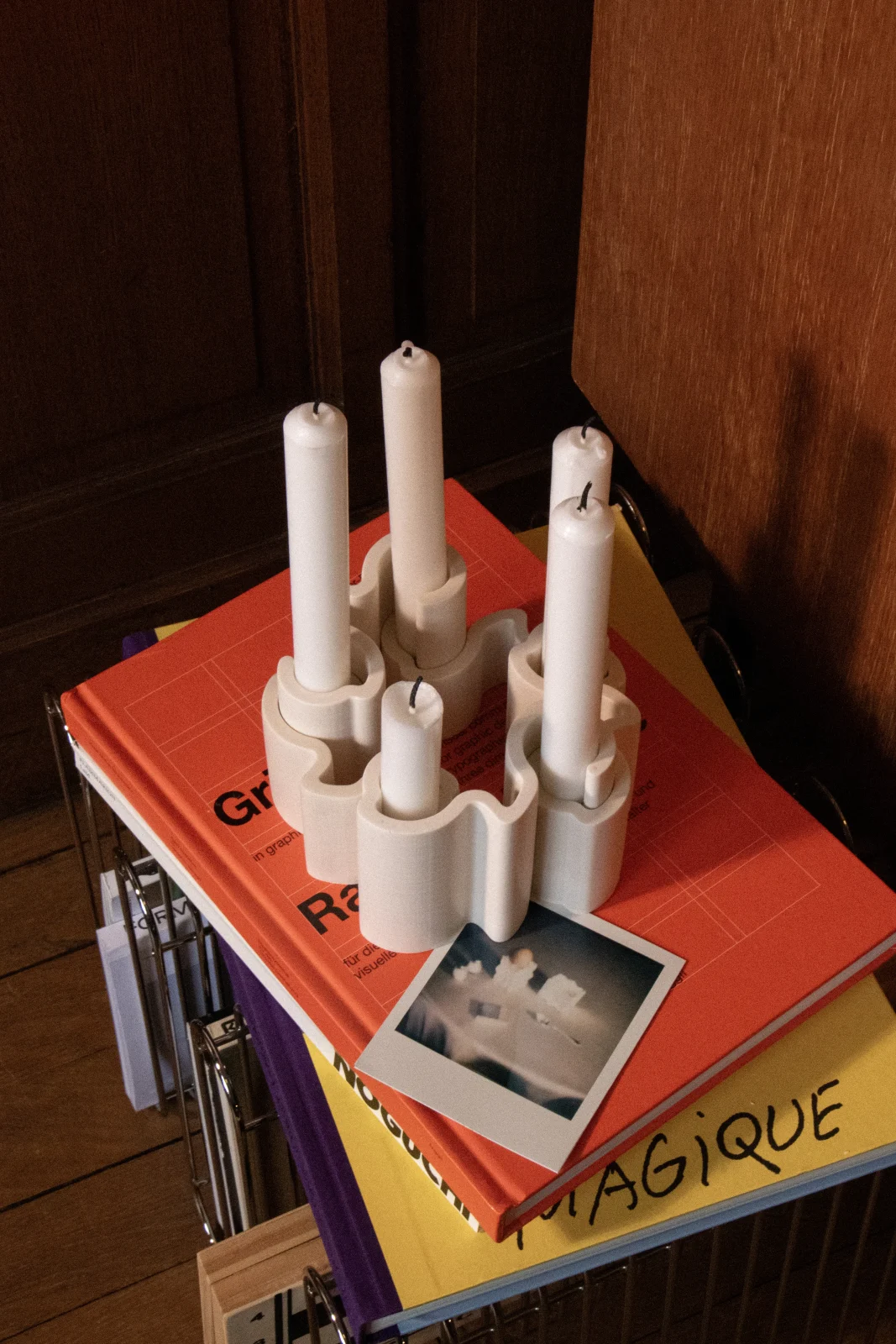
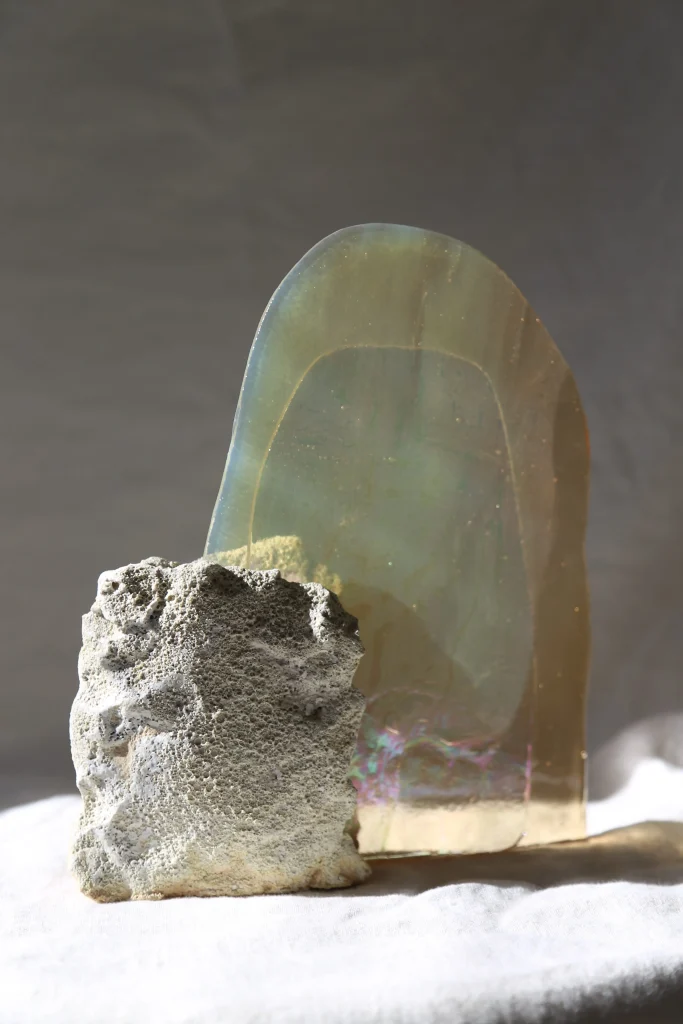
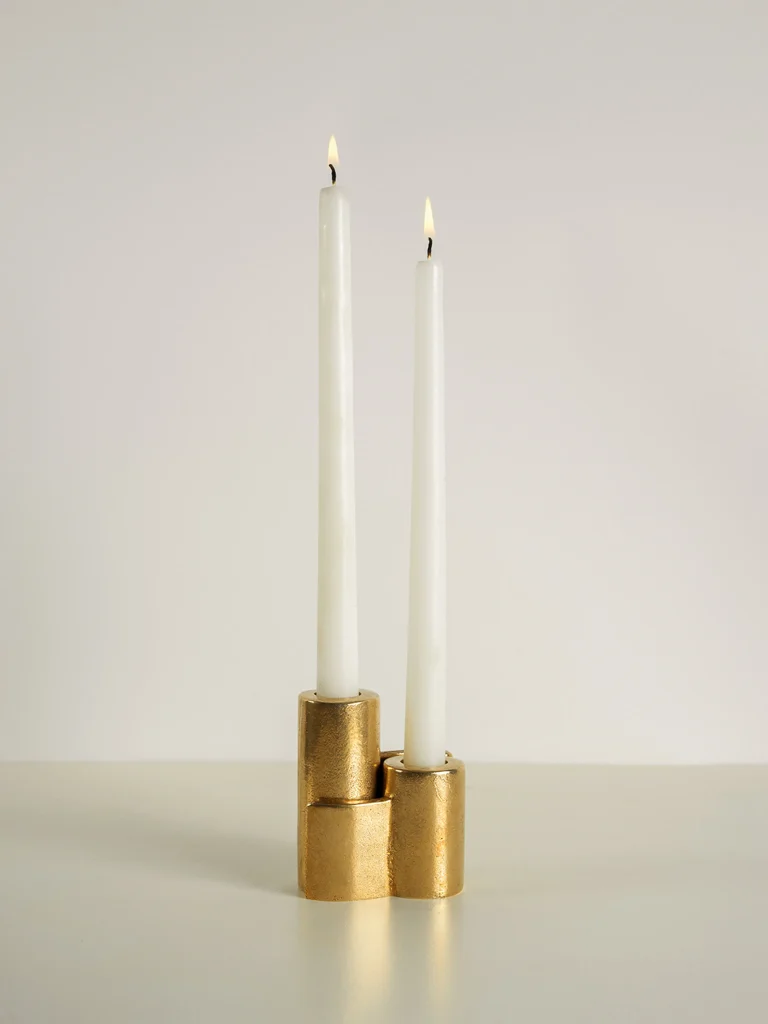
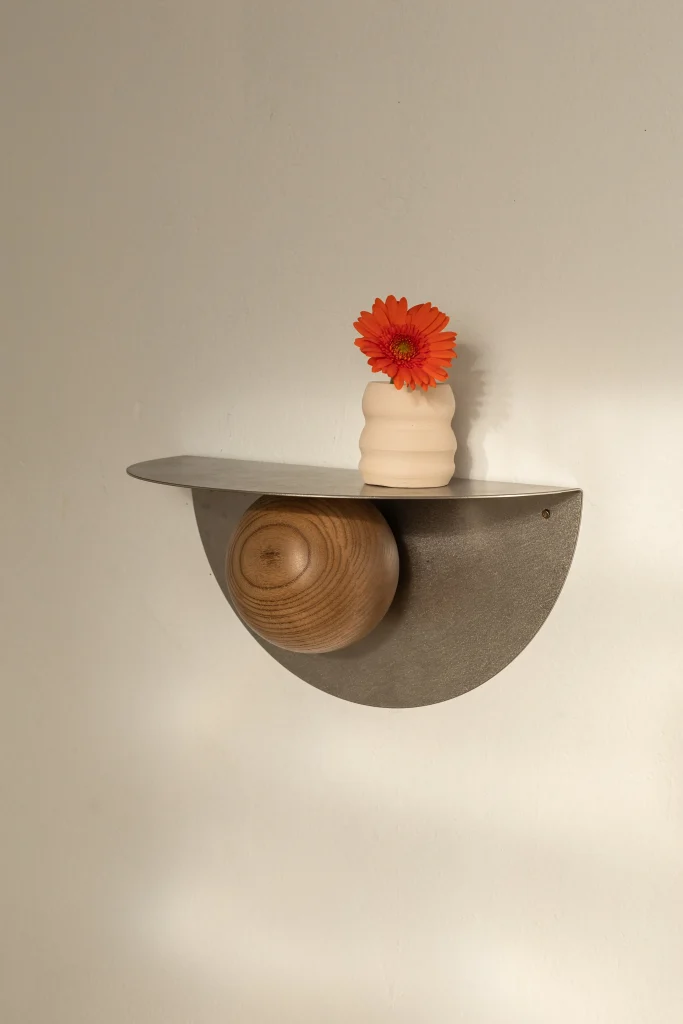
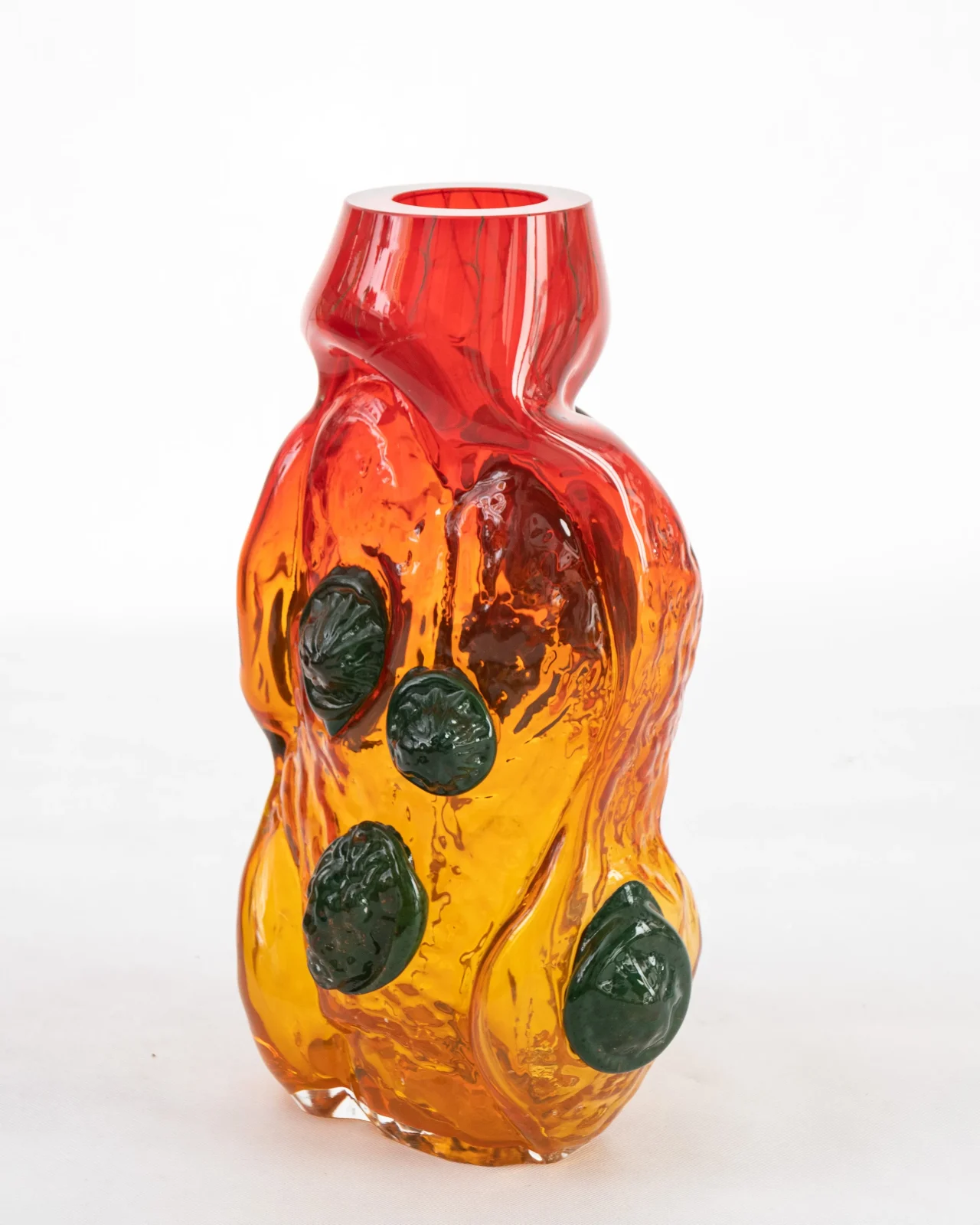
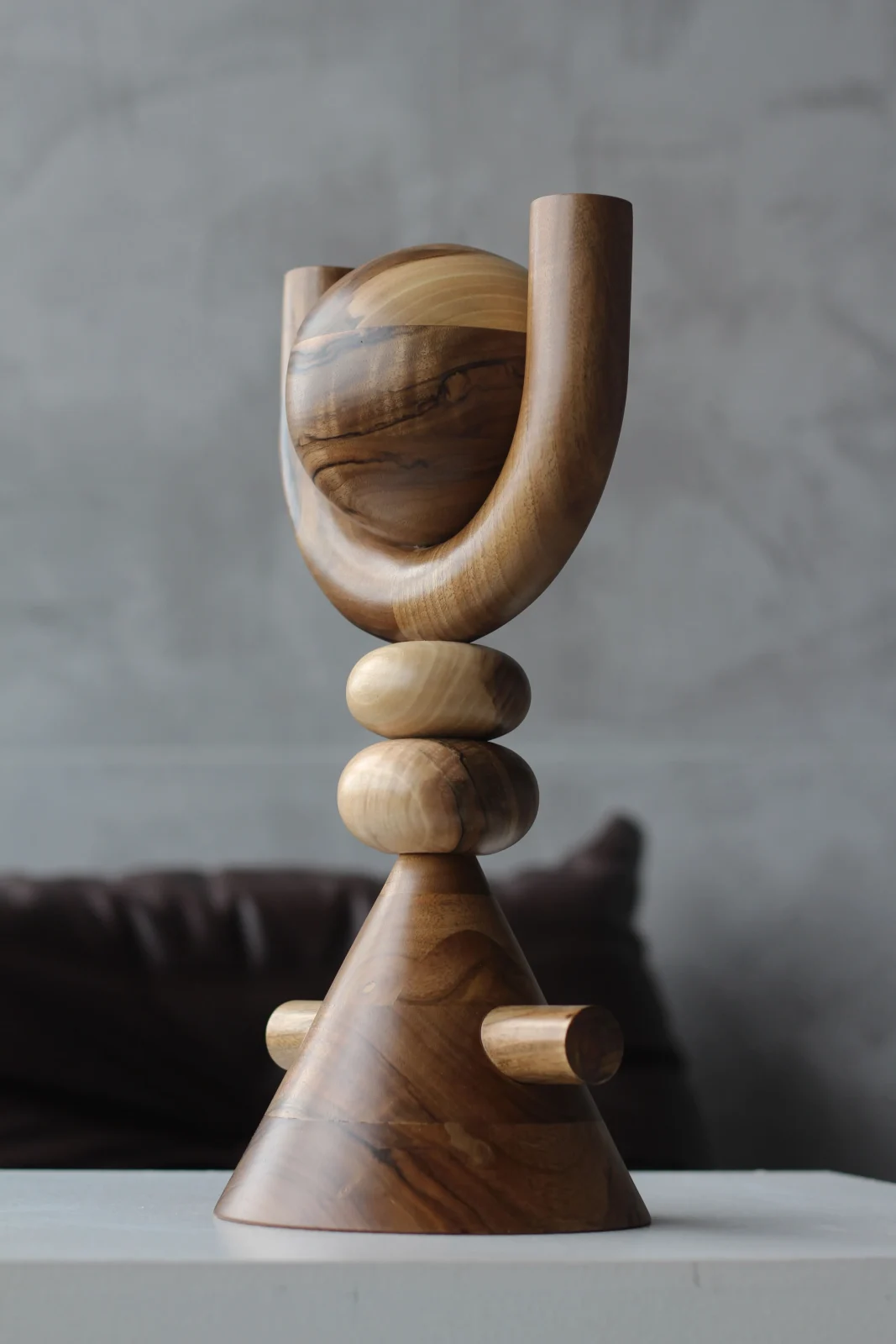
Environmental wellness values objects with emotional charge. Sculptural decor, ceramics, and tactile materials contribute to a sense of grounding and personal meaning. These pieces reflect identity rather than trends, memory rather than display. They make spaces feel lived in, chosen, and cared for, without prescribing how the room should function.
Designing Against Burnout
Environmental wellness lives in these decisions. It grows from selecting pieces that respond to how you want to feel in your space, not how the space should perform. The result is not a single look, but a mindset, one that values intention, presence, and comfort on personal terms.
Products by Tag
-

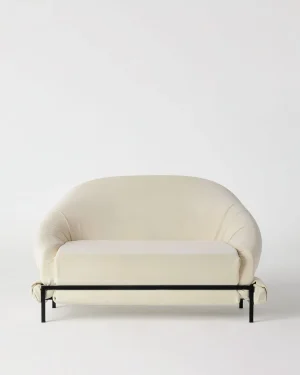
Margarita Sofa
€30.250 incl. tax -
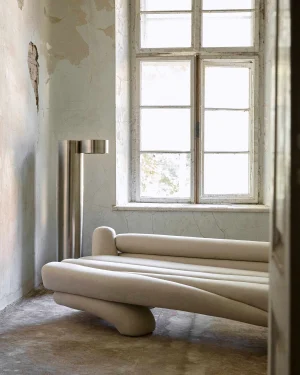
Hostile Daybed
Price Upon Request -
B.F.M.F Series, 180º Vertical Sofa
€26.620 incl. tax -
Ida – The Host Modular Sofa
Price range: €13.601 through €23.839 incl. tax -
Ida – Curved Modular Sofa Offset Loop
Price range: €12.860 through €22.873 incl. tax -
Utterö Mahogany Coffee Table
€22.375 incl. tax -
Kasa Sofa
€21.648 incl. tax -
Mode Sofa – Modular
Price range: €13.530 through €17.220 incl. tax -
Melt Coffee Table
€16.819 incl. tax -
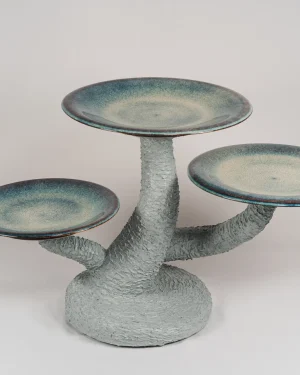
Kinoko Dark Blue – Side Table
Price Upon Request -
Kinoko Light Blue – Side Table
Price Upon Request -
Jell – Asymmetric Sofa With Stone Finish
Price range: €15.621 through €16.113 incl. tax -
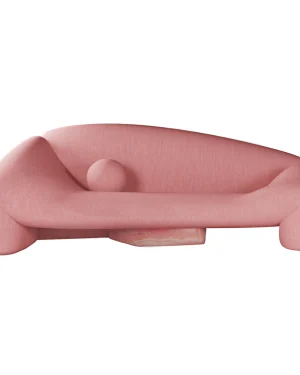
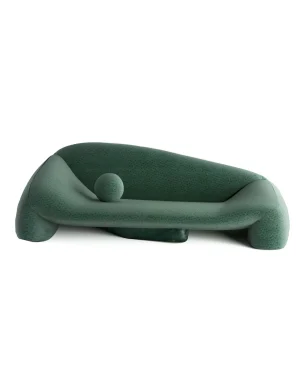
Jell – Asymmetric Sofa
Price range: €9.717 through €16.113 incl. tax -
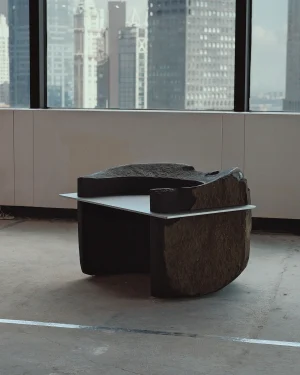
Basalt Seat 01
Price Upon Request -
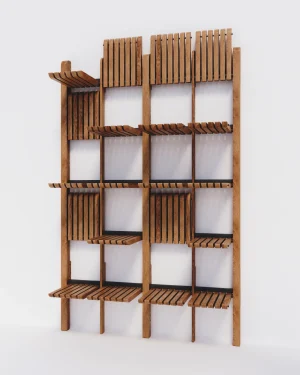
Gate – Modular Shelving System Walnut Stained
Price range: €5.566 through €15.004 incl. tax -
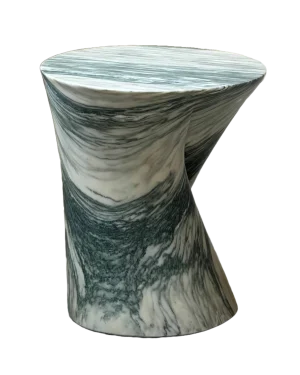
Departed Cipollino Marble Side Table
€15.250 incl. tax -
Viter Sofa
€14.520 incl. tax -
B.F.M.F Series, 360º Diagonal
€14.520 incl. tax -
Gate – Modular Shelving System Natural Ashwood
Price range: €5.106 through €13.758 incl. tax -
Magma – Modular Sofa
Price Upon Request -
“Kau” Chair
€12.826 incl. tax -
Sitiera_01 Velvet Upholstered 3-seater Sofa With Aged Bronze Legs
€12.445 incl. tax -
Horizonte – Walnut Wood Pendant Lamp
Price Upon Request -
Book Monster
€12.100 incl. tax