Wall Mirrors as Architectural Elements
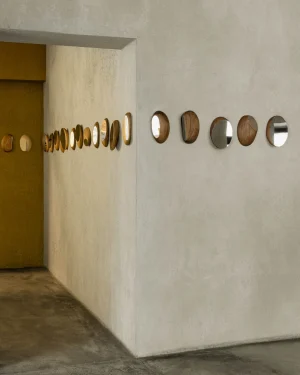
Wall mirrors shape how interiors feel, not only how they reflect. Mounted directly to the wall, they help define proportion, amplify light, and create visual rhythm across a space. In contemporary interiors, wall mirrors often function as both practical objects and compositional anchors.
Designers use wall mirrors to open narrow layouts, soften solid surfaces, and guide the eye through a room. This approach appears frequently across entryway, living room, and bedroom interiors.
What Is a Wall Mirror
A wall mirror is mounted or fixed directly onto a vertical surface, rather than leaning or standing freely. This format creates a clean, integrated look and allows mirrors to function as architectural elements.
Wall mirrors range from compact accent pieces to oversized statement forms. Their scale, shape, and placement influence how light moves through the room and how space is perceived.
Types of Wall Mirrors
Framed Wall Mirrors
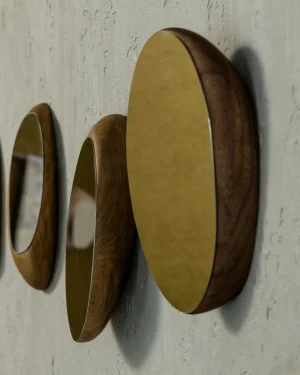
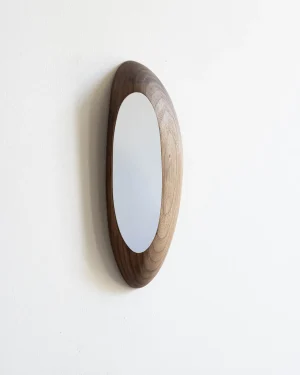
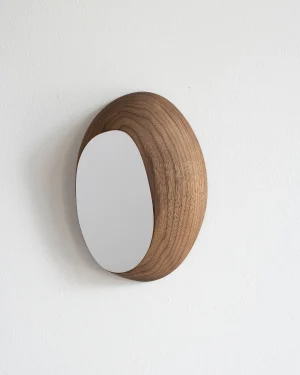
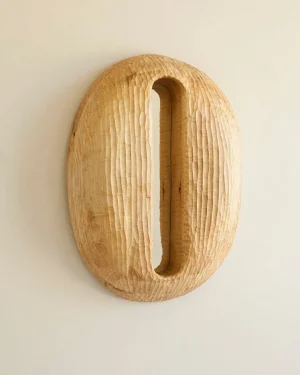
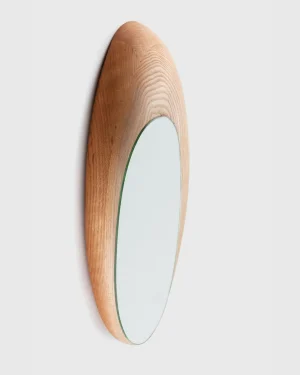
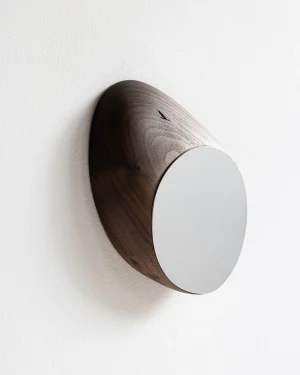
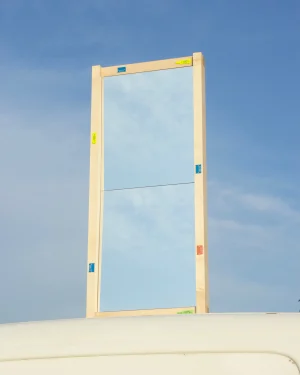
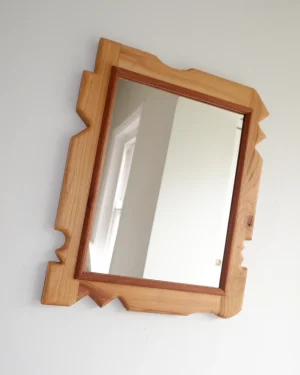
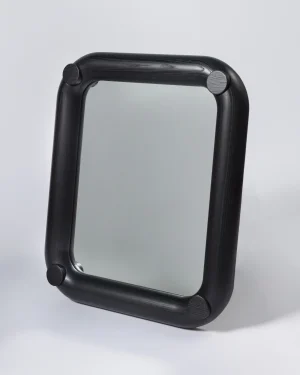
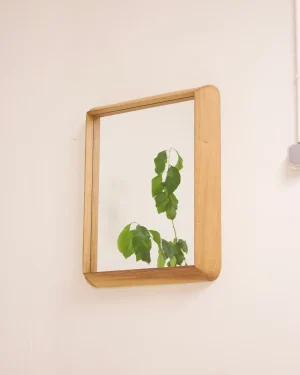
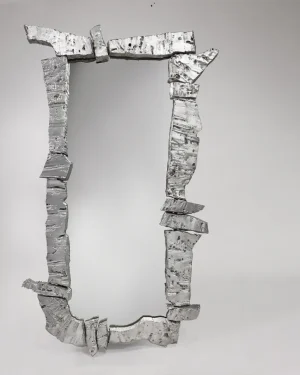
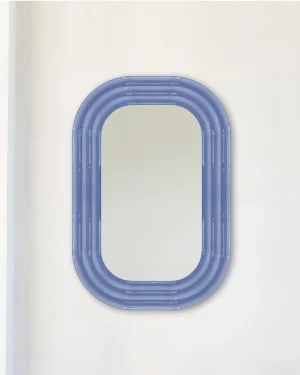
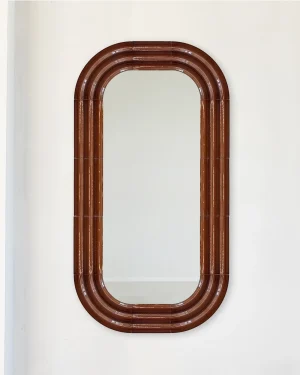
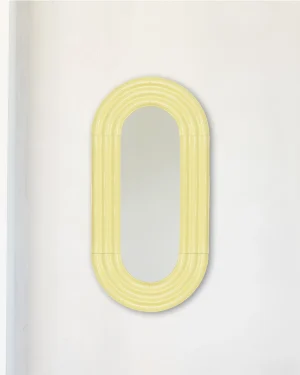
Framed wall mirrors introduce material presence and visual structure. Frames in wood bring warmth, while metal frames support sharper, graphic interiors.
Frameless Wall Mirrors
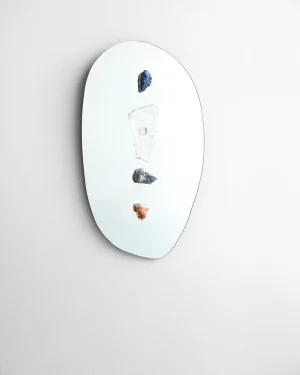
Frameless mirrors offer a minimal profile and suit minimalist or contemporary spaces. They reflect light cleanly and integrate seamlessly with surrounding surfaces.
Round and Organic Mirrors
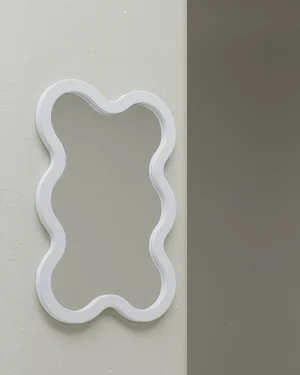
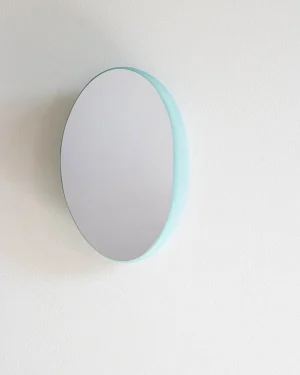
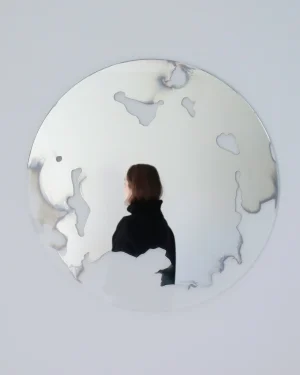
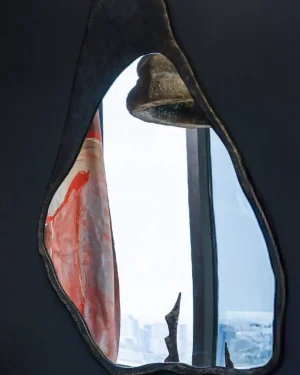
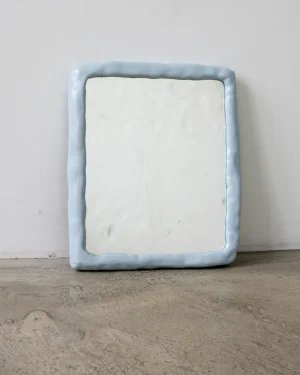
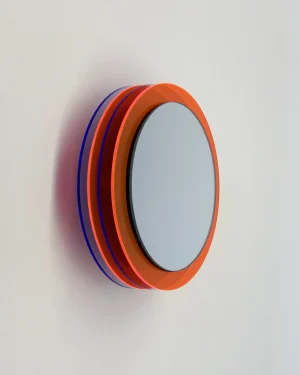
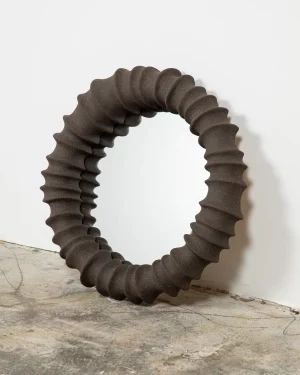
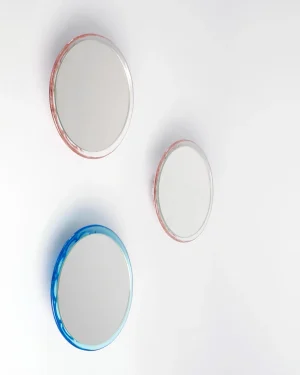
Round wall mirrors soften angular layouts and introduce visual flow. Organic shapes work well in bedrooms, bathrooms, and reading corners.
Oversized Wall Mirrors
Large wall mirrors create impact and expand sightlines. They are often used as focal points in living rooms or dining areas where depth and balance matter.
Materials and Finishes
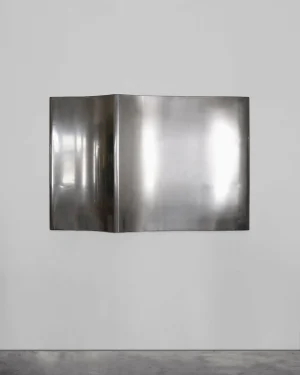
Wall mirrors draw character from their materials. Common options include wood for warmth, metal for structure, and glass-forward designs for subtlety.
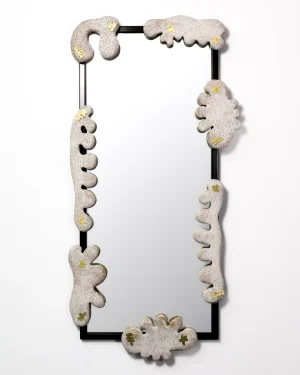
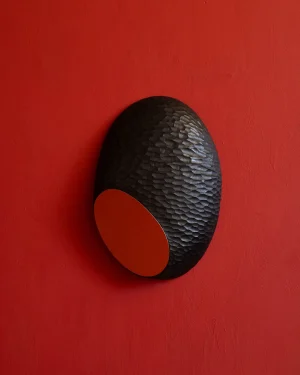
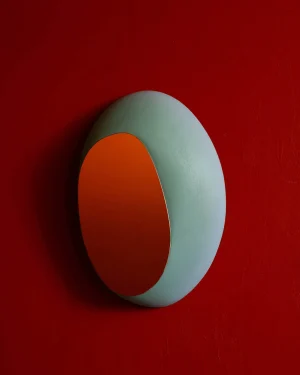
More expressive mirrors incorporate ceramics, stone, or textured finishes. These approaches align with ideas explored in wall decor.
Placement Ideas by Room
Entryway
In the entryway, wall mirrors support daily routines while setting the tone of the home. Placing a mirror near the door or opposite a light source brightens the space. For planning guidance, see entryway design.
Living Room
Wall mirrors in the living room reflect artwork, windows, or sculptural furniture. Avoid positioning mirrors opposite clutter. Instead, reflect a focal element or source of natural light.
Bedroom
In the bedroom, wall mirrors balance softness and structure. They often sit above dressers or near wardrobes without dominating the room.
Dining Room
Wall mirrors in the dining room enhance atmosphere by reflecting lighting and table settings. This creates depth without adding furniture.
Bathroom
Bathroom wall mirrors should use moisture-resistant materials and secure mounting. Pair mirrors with wall lighting to achieve even illumination.
How Wall Mirrors Transform Space
Wall mirrors visually expand compact rooms and soften rigid layouts. When placed opposite windows, they multiply daylight and reduce the need for artificial lighting.
This spatial strategy appears across contemporary interiors and is frequently discussed in modern wall decor approaches.
Choosing the Right Size and Shape
Scale matters. A wall mirror should relate to nearby furniture and wall width. Mirrors above consoles or dressers typically look balanced when they span two thirds of the furniture width.
Round mirrors suit softer interiors, while rectangular or geometric forms reinforce structure. Match shape to room rhythm and ceiling height.
Installation and Safety
Mount wall mirrors securely using appropriate anchors or studs. Heavier mirrors require reinforced hardware, especially in households with children or pets.
Quality mirrors use thicker glass and stable backing, reducing distortion and increasing durability.
Care and Maintenance
Clean wall mirrors with a microfiber cloth and gentle glass cleaner. Avoid excess moisture around frames, especially wood or metal finishes.
Regular dusting helps preserve clarity and frame condition.
Common Mistakes to Avoid
- Hanging mirrors too high or too low
- Reflecting clutter or dark corners
- Using weak anchors for heavy mirrors
- Overcrowding mirrors with nearby decor
Frequently Asked Questions
Are wall mirrors better than leaning mirrors?
Wall mirrors offer a cleaner, more integrated look and save floor space.
Can wall mirrors be used in small rooms?
Yes. They often make small rooms feel larger and brighter.
Do wall mirrors work in modern interiors?
They fit well across minimalist, mid-century modern, and art deco styles.
Where to Find More Inspiration
Explore curated mirrors, evolving wall decor, and room-based layouts across interior inspiration.
Used thoughtfully, wall mirrors shape light, proportion, and daily experience, becoming essential elements of contemporary interior design.



 In stock
 In stock
 Sold
Sold In stock
 In stock
 In stock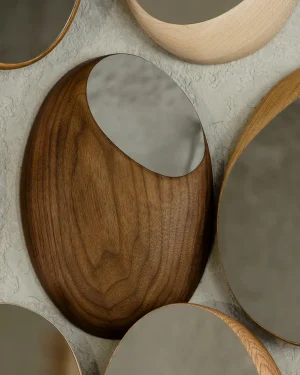
 In stock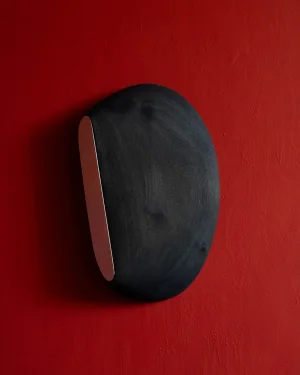
 In stock
 In stock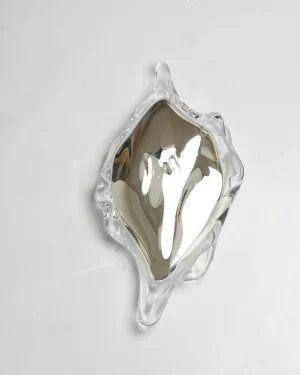
 In stock
 In stock

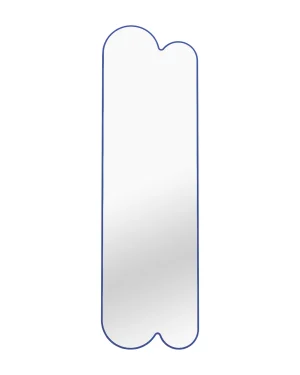
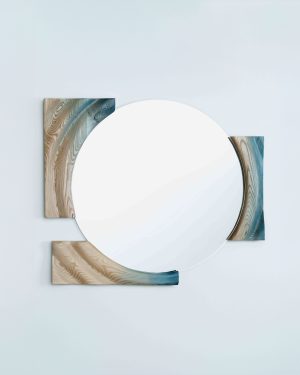 In stock
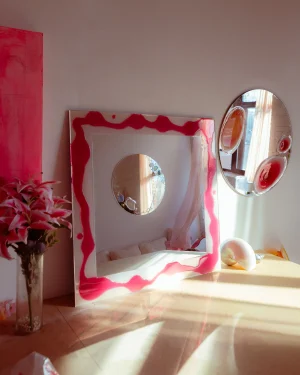 In stock
 In stock
 In stock
 In stock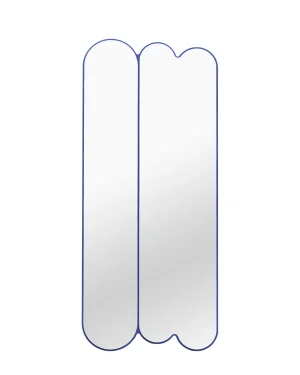
 In stock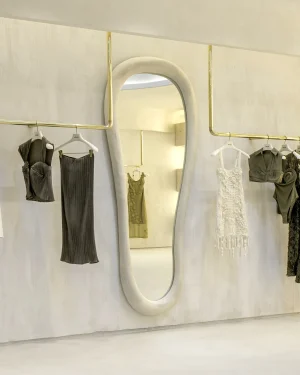
 In stock
 In stock
 In stock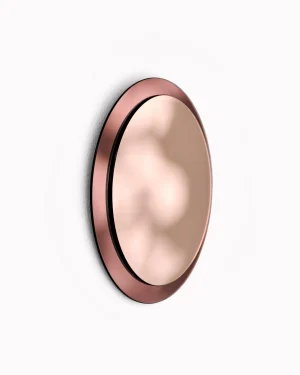
 In stock
 In stock