Full Length Mirrors with Balance and Purpose
Full length mirrors shape how a room feels as much as how it functions. Beyond reflection, they extend sightlines, amplify light, and bring balance to interiors. In contemporary spaces, a full length mirror often acts as both a practical object and a quiet architectural element.
Designers increasingly use full length mirrors to open up compact layouts, soften hard edges, and create visual continuity across rooms. You see this approach throughout entryway, bedroom, and living room interiors.
What Is a Full Length Mirror
A full length mirror reflects the body from head to toe, typically measuring at least 150 cm in height. Unlike smaller wall mirrors, it provides a complete visual read of proportion, posture, and clothing.
Full length mirrors appear in leaning, wall-mounted, and freestanding formats. Each type offers different advantages depending on space, layout, and installation needs.
Types of Full Length Mirrors
Leaning Mirrors
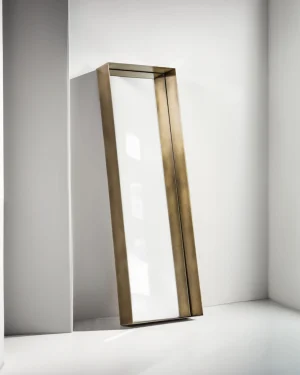
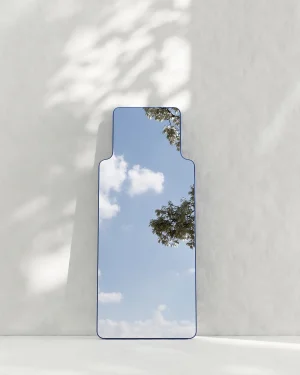
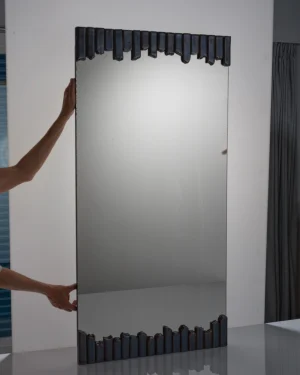
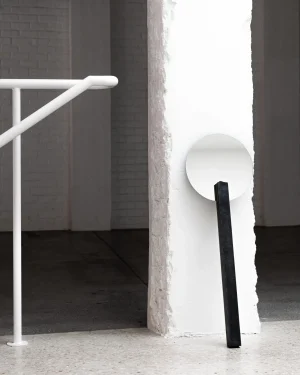
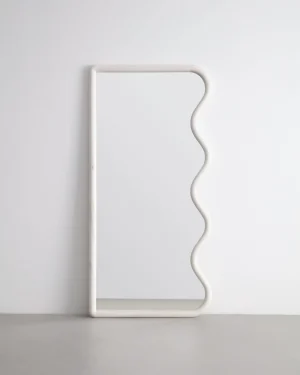
Leaning mirrors rest against the wall and feel relaxed and sculptural. They suit renters and spaces where drilling is limited. This style works well in bedroom corners or beside wardrobes.
Wall Mounted Mirrors
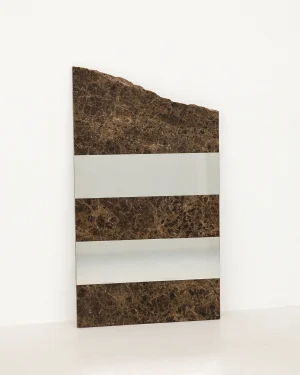
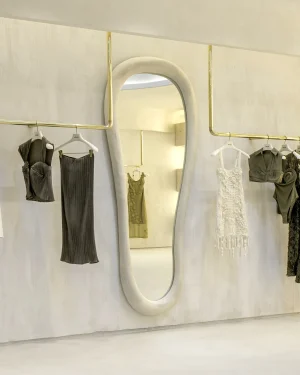
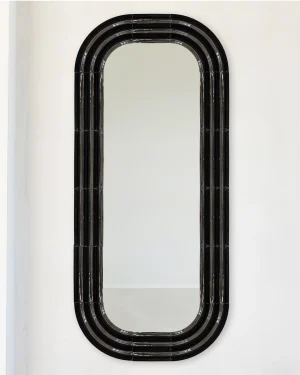
Wall mounted full length mirrors create a clean, architectural look. They save floor space and work well in narrow hallway layouts or dressing areas.
Freestanding Mirrors
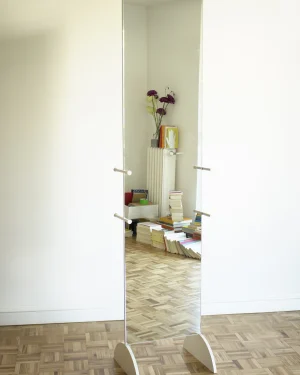
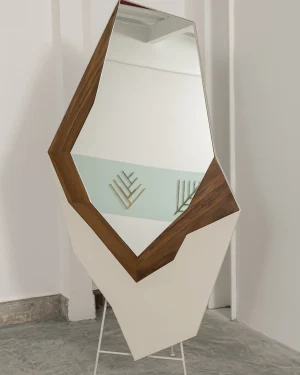
Freestanding mirrors offer flexibility and stability. Many include subtle frames or integrated supports, making them suitable for open-plan interiors or walk-in closets.
Floor Mirrors
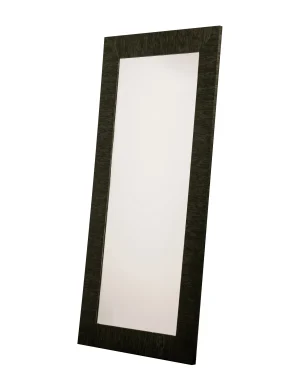
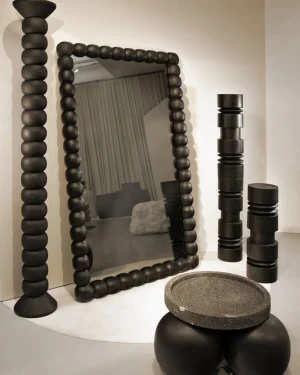
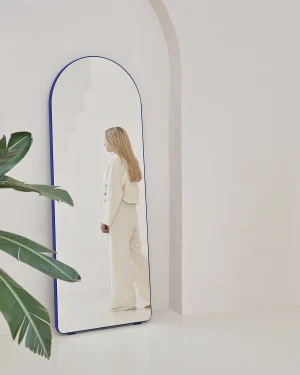
Floor mirrors sit directly on the ground and often lean slightly back. They emphasize height and work well in rooms with generous ceilings.
Materials and Frames
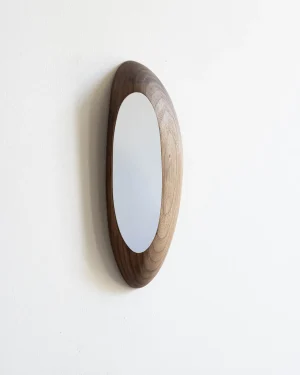
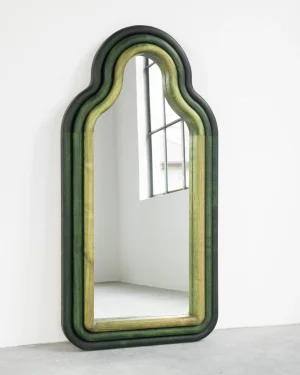
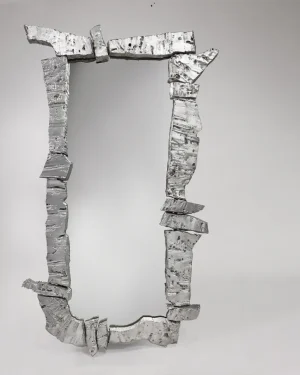
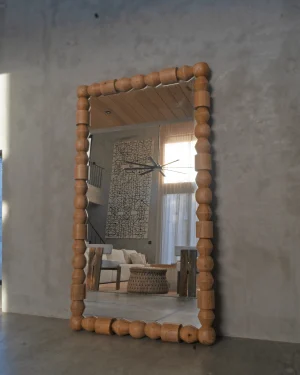
Material choice shapes both appearance and durability. Common options include wood for warmth, metal for structure, and frameless glass for a minimal look.
Wood frames suit Scandinavian and mid-century settings, while metal frames align with neo-industrial and art deco interiors. Frameless designs often appear in minimalist spaces.
Placement Ideas by Room
Entryway
A full length mirror in the entryway supports daily routines while setting the tone of the home. Place it near the door or opposite a light source to reflect brightness. For layout guidance, see entryway design.
Bedroom
In the bedroom, mirrors often sit near wardrobes or dressing areas. A leaning mirror softens the room, while a wall mounted mirror keeps the layout clean.
Living Room
Full length mirrors in the living room reflect art, windows, or sculptural furniture. Avoid placing mirrors opposite clutter. Instead, reflect light or a focal object.
Home Office
In a home office, mirrors add depth and prevent rooms from feeling boxed in. They also help bounce natural light across work surfaces.
Bathroom
Full length mirrors in bathrooms should use sealed frames and moisture-resistant materials. Consider pairing them with wall lighting for balanced illumination.
How Full Length Mirrors Transform Space
Mirrors visually expand small rooms, brighten darker corners, and soften rigid layouts. When placed opposite a window, a full length mirror doubles natural light and creates the illusion of added depth.
This spatial effect appears frequently in wall decor and contemporary interior strategies.
Choosing the Right Size and Proportion
Choose a mirror that aligns with user height and wall scale. A full length mirror should extend from near floor level to above eye height for most adults.
As a general rule, mirrors look balanced when they occupy roughly two thirds of the wall height available. Oversized mirrors suit open rooms, while slimmer profiles work better in compact spaces.
Safety, Installation, and Durability
Secure mirrors properly, especially in homes with children or pets. Use wall anchors, anti-tip hardware, and shatter-resistant glass when possible.
Quality mirrors use thicker glass, reinforced backing, and stable frames. These details reduce distortion and improve longevity.
Care and Maintenance
Clean mirrors with a microfiber cloth and gentle glass cleaner. Avoid overspray near frames, especially wood or metal finishes.
In humid rooms, ensure ventilation to protect frames and adhesives.
Common Mistakes to Avoid
- Placing mirrors opposite cluttered walls
- Hanging mirrors too high off the floor
- Using weak anchors for heavy glass
- Overcrowding mirrors with nearby decor
Frequently Asked Questions
Do full length mirrors need to be mounted?
Not always. Leaning and freestanding mirrors work without drilling.
Are full length mirrors only for bedrooms?
No. They work well in entryways, living rooms, offices, and dressing areas.
How do I move a full length mirror safely?
Transport mirrors upright, protect corners, and avoid laying large mirrors flat.
Where to Find More Inspiration
For styling ideas and layouts, explore mirrors, wall decor, and room-specific guides across interior inspiration.
Used thoughtfully, full length mirrors become more than reflective surfaces. They shape light, space, and daily experience throughout the home.







 In stock
 In stock

 In stock

 In stock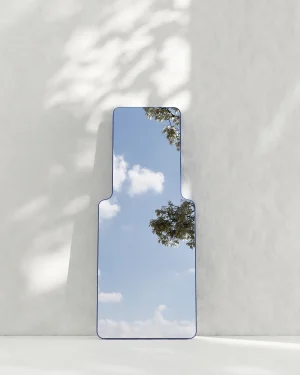
 Sold
Sold
 In stock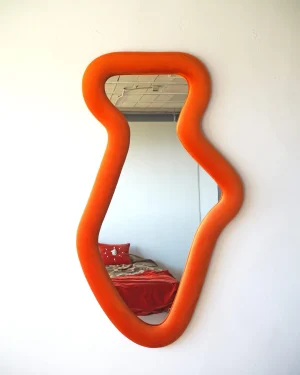

 In stock
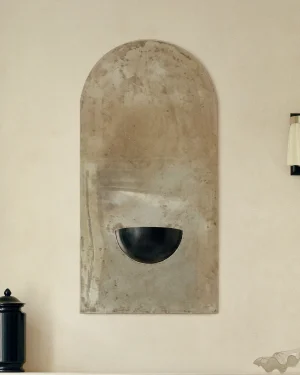

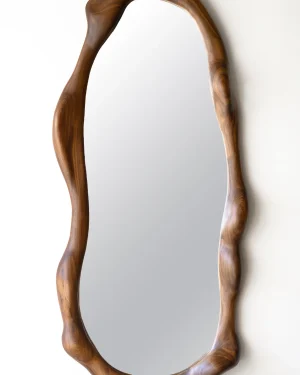

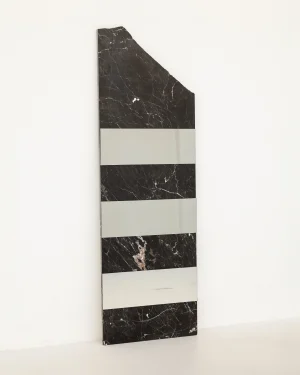
 In stock
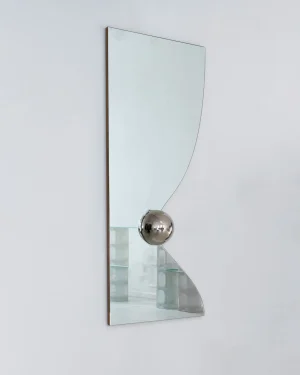 In stock
 In stock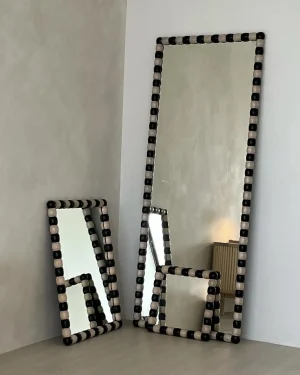

 In stock
 In stock
 In stock