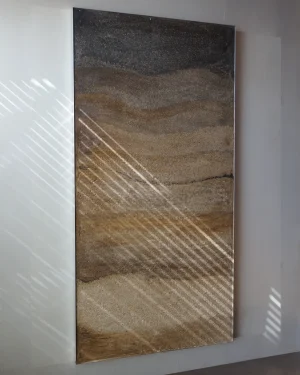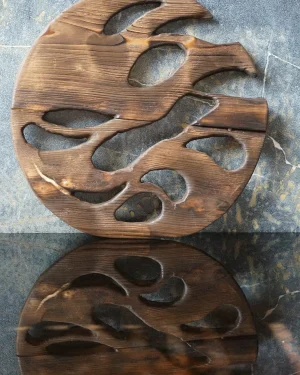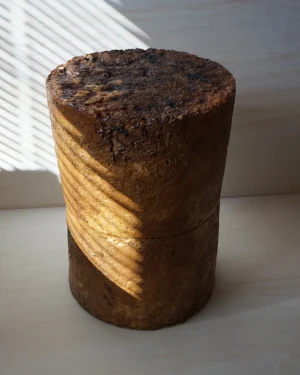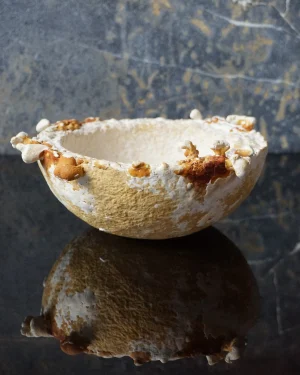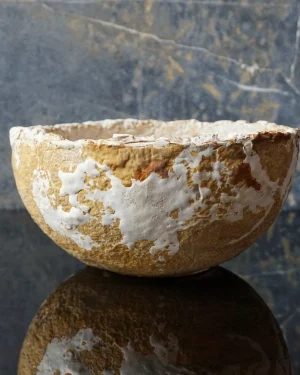


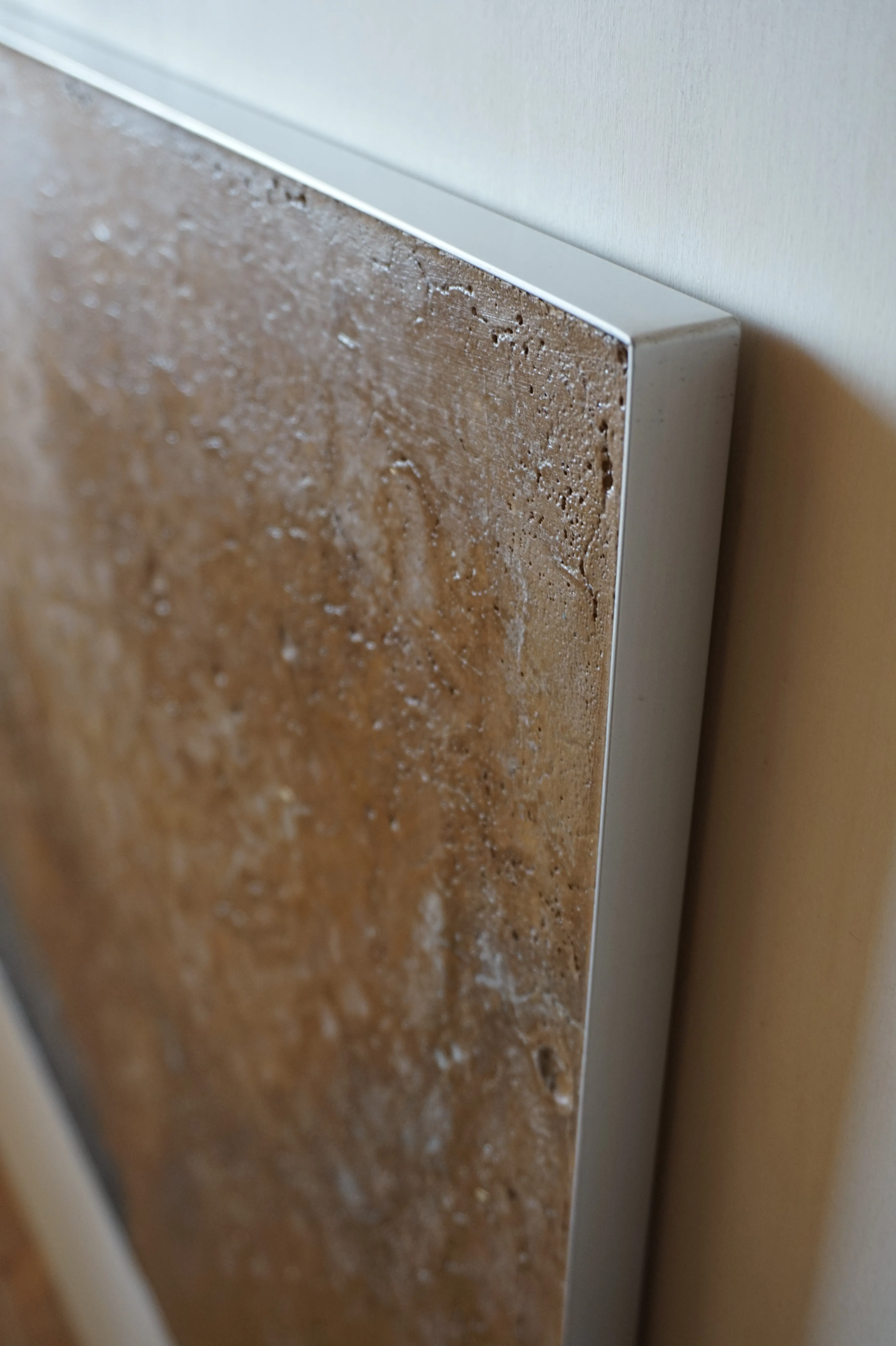


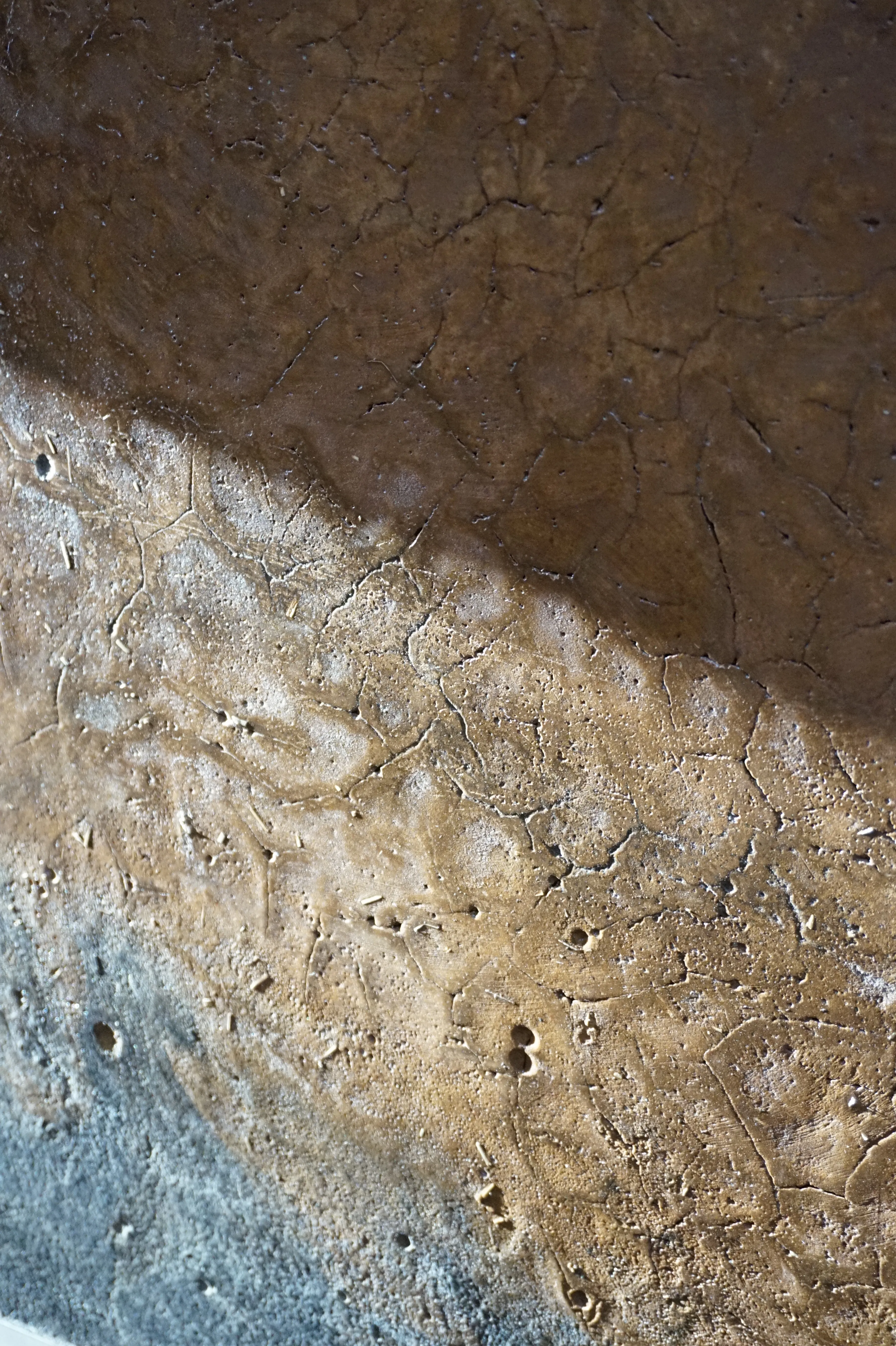
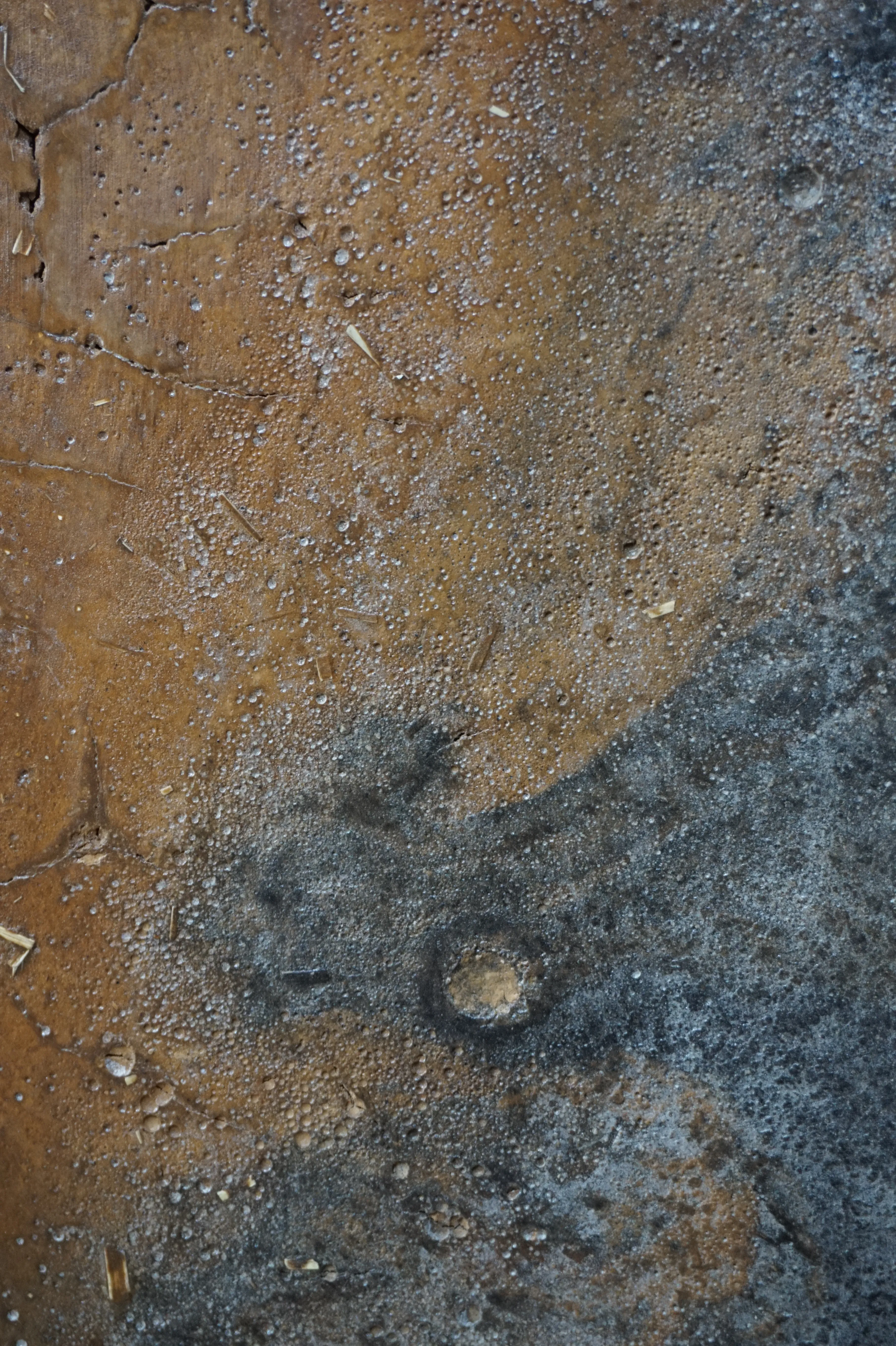
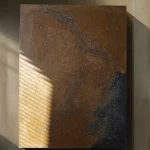
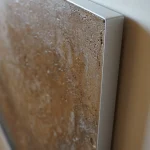
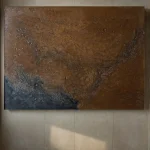
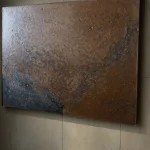
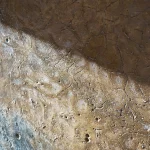
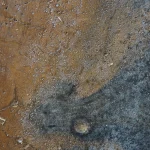





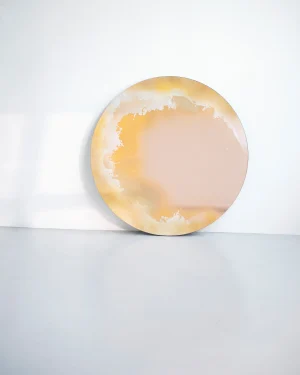
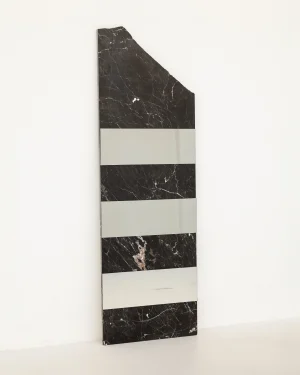
This work delves into the raw, elemental beauty of natural decay and geological transformation. The painting is characterized by a dominant palette of rich, earthy browns and ochres, reminiscent of oxidized metals or fertile soil, profoundly contrasted with deep, shadowy blacks and cool, metallic greys.
The surface of the canvas is a vibrant tapestry of textures, ranging from subtly crinkled and cracked areas to smoother, more reflective patches. The artist skillfully employs these textural variations to evoke a sense of time, erosion, and the subtle processes of change that occur within the earth. Delicate hairline cracks spiderweb across the warmer tones, suggesting dryness or the slow, powerful movements of the earth’s crust. Towards the lower right, a distinct shift to darker, more volcanic tones introduces an intriguing contrast, hinting at subterranean depths or newly exposed mineral deposits. The interplay of light on these varied surfaces creates dynamic highlights and shadows, giving the piece a palpable, three-dimensional quality.
Stylistically, this painting firmly belongs to Material Abstraction or Textural Abstraction, with strong affinities to Informalism and Abstract Expressionism. It also carries echoes of Earth Art in its deep connection to natural materials and processes. The work is not a representation of a specific landscape but rather an evocation of the inherent beauty and complex forces within nature itself. It speaks to themes of decay, regeneration, and the enduring power of elemental matter, offering a rich, contemplative experience to the viewer.
Materials: clay, natural pigments and cellulose, coated with linseed oil. on a base of pressed cellulose fibers and plywood.
| Dimensions LxWxH | 60x80x2cm (24x31x1'') |
|---|---|
| Piece Weight (kg) | 5 |
| Production Year | |
| Material | Bio Pigments, Earthenware, Natural Fibers, Natural Stone, Sand |
| Discipline | |
| Color | |
| Design Class |