Mid-Century Modern Decor
Mid-century modern decor brings clarity, warmth, and purpose into the home. Defined by clean lines, natural materials, and thoughtful restraint, the style focuses on how objects support daily life. Rather than decoration for its own sake, mid-century modern decor emphasizes balance, proportion, and function. For a deeper cultural and professional context, read mid-century modern and the new authority of the interior designer.
Today, mid-century modern decor fits seamlessly into contemporary interiors. It pairs well with both vintage and modern furniture, allowing rooms to feel layered rather than themed. For visual references, explore mid-century modern spaces across living, dining, and work environments.
What Is Mid Century Modern
Mid century modern is a design movement that emerged between the 1940s and 1960s, shaped by post-war optimism and changing ideas about domestic life. Designers focused on functional layouts, accessible furniture, and honest materials.
In decor, this approach translates to fewer objects with clearer purpose. Surfaces remain open, while texture and form provide interest. Natural wood, controlled geometry, and soft contrast define the aesthetic.
What Is Mid-Century Modern Furniture?
Mid-century modern furniture is designed with clarity and proportion in mind. Chairs, tables, and storage pieces feature simple silhouettes, tapered legs, and balanced scale. Each piece contributes to the room without overwhelming it.
Decor works alongside furniture, not separately. Objects are chosen to reinforce material language and rhythm rather than add excess detail. For furniture context, explore mid-century modern furniture.
Key Elements of Mid-Century Modern Decor
Clean Forms and Open Space
Mid-century modern decor relies on negative space as much as objects. Clean lines and open surfaces allow each piece to stand on its own.
Natural Materials
Wood, ceramics, and textiles provide warmth and tactility. These materials age well and add depth without visual noise. Explore ceramics and textiles for supporting elements.
Subtle Contrast
Contrast appears through material and tone rather than bold pattern. Light woods may be paired with darker accents or restrained metal details. See metal finishes for balance.
Graphic Simplicity
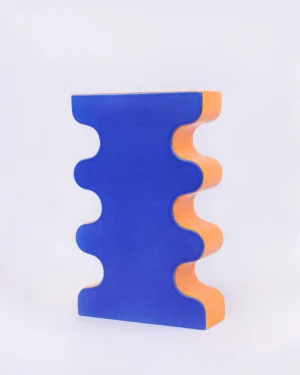
Decorative objects often feature geometric or organic forms. Curves, ovals, and simple volumes echo the shapes found in mid-century furniture.
Mid-Century Modern Decor by Category
Wall Decor
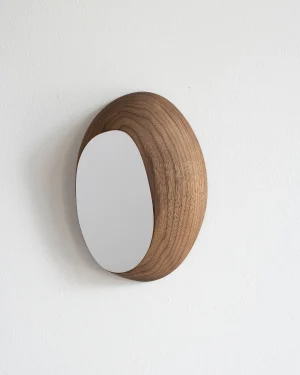
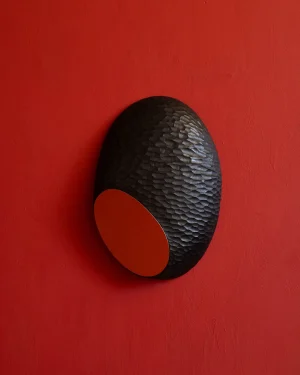
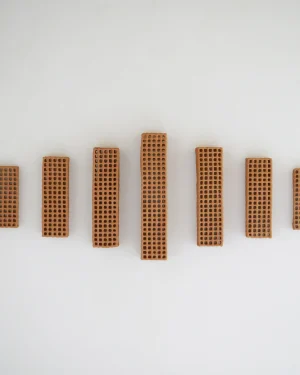
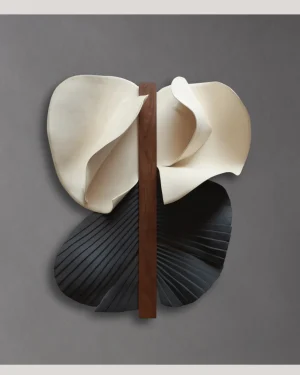
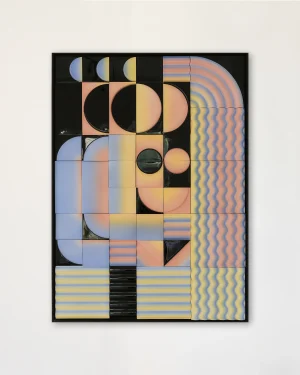
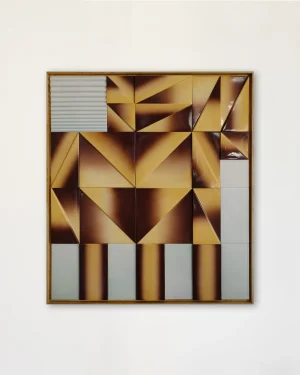
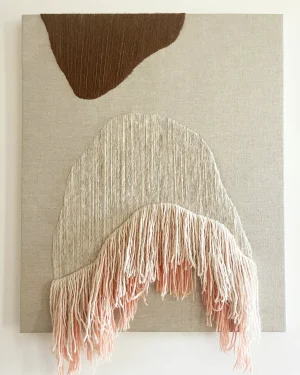
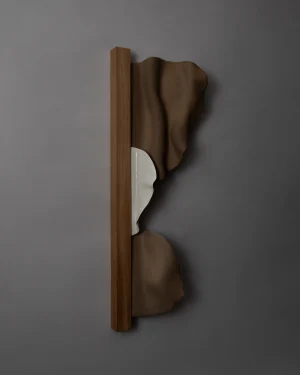
Wall decor remains minimal and intentional. Sculptural objects, framed prints, and mirrors with clean outlines work best. Browse wall decoration and editorial context in wall decor.
Lighting
Lighting plays a central role in mid-century modern decor. Table lamps and floor lamps add warmth while reinforcing the style’s sculptural language. Explore table lamps, floor lamps, and the editorial mid-century modern lighting.
Decor Objects
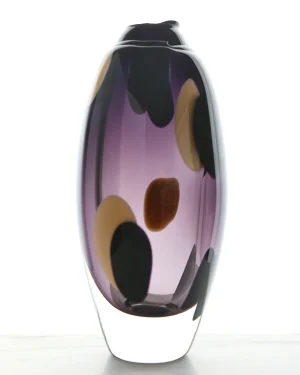
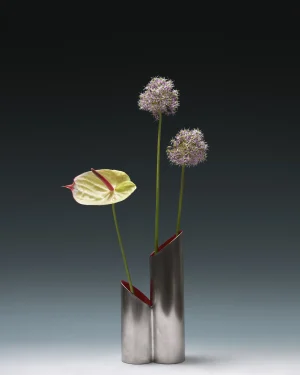
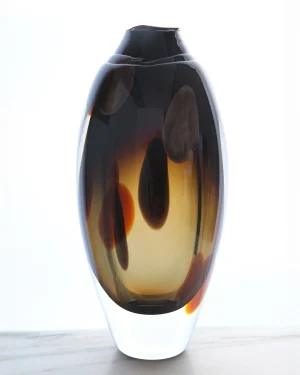
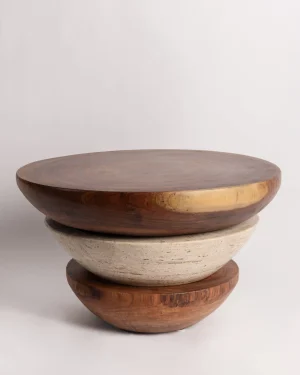
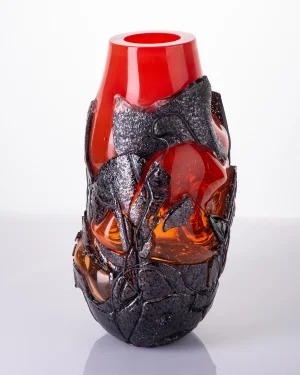
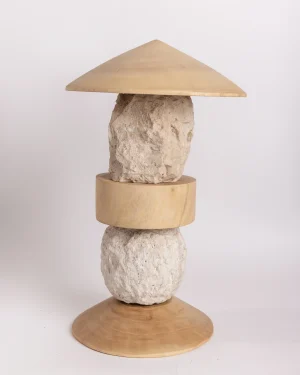
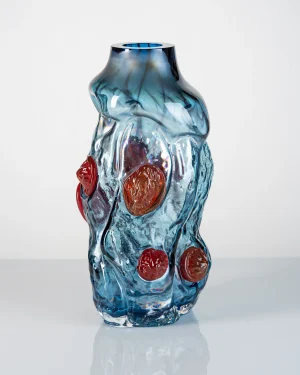
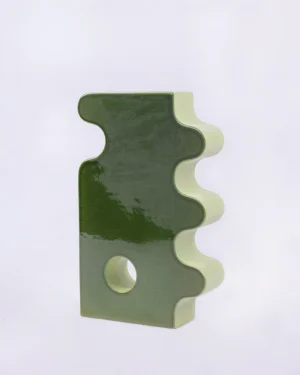
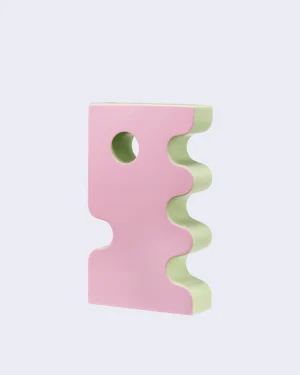
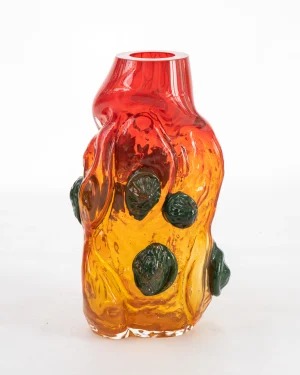
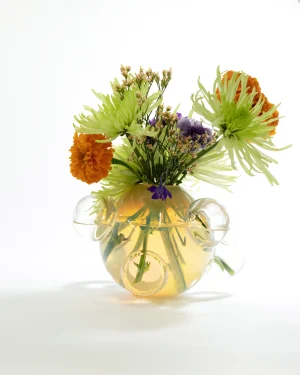
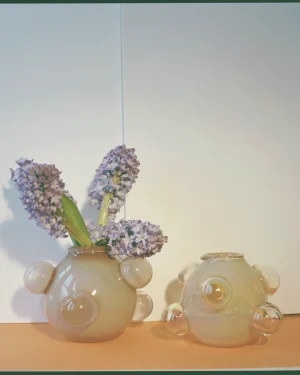
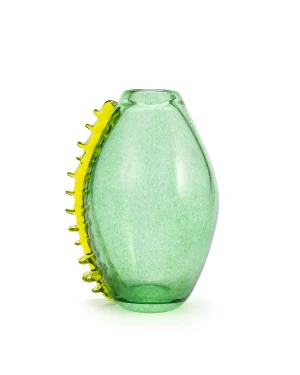
Vases, bowls, and small sculptures bring texture and scale. Look for objects with simple profiles and tactile finishes. Explore vases, sculpture, and editorial references like sculptures.
Textiles and Soft Furnishings
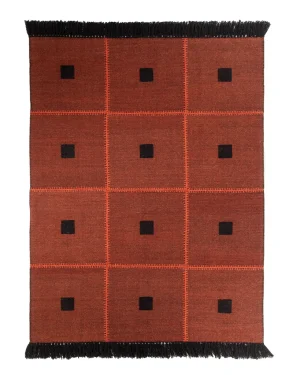
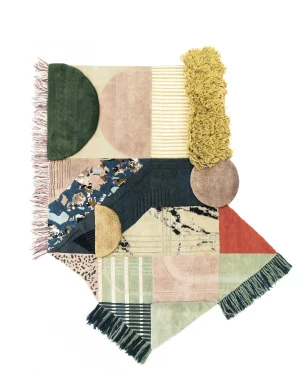
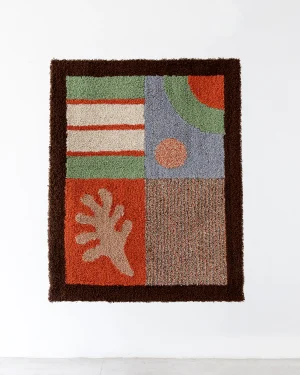
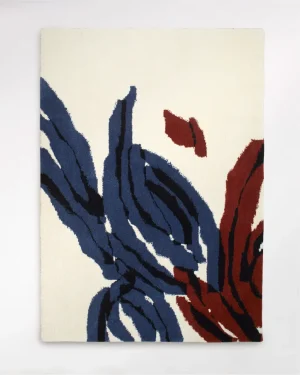
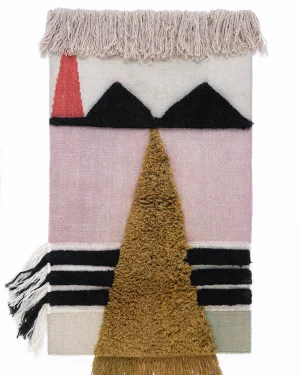
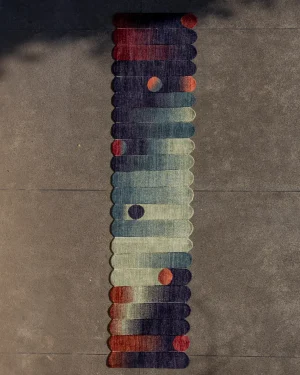
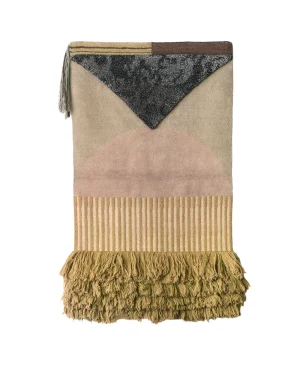
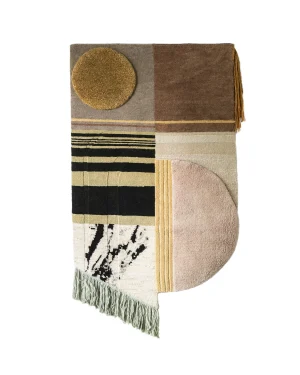
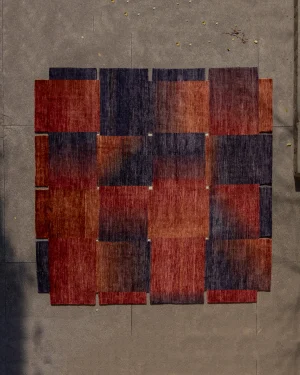
Rugs, cushions, and throws soften structured furniture. Choose subtle patterns or solid tones to maintain clarity. Browse rugs and cushions for layering.
Mid-Century Modern Decor by Room
Living Room
In the living room, decor supports seating and layout rather than competing with it. A sculptural lamp, a ceramic vessel, or a low wall piece can define the space. Explore living room references and the guide living room design.
Dining Room
Dining room decor stays restrained. Tableware, lighting, and one or two objects provide focus without clutter. See dining room ideas and dining room design.
Bedroom
In bedrooms, mid-century modern decor feels calm and grounded. A lamp, a small vase, or a textile accent adds warmth. Explore bedroom layouts and the bedroom guide.
Home Office
Decor in a home office should stay minimal and functional. A well-chosen lamp or object adds character without distraction. See home office spaces and home office design.
How to Style Mid-Century Modern Decor
Edit Ruthlessly
Mid-century modern decor benefits from restraint. Fewer objects create more impact.
Repeat Materials
Echo wood, ceramic, or metal finishes across the room to create cohesion.
Let Objects Breathe
Give decor space so form and texture remain visible. Avoid filling every surface.
Why Mid-Century Modern Decor Still Matters
The lasting appeal of mid-century modern decor lies in its clarity and usefulness. It supports how rooms are lived in, not just how they look. As discussed in mid-century modern and the new authority of the interior designer, the style continues to influence how professionals approach interiors today.
By focusing on proportion, material honesty, and thoughtful selection, mid-century modern decor remains relevant across generations and interior styles.


 Free shipping
 Free shipping
 Free shipping
 Free shipping
 Free shipping
 Free shipping
 Free shipping
 Free shipping
 Free shipping
 Free shipping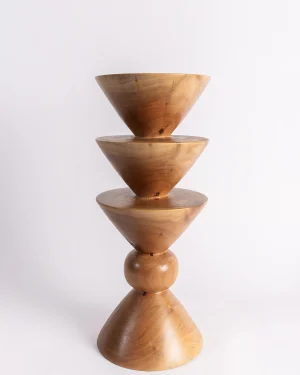
 Free shipping
 In stock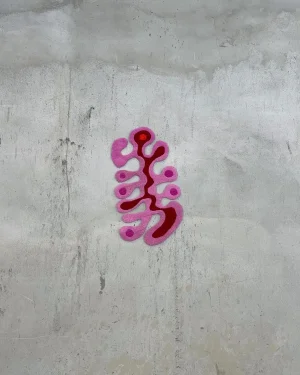
 In stock
 Free shipping
 In stock
 Free shipping
 Sold
Sold In stock
 Sold
Sold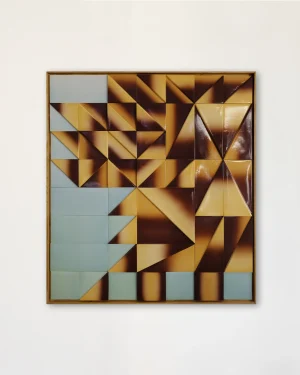 Sold
Sold Sold
Sold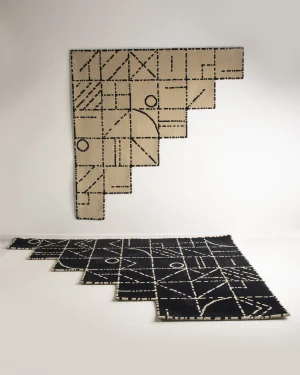 Free shipping
 Free shipping
 In stock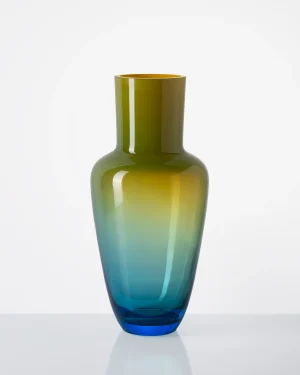
 Free shipping
 Free shipping
 In stock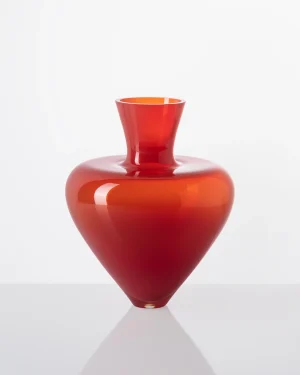

 Free shipping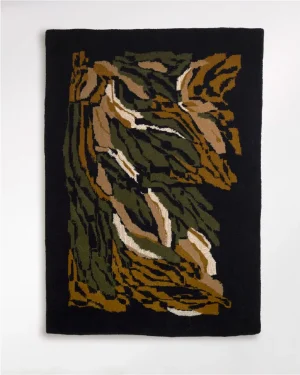
 Free shipping
 Sold
Sold Sold
Sold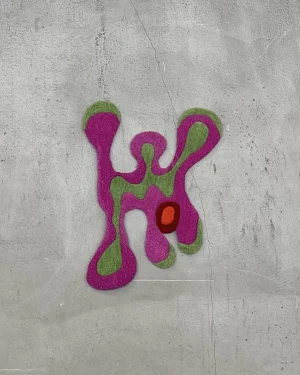
 In stock
 In stock
 Free shipping
 Free shipping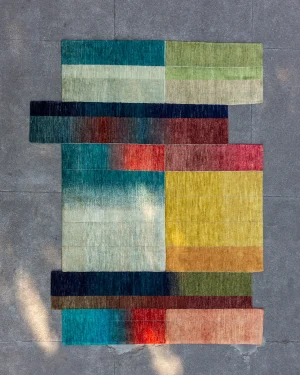
 In stock
 Free shipping