-
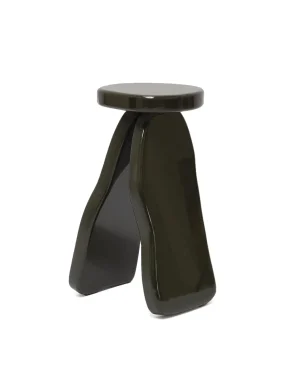
Object107 – Lacquered Oak Wood Side Table
By NG DESIGN
€380 -
 In stock
Forma Seconda – Side Table Copper
By DFdesignLab
€1.370 -
 In stock
Blue Lagoon Stool
By LATESS
€2.000 -

Finepianta 04 Side Table
By FINEPIANTA
€2.877 -
 In stock
Valentina Low Stool
By Heaps & Woods
€1.344 -
 In stock
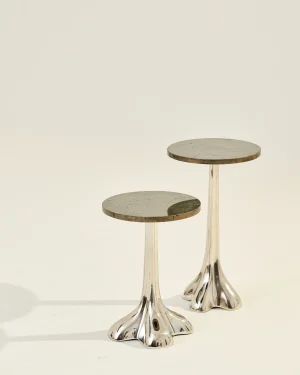
Theia Side Tables – Set Of 2
By LMNOH
€2.100 -
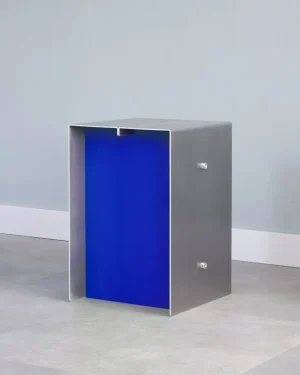
Core Aluminum Side Table / Stool
By Lisanne Meester
€399 This product has multiple variants. The options may be chosen on the product page -
 In stock
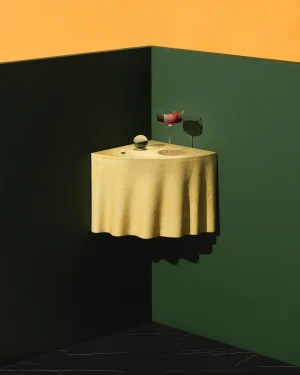
DUK x Reishi Edition Wall-Mounted Corner Table
By Studio TOOJ
€2.900 -
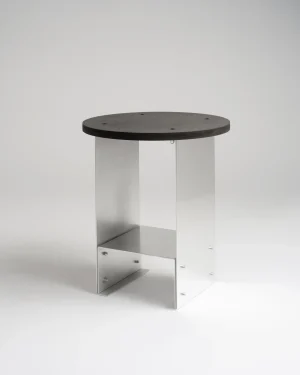
Broken Wing Stool
By Obscure Objects
€290 -

Lung 2.0 Blue Side Table
By Szymon Keller
€3.180 This product has multiple variants. The options may be chosen on the product page -
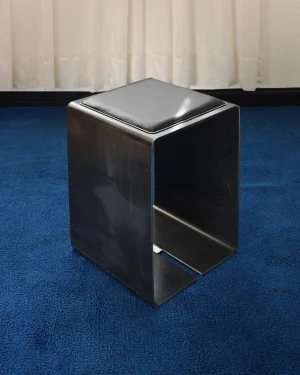
S001-10 Raw Steel Stool
By NAVE
€450 -
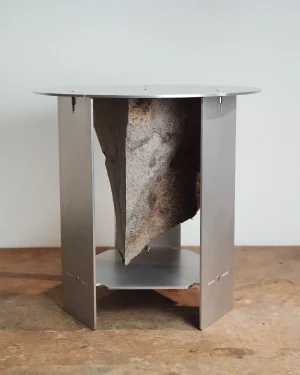 In stock
Fuera De Lugar (out Of Place) – Side Table
By Estudio Material
€1.900 -
 In stock
Yakisugi Burnt Wood Coffeetable
By case studios
€2.190 -
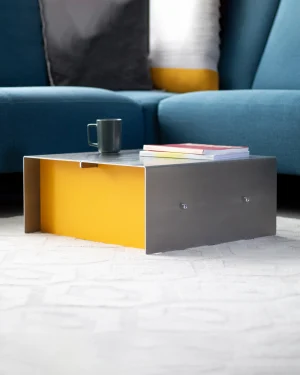
Core Aluminium Coffee Table
By Lisanne Meester
€519 This product has multiple variants. The options may be chosen on the product page -
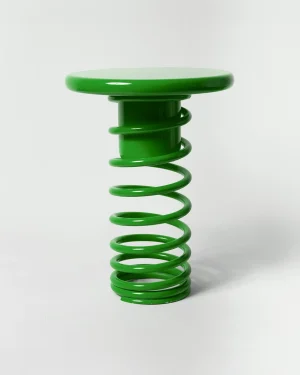
Twist Stool
By Yet Design Studio
€1.200 This product has multiple variants. The options may be chosen on the product page -
 In stock
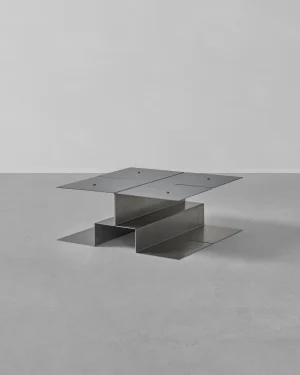
Folded Stainless Steel Table
By 304.cage
€4.000 -

Gradient 02/03 – Wood Side Table
By Luis Gimeno Design
€3.600 - €3.800 This product has multiple variants. The options may be chosen on the product page -
 In stock
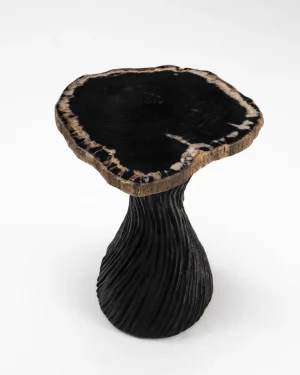
Twisted Fantasy – Hand-carved Petrified Wood Side Table
By Odditi
€1.490 -
 In stock
Side Table Volcán
By LØRDAG & SØNDAG
€1.841 -

Mora Tables
By Daniel Couttolenc
€2.300 - €4.700 This product has multiple variants. The options may be chosen on the product page -

Trn Table / Model 4 / Solid Wood Side Table
By Pani Jurek STUDIO
€1.065 This product has multiple variants. The options may be chosen on the product page -
 In stock
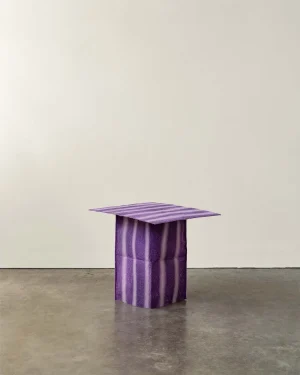
Purple-striped Wowtable
By Calen Knauf Studio
€277 -
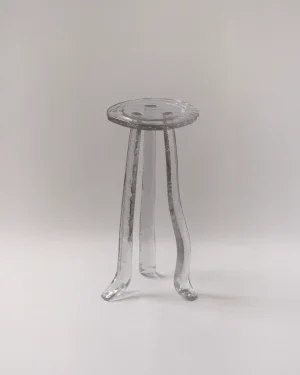
Lung 1.0 Side Table
By Szymon Keller
€2.000 - €2.400 This product has multiple variants. The options may be chosen on the product page -

Domino Table – Wood
By Ford Bostwick Studio
€1.550 -
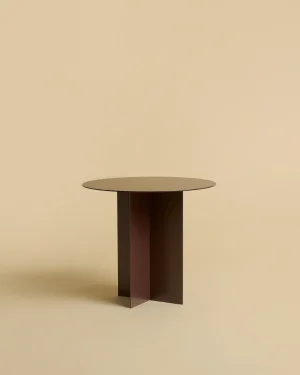
Wake – Chocolate Metal Side Table
By Lebanto
€902 -
 In stock
“120+” Coffee Table – Raw Metal Edition
By matteo giustozzi
€1.400 -
 In stock
Oto – Low Stool & Side Table
By Neiw Studio
€1.400 -
 In stock
Coral Circle – Stacked Disc Side Table
By clasik.studio
€1.350 -
 In stock
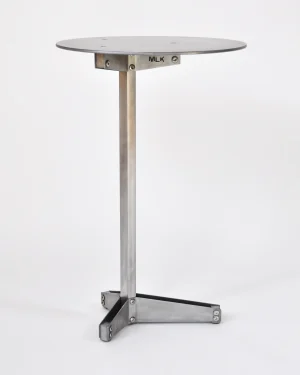
Hex400 Side Table – Mat Aluminium
By MLK Furniture
€1.890 -
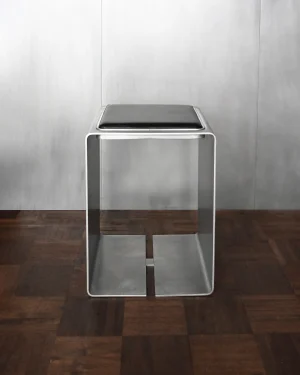
S001-10.2 Aluminum Stool
By NAVE
€500 -
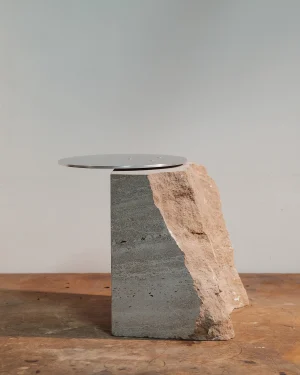
Fragments – Limestone / Aluminum Side Table
By Estudio Material
€3.300 -
 In stock
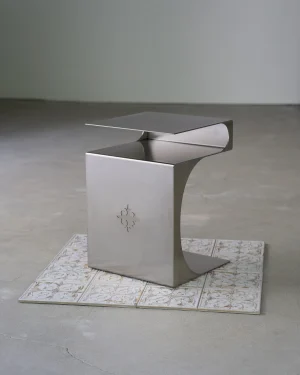
Undress House – Stainless Steel Side Table
By Undress House
€1.600 -
 In stock
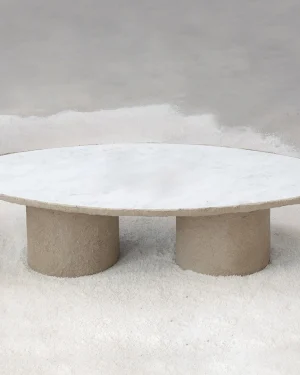
Tradizione
By Jonathan Bocca
€1.920 -
 In stock
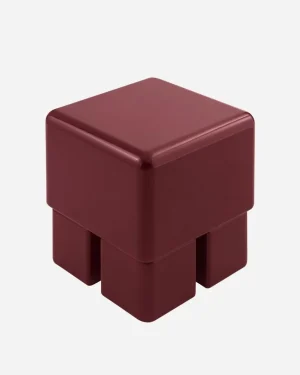
Paffuto – Small Rounded Side Table
By Studio Monsoleil
€1.100 This product has multiple variants. The options may be chosen on the product page -
 In stock
Yellow Dotted Cube Wowtable
By Calen Knauf Studio
€273 -

Ludovica – Stone Stool / Side Table
By Studio Ayres
€1.960 This product has multiple variants. The options may be chosen on the product page -

Table 02.01 ´route´
By SK - Sofia Karnukaeva
€1.800 -

Flamingo Stool
By Mina Wright
€1.264 -

Erosia Side Table
By ASUL-STUDIO
€1.900 -
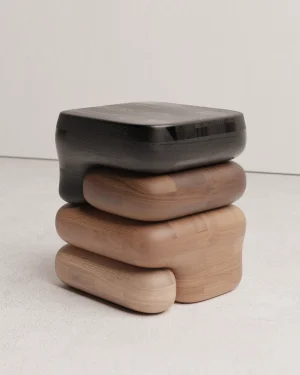
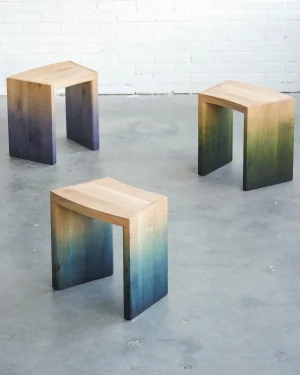
Gradient 01 – Wood Side Table
By Luis Gimeno Design
€7.000 -
 In stock
Dawn – Stool
By Studio Onno Adriaanse
€732 This product has multiple variants. The options may be chosen on the product page -
 In stock
Mirror 01.01 ´route´
By SK - Sofia Karnukaeva
€2.000 -
 In stock
Hand-forged Steel Side Table
By SVITANOK
€6.480 -
 In stock
The Shifting Side Table
By em ef studio
€11.000 -
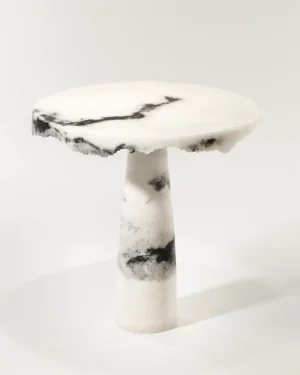
“marbled Salts” Side Table
By MARBLEDSALTS studio
€4.000 This product has multiple variants. The options may be chosen on the product page -
 In stock
“joe`s Dream” Side Table
By Andreas Berlin
€8.000 -
 In stock
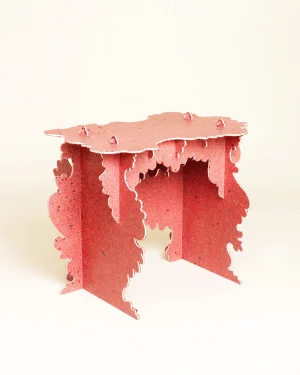
Really Rococo Il – Recycled Textile Table
By Studio Ebba Lindgren
€2.000 -

Solid Beige Stone High Side Table – Tripod Series In Cast Stone
By Donatas Žukauskas
€1.250 -
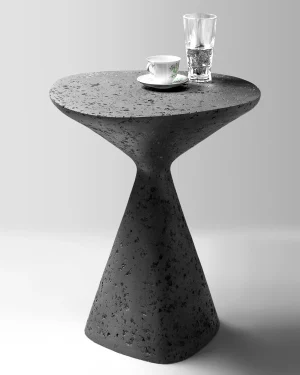
Solid Black Stone Side Table – Mottled Series In Cast Stone By Donatas Zukauskas
By Donatas Žukauskas
€1.100 -
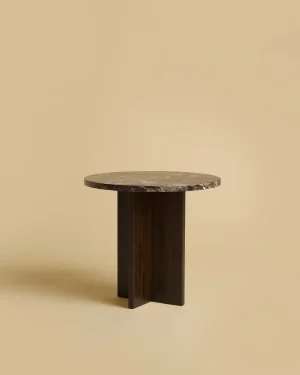
Round Marble And Oak Side Table – Sherman Series
By Lebanto
€1.850 -
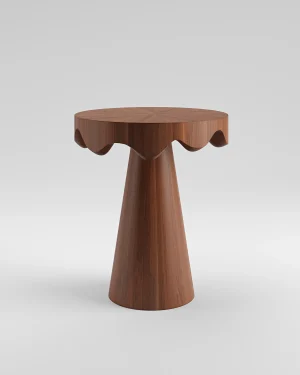
Dripotlé Mahogany Side Table
By Studio TOOJ
€4.500 -
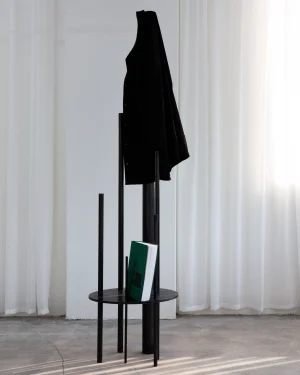
Standing Hanger – Sculptural Free-standing Coat Rack
By PRACTICE
€1.135 -
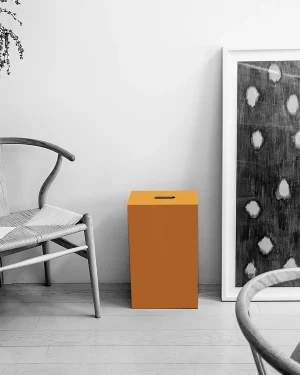
The Apple Box
By ilan
€450 This product has multiple variants. The options may be chosen on the product page -

Nucleation – Side Table
By Drusch Design
€3.430
Side Tables That Finish a Room
Side tables are small pieces with a large impact. They provide a place for daily essentials, support lighting, and help a room feel resolved. In living rooms, bedrooms, and beyond, a well-chosen side table adds function, proportion, and material contrast.
Use side tables to build a reading corner, frame a sofa, or support a bedside routine. Pair them with table lamps, layer them with rugs, and anchor the vignette with curated sculpture. Even a single, well-placed table can make a layout feel intentional.
What Is a Side Table
A side table is a compact table designed to sit beside seating, beds, or along walls. Unlike larger tables, it serves immediate reach. It holds a drink, a book, a lamp, or a small object. Because it sits close to the body, height, stability, and surface area matter.
Side tables also move easily between rooms. A table used beside a sofa today might serve as a nightstand or entryway surface later. This flexibility makes them one of the most adaptable furniture types.
Where to Use Side Tables
- Living rooms beside sofas and lounge chairs
- Bedrooms as bed side tables
- Reading corners paired with lounge chairs and floor lamps
- Entryways for keys and small objects
- Hallways where narrow surfaces help without blocking flow
- Outdoor seating areas on terraces and patios
Side tables work anywhere a small, reachable surface improves comfort.
Side Tables for Living Room
Side tables in living room layouts rely on balance. Place one on each side of a sofa, or use a single table next to a lounge chair. Keep the height close to the sofa arm for easy reach.
If you want a larger shared surface, pair side tables with coffee tables. For open-plan rooms, choose tables that feel visually light so circulation stays clear.
Narrow Side Tables for Living Room
Narrow side tables solve tight gaps. They fit between a sofa and wall or beside a chair in a slim corner. Look for a stable base and a top wide enough for a lamp and a book.
If you need more nearby surface, a console table behind the sofa adds function without crowding walkways.
Side Tables for Bedroom
Side tables for bedroom use should support nightly routines. Prioritize a stable top for a lamp, phone, and water. Comfortable edges help in low light.
Bed side tables should align with mattress height. Too low feels unfinished. Too high feels awkward. For a calm bedside, pair a simple table with a sculptural lamp. For a stronger gesture, add a mirror above.
Popular Materials and Finishes
Wood brings warmth and visible grain. It forgives daily wear and softens harder materials.
Stone and marble feel crisp and substantial. They add weight and elegance but benefit from coasters.
Metal offers durability and sharp profiles. Powder-coated or brushed finishes feel refined.
Glass keeps a room visually open and suits smaller spaces.
Material choice shapes mood as much as style.
Modern and Mid-Century Side Tables
A modern side table relies on clean geometry and strong proportion. It moves easily across rooms and pairs well with contemporary seating.
A mid century modern side table favors warm wood, tapered forms, and soft curves. It bridges vintage notes and present-day rooms.
Round, Nesting, and Small Side Tables
Round side tables keep circulation smooth and reduce sharp corners.
Nesting tables add flexibility. Pull them apart when hosting, tuck them away when not needed.
Small side tables thrive in compact spaces but require good stability.
Side Tables with Storage
Storage helps surfaces stay clear. Drawers hide remotes and chargers. Open shelves hold books. Hidden compartments keep clutter out of sight. The best storage feels integrated, not bulky.
How to Choose the Right Side Table
- Height: Match the seat or mattress height
- Surface: Large enough for what you place daily
- Stability: No wobble on soft surfaces
- Material: Suit daily use and mood
- Function: Decide what it must hold
Styling Side Tables
Use one strong object and stop. A lamp plus one sculptural piece often looks better than many small items. Add height with lighting, keep secondary objects low. Vases, trays, and wall context help complete the scene.
Frequently Asked Questions
What is the difference between a side table and an end table
The terms often overlap. End table usually refers to placement at the end of a sofa. Side table is broader and can sit anywhere.
How tall should a side table be
Within a few centimeters of the sofa arm or mattress height.
Can side tables work in small rooms
Yes. Choose narrow or round forms and keep the footprint light.
Key Takeaways
- Match height to seating
- Prioritize stability and surface area
- Use material to shape mood
- Let one strong object lead styling
- Choose storage when clutter builds up
Start with the room, then scale and material. Side tables work best when they support the whole composition rather than compete for attention.