A Home Library Built for Reading
A home library turns reading into a daily habit. You get a dedicated place for books, quiet, and comfort. Start with room-level ideas from the reading room and add pieces that support how you read, rest, and store.
Home library design works in large houses and small apartments. You can build a full wall of shelves, or a compact corner with a single lounge chair. The goal stays simple. Make reading easy to begin and easy to return to.
Home library ideas that work in real homes
Pick one clear function first. Storage, reading, or display. Then build around it with a chair, a light, and a surface for a book and a drink.
Use the room pages for fast direction. Try living room for shared spaces, bedroom for quiet routines, or home office for a library that supports work and study.
Home library bookshelves and storage
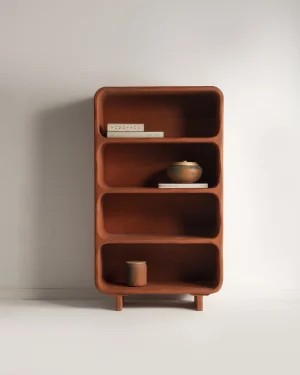
Bookshelves set the tone of a home library. Wall-to-wall shelving reads classic and architectural. A single run of shelves reads clean and modern.
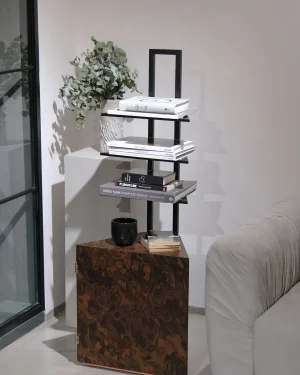
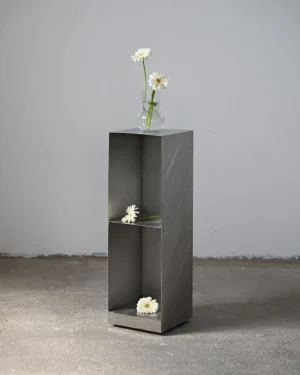
Shop dedicated shelves, then add closed storage for overflow. Pair with cabinets or credenzas to hide paperbacks, chargers, and clutter.
Small home library ideas
A small home library succeeds with tight editing. Keep the collection visible and easy to reach. Use vertical space and prioritize one strong shelf system.
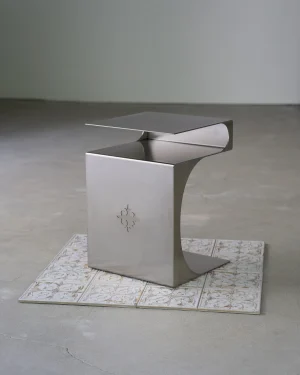
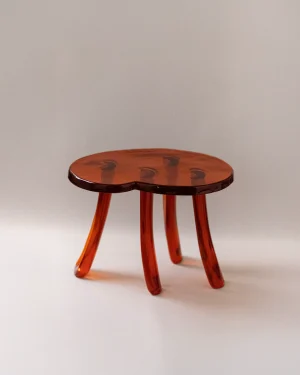
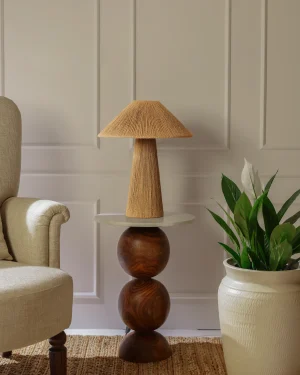
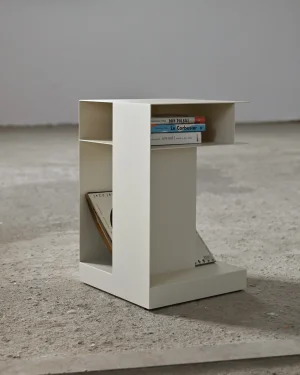
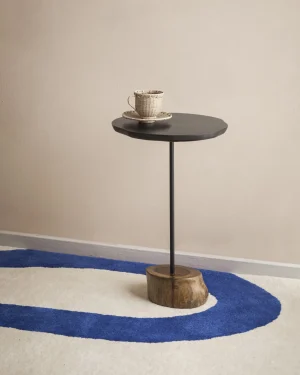
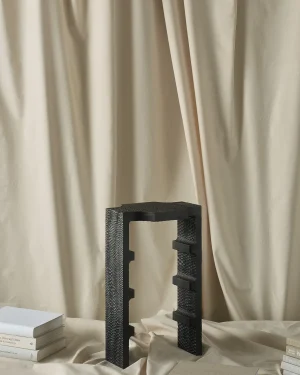
Place a compact chair and a small table beside the shelves. A side table holds a book stack, glasses, and a cup. Add a focused light so the corner feels complete.
Cozy home library styling
Cozy comes from texture, light, and sound control. Add a soft rug to warm the floor and reduce echo. Layer textiles to make the chair feel inviting.
For a mood-forward approach, borrow cues from soft minimalism or wabi-sabi. Keep surfaces calm. Let materials carry the room.
Reading nook ideas
A reading nook needs three things. A seat, a light, and a place for a book. Build it near a window for natural light, then control glare with a lamp at night.
Use a corner, a landing, or the end of a hallway. Even an entryway can hold a small nook if you keep the layout clean.
Window reading nook
A window reading nook feels effortless. Place the chair slightly off the glass so you keep circulation clear. Add a small table and a focused lamp for evenings.
For more ways to style a reading-focused corner, see Page Turners.
Reading chair selection
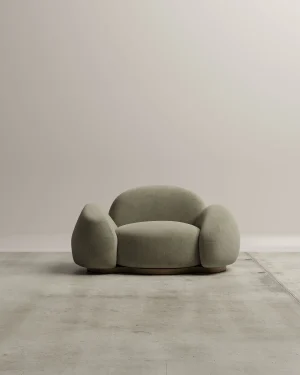
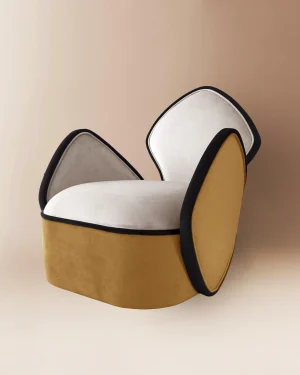
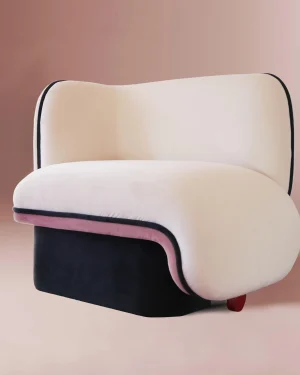
A reading chair should support your back, arms, and neck. You should sit for an hour without shifting every few minutes. Choose a chair with a stable base and a comfortable seat depth.
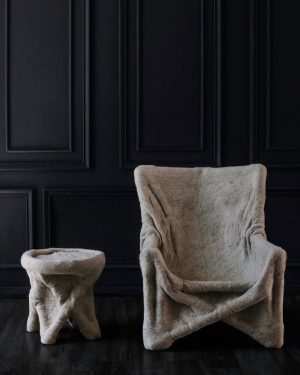
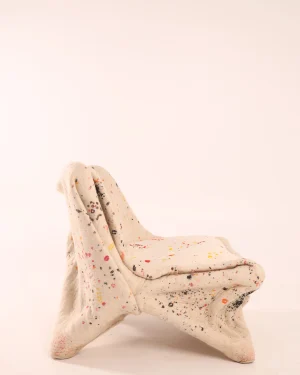
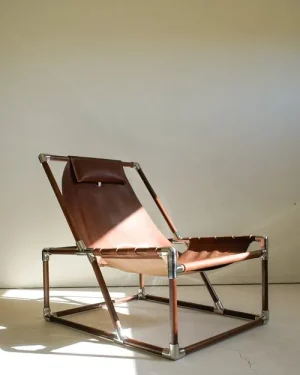
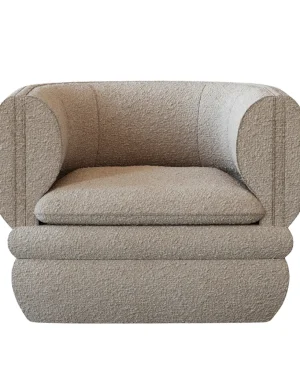
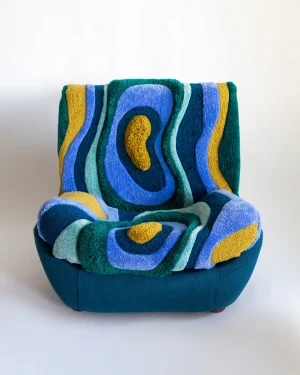
Browse seating styles through armchairs and accent chairs. If you want a deeper sit, start with lounge chairs.
Comfy reading chair
Look for a wide seat and a supportive back angle. Upholstery matters. Wool and woven textiles feel warm and quiet.
Explore material direction through textiles and wood. Pair tactile upholstery with clean wood structure for balance.
Reading chair with ottoman
An ottoman changes how long you stay put. You reduce leg fatigue and settle into the chair faster. Use a compact footrest in small rooms.
Start with poufs ottomans, then pair with your chair for a complete reading setup.
Lighting for a home library
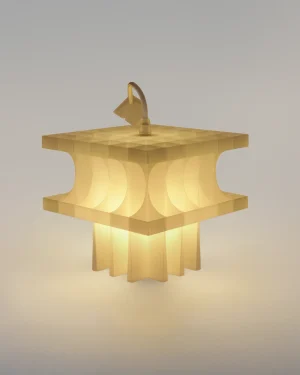
Library lighting should feel calm and precise. Use one ambient source, then add a task light near the chair. Keep the bulb warm so pages feel softer at night.
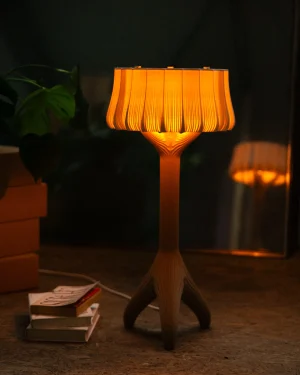
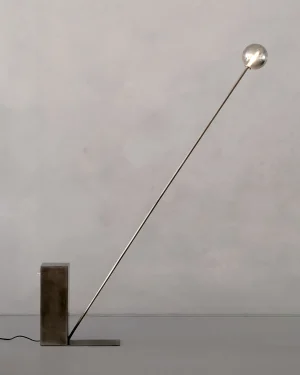
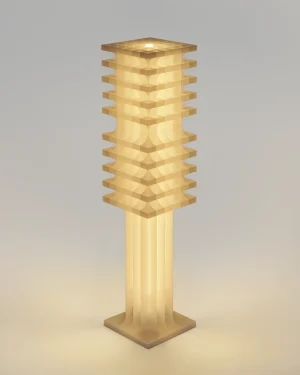
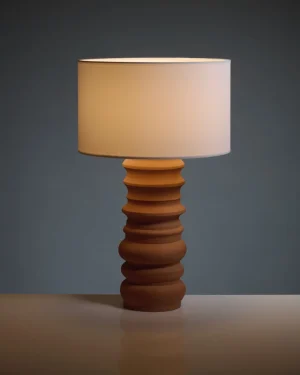
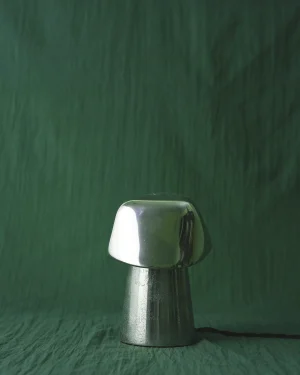
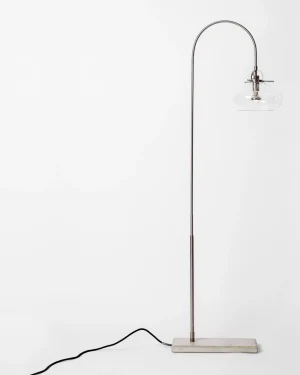
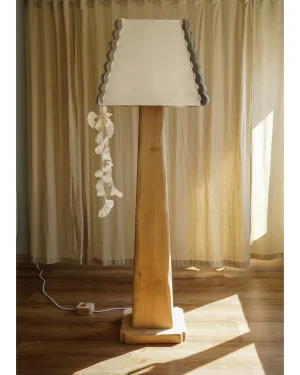
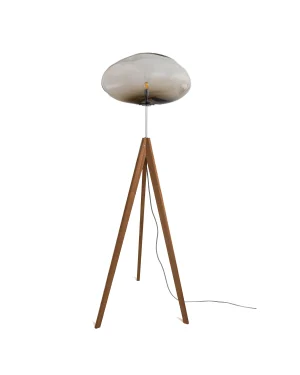
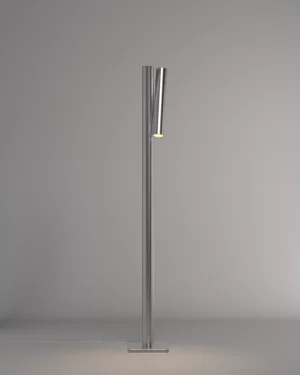
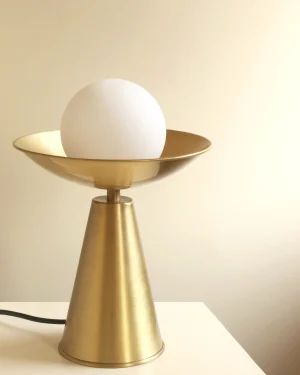
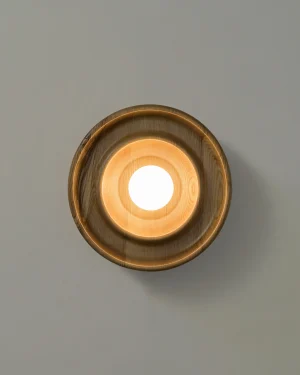
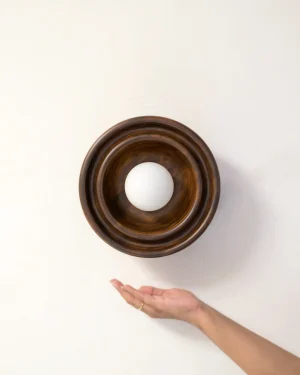
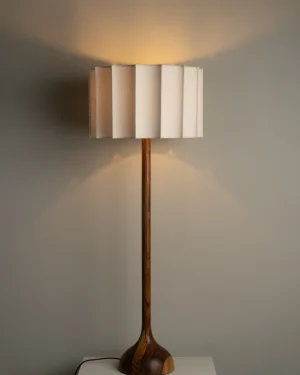
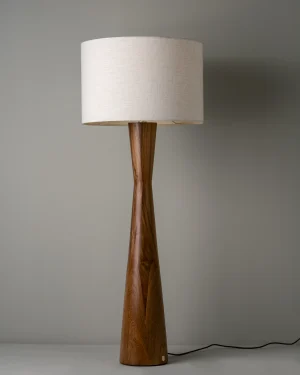
Use floor lamps for reading corners. Add table lamps for shelves and side tables. If you want wall-based light, use sconces and reference Wall Sconces.
Materials that suit a home library
Materials shape the room’s feel. Wood and paper lean warm and classic. Metal and glass lean crisp and graphic.
Use wood for shelving and frames. Add warmth with textiles. Introduce a clean note with metal or glass.
Reading room home library ideas
A reading room benefits from restraint. Keep the layout simple and keep surfaces clear. Let the chair and shelves lead.
Add a small table, one lamp, and one art object. For wall-based composition ideas, reference The New Wall Decor and browse wall decoration.
How many books are considered a home library
No fixed number defines a home library. A small shelf of books you return to counts, if the space supports reading. A home library starts when you organize books with intention and give them a dedicated home.
Common mistakes
Do not place the chair in a dark corner without task lighting. Do not overfill shelves so books become hard to pull. Do not skip a rug if the room echoes.
A home library should feel easy to use. If you keep the chair comfortable, the light focused, and the storage clear, the room will hold up over time.
Next steps
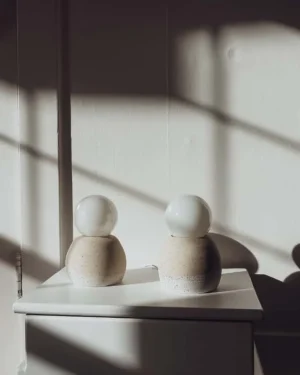
Choose your location. Pick your shelves. Add a reading chair and a light. Then refine with a rug, a table, and a few objects from sculpture objet or vases to give the room a finished rhythm.


 Free shipping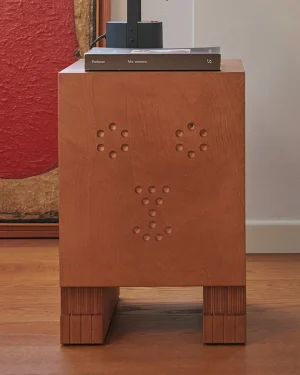
 In stock
 Free shipping
 In stock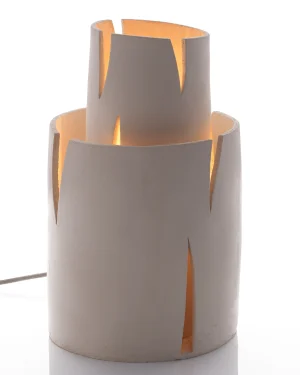
 In stock
 Free shipping
 In stock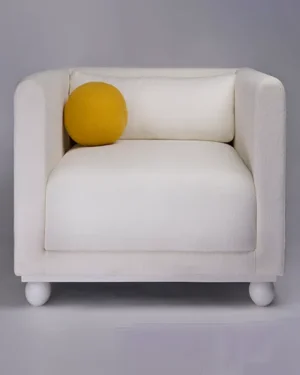
 Sold
Sold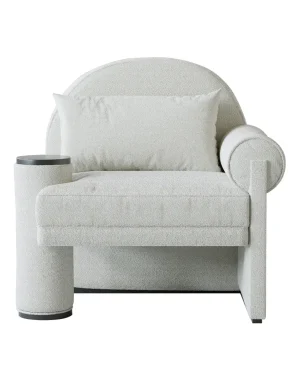
 Free shipping
 In stock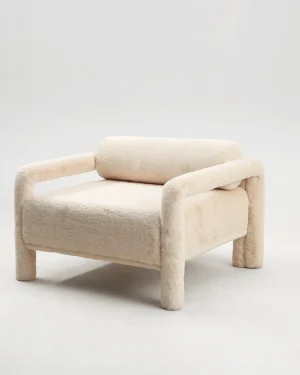



 Free shipping
 Free shipping
 In stock
 Free shipping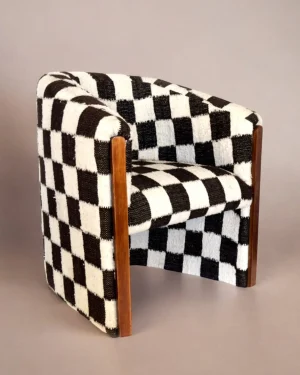
 Free shipping
 Free shipping
 Free shipping
 Free shipping
 In stock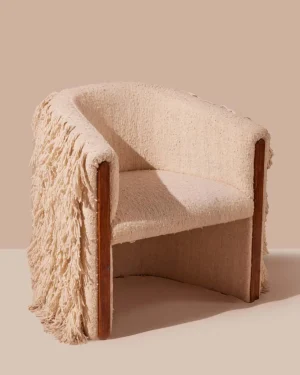
 Free shipping