Bathroom Mirrors That Shape Light and Daily Rituals
Bathroom mirrors do more than reflect. They shape light, define proportions, and influence how a bathroom feels at the start and end of each day. The right mirror brings clarity and calm, while also acting as a subtle design anchor.
From compact powder rooms to primary bathrooms, mirrors guide both function and atmosphere. For broader context, explore bathroom interiors and how reflective surfaces interact with material, light, and layout.
What Defines a Bathroom Mirror
A bathroom mirror must balance clarity, durability, and proportion. Unlike mirrors used elsewhere in the home, bathroom mirrors need to handle humidity, temperature changes, and frequent use.
Design-forward options now go beyond utility, drawing inspiration from sculptural wall mirrors and expressive materials seen in contemporary interiors.
Types of Bathroom Mirrors
Wall Mounted Bathroom Mirrors
Wall mounted bathroom mirrors remain the most common choice. They work well above sinks and vanities, offering a clean, stable installation.
Rectangular formats suit shared bathrooms, while softer silhouettes add visual interest. Explore sculptural approaches through curated wall mirror selections.
Bathroom Vanity Mirrors
Bathroom vanity mirrors align directly with sinks and storage. Proper sizing is key. The mirror should relate to the width of the vanity without overpowering it.
For cohesive layouts, pair mirrors with refined cabinets and thoughtful wall sconces.
Round Bathroom Mirrors
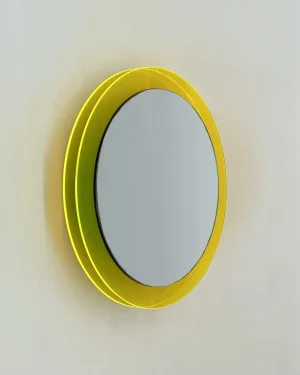
Round bathroom mirrors soften sharp lines and bring balance to tiled or angular spaces. They work especially well in smaller bathrooms and powder rooms.
For stylistic context, see how curves appear across minimalist and art deco interiors.
Bathroom Mirrors with Lighting
Bathroom mirrors with integrated lighting provide even illumination for grooming. They reduce shadows and enhance visibility without relying solely on overhead fixtures.
Layer mirror lighting with ambient options from wall sconces for a balanced effect.
Choosing the Right Bathroom Mirror
Size and Proportion
The mirror should align with the vanity width and ceiling height. Oversized mirrors expand visual space, while smaller mirrors suit compact layouts.
Frame or Frameless
Framed bathroom mirrors add warmth and definition, especially when echoing finishes used elsewhere. Frameless designs feel lighter and more architectural.
Material cues often come from finishes such as metal, wood, or textured ceramics.
Moisture Resistance
Bathrooms demand materials and construction that withstand humidity. Look for sealed edges and finishes designed for damp environments.
Bathroom Mirror Placement Tips
- Center mirrors at eye level for comfort.
- Place opposite or near light sources to reflect brightness.
- Avoid positioning mirrors directly opposite clutter.
- In narrow bathrooms, mirrors help visually widen the space.
For broader layout strategies, reference entryway mirror planning, which shares similar spatial logic.
Bathroom Mirrors by Style
Modern Bathroom Mirrors
Modern bathroom mirrors emphasize clean lines and restrained detailing. They pair well with contemporary vanities and neutral palettes.
Art Deco Bathroom Mirrors
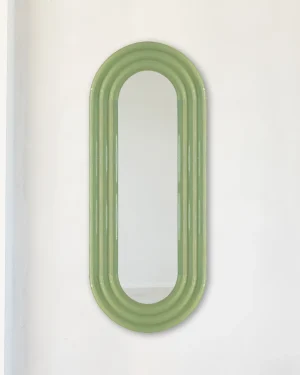
Art deco bathroom mirrors introduce geometry and metallic accents. They work well in bathrooms seeking elegance without excess.
See how reflective surfaces play into art deco interiors.
Minimal Bathroom Mirrors
Minimal bathroom mirrors rely on proportion and clarity. Frameless or thin-framed designs keep attention on light and space.
Care and Maintenance
Clean bathroom mirrors regularly using non-abrasive cleaners. Avoid harsh chemicals near frames, especially those made from wood or metal.
Proper ventilation helps prevent moisture damage and extends the life of both mirror and surrounding finishes.
Common Mistakes to Avoid
- Choosing mirrors too small for the vanity
- Ignoring lighting placement
- Using non-sealed materials in humid bathrooms
- Overcrowding walls with competing elements
Bathroom Mirrors as Design Objects
Today’s bathroom mirrors function as both utility and design. Sculptural forms, expressive frames, and thoughtful placement elevate the bathroom from purely practical to intentionally composed.
For design-led approaches, explore mirrors alongside sculptural objects and evolving ideas around functional art.
Next Steps
Start by assessing your bathroom layout, light sources, and vanity scale. From there, select a mirror that supports daily routines while reinforcing the overall aesthetic.
Use bathroom inspiration pages and curated editorials to guide final decisions.


 In stock
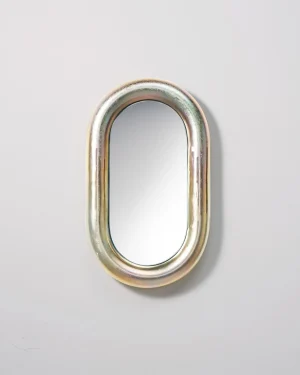 In stock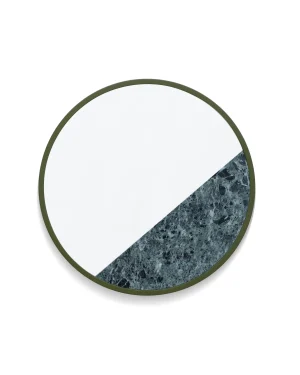
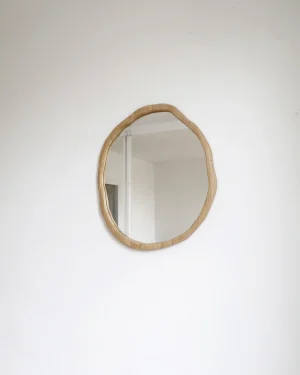 In stock
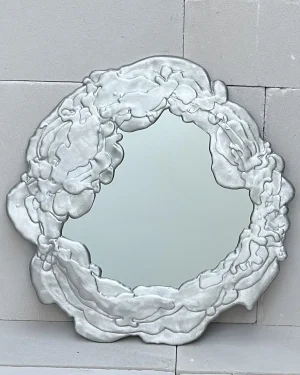 Sold
Sold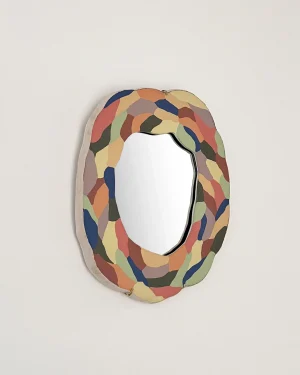 Sold
Sold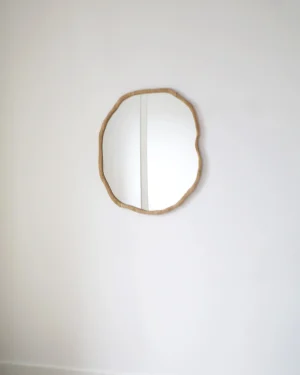
 In stock
 In stock
 In stock
 In stock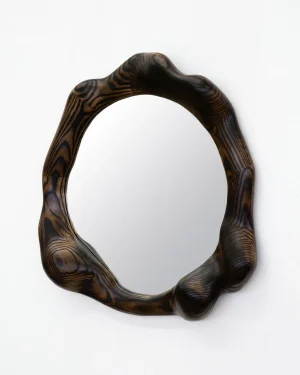
 In stock