-
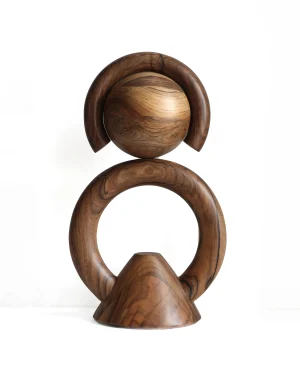
Air Totem In Walnut
By ZEMNA
€530 -
 In stock
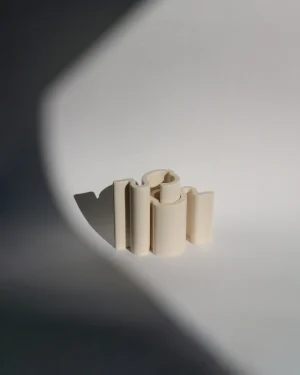
Ana-gram Kit 2 – Modular Candleholder
By Errance.
€55 -
 In stock
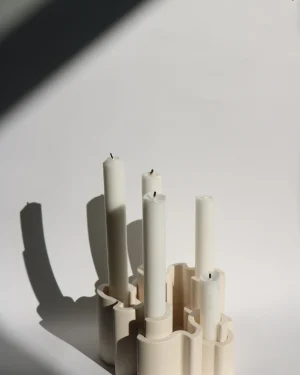
Ana-gram Kit 5 – Modular Candleholder
By Errance.
€145 -
 In stock
Black On Black Sculpture
By Ceramic Sculptor Stella Arion
€3.100 -

C Console
By Nitush and Aroosh
€3.050 -
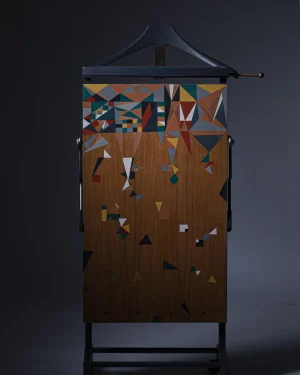
Change – Floor Hanger With Lid
By WOODTALES by Foteini Noti
€780 -
 In stock
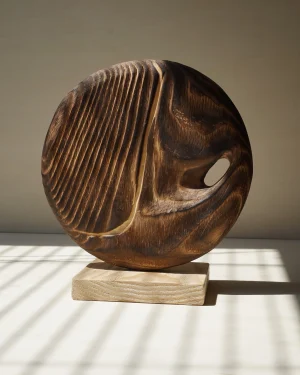
Concentric Flows / Wood Sculpture No.2
By SOLATERRE
€564 -
 In stock
Crescent – Wall Decoration
By Nitush and Aroosh
€2.650 -
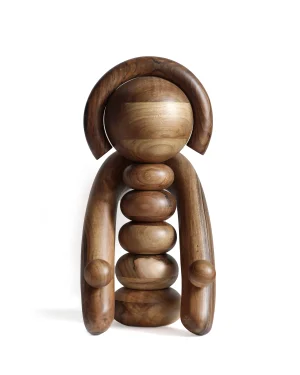
Earth Totem In Walnut
By ZEMNA
€530 -
 In stock
Embodied Sense Ceramic Sculpture
By Ceramic Sculptor Stella Arion
€3.100 -
 In stock
Figurative Sculpture
By Meagan Cignoli Studio
€400 -
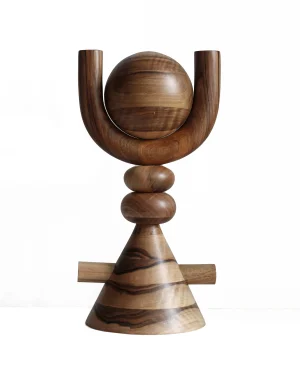
Fire Totem In Walnut
By ZEMNA
€530 -
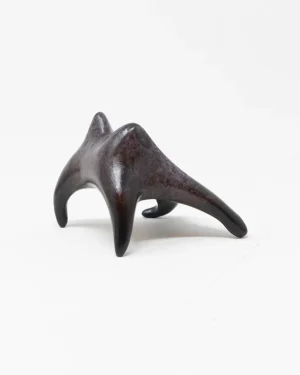
Gummy Opener
By Voidfill Studio
€250 -
 In stock
Herbarium-a1
By EQUILIBRI-FURNITURE
€120 -
 In stock
Over – Decorative Object
By Meagan Cignoli Studio
€128 -
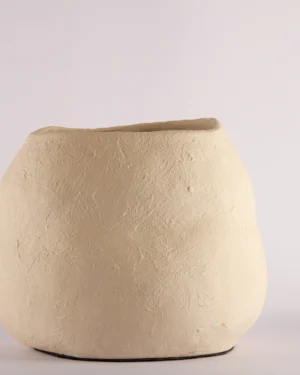 In stock
Ovo N4 Large Vase – Stoneware Rustic Vessel
By Studio Cupla
€600 -
 In stock
Ovo N5 Large Vase – Stoneware Rustic Vessel
By Studio Cupla
€500 -
 In stock
Ovo N6 Large Vase – Stoneware Rustic Vessel
By Studio Cupla
€500 -
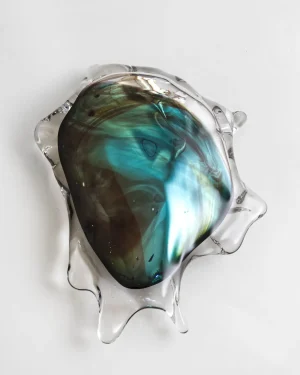 In stock
Persona Mirror Sculpture – Multicolour
By MILA ZILA
€1.150 -
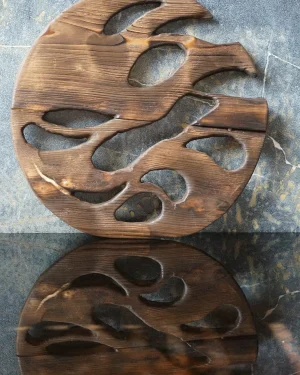 In stock
Portal / Wood No.7 Sculpture
By SOLATERRE
€604 -

Rebloom – Leather Vessel
By LUVATON studio
€2.150 -
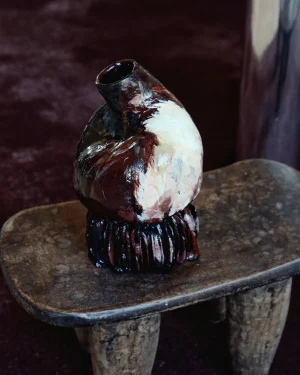
Red-y? – Decorative Object
By Meagan Cignoli Studio
€150 -
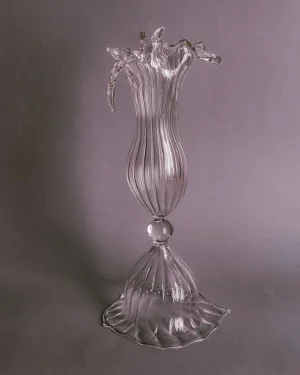
Reflection Glass Sculpture
By PIA GLASSWORKS
€289 -
 In stock
Silent Archive Sculpture
By Ceramic Sculptor Stella Arion
€3.100 -

Solid Beige Stone Floor Vase – Archa Series In Cast Stone By Donatas Zukauskas
By Donatas Žukauskas
€2.645 -

Solid Beige Stone High Side Table – Tripod Series In Cast Stone
By Donatas Žukauskas
€1.250 -

Solid Beige Stone High Side Table – Tripod Series In Cast Stone
By Donatas Žukauskas
€1.250 -
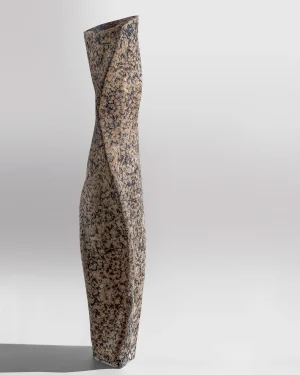
Solid Beige Stone Tall Floor Vase – Rawline Series In Cast Stone By Donatas Zukauskas
By Donatas Žukauskas
€2.150 -

Solid Black Stone & Oak Column Side Table – Still Series In Cast Stone
By Donatas Žukauskas
€1.550 -

Solid Black Stone Console Table – Toki Series In Cast Stone By Donatas Zukauskas
By Donatas Žukauskas
€2.600 -
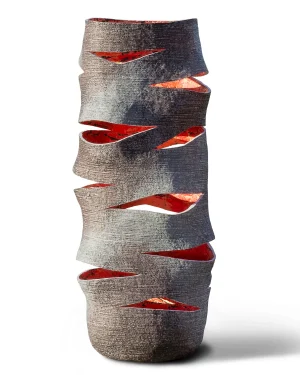
Solid Black Stone High Candle Lantern – Ember Series In Cast Stone By Donatas Zukauskas
By Donatas Žukauskas
€710 - €730 This product has multiple variants. The options may be chosen on the product page -
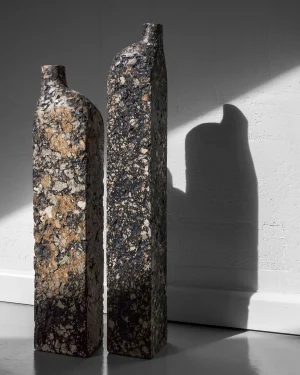
Solid Black Stone Set Vase – Block Series In Cast Stone By Donatas Zukauskas
By Donatas Žukauskas
€1.350 -

Solid Black Stone Wave Candle Lantern – Ember Series In Cast Stone
By Donatas Žukauskas
€730 This product has multiple variants. The options may be chosen on the product page -
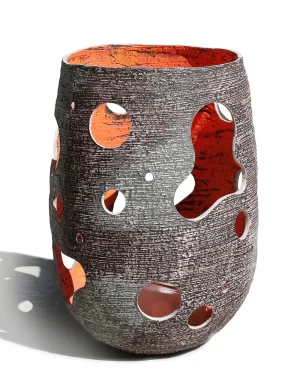
Solid Black Stone Wide Candle Lantern – Ember Series In Cast Stone By Donatas Zukauskas
By Donatas Žukauskas
€710 -

Solid Red Stone Set Vase – Fragment Series In Cast Stone By Donatas Zukauskas
By Donatas Žukauskas
€1.450 -
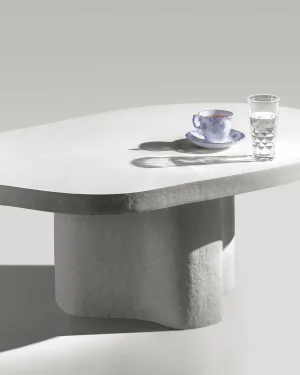
Solid White Stone Coffee Table – Plinth Series In Cast Stone By Donatas Zukauskas
By Donatas Žukauskas
€3.400 -

Solid White Stone Low Coffee Table – Plinth Series In Cast Stone
By Donatas Žukauskas
€1.300 This product has multiple variants. The options may be chosen on the product page -
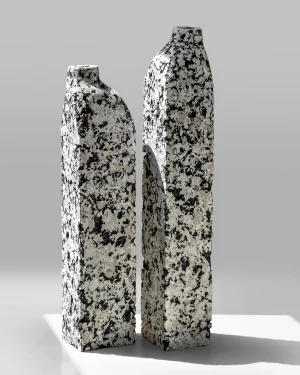
Solid White Stone Set Vase – Block Series In Cast Stone By Donatas Zukauskas
By Donatas Žukauskas
€1.350 -
 In stock
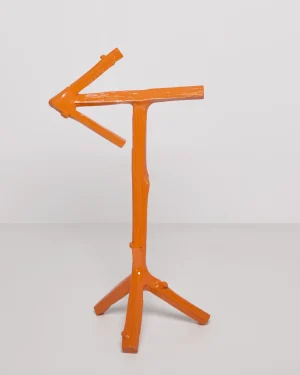
Splitted Arrow
By Teun Zwets
€940 -
 In stock
Trace/l – Leather Vessel
By LUVATON studio
€2.850 -
 In stock
Trace/s – Leather Vessel
By LUVATON studio
€2.550 -
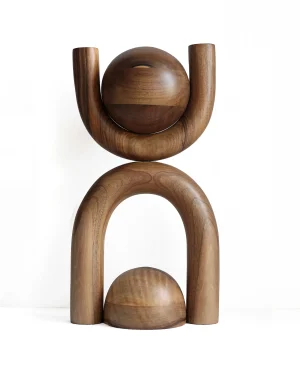
Water Totem In Walnut
By ZEMNA
€530 -

You & Me – Set Of 3 – Plaster Of Paris Sculpture
By Sacha Parent & Valentine Tiraboschi
€1.440 -
 In stock
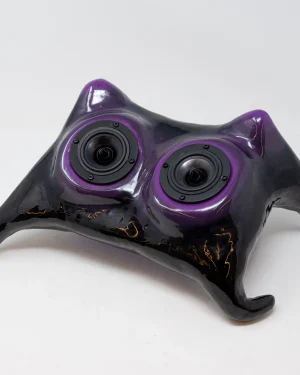
Gummy Bluetooth Speaker
By Voidfill Studio
€1.450
Abstract Sculpture for Open Interpretation
Abstract sculpture introduces emotion, movement, and material presence into interior spaces. Rather than depicting a recognizable subject, these works focus on form, texture, and spatial tension, allowing you to engage through intuition rather than explanation. In contemporary interiors, abstract sculpture functions as both visual anchor and open-ended statement.
Collected as functional art or standalone objects, abstract sculpture appears across private homes, galleries, and architectural settings. Its ability to adapt makes it central to modern styling approaches explored throughout modern and contemporary interiors.
What Is Abstract Sculpture
Abstract sculpture communicates without figurative reference. Meaning emerges through proportion, material behavior, surface, and how the object occupies space. Forms may feel geometric, organic, fragmented, or fluid, but interpretation remains open.
This approach aligns closely with themes discussed in conceptual design, where objects operate between art, design, and lived experience.
Why Abstract Sculpture Works in Interiors
Abstract sculpture shapes atmosphere without overwhelming a room. It introduces depth while leaving space for architecture, light, and movement to play a role. Because these works resist literal storytelling, they remain visually relevant as interiors evolve.
This enduring quality explains why abstract sculpture appears frequently in curated selections like sculptural collections and in new wall decor approaches.
Materials and Craft
Material choice defines how abstract sculpture feels and functions. Common materials include stone, metal, ceramics, wood, glass, and mixed media.
Many abstract sculptures reveal traces of process. Tool marks, casting textures, or hand-built irregularities become integral to the final form. This emphasis on making connects closely with ideas explored in artisanal techniques.
Types of Abstract Sculpture
Geometric Abstract Sculpture
Defined by structure, repetition, and precise edges. These works complement architectural interiors and appear often in minimalist and brutalist spaces.
Organic Abstract Sculpture
Shaped by curves, asymmetry, and natural movement. Organic forms soften interiors and pair well with material-forward settings inspired by nature driven design.
Textural and Material-Led Sculpture
Surface becomes the primary language. Rough stone, oxidized metal, or layered ceramic create visual rhythm through texture alone.
Conceptual Abstract Sculpture
These pieces challenge scale, function, or expectation. They blur the boundary between object and idea, echoing themes found in boundary pushing design.
Where to Place Abstract Sculpture
Abstract sculpture adapts to many interior contexts when placed with intention.
In living areas, floor sculptures help anchor open plans, especially when paired with seating from living room layouts. On consoles or pedestals, smaller works create moments of focus without visual noise.
Entryways benefit from sculptural objects that establish tone immediately, a strategy often highlighted in entryway design guidance. Wall-mounted abstract works align well with evolving approaches to wall decor.
How to Style Abstract Sculpture
Give each piece space. Negative space allows form and material to read clearly.
Use lighting deliberately. Directional light emphasizes silhouette and texture, especially when paired with ideas from sculptural lighting.
Balance scale carefully. Large sculptures require visual clearance, while smaller works gain impact through elevation or isolation.
Pair abstract sculpture with restrained furniture and finishes. This approach echoes styling seen in soft minimalism and radical minimalism.
Common Mistakes to Avoid
Overcrowding reduces impact. Abstract sculpture loses clarity when surrounded by competing objects.
Poor lighting flattens form and surface. Avoid placing sculptural works in unintentional shadow.
Treating sculpture as filler. Abstract sculpture works best when chosen deliberately, not as decoration of last resort.
Abstract Sculpture as Collectible Design
Many contemporary abstract sculptures sit between art and furniture. They function within daily life while maintaining conceptual weight. This dual role makes them central to functional art conversations.
As part of a curated interior, abstract sculpture contributes to long-term visual identity rather than short-term trends.
How to Choose the Right Abstract Sculpture
Begin with instinct. If a piece holds your attention without explanation, it is working.
Consider scale, placement, and material early. The relationship between sculpture and surrounding space defines success.
Look for integrity in making. Strong abstract sculpture reveals intention, material understanding, and clarity of form.
Key Takeaway
Abstract sculpture brings depth, openness, and quiet intensity to interiors. It does not dictate meaning. It creates space for looking, returning, and forming your own interpretation over time.